What’s Inside
- Prioritize a Consistent Calorie Surplus with Nutrient-Dense Foods
- Master High-Calorie Smoothies for Weight Gain Meal Prep
- Incorporate Mass Gainer Supplements Strategically
- Maximize Healthy Fats in Every Meal
- Bulk Up Your Carbohydrates with Complex Sources
- Spread Protein Intake for Weight Gain Meal Prep
- Prep High-Calorie Snacks to Combat Fullness
- Leverage Full-Fat Dairy for Calorie and Protein Goals
- Avoid the Common Mistake of Eating Too Quickly
- Embrace Protein-Maxxing with Diverse Sources
- Utilize Meal Prep Containers for Portion Control
Three years ago, I sat on my kitchen floor staring at a plastic container of dry chicken breast and plain white rice. My first attempt at weight gain meal prep was a miserable failure. I was trying to pack on ten pounds of muscle, but I choked down cold, unseasoned food until my jaw actually ached from chewing. You can’t just eat plain chicken and expect to gain weight sustainably. It’s a fast track to burnout and digestive distress. After throwing that specific container directly into the trash, I realized I needed a highly methodical approach. Weight gain requires specific math, strategic calorie density, and food that doesn’t taste like wet cardboard. If you’re tired of feeling overly full and seeing zero progress on the scale, you need to change your grocery strategy. I spent months making every mistake possible, from dirty bulking with fast food to buying the wrong supplements—learned that the hard way. Here is exactly how I structure my meals now, including the exact prices, the specific brands I buy, and the prep methods I use every Sunday to hit my surplus without feeling sick.
1. Prioritize a Consistent Calorie Surplus with Nutrient-Dense Foods

To gain weight effectively, you’ve got to consistently consume more calories than you burn. You’re aiming for a strict surplus of 300 to 500 calories daily. This specific range allows for gradual, lean muscle gain of 0.5 to 1 pound weekly. When I first started, I tried to rush the process. I spent an entire summer eating fast food burgers trying to force the scale up. I gained weight, but I felt incredibly sluggish, my skin broke out, and my gym performance tanked. You need nutrient-dense options, not empty calories. I calculate my total daily energy expenditure and then add exactly 400 calories to that number. To track this accurately, I use an Ozeri digital food scale I bought for $14.99 on Amazon. I weigh everything in grams. A common mistake is eyeballing portions, especially with dense foods like rice or pasta. I buy Trader Joe’s Organic Jasmine Rice for $3.49 per three-pound bag and cook massive batches. It digests much easier than brown rice when you’re eating in a surplus. Focus on foods that provide vitamins and minerals alongside the calories, because your body needs those micronutrients to actually build muscle tissue, not just store fat.
2. Master High-Calorie Smoothies for Weight Gain Meal Prep

Liquid calories provide a high-yield solution for those who struggle to chew large volumes of food. When you’re eating five times a day, chew fatigue is a real physical problem. I prep dry smoothie packs in advance to save time. In a standard quart-sized freezer bag, I combine one ripe banana, 1/2 cup of rolled oats, and a scoop of unflavored whey protein. In the morning, I dump that bag into my Ninja Fit blender (which cost me $49.99 at Walmart), and add 1 cup of whole milk and 2 tablespoons of Jif Creamy Peanut Butter. Jif usually runs about $3.49 per jar at Target, and it blends much smoother than the natural, oily varieties. This single combination yields roughly 600 to 800 calories depending on the size of the banana. I learned a hard lesson about oat smoothies, though. I tried blending this the night before and leaving it in the fridge to save morning prep time. Don’t do this. The rolled oats absorb all the liquid overnight, and by morning, the smoothie turns into a thick, unswallowable cement. You have to blend it fresh. The dry prep bags take ten minutes to assemble on a Sunday and save you from measuring sticky peanut butter when you’re rushing to work.
3. Incorporate Mass Gainer Supplements Strategically

For significant calorie boosts when you simply can’t look at another plate of food, mass gainer supplements are highly effective. I keep a tub on hand specifically for days when my schedule falls apart. Optimum Nutrition Serious Mass offers around 1,250 calories and 50 grams of protein per serving, usually priced between $3 and $5 per serving. However, I switched to Naked Mass after my stomach started struggling with the artificial sweeteners in cheaper brands. Naked Mass provides the same 1,250 calories and 50g of protein, but with a cleaner, three-ingredient formula: organic tapioca maltodextrin, whey protein concentrate, and micellar casein. It costs exactly $89.99 for an 8lb tub, which yields about 15 massive servings. You can usually find it online or at select specialty nutrition shops. I won’t lie, the tubs are absurdly large. You can’t fit them in a standard apartment pantry cabinet, so mine sits awkwardly on top of my fridge. The scoop inside is the size of a small shovel. Another important note for 2026 is the rise of chewable creatine formats. Instead of dealing with gritty powders at the bottom of my shaker bottle, I now use Animal Chews ($29.99 per bottle). Taking 3 to 5g of creatine daily pulls water into the muscle cells and significantly aids in weight gain and strength output. You might also like: 20 Clever School Lunch Ideas You Can Try Today

KOMUEE 10 Packs 30 oz Glass Meal Prep Containers
KOMUEE 10 Packs 30 oz Glass Meal Prep Containers punches above its price — 46 buyers rated it 4.5 stars. I would buy it again.
4. Maximize Healthy Fats in Every Meal

Fats are the most calorie-dense macronutrient available, providing 9 calories per gram compared to the 4 calories per gram in carbs and protein. If you’re struggling to hit your calorie goals, fat is your most efficient tool. I aggressively incorporate healthy fats into my meal prep. I buy Filippo Berio Extra Virgin Olive Oil for $11.98 at Kroger and drizzle exactly one tablespoon over my cooked vegetables and pasta after they come out of the microwave. Heating the oil too much during the initial cooking process degrades the flavor, so I add it at the end. One tablespoon adds 120 calories instantly. I also use calorie-dense condiments to push my numbers up. I stir 2 tablespoons of heavy cream into my meal-prepped mashed potatoes. I buy Horizon Organic Heavy Whipping Cream for $5.49 at Whole Foods. It adds roughly 100 calories per serving and makes the potatoes taste incredibly rich without feeling greasy. I also add 1/4 cup of chopped walnuts to my morning oatmeal. Walnuts pack about 200 calories per ounce. I tried eating raw olive oil straight from the spoon once to hit my macros before bed. It made me incredibly nauseous. Always mix your fats into complex carbohydrate bases to aid digestion. You might also like: 15 Creative Healthy Meal Prep Ideas That Make a Real Difference
5. Bulk Up Your Carbohydrates with Complex Sources

You can’t sustain intense workouts without a massive amount of carbohydrates. I focus heavily on complex carbohydrates to fuel my training and aid recovery. Every Sunday, I meal prep large batches of brown rice, quinoa, and sweet potatoes. A standard 1-cup serving of cooked quinoa provides approximately 222 calories and 8g of protein. I purchase Whole Foods 365 Organic Tri-Color Quinoa for $5.99 a bag. You must rinse quinoa in a fine mesh strainer before boiling it, or the natural saponin coating makes it taste bitter and soapy. I learned this after throwing away an entire batch of meal-prepped lunches because they tasted like dish detergent. For optimal muscle recovery, I also prep specific post-workout meals utilizing quick-digesting carbs. After a heavy lifting session, you want fast absorption. I prep containers with 6oz of grilled chicken breast and 1 cup of plain white rice. I pair this with a shake made from Dymatize ISO100 Hydrolyzed Protein Powder, which costs $74.99 at Target. I avoid heavy fats in this specific post-workout window because fat slows down gastric emptying, and I want those nutrients hitting my bloodstream immediately. You might also like: 20 Brilliant Quick Dinner Ideas You’ll Want to Bookmark
6. Spread Protein Intake for Weight Gain Meal Prep

Expert opinion and current sports nutrition guidelines suggest spreading protein intake evenly across multiple meals to optimize muscle protein synthesis. Your body can’t store protein for later use in the same way it stores fat or carbohydrates. I aim for 1.6g to 2.2g of protein per kilogram of body weight daily. To hit this without feeling severely bloated, I break it down into five or six smaller feedings. A common mistake I made early on was trying to eat 80 grams of protein in one massive dinner. I felt physically miserable and couldn’t sleep because my stomach was working so hard to digest a giant steak. Now, I include a moderate protein source in every single container I prep. This looks like 4 to 6 oz of lean chicken breast for lunch, 3 whole eggs for breakfast, and 1 cup of Greek yogurt for an evening snack. I buy Fage Total 5% Milkfat Plain Greek Yogurt for $6.49 for a 32oz tub at Sprouts. I prep my eggs in advance by boiling a full carton of Vital Farms Pasture Raised Eggs ($6.99 at Whole Foods) on Sunday. I drop them into a rolling boil for exactly nine minutes, then transfer them to an ice bath. They peel perfectly every time.
![C CREST [10 Pack] Glass Meal Prep Containers](https://m.media-amazon.com/images/I/81HfSfzlqUL._AC_UL320_.jpg)
C CREST [10 Pack] Glass Meal Prep Containers
A dependable everyday pick — C CREST [10 Pack] Glass Meal Prep Containers pulls in 349 ratings at 4.5 stars. Not flashy, just solid.
7. Prep High-Calorie Snacks to Combat Fullness

If you get full easily, relying solely on three large meals won’t work. Frequent, calorie-dense snacks are absolutely crucial for weight gain meal prep. I prepare small snack bags every weekend to keep in my car, my desk, and my gym bag. Each bag contains a handful of mixed nuts, dried cranberries, and a few pieces of dark chocolate. This provides a quick 300 to 500 calorie boost that I can eat in under two minutes. I buy Ghirardelli 72% Cacao Intense Dark Chocolate Squares for $5.49 at Kroger. I also keep a jar of Justin’s Classic Almond Butter ($9.99 per jar at Target) at my office desk to eat with whole-grain crackers. One honest negative about eating massive amounts of nuts: if you eat too many dry, raw almonds in one sitting, your mouth will literally feel like sandpaper. The tannins in the skins dry out your saliva. I always mix my nuts with dried fruit to balance the texture and add quick carbohydrates. Portioning these out into tiny Ziploc bags on Sunday prevents me from accidentally skipping a snack window when I’m busy with work.
8. Leverage Full-Fat Dairy for Calorie and Protein Goals

When you’re trying to gain weight, low-fat and fat-free products are your worst enemy. You must opt for full-fat dairy products. I use whole milk in my oatmeal instead of water, and I incorporate full-fat cottage cheese into my daily routine. A 100-gram serving of whole milk Greek yogurt contains about 95 calories and 8.78g of protein. I buy Good Culture Whole Milk Cottage Cheese for $4.29 at Whole Foods. Skip the fat-free stuff. It tastes like wet cardboard and deprives you of easy calories. I used to hate the texture of cottage cheese. The curds made me gag. I figured out that if I mix it with Dole Canned Pineapple Chunks ($2.19 at Walmart), the acidity and sweetness of the pineapple completely mask the dairy texture. It just tastes like a tropical dessert. Full-fat dairy also contains more fat-soluble vitamins like Vitamin D and Vitamin A, which are essential for hormone production and overall recovery. I stack my fridge with whole milk dairy on Sundays, ensuring I have enough to add a splash to my coffees, my shakes, and my baking recipes throughout the week.
9. Avoid the Common Mistake of Eating Too Quickly

Eating too fast is a massive hindrance when you’re trying to consume a surplus of food. It sounds counterintuitive, but scarfing down your meals actually makes the process harder. Last Tuesday at Whole Foods, I grabbed a hot bar meal and ate it in my car in about five minutes. I felt physically ill for three hours afterward. My stomach was distended, and I had to skip my next planned meal because I was so uncomfortable. Your brain takes about 20 minutes to register satiety signals, but if you pack in a thousand calories in five minutes, your digestive system gets overwhelmed. I practice mindful eating by forcing myself to put my fork down between every single bite. I also take sips of water throughout the meal to aid digestion. I bought a 32oz Nalgene Wide Mouth water bottle for $12.50 at Target specifically to track my water intake during meals. Chewing your food thoroughly breaks it down mechanically, meaning your stomach acid doesn’t have to work as hard. When you’re eating 3,000 plus calories a day, optimizing your digestion is just as important as the food itself.

M MCIRCO 10-Pack,30 Oz Glass Meal Prep Containers 2
M MCIRCO 10-Pack has been one of the most consistently praised picks in this category. 23 reviewers averaged 4.5/5.
10. Embrace Protein-Maxxing with Diverse Sources

The fitness industry trend of protein-maxxing continues to dominate in 2026, and I fully incorporate it into my prep. Relying solely on chicken breast and ground beef gets incredibly boring, and flavor fatigue will ruin your consistency. I actively explore plant-based proteins to diversify my amino acid profiles and textures. I make a fantastic high-calorie stir-fry using Nasoya Extra Firm Tofu, which costs $2.99 at Kroger. Tofu is a sponge for calories if you prep it right. The mistake most people make is cooking it wet. I wrap the tofu block in paper towels and press it under a heavy cast iron skillet for thirty minutes to drain the water. Then, I marinate it in San-J Tamari Gluten Free Soy Sauce ($4.49 at Sprouts) and sesame oil. When you fry it, it absorbs all the oil and sauce, instantly boosting the calorie count. I also prep huge batches of lentils and chickpeas. A cup of cooked lentils adds 230 calories and 18 grams of protein to a meal. Mixing a half-cup of lentils into my standard ground beef and rice containers adds hidden calories that I barely even notice while chewing.
11. Utilize Meal Prep Containers for Portion Control

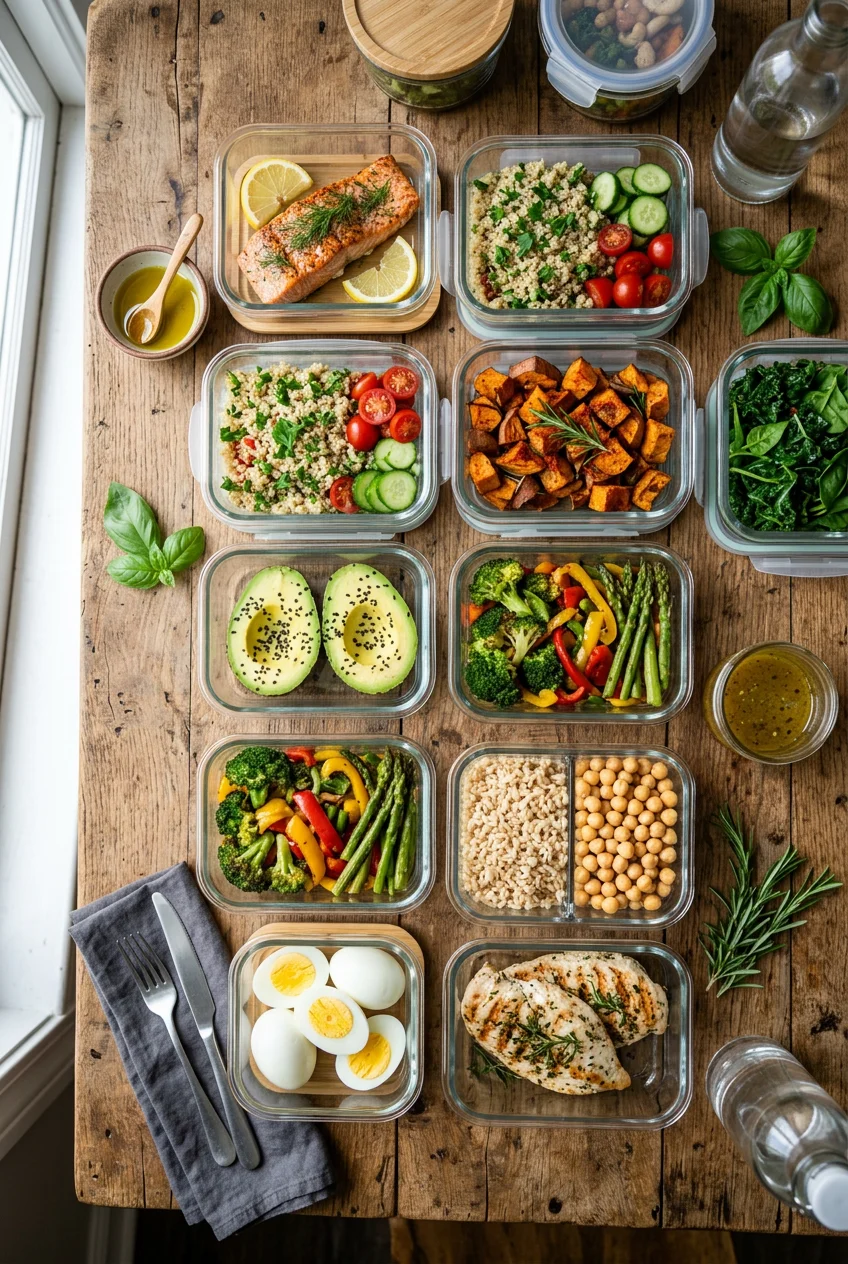
You can’t execute a proper weight gain strategy if you’re guessing your portion sizes every morning. Investing in durable, portion-controlled meal prep containers is mandatory. I use the Rubbermaid Brilliance glass container set, which typically costs $24.99 for a set of four at Target. I buy these specifically because the glass doesn’t stain when I store tomato-based pasta sauces, and the latches snap shut securely. I used to buy cheap plastic containers from the dollar store. The rubber seals warped in the dishwasher after two weeks, and one afternoon, garlic chicken juice leaked all over the inside of my expensive gym backpack. It’s a mistake I won’t ever repeat. Using uniform containers ensures I hit my calorie and macro targets consistently. The 3.2-cup size is perfectly proportioned for a 600 to 700 calorie meal. When I open my fridge on a Wednesday morning, I don’t have to think. I just grab a stacked container and leave. Maintaining a regular eating schedule is vital for weight gain, and removing the friction of daily cooking and measuring is the only way I stay consistent long-term.
Weight gain meal prep doesn’t have to be a miserable experience of chewing dry, flavorless food until your jaw hurts. By focusing on calorie-dense additions, proper storage containers, and strategic liquid calories, you can hit your surplus easily. I’ve used this exact framework for two years now, and it’s completely eliminated the stress of trying to bulk up. If you found these specific grocery tips helpful, save this article and pin it to your meal prep boards for your next Sunday grocery run.
Frequently Asked Questions
How many calories should I add for weight gain meal prep?
You should aim for a consistent daily surplus of 300 to 500 calories above your maintenance level. This specific range promotes a healthy, sustainable muscle gain of 0.5 to 1 pound per week without excessive fat accumulation.
What are the best foods for high-calorie meal prep?
Focus on nutrient and calorie-dense foods like whole milk, peanut butter, olive oil, quinoa, brown rice, and mixed nuts. These items pack significant calories into small volumes, making it easier to hit your surplus without feeling overly stuffed.
Can I prep weight gain smoothies in advance?
You can prep the dry ingredients like oats and protein powder in freezer bags, but don’t add the liquid until you’re ready to drink it. Leaving oats soaking in milk overnight turns the smoothie into an undrinkable, cement-like texture.
Why is my weight gain meal prep making me feel sick?
You might be eating too quickly or relying too heavily on fatty junk foods. Practice mindful eating, put your fork down between bites, and ensure your fats are paired with complex carbohydrates to aid in proper digestion.
