Last Tuesday at Whole Foods, I found myself staring blankly at a sad $14 pre-made kale salad. I was trying not to cry over a carton of eggs I’d just dropped on the floor. The sticky egg yolk was dripping onto my favorite sneakers. I was exhausted, starving, and completely out of quick dinner ideas. I can’t tell you how many times I’ve ruined my evening by overcomplicating my meals. I used to think meal prep meant trapping myself in my kitchen for six hours every Sunday. I tried doing that for months before figuring out it just leads to extreme burnout. Took me years to figure out. You end up with a fridge full of soggy vegetables no one wants to eat. You don’t need a culinary degree or an entire weekend to feed yourself properly. I’ve ruined enough meals to know exactly what works and what absolutely doesn’t. If you’re tired of spending $25 on lukewarm delivery food because you’re too tired to cook at 7 PM, I’m here to help. I’m going to share nine actual quick dinner ideas that take minimal effort and taste amazing. Let’s fix your weeknight dinner chaos right now.
1. Shred Your Rotisserie Chicken Immediately

One of my absolute favorite quick dinner ideas starts with a simple store-bought rotisserie chicken. I personally swear by the $4.99 ones from Costco. The savory, roasted-herb smell hits you the second you walk past the bakery section. They’re massive, juicy, and cheaper than buying raw chicken breasts. Here’s the biggest mistake most people make. They put the chicken in the fridge whole. I tried this wrong for months before figuring it out. If you wait until it’s cold, the fat solidifies into this weird jelly. Picking the meat off the bones feels like a greasy nightmare. Skip that mess. As soon as you get home, while the chicken is still warm, pull all the meat off. The plastic container snaps open, and the steam fogs up my glasses. You’ll get about 4 to 5 cups of shredded meat. Store it in an airtight glass container. For a super fast meal, I take 3 cups of that diced chicken and toss it with a 14 oz bag of Trader Joe’s shredded cabbage coleslaw mix. Add 1/4 cup of Kewpie mayo. Skip the fat-free stuff; it tastes like wet cardboard. Pour in 1/3 cup of low-sodium soy sauce and 2 tablespoons of toasted sesame seeds. It makes a crunchy, savory, high-protein wrap filling that takes exactly four minutes to throw together. The crunch of the cabbage mixed with the salty soy sauce is incredible. It’s saved me from ordering expensive delivery more times than I can count.
2. Master the Air Fryer for Crispy Proteins

If you aren’t using an air fryer yet, you’re making your weeknights way harder than they need to be. I grabbed a Ninja 4-quart air fryer from Target for $89.99 last year. It completely changed my routine. It cooks food about 20 to 30 percent faster than my standard oven. Plus, it makes things incredibly crispy without deep frying. I used to bake chicken thighs on a baking sheet, and they always came out sitting in a puddle of grey liquid. Gross. Now, I toss 1 lb of boneless skinless chicken thighs with 1 tablespoon of olive oil, 1 teaspoon of kosher salt, 1/2 teaspoon of garlic powder, and 1/2 teaspoon of smoked paprika. I throw them in the air fryer basket at 380 degrees for 16 to 18 minutes. You have to flip them halfway through. They come out with these amazing crispy edges and stay super juicy inside. The sizzling sound it makes when you pull the basket out is pure magic. While the chicken rests on a cutting board, I toss 2 cups of chopped broccoli florets in the same basket at 375 degrees for 10 to 12 minutes. Shake the basket a few times so they cook evenly. The broccoli gets those dark, charred, crispy little ends that taste amazing. Honestly, this method is so fast I can usually empty the dishwasher while dinner cooks. Just don’t crowd the basket. I did that once with two pounds of wings, and they just steamed into a sad, rubbery pile. Give your food space to breathe.
3. Rely on Greek Sheet Pan Dinners for Zero Cleanup

I absolutely despise washing dishes. Standing at the sink scrubbing pots at 8 PM is my personal hell. That’s why sheet pan meals are a staple for my quick dinner ideas. You throw everything on one pan, roast it, and you’re done. My go-to is a Greek chicken sheet pan dinner. I buy 2 lbs of bite-sized chicken breast chunks from Sprouts (usually around $6.99 a pound) and 2 lbs of small baby yellow potatoes. Cut the potatoes in half so they cook faster. Chop up half of a large red onion into thick chunks. Toss everything right on a metal baking sheet with 2 tablespoons of olive oil, 3 cloves of sliced fresh garlic, 1 tablespoon of dried oregano, a heavy pinch of salt, and lots of black pepper. Squeeze half a lemon over the top and throw the actual lemon wedges right onto the pan. Roast it at 425 degrees until the chicken is cooked through and the potatoes are fork-tender. The lemon wedges get blistered and jammy in the oven. The bright yellow lemons look beautiful against the charred red onions. The chicken juices soak right into the potatoes. The smell of the roasting garlic and oregano will make your whole kitchen smell incredible. Pro tip: Line the pan with heavy-duty Reynolds Wrap aluminum foil (the $5.49 roll from Walmart). When dinner is over, you just crumple up the foil and throw it away. The pan underneath is completely spotless. You might also like: 15 Cozy Freezer Meals Ideas to Transform Your Space

VERONES 10 Pack 22 OZ Glass Meal Prep Containers
A dependable everyday pick — VERONES 10 Pack 22 OZ Glass Meal Prep Containers pulls in 18 ratings at 4.5 stars. Not flashy, just solid.
4. Keep Quick-Cooking Grains on Standby

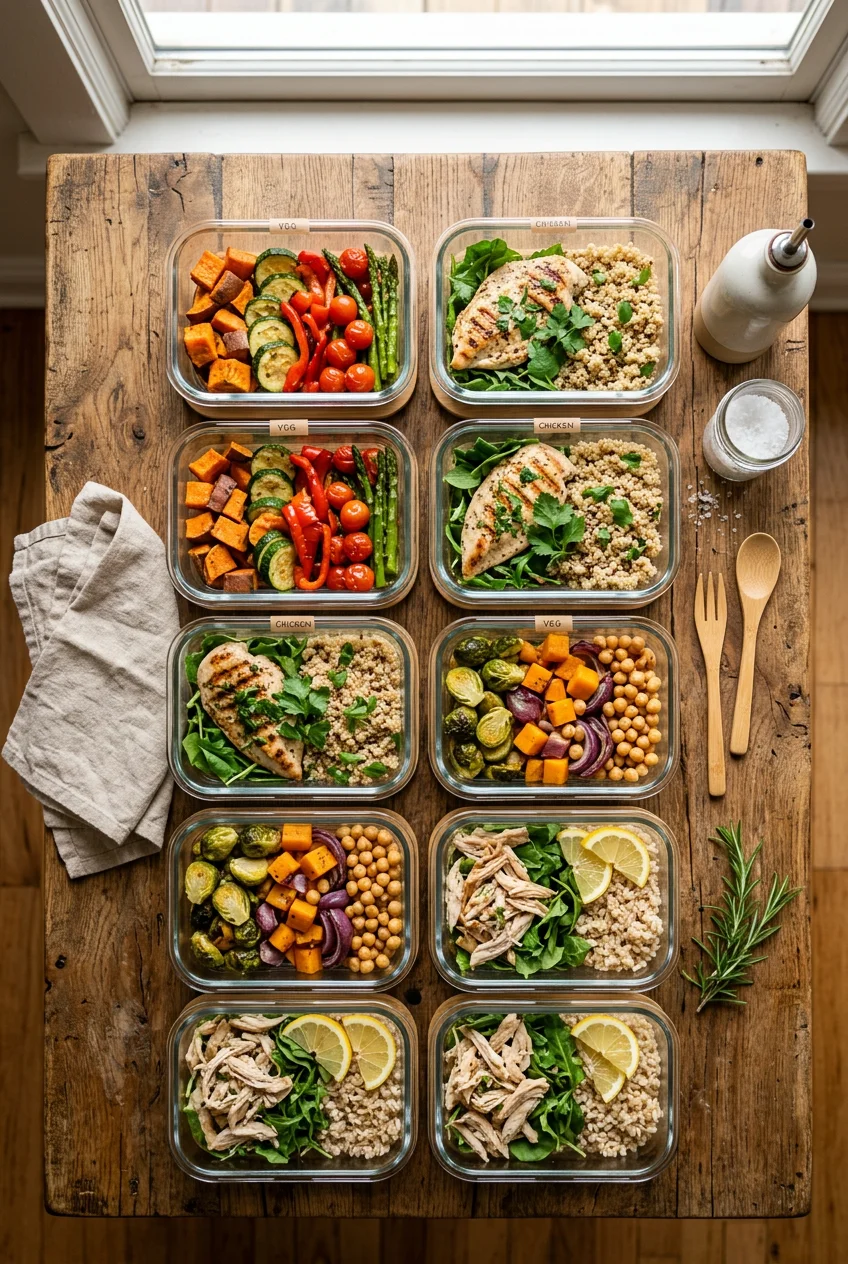
Brown rice takes 45 minutes to cook. When you’re starving after a long commute, 45 minutes feels like an eternity. I used to stand by the stove watching the pot boil, getting crankier by the minute. Now, I exclusively stock up on quick-cooking grains. Quinoa and bulgur are my absolute favorites because they cook in just 10 to 15 minutes. I buy the big 4 lb bag of organic quinoa from Kroger for about $11.99. Every Sunday, I cook a massive batch. I use 2 cups of dry quinoa and 4 cups of water or chicken broth. Bring it to a boil, cover it, turn the heat down to low, and let it simmer for 15 minutes. The water bubbles aggressively before settling into a gentle simmer. It fluffs up beautifully. The steam rising off the fresh quinoa smells so earthy and nutty. I let it cool completely on the counter before scooping it into a glass container for the fridge. If you put it away hot, condensation builds up. It turns the grains into a soggy, clumped mess. I’ve ruined entire batches doing that. Having cold, cooked quinoa ready to go means I can throw together a grain bowl in three minutes. I just scoop out 1 cup of quinoa, top it with some leftover protein, a handful of spinach, and whatever dressing I have in the fridge. It’s hearty, filling, and requires zero actual cooking on a busy Tuesday night. You might also like: 15 Stunning Aesthetic Batch Cooking You Need to See
5. Swap to Lentil Pasta for Instant Protein

Sometimes you just want a giant bowl of pasta for dinner. I totally get it. But regular white pasta usually leaves me feeling sluggish and hungry again an hour later. That’s why I switched to lentil pasta. It’s packed with fiber and protein, making it way more satisfying. I buy the Barilla Red Lentil Penne from Target. It’s $3.19 for an 8.8 oz box. It has a slightly earthier flavor and a really nice, chewy texture that holds up well to heavy sauces. For a 15-minute meal, I boil the pasta according to the package directions. The steam from the boiling pot warms up the whole kitchen. While that cooks, I grab a skillet and heat up one 30 oz jar of Rao’s Homemade Marinara Sauce. It’s pricey at $7.99, but honestly worth every single penny. To make it even heartier, I open a 19 oz can of brown lentils, rinse them well, and dump them straight into the bubbling tomato sauce. The sauce gets thick, rich, and incredibly filling. When the pasta is done, drain it and toss it right into the skillet with the sauce. The whole process takes exactly the amount of time it takes to boil water and cook noodles. It’s warm, comforting, and packed with nutrients. Just be careful not to overcook the lentil pasta. If you boil it even one minute too long, it turns into a crumbly, mushy paste. Set a strict timer. You might also like: 15 Cozy Easy Dinner Ideas for Every Budget
6. Pre-Chop Your Vegetables on Sunday Afternoon

Washing and chopping produce on a weeknight is the number one reason I end up ordering pizza. It just feels like too much work when I’m tired. To fix this, I dedicate exactly 30 minutes on Sunday afternoon to chopping vegetables. I wash and slice three bell peppers, dice two yellow onions (yes, my eyes water and sting the entire time), and chop a whole head of broccoli. I store everything in my Anchor Hocking glass containers. I got a 24-piece set on Amazon for $39.99. I keep the chopped veggies right on the top shelf of my refrigerator. This is crucial. If I put them in the crisper drawers, I completely forget they exist until they turn into fuzzy liquid a week later. Out of sight, out of mind. The cold glass containers stack perfectly, making my fridge look like a professional kitchen. Seeing those bright red peppers and crisp green broccoli florets right at eye level reminds me to use them. When it’s time for dinner, I just grab handfuls of whatever I need. I can toss them into a hot skillet with some olive oil for a fast stir-fry, fold them into eggs for an omelet, or spread them on a baking sheet. The crisp snap of a fresh bell pepper is so much better than dealing with slimy, forgotten produce. This one small habit saves me at least twenty minutes of prep time every single evening.

8 Pack 36oz Large Glass Meal Prep Containers with lids
8 Pack 36oz Large Glass Meal Prep Containers with lids has been one of the most consistently praised picks in this category. 859 reviewers averaged 4.5/5.
7. Make a Batch of Spicy Peanut Sauce

A good sauce can hide a multitude of sins. If you have plain chicken and boring rice, a killer sauce fixes everything. Store-bought sauces are fine, but they’re usually packed with excess sugar and cost $6 a bottle. I prefer making a batch of spicy Thai-inspired peanut sauce on the weekend. It takes five minutes and tastes incredible. In a small bowl, I whisk together 1/4 cup of natural creamy peanut butter (the kind that separates), 1 tablespoon of San-J tamari, 1 tablespoon of fresh lime juice, 1 teaspoon of rice vinegar, and 1 teaspoon of pure maple syrup. I grate in one fresh garlic clove and 1/2 teaspoon of fresh ginger. Add 1/2 teaspoon of red chili flakes for heat. The smell of the sharp garlic mixing with the sweet, sticky peanut butter is amazing. The dark soy sauce swirls into the pale peanut butter before turning into a rich caramel color. You have to whisk it vigorously until it turns smooth and creamy. If it’s too thick, just add a splash of warm water. I keep it in a small mason jar in the fridge for up to a week. I drizzle it over cold noodle salads, use it as a dip for air-fried tofu, or pour it over leftover rotisserie chicken. It’s tangy, spicy, and perfectly sweet. I used to use cheap, sugary peanut butter for this, and it was a disaster. It wouldn’t mix right and tasted like peanut-flavored frosting. Stick to the natural stuff.
8. Stop Fearing the Freezer Aisle and Canned Goods

I used to have this weird, snobby attitude about frozen vegetables. I thought if I wasn’t chopping fresh produce from a farmer’s market, I was failing at healthy eating. That’s complete nonsense. Dietitians constantly remind us that frozen and canned goods are picked at peak freshness and flash-frozen. They’re packed with nutrients and save so much time. I’d rather eat frozen broccoli than order greasy takeout again. I always keep a few bags of Birds Eye frozen stir-fry vegetable mixes in my freezer. They cost about $2.50 each at Walmart. When I have zero energy, I dump a bag of frozen veggies straight into a hot skillet with some sesame oil. The icy vegetables sizzle loudly as they hit the hot pan. Within five minutes, they are tender and brightly colored. I also keep a massive stack of canned black beans in my pantry. The Kroger brand is usually around 89 cents a can. The metallic pop of the can opening is the sound of a truly effortless dinner. You just pop the lid, rinse them under cold water, and throw them into tacos, soups, or salads. They add instant fiber and protein without any soaking or boiling. Don’t let perfectionism ruin your dinner plans. Relying on convenient, pre-cut frozen veggies and canned beans is a brilliant strategy for quick dinner ideas. I’ve stopped feeling guilty about it, and my weeknights are so much less stressful now.
9. Only Cook Meals That Actually Reheat Well

Here’s a harsh truth about meal prep: not all food deserves to be eaten three days later. A massive mistake I see constantly (and one I made for years) is prepping meals that turn disgusting in the microwave. Reheating a dry, unseasoned chicken breast is a miserable experience. It gets a weird, rubbery texture and tastes like a dog toy. I learned from dietitian Samantha Nimmons that overcommitting to huge batches of delicate foods just leads to food waste. Now, I only prep dishes that actually taste better the next day. Think heavy casseroles, rich tomato stews, and roasted root vegetables. If I’m cooking meat to reheat later, I strictly use chicken thighs instead of breasts. The higher fat content in the thighs means they stay juicy and tender even after two minutes in the office microwave. I also love making big batches of baked ziti or enchilada casseroles. The cheese gets bubbly and brown in the oven, and the sauce soaks into the ingredients overnight. The bubbling cheese pulls perfectly when you scoop a hot portion onto your plate. When you heat up a serving on Wednesday night, it’s warm, comforting, and perfectly textured. Stop forcing yourself to eat sad, soggy salads and dry chicken. Plan your quick dinner ideas around recipes that are designed to survive the fridge. Your tastebuds will thank you.
You don’t have to suffer through exhausting cooking sessions every single night. By leaning on shortcuts like rotisserie chicken, frozen vegetables, and quick-cooking grains, you can reclaim your evenings. I’ve ruined enough dinners and wasted enough money on takeout to know that keeping things simple is the only way I survive the week. Try implementing just one or two of these quick dinner ideas this week. Don’t overcommit and try to do all nine at once. Start small, figure out what flavors you actually enjoy, and build from there. I promise, once you get the hang of using your air fryer and prepping your veggies in advance, cooking at home won’t feel like a chore anymore. If you found these tips helpful, please save this post or pin it to your favorite recipe board on Pinterest. I’m always sharing more realistic meal prep hacks, so stick around. Let’s make dinner easy again.

Mueller Vegetable Chopper Mandoline Slicer
Mueller Vegetable Chopper Mandoline Slicer has been one of the most consistently praised picks in this category. 264 reviewers averaged 4.5/5.
2 thoughts on “9 Quick Dinner Ideas You Need to See”