What’s Inside
- Invest In Heavy Glass For Power Bowls Meal Prep Safety
- Batch Cook Quinoa And Farro With Exact Ratios
- Prioritize Lean Protein Prep For Your Power Bowls
- Roast A Variety Of Hearty Vegetables High And Fast
- Keep Dressings Separate To Prevent Sogginess
- Embrace Fibermaxxing With Black Beans And Greens
- Adhere To Strict Food Safety Cooling Guidelines
- Prevent Soggy Greens With Strategic Ingredient Layering
- Utilize Freezing For Extended Power Bowls Meal Prep Shelf Life
- Maximize Flavor With Trending 2026 Toppings And Formulas
Last Tuesday at Whole Foods, I dropped a flimsy plastic container of quinoa and black beans right in the checkout lane. It shattered across the floor. Beans rolled under the candy display. The cashier stared at me in silence. I realized my power bowls meal prep strategy was completely broken, and it wasn’t just because of the cheap plastic. I spent months making sad, soggy bowls that tasted like wet cardboard by Wednesday. If you’re struggling with power bowls meal prep, I’ve got the actual math and science to fix it. I used to pack hot rice next to fresh spinach, creating a disgusting, humid terrarium in my lunchbox. I’d open it at my desk and the smell of sulfur and wilted greens would make me lose my appetite entirely. I threw away so much expensive produce before I learned how to layer ingredients properly. Let’s overhaul your fridge right now.
Invest In Heavy Glass For Power Bowls Meal Prep Safety

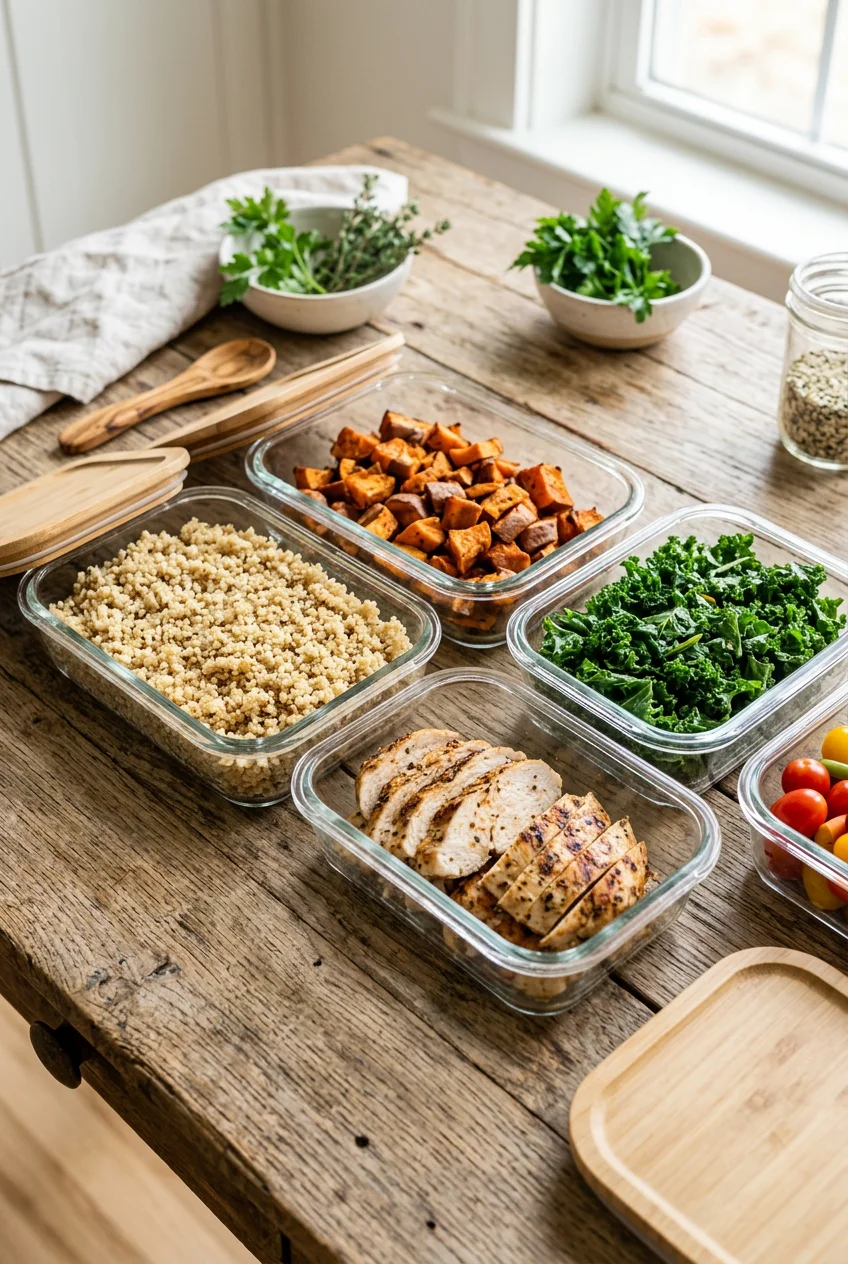
I bought the Glasslock 24-Piece Glass Food Storage Containers for $45.99 at Target back in October after my plastic ones permanently smelled like roasted garlic. The tradeoff is they’re incredibly heavy. Carrying three of them in my canvas tote bag feels like hauling bricks on my morning commute. But the thick glass means I don’t get tomato stains, and they hold exactly 3.5 cups of food. I also tried the OXO Smart Seal Glass Container Sets. The OXO lids are slightly easier to snap shut with one hand, which matters when I’m holding a hot pan. Plastic containers warp in the microwave and leach terrible odors. Skip the cheap plastic stuff. It tastes like wet cardboard eventually. Glass is microwave, oven, freezer, and dishwasher safe. You need containers that seal tight enough to keep air out so your spinach doesn’t wilt by Tuesday. I stack four of these Glasslock containers on my bottom fridge shelf. They fit perfectly and keep my fridge organized. I’ve used these specific containers for two years now, and the silicone seals haven’t degraded at all. The Glasslock containers measure exactly 6.5 by 4.5 inches. They stack with this satisfying, heavy clink. You won’t regret spending the extra forty dollars on heavy glass. Trust me on this.
Batch Cook Quinoa And Farro With Exact Ratios

Most people get this wrong. They eyeball the water for grains, and end up with a mushy paste at the bottom of their container. I did this for a year. Now, I buy a 5 lb bag of organic white quinoa at Costco for $15.99. It lasts me two months. The exact ratio you need is 1 cup of dry quinoa to 2 cups of water or chicken broth. Bring it to a rolling boil, drop the heat to low, cover it, and leave it alone for exactly 15 minutes. Fluff it with a fork. It yields about 3 cups of cooked quinoa. I skipped rinsing it once last February, and my entire batch of meals tasted incredibly bitter. I had to throw away five days of food. Cooked grains stay completely safe in the refrigerator for 3 to 5 days. I prep my grains on Sunday afternoon. By Thursday, they’re still perfectly textured. Farro is another solid option. It has a chewy, nutty texture that holds up better than brown rice under heavy sauces. I usually cook 1.5 cups of dry farro with 3 cups of vegetable stock. The key is spreading the cooked grains out on a large metal baking sheet to cool completely before packing them. If you pack them hot, the steam creates condensation, and you get soggy grains.
Prioritize Lean Protein Prep For Your Power Bowls

You need a massive amount of protein to actually stay full. I usually buy 2 lbs of boneless, skinless chicken breast from Kroger. It costs around $11.49 depending on the week. I slice the chicken into thin cutlets so it cooks evenly. I season it heavily with 1 tablespoon of smoked paprika, 1 teaspoon of garlic powder, 1 teaspoon of onion powder, and 1/2 teaspoon of kosher salt. I roast it on a foil-lined baking sheet at 400 degrees Fahrenheit for exactly 22 minutes. It comes out juicy every time. Let the chicken rest on a cutting board for at least 10 minutes before you slice it. If you cut it while it’s piping hot, all the juices run out onto the board, leaving you with dry, chalky meat by Wednesday. For a plant-based option, I use a 15.5 oz can of Goya chickpeas. They cost about $1.39. I drain them, rinse them, and pat them completely dry with a paper towel. This is crucial. If they’re wet, they steam instead of roasting. I toss them with 1 tablespoon of olive oil and roast them at 400 degrees Fahrenheit for 35 minutes until they’re crunchy. Cooked meats like chicken or beef only last 3 to 4 days in the fridge. Chickpeas can stretch to 5 days. I won’t eat chicken on day five. It gets a weird, sour smell.

Bento Box Adult Lunch Box – 4 Pack, 5
A dependable everyday pick — Bento Box Adult Lunch Box – 4 Pack pulls in 24 ratings at 4.5 stars. Not flashy, just solid.
Roast A Variety Of Hearty Vegetables High And Fast

Raw vegetables in a prep container get slimy. I learned that the hard way when I tried packing raw zucchini last summer. It turned into a puddle of green water. Now, I exclusively roast my vegetables. I go to Sprouts and buy 2 large sweet potatoes, a 1 lb bag of Brussels sprouts, and a head of cauliflower. I chop everything into uniform 1-inch pieces. If the pieces aren’t the same size, the small ones burn before the big ones soften. Plus, peeling sweet potatoes takes forever and I don’t have the patience for it on a Sunday. Just scrub them aggressively with a vegetable brush under cold water. I divide the vegetables between two large baking sheets. Don’t crowd the pan. If they touch, they steam. I toss them with 2 tablespoons of extra virgin olive oil, 1 teaspoon of coarse sea salt, and 1/2 teaspoon of black pepper. I roast them at 400 degrees Fahrenheit for 30 minutes. The Brussels sprouts get these dark, crispy edges that taste incredible. Roasted vegetables hold their texture in the fridge for up to 5 days. I usually prep 6 cups of raw vegetables, which cooks down to about 4 cups of roasted vegetables. That gives me almost a full cup of dense, caramelized vegetables for each of my five weekday lunches. You might also like: 10 Dinner Meal Prep for Every Budget
Keep Dressings Separate To Prevent Sogginess

Pouring dressing over your food on Sunday is a guaranteed way to ruin your Wednesday lunch. I used to do this to save time, but the acid in the dressing breaks down the vegetables and turns the grains into a wet sponge. I bought a 4-pack of Sistema Dressing Pots for $7.98 at Walmart. They hold exactly 1.18 ounces of liquid. They have screw-on lids that actually don’t leak. I’ve tossed them loosely in my purse and they hold up perfectly. I make a huge batch of Lemon-Tahini dressing every weekend. My exact recipe is 1/2 cup of plain tahini, 1/4 cup of fresh lemon juice, 1/4 cup of cold water, 1 small minced garlic clove, and 1/2 teaspoon of kosher salt. I specifically use Soom Foods tahini. It costs $9.49 for an 11 oz jar at Whole Foods. The Soom tahini is incredibly smooth and pours like heavy cream. I whisk it vigorously in a glass bowl until it turns creamy and pale. This makes enough for five generous servings. The dressing stays fresh in the fridge for exactly one week. The tahini thickens up when it gets cold, so I usually take the small Sistema pot out of my lunch bag about 30 minutes before I eat. You might also like: 11 Vegan Meal Prep That Actually Work
Embrace Fibermaxxing With Black Beans And Greens

The diet industry talks endlessly about protein, but fiber is what actually stops your stomach from growling at 3 PM. The 2026 nutrition trend is called fibermaxxing, and I’m fully on board. I incorporate massive amounts of fiber into every container. I buy the 15 oz cans of organic black beans from Trader Joe’s for $1.09 each. I add exactly 1/2 cup of rinsed black beans to the base of my bowl. That immediately adds 7 grams of fiber. Then, I pack in the dark leafy greens. I use 2 packed cups of raw chopped kale or baby spinach. Kale is tougher and holds up better for a full five days. If you use spinach, you have to eat those bowls by Wednesday or it gets slimy. I massage my kale with 1 teaspoon of olive oil and a pinch of salt for about two minutes before putting it in the container. It breaks down the tough fibers and makes it way easier to chew. Between the beans, the quinoa, and the kale, you’re hitting close to 15 grams of fiber in a single meal. That keeps me full until dinner. I tried skipping the beans for a month to cut carbs, and I was starving by mid-afternoon. Don’t skip the fiber. You might also like: 10 Postpartum Meal Prep You Need to See
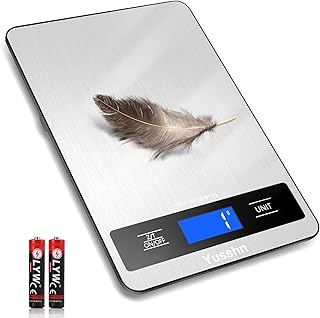
Food Scale, 11lb Kitchen Scale with 0.05oz/1g Precision
Honestly, Food Scale surprised me — sturdier than it looks in the photos, and over 15 buyers gave it 4.5 stars.
Adhere To Strict Food Safety Cooling Guidelines

Nobody wants to talk about food poisoning until they’re stuck in the bathroom on a Tuesday afternoon. I got terribly sick in 2022 from eating five-day-old meal-prepped chicken. I completely changed my cooling protocol after that. According to Alex Zawilski, a registered dietitian at Sharp Chula Vista Medical Center, cooked meats can only be stored for up to three to four days. I stop at four days. Period. If I prep on Sunday, the chicken bowl gets eaten by Thursday. Friday is a vegetarian day. The biggest mistake people make is putting hot food straight into the fridge. It raises the ambient temperature of your refrigerator and breeds bacteria. You need to cool your cooked food quickly. I spread my hot chicken and roasted vegetables out on a cold baking sheet. I leave them on the counter for no more than 45 minutes. They must go into the fridge within two hours of cooking. I also bought a cheap refrigerator thermometer for $6.99 on Amazon. You have to ensure your refrigerator is set at or below 40 degrees Fahrenheit (4 degrees Celsius). Mine runs at 37 degrees. It makes a massive difference in how long the food actually stays fresh.
Prevent Soggy Greens With Strategic Ingredient Layering

You can’t just throw everything into a glass box and hope for the best. The architecture of your meal prep container dictates how it tastes three days later. I tried mixing everything together like a salad for months before figuring it out. The moisture from the chicken and the cooked grains completely destroyed the fresh spinach. You have to build it in distinct layers. I always start with the heaviest, wettest ingredients at the very bottom. I put my 1/2 cup of cooked quinoa down first. Next, I layer the 4 ounces of roasted chicken and the 1 cup of roasted sweet potatoes directly on top of the grains. These items are already cooked, so they don’t mind touching each other. Finally, I pack the 2 cups of fresh greens loosely on the very top. The greens touch the dry lid of the container, keeping them completely away from the moisture below. Any wet ingredients like fresh salsa, hummus, or dressing stay completely separate in their own tiny containers until the exact minute I sit down at my desk to eat. This strict boundary system is the only way arugula survives until Thursday. If you mix it early, you’re eating compost. The visual separation also makes the bowl look incredibly appetizing when you open it.
Utilize Freezing For Extended Power Bowls Meal Prep Shelf Life

Sometimes I prep a massive batch of food and then my office caters lunch twice in one week. Instead of throwing away $20 worth of organic chicken, I freeze the components. Cooked grains and proteins can be frozen safely for up to 3 months. Cooked vegetables technically last 8 to 12 months in the freezer, though they get a bit mushy when thawed. I bought a set of Ziploc Endurables silicone pouches at Target. The medium size costs $15.99 and the large is $24.99. They’re thick, flexible, and completely freezer-safe. I portion out exactly 1/2 cup of cooked quinoa into a pouch, squeeze all the air out, and seal it tight. I do the same with 4-ounce portions of cooked, diced chicken breast. When I need a quick lunch, I pull a pouch of quinoa and a pouch of chicken out of the freezer the night before. I let them thaw in the fridge overnight. The next morning, I dump them into my Glasslock container, add some fresh greens, and I’m out the door. It saves me from starting from scratch on a busy weeknight. Just don’t freeze fresh greens. They turn black and dissolve into water when they thaw. I ruined a whole bag of spinach trying to freeze it for smoothies. Took me years to figure out.

Food Scale -33lb Digital Kitchen Scale for Food Ounces
Honestly, Food Scale -33lb Digital Kitchen Scale for Food Ounces Grams Rechargea surprised me — sturdier than it looks in the photos, and over 78 buyers gave it 4.5 stars.
Maximize Flavor With Trending 2026 Toppings And Formulas

A bowl of plain chicken and brown rice is depressing. You need textural contrast and sharp flavors. I follow a strict math equation for my lunches now. According to NYMag, an ideal bowl consists of 15% lean protein, 25% whole grains, 35% vegetables, 10% sauce and 30% extras. I aim for exactly 4 to 6 ounces of protein, 1/2 cup of whole grains, and 1 to 2 cups of mixed vegetables per serving. But the 30% extras are where the actual flavor lives. I always add 1 to 2 tablespoons of shelled pistachios. Pistachios are a massive trending ingredient in 2026 because they offer decent protein and a loud crunch. I buy a 16 oz bag of Wonderful Pistachios for $9.98. I also heavily rely on Everything Bagel Seasoning. The Trader Joe’s version costs $1.99, while the McCormick one at Kroger is about $4.49. I sprinkle a heavy teaspoon of it over my avocado. I also add a tablespoon of fermented kimchi for a sharp, tangy bite. The acid cuts through the heavy grains perfectly. Just remember to pack the nuts and seeds in a tiny dry baggie so they don’t get soft. Wet pistachios are terrible. No exaggeration. I learned that after dumping them on top of wet quinoa on a Sunday.
I spent years eating soggy, miserable lunches before I figured out these specific ratios and storage rules. Now, my Sunday afternoons actually set me up for a week of meals I want to eat. You don’t have to follow every single rule perfectly on day one. Start by buying decent glass containers and keeping your dressing separate. Those two changes alone will fix half your problems. If you found this breakdown helpful, pin this post to your meal prep boards for next Sunday. I’d love to hear what toppings you’re currently adding to your containers. Let’s make lunch slightly less boring this week.
Frequently Asked Questions
How long do power bowls last in the fridge?
Cooked meats like chicken or beef in your power bowls will safely last 3 to 4 days in the refrigerator. Plant-based proteins like roasted chickpeas can stretch up to 5 days. Always ensure your fridge is set at or below 40 degrees Fahrenheit.
How do you keep greens from getting soggy in meal prep?
You must layer your ingredients strategically. Place heavy, wet ingredients like cooked quinoa and roasted chicken at the very bottom of your glass container. Pack fresh greens loosely on the very top, and always store your dressing in a completely separate small container.
What is the best ratio for cooking quinoa for meal prep?
The ideal ratio for fluffy quinoa is 1 cup of dry quinoa to 2 cups of water or broth. Bring it to a boil, reduce to low heat, cover, and simmer for exactly 15 minutes. Let it cool completely on a baking sheet before packing.
Can I freeze power bowl ingredients?
Yes, cooked grains like quinoa and cooked proteins like diced chicken breast can be frozen safely for up to 3 months in airtight silicone pouches. Do not freeze fresh greens or avocados, as their texture will be completely ruined when thawed.
