What’s Inside
- Prioritize Chicken Thighs Over Breasts for Your Bulking Meal Prep
- Utilize Liquid Calories with Optimum Nutrition Whey
- The Cottage Cheese Trick for Overnight Recovery
- Master Complex Carbohydrates with White and Sweet Potatoes
- Boost Calorie Density with Kirkland Signature Olive Oil
- Batch Cook Brown Rice for Efficient Meal Prep
- Invest in Rubbermaid Brilliance Containers
- Embrace Fermented Foods for Gut Health
- Strategic Meal Frequency for High Calorie Intake
- Don’t Skip Your Vegetables Just Because You Need Calories
- Track Your Macros and Use Peanut Butter for Density
Last October, my kitchen counter was covered in dry, unseasoned chicken breasts and plastic containers that smelled faintly of old broccoli. I was three weeks into my first serious attempt at bulking meal prep, and I was already dreading dinnertime. Chewing through that tough, fat-free poultry felt like a punishment. I tried the classic approach of boiling everything, and I ended up losing weight because the food tasted like wet cardboard. Let’s fix that. If you’re trying to add mass on busy weeknights, you need food that actually tastes good enough to eat in high volumes. I’ve spent the last year refining these eleven strategies to make the process cheaper, tastier, and significantly less miserable.
1. Prioritize Chicken Thighs Over Breasts for Your Bulking Meal Prep

Skip the fat-free stuff. It tastes like wet cardboard. For months, I forced down dry chicken breasts because I thought that was the only way to build muscle. I’d buy the massive family packs at Walmart, bake them until they resembled shoe leather, and gag them down by Wednesday. Learned that the hard way. Then I switched to chicken thighs for my bulking meal prep. A 100g portion of cooked, skinless chicken thigh gives you about 26g of protein and 10.9g of fat. Compare that to the 31g of protein and sad 3.6g of fat in a breast. That extra fat is crucial for hitting your calorie surplus without feeling like you’re eating endless volume. Plus, thighs reheat beautifully. I buy the Perdue Fresh Cuts Boneless Skinless Chicken Thighs. They’re usually $13.98 for a 2.5 lb pack. I toss 3 lbs of them on a hot cast iron pan with salt, pepper, and smoked paprika. I bake them at 400 degrees for 25 minutes. The dark meat stays juicy in the fridge for four days. The breast meat dries out the second it touches a microwave. Save your jaw and your wallet. Buy the thighs.
2. Utilize Liquid Calories with Optimum Nutrition Whey

Eating 3000 calories of solid food every day is exhausting. I learned this the hard way last winter when I tried to get all my protein from meat and eggs. I felt bloated, sluggish, and, frankly, sick of chewing. Liquid calories solve this problem when you’re struggling to hit those numbers. I keep a 2lb tub of Optimum Nutrition Gold Standard 100% Whey in Double Rich Chocolate on my counter. It costs about $33.97 at Target, which breaks down to roughly $1.41 per serving. Each scoop delivers 24g of protein. I don’t just mix it with water, though. That’s a missed opportunity for calories. I blend one scoop with a cup of whole milk and a frozen banana. It goes down in two minutes and doesn’t sit heavy in my stomach. The tub packaging is annoying. The scoop always buries itself at the very bottom during shipping. I usually have to dig around with a butter knife to find it. But the powder dissolves easily without a shaker ball, which means one less dish to wash on a Tuesday night. Aim for 0.8 to 1 gram of protein per pound of body weight daily. Let a shake handle the hardest part of that goal.
3. The Cottage Cheese Trick for Overnight Recovery

Most people get this wrong. They finish their last meal at 6 PM and then fast until morning. They miss a massive window for muscle recovery. I used to do the exact same thing. I’d wake up starving and cranky. Then I discovered the magic of casein protein. Casein digests slowly over six to eight hours. It feeds your muscles a steady stream of amino acids while you sleep. The cheapest, easiest way to get it is full-fat cottage cheese. I buy the Trader Joe’s 4% Milkfat Cottage Cheese. It costs $3.29 for a 16 oz tub. I scoop out exactly 1 cup (226g) right before bed. It gives me about 25g of protein and enough fat to keep me full until my morning alarm. Many hate cottage cheese texture. I get it. The curds can be weird if you’re not used to them. If you can’t stomach it plain, try blending it with a handful of frozen berries or a spoonful of honey. I tried the fat-free version once to save calories, and it was a watery, sour mess. Stick to the full-fat tubs. They taste richer, and the extra calories are exactly what you need right now. You might also like: 15 Brilliant Simple Meal Prep Ideas for a Fresh New Look

Food Scale -33lb Digital Kitchen Scale for Food Ounces
Food Scale -33lb Digital Kitchen Scale for Food Ounces Grams Rechargea has been one of the most consistently praised picks in this category. 78 reviewers averaged 4.5/5.
4. Master Complex Carbohydrates with White and Sweet Potatoes

Rice gets boring fast. If you’re relying solely on brown rice for your carbs, you’ll hit a wall by week three. Potatoes are the unsung heroes of a high-calorie diet. I buy big bags of both white Russet and sweet potatoes at Sprouts. A 5 lb bag of Sprouts Russets runs $4.99. Nutritionally, they’re incredibly similar. A medium white potato (about 130g cooked) gives you 110 calories and 26g of carbs. A medium sweet potato of the same weight gives you 112 calories and the exact same 26g of carbs. The difference is that sweet potatoes pack more Vitamin A. White potatoes rank higher on the satiety index. This means white potatoes make you feel fuller. I like to chop them into cubes, toss them with oil, and roast them in massive batches. The mistake I made early on was crowding the pan. If you put too many potatoes on one baking sheet, they steam instead of roasting. You end up with mushy, sad spuds. Use two pans. Spread them out. They crisp up perfectly and give you a dense, delicious carb source that breaks up the monotony of grains. You might also like: 15 Gorgeous Chicken Breast Dinner Ideas That Make a Real Difference
5. Boost Calorie Density with Kirkland Signature Olive Oil

Adding volume to your meals isn’t always the answer. Sometimes, you just can’t eat another cup of rice. When I need to bump up my macros without feeling like a stuffed turkey, I turn to liquid fats. I keep a massive 2L bottle of Kirkland Signature Organic Extra Virgin Olive Oil in my pantry. I grab it at Costco for about $28.99. This stuff is liquid gold for adding stealth calories. One single tablespoon (14g) adds 120 calories and 14g of healthy fats to any meal. I literally drizzle it right over my cooked chicken and vegetables right before I eat them. It adds moisture to reheated meats and gives a rich flavor to plain veggies. Healthy fats are crucial for hormone production when you’re training heavy. I used to fear fats, thinking they’d ruin my physique. That was a huge mistake. I stalled out on my lifts for two months because I wasn’t eating enough fat to support my recovery. The Costco bottle is heavy and awkward to pour from. I transfer it to an OXO Good Grips dispenser ($16.99). Don’t skip the oil. It’s the easiest 120 calories you’ll eat all day.
6. Batch Cook Brown Rice for Efficient Meal Prep

Standing over the stove every single night to boil rice is a fast track to ordering takeout. You need carbohydrates ready to go the second you walk through the door for your bulking meal prep. I buy the 365 by Whole Foods Market Long Grain Brown Rice. A 32 oz bag costs $3.39. On Sunday afternoons, I measure out 2 cups of dry rice. Once it cooks, that expands into about 6 cups of fluffy rice. That’s enough for my lunches from Monday through Thursday. I used to cook it on the stovetop, but I’d always burn the bottom layer. The pot was a nightmare. I finally bought an Aroma Housewares 6-Cup Rice Cooker for $19.99, and it saved my sanity. You just dump the rice and water in, press one button, and walk away. The texture of brown rice holds up much better in the fridge than white rice. White rice tends to get hard and chalky after two days. I portion the cooked rice directly into my containers while it’s still warm. This traps a little bit of steam inside the box. That steam helps keep the grains soft when I microwave them at the office on Wednesday. You might also like: 11 Meal Prep Lunch Ideas That Actually Work

Rubbermaid Brilliance Tritan Plastic Food Storage
Rubbermaid Brilliance Tritan Plastic Food Storage Containers BPA Free punches above its price — 583 buyers rated it 4.5 stars. I would buy it again.
7. Invest in Rubbermaid Brilliance Containers

Your food is only as good as the box you store it in. I learned this when a cheap, flimsy plastic container popped open in my gym bag. It coated my lifting belt in sticky teriyaki sauce. It was a disaster. I threw out all my mismatched takeout tubs and upgraded to the Rubbermaid Brilliance Food Storage Containers. A 10-piece set usually runs about $34.99 at Kroger. They’re crystal clear, so I can see exactly what’s inside without popping the lid. The best part is the latches. They snap down tight, creating a completely leak-proof seal. You can toss them sideways in your backpack, and they won’t spill a drop. They also have built-in vents under the latches. You can microwave your meals with the lid on to prevent splatters. If you freeze them, the latches become brittle. I snapped one off last winter because I forced it open right out of the freezer. Let them sit on the counter for five minutes before opening. It’s a small tradeoff for a container that actually keeps your hard-earned food fresh and your bags clean.
8. Embrace Fermented Foods for Gut Health

Eating massive quantities of food is hard on your digestive system. A major trend I’m seeing for 2026 is focusing on gut health to actually absorb all the nutrients you’re eating. I ignored my digestion for a long time. I was hitting 3200 calories a day but felt constantly bloated and miserable. My stomach was a mess. I started incorporating fermented foods daily, and the bloating vanished within a week. I keep a jar of Cleveland Kitchen Classic Caraway Kraut in my fridge ($5.99). I add just one tablespoon of this refrigerated sauerkraut to my lunch containers. It adds a nice, tangy crunch to my rice and meat. For breakfast, I eat 1/2 cup of Fage Total 5% Plain Greek Yogurt ($7.49 for a 32 oz tub). The probiotics in these foods act like little helpers in your gut. They break down the heavy meals and aid nutrient absorption. Buy refrigerated sauerkraut, not the canned stuff. The canning process kills all the beneficial bacteria, making it useless for your gut. It takes two seconds to add a scoop of kraut, and your stomach will thank you.
9. Strategic Meal Frequency for High Calorie Intake

You don’t need to eat six meals a day out of Tupperware like a 1990s bodybuilder. That rule is outdated and, frankly, exhausting. But you also can’t cram 3000 calories into two massive sittings without feeling sick. I prefer aiming for four solid meals and one heavy snack. This helps me hit my targets without feeling overly full. I distribute my protein evenly. I aim for 30 to 40g of protein every three to five hours. This spacing optimizes muscle protein synthesis, keeping your body in a constant state of growth. Last Tuesday, I got stuck in meetings and missed my afternoon meal. By dinner, I had to eat 1400 calories in one sitting to hit my daily goal. I felt so sluggish I couldn’t even walk the dog. Now, I set an alarm on my phone for 3 PM. Even if I’m busy, I’ll choke down a protein shake and a handful of almonds. It takes sixty seconds and keeps me on track. Find a frequency that fits your workday. If you’re forcing down food when you’re already stuffed, you’re going to quit the process entirely.
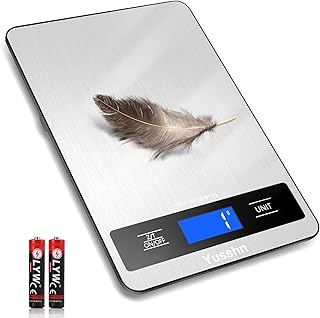
Food Scale, 11lb Kitchen Scale with 0.05oz/1g Precision
If you want something that just works, Food Scale is a safe bet (15 reviews, 4.5 stars).
10. Don’t Skip Your Vegetables Just Because You Need Calories

When you’re laser-focused on hitting high macro numbers, vegetables feel like a waste of stomach space. They have almost zero calories, so why bother? I used to skip them entirely. After a month of eating nothing but meat, rice, and oats, my energy levels tanked. I felt lethargic and my skin looked terrible. You need the micronutrients and fiber from vegetables to process all the heavy food you’re consuming. I aim for at least 1 to 2 cups of mixed vegetables per main meal. To save time, I buy the Good & Gather Steam-in-Bag Frozen Mixed Vegetables from Target ($1.29 per bag). I don’t even bother roasting them on weeknights. I just toss the bag in the microwave for five minutes. Are they as delicious as fresh asparagus? No. But they get the job done when it’s 7 PM and I’m exhausted. I dump the steamed veggies directly into my meal prep containers and drown them in a little soy sauce or olive oil. Don’t fall into the trap of the bro diet where a single floret of broccoli counts as your daily greens. Your body needs fiber to keep things moving.
11. Track Your Macros and Use Peanut Butter for Density

You can’t manage what you don’t measure. I highly recommend calculating your Total Daily Energy Expenditure (TDEE) and adding a 250 to 500 calorie surplus. I use the free version of MyFitnessPal to track my intake. A solid starting breakdown is 50 percent carbs, 25 percent protein, and 25 percent fats. I tracked meticulously for three weeks until I could eyeball my portions accurately. One of the best hacks I found during this tracking phase was peanut butter. A single tablespoon of Jif Natural Creamy Peanut Butter ($3.89 for a 16 oz jar) contains about 95 calories, 8g of fat, and 3.5g of protein. When I check my app at 8 PM and realize I’m 300 calories short of my goal, I don’t cook another chicken breast. I stir three tablespoons of peanut butter into a bowl of warm oatmeal. It melts beautifully and tastes like a dessert. The natural peanut butter requires intense stirring. This is incredibly annoying and usually results in oil spilling on my counter. But the ingredients are better than the sugary alternatives. Avoid the dirty bulk trap of eating junk food to hit your numbers. Stick to dense, real foods.
Adding mass doesn’t mean choking down dry chicken. I’ve ruined enough pans of rice and choked down enough chalky protein to know that the details matter. Buy the chicken thighs. Invest in the good containers. Don’t fear the olive oil. If you build a system that tastes good and fits your schedule, the results will follow. I’m still using these exact strategies every week, and they’ve completely changed how I handle my nutrition. Pin this article for your next grocery run, and let’s get those numbers up without losing our minds in the kitchen.
Frequently Asked Questions
How long does bulking meal prep last in the fridge?
Most cooked proteins and grains last three to four days in airtight containers. I rely on Rubbermaid Brilliance containers to keep moisture locked in. If you prep on Sunday, your meals will stay fresh through Thursday lunch.
Can I do a dirty bulk to save time on meal prep?
I don’t recommend it. Eating fast food to hit your calorie surplus leads to excessive fat gain and leaves you feeling sluggish. Stick to dense, whole foods like chicken thighs, peanut butter, and olive oil to hit your numbers cleanly.
Do I really need to track macros for bulking?
Yes, at least initially. You can’t manage what you don’t measure. I use MyFitnessPal to ensure I’m hitting a 250 to 500 calorie surplus. Once you learn what 3000 calories actually looks like, you can start eyeballing portions.
What’s the cheapest protein source for building muscle?
Chicken thighs and full-fat cottage cheese are incredibly cost-effective. A 2.5 lb pack of thighs costs around $14, and a tub of cottage cheese is under $4. Lentils are also a fantastic budget option at just $0.40 per serving.