What’s Inside
- Shop Your Pantry First to Prevent Waste
- Strategic Shopping for Affordable Meal Prep: Bulk Buys and In-Season Produce
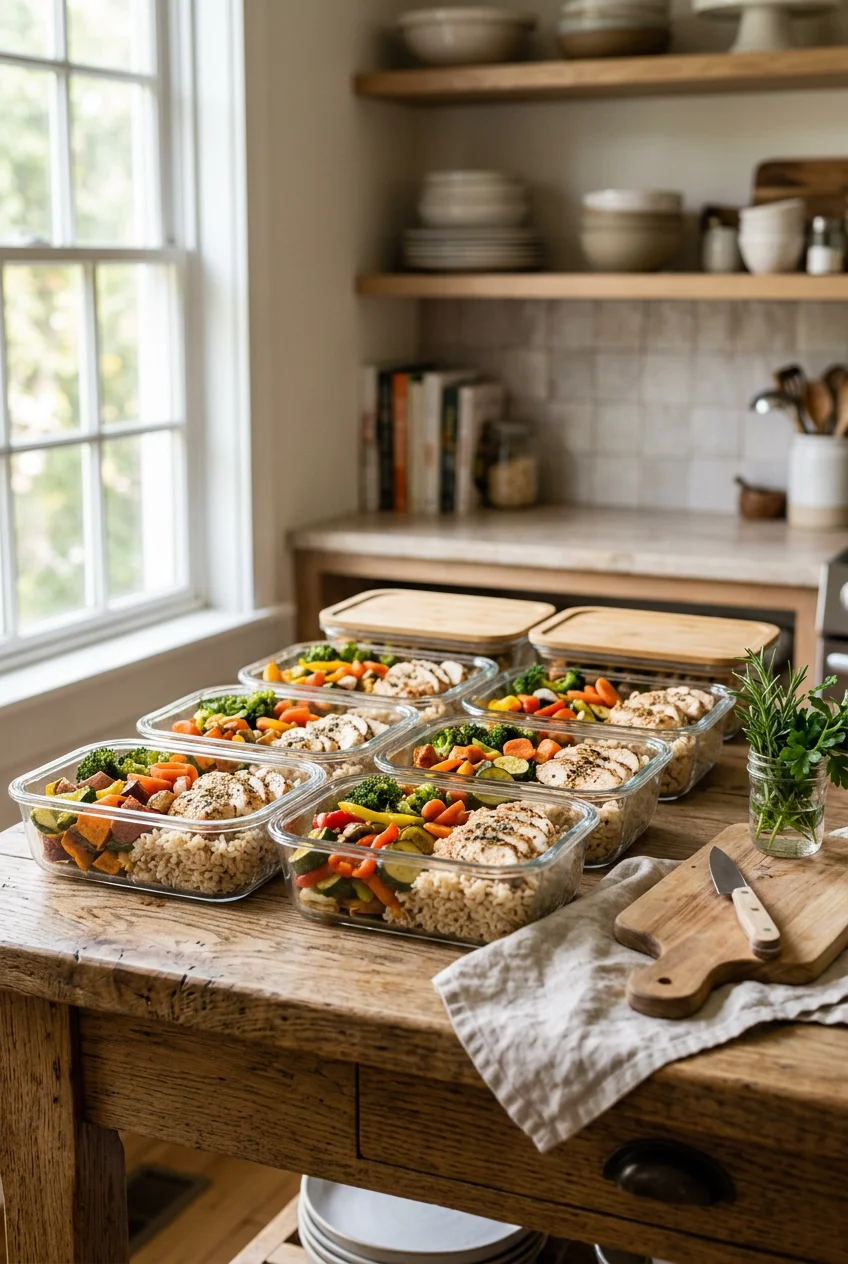
- Embrace Batch Cooking Components, Not Just Full Meals
- Make Lentils and Beans Your Go-To Protein Powerhouses
- Invest in Quality, Versatile Storage Containers
- Master Homemade Spice Blends and Sauces
- Leverage Sous Vide and Slow Cookers for Cheap Cuts of Meat
- Cool Foods Properly and Label Everything to Avoid Mystery Meals
Mastering affordable meal prep didn’t happen overnight. My first attempt ended with me staring at a $14 container of slimy spinach from Whole Foods last October. I tossed it straight into the trash. It smelled like a damp basement and the texture was absolute mush. I realized I was dropping over $150 a week on groceries just for myself, and half of it was rotting in the crisper drawer by Thursday. That failure forced me to get extremely analytical about my spending and storage.
I tracked every dollar for three months. I tested glass containers, experimented with freezing cooked rice, and ruined plenty of chicken breasts. I tried the “cook five identical meals on Sunday” routine for months before figuring out it just leads to flavor fatigue and wasted food by Wednesday. Skip the rigid plans. They look pretty on Instagram, but they aren’t practical for a normal, unpredictable schedule.
I found a system that actually works. If you’re tired of tossing limp carrots and spending your entire Sunday chopping vegetables, this breakdown is for you. I’m sharing the exact methods I use to keep my grocery budget under control without eating plain rice and dry chicken every night. Let’s look at the specific strategies, exact products, and hard lessons I’ve learned about stretching a grocery budget. I won’t sugarcoat my mistakes, because avoiding those is where the real savings happen. It took me years to figure this out, no exaggeration.
1. Shop Your Pantry First to Prevent Waste

Before you set foot in Trader Joe’s, you need to know exactly what’s sitting in the back of your cabinets. I used to skip this step. Last month at Kroger, I bought a $5.49 jar of ground cumin because I was convinced I was out. I came home and found three half-empty jars hiding behind a box of stale crackers. It’s a small mistake, but those five-dollar purchases add up fast and wreck your budget.
Now, I conduct a strict inventory every Saturday morning. I pull everything out. I check expiration dates. I plan my meals around the 1/2 cup of quinoa or the random 14 oz can of diced tomatoes I already own. This simple habit cuts my weekly bill by at least $20. You’re basically forcing yourself to use older items before they spoil. I’ve found that building a meal around a forgotten pantry staple forces me to be creative. Last week, a dusty bag of farro turned into a massive grain salad that fed me for three days.
Don’t trust your memory in the aisle. Keep a running list on your phone of what you actually have. Most people get this wrong by writing a meal plan first and then buying ingredients to match it. You need to do the opposite. Look at your pantry, see the 2 cups of brown rice and the can of black beans, and build your prep around those items. It’s the only way to genuinely stop wasting food.
2. Strategic Shopping for Affordable Meal Prep: Bulk Buys and In-Season Produce

You can’t successfully manage affordable meal prep if you buy everything at a premium. I buy my proteins and heavy pantry staples in bulk because the math makes sense. At Costco, I buy large packs of boneless, skinless chicken breast. It usually runs about $2.75 per pound. I buy 6 pounds at a time, portion it into 1-pound freezer bags, and store it. When I bought single pounds at my local boutique grocer, I was paying closer to $6.99 a pound. The savings are massive.
For fresh produce, I strictly shop in-season. I go to Sprouts for my vegetables because their seasonal sales are aggressive. If bell peppers are $2.99 each in December, I don’t eat bell peppers in December. I pivot to roasted root vegetables like carrots and sweet potatoes, which usually cost around $0.99 a pound during the winter. Forcing off-season produce into your diet is the fastest way to drain your wallet.
A major mistake I made early on was buying bulk fresh produce. I once bought a 5-pound bag of fresh spinach at Costco for $4.99 thinking I’d eat salads every day. By day four, it was a foul-smelling swamp in my fridge. Only buy dry goods, frozen items, or meat you plan to freeze immediately in bulk. Fresh delicate greens must be bought in realistic, small quantities. Stick to heavy, durable produce like cabbage or squash if you’re trying to stretch your dollar. You might also like: 11 Vegan Meal Prep That Actually Work
3. Embrace Batch Cooking Components, Not Just Full Meals

I’m firmly against prepping five identical, fully assembled meals in plastic trays. I tried this for a year. By Thursday, the roasted broccoli would be mushy, the chicken would taste like a wet sponge, and I’d end up ordering a $25 pizza out of frustration. It defeated the purpose of saving money. You might also like: 8 Vegetarian Meal Prep for Every Budget
Instead, I batch cook versatile components. On Sunday, I make a massive batch of a complex carbohydrate. Usually, I boil 2 cups of dry brown rice or roast 3 pounds of cubed sweet potatoes tossed in 2 tablespoons of olive oil. Then, I prepare a large protein source, like 2 pounds of shredded chicken or a large pot of black beans. I store all these in separate, large glass containers. You might also like: 15 Brilliant Good Meal Prep Ideas That Changed Everything
When Tuesday night rolls around, I just mix and match. I’ll take 1/2 cup of the rice, 4 oz of the chicken, and throw in a handful of fresh spinach with a quick dressing. On Wednesday, I’ll put that same chicken in a tortilla with cheese. Storing components separately prevents the textures from degrading. The rice doesn’t get soggy from the chicken juices, and the vegetables stay crisp. This modular approach combats meal fatigue and ensures I actually eat the food I paid for. It’s a much more sustainable way to handle a busy week.

Vtopmart 5Pack 22oz Glass Storage Containers with Lids
Vtopmart 5Pack 22oz Glass Storage Containers with Lids punches above its price — 34 buyers rated it 4.5 stars. I would buy it again.
4. Make Lentils and Beans Your Go-To Protein Powerhouses

If your grocery budget is tight, relying solely on meat will drain your account. I learned to lean heavily on legumes. At Walmart, a 16 oz bag of dried black beans costs about $1.48. That single bag yields about 6 cups of cooked beans. It’s an incredibly cost-effective protein source that fills you up and provides serious fiber.
I used to hate lentils because I cooked them wrong. I’d boil them until they turned into a chalky, gray paste that tasted like dirt. The trick is to simmer them gently in vegetable broth instead of water, and add an acid like 1 tablespoon of lemon juice or apple cider vinegar right at the end. I make a recipe called Creamy Marry Me Lentils using 1 cup of dried brown lentils, sun-dried tomatoes, and a splash of heavy cream. It costs maybe $3 for the entire pot, and it tastes incredibly rich.
Don’t buy canned beans if you have time to prep dried ones. Canned beans are convenient, but they cost about four times as much per serving. I soak 2 cups of dried pinto beans overnight in water. The next day, I simmer them with half an onion and a bay leaf for about 90 minutes. The smell of earthy, simmering beans fills the kitchen, and the texture is vastly superior to the mushy canned versions. They hold their shape perfectly in salads and stews.
5. Invest in Quality, Versatile Storage Containers

You can’t prep all the affordable food in the world, but if you store it in flimsy plastic, it will spoil. I learned this the hard way. I bought a stack of cheap tubs from a dollar store. After one run in the microwave, the plastic warped, the lids wouldn’t snap shut, and my tomato sauce stained them a greasy orange. Worse, they leaked dressing all over my work bag.
I highly recommend upgrading to glass. I bought a 10-pack of Prep Naturals glass meal prep containers on Amazon for $39.99—roughly $3.99 per container. I’ve used them for two years now. The glass doesn’t hold onto garlic smells, it won’t warp in the dishwasher, and the locking lids create an airtight seal. When I snap the four tabs down, I know my food isn’t drying out.
For snacks and half-cut vegetables, I use Stasher silicone bags. I bought a sandwich-sized Stasher bag at Target for $12.99. It’s thick, durable, and perfect for holding half an onion or a block of cheddar cheese without wasting plastic wrap. Yes, the upfront cost of glass and silicone is higher, but you only buy them once. Proper storage extends the life of your fresh produce by days, which directly translates to money saved.
6. Master Homemade Spice Blends and Sauces

Stop buying pre-made seasoning packets and bottled salad dressings. They are heavily marked up and packed with excess sodium and cheap oils. I used to buy a $4.99 bottle of fat-free Italian dressing every week. Skip the fat-free stuff. It tastes like wet cardboard. Making your own dressings at home is cheaper and tastes much brighter.
I make a basic vinaigrette every Sunday. I mix 1/2 cup of extra virgin olive oil, 1/4 cup of apple cider vinegar, 1 teaspoon of Dijon mustard, and a pinch of salt in a small glass jar. I shake it until it emulsifies. It takes two minutes, costs pennies per serving, and lasts all week. The mustard acts as a binder so the oil and vinegar don’t separate.
The same logic applies to spice blends. A single packet of Old El Paso taco seasoning costs around $1.25 for one ounce. I make my own bulk taco seasoning by mixing 1/4 cup of chili powder, 2 tablespoons of cumin, 1 tablespoon of garlic powder, and 1 teaspoon of oregano. I store it in an old jam jar. When I need it, I just scoop out 2 tablespoons. I know exactly what’s in it, and it costs a fraction of the store-bought packets. Controlling your flavor profiles is a massive part of successful meal prep.
![C CREST [10 Pack] Glass Meal Prep Containers](https://m.media-amazon.com/images/I/81HfSfzlqUL._AC_UL320_.jpg)
C CREST [10 Pack] Glass Meal Prep Containers
C CREST [10 Pack] Glass Meal Prep Containers punches above its price — 349 buyers rated it 4.5 stars. I would buy it again.
7. Leverage Sous Vide and Slow Cookers for Cheap Cuts of Meat

Meat is usually the most expensive line item on a grocery receipt. To keep costs down, you have to buy the cheaper, tougher cuts. But if you just throw a cheap chuck roast into a hot skillet, you’ll end up chewing on something that resembles a leather shoe. You need the right cooking methods to break down the connective tissue.
I use an Anova sous vide immersion circulator. I bought it for $129 three years ago, and it paid for itself in a month. I take 1.5 lbs of cheap, bulk chicken breast, season it, seal it in a bag, and cook it at 140 degrees Fahrenheit for 2 hours. The result is the juiciest, most tender chicken I’ve ever eaten. It eliminates the dry, chalky texture that ruins most meal-prepped poultry. You literally can’t overcook it. Trust me on this.
If you don’t want to buy a sous vide, a standard slow cooker works wonders for beef and pork. I buy a 3-pound pork shoulder—usually around $2.49 a pound—and slow cook it on low for 8 hours with 1/2 cup of chicken broth and a chopped onion. By the time I get home from work, the meat shreds effortlessly with a fork. I use that pork for tacos, grain bowls, and sandwiches all week. Slow, low-temperature cooking is the ultimate secret to making budget-friendly meats taste expensive.
8. Cool Foods Properly and Label Everything to Avoid Mystery Meals

This is the most tedious part of meal prep, but it’s non-negotiable. I used to scoop piping hot rice and steaming broccoli directly into my plastic containers, snap the lids on, and shove them straight into the fridge. The next day, the broccoli was a soggy mess and the rice was in a puddle. The steam gets trapped, creates condensation on the lid, and rains back down onto your food.
Now, I spread my cooked vegetables and grains out on large aluminum sheet pans to cool quickly to room temperature before I pack them. It takes about 20 minutes. This keeps the textures crisp and safe from bacterial growth. Never put a sealed container of hot food into your refrigerator. It raises the fridge temperature and ruins the texture of your meal.
Once the food is cooled and packed, you must label it. I bought a roll of Scotch masking tape for $2.99 at Target and a black Sharpie. I write the contents and the date on every lid. “Shredded Pork – Oct 12.” If you don’t label your food, your freezer becomes a graveyard of unidentifiable blocks. You’ll pull out a container thinking it’s chili, only to thaw it and realize it’s pasta sauce from six months ago. Labeling enforces a strict “first in, first out” system, ensuring you eat the oldest food before it spoils.
Affordable meal prep isn’t about eating boring, flavorless food to save a few dollars. It’s about being methodical with your grocery shopping, storing your ingredients correctly, and cooking components that actually taste good days later. I’d highly recommend starting small. Don’t try to prep 21 meals this Sunday. Prep one batch of rice, one protein, and one dressing. See how it feels. If you found this breakdown helpful, pin this article for your next grocery run and start tracking the savings.
Frequently Asked Questions
How much can I save with affordable meal prep?
By buying bulk staples, utilizing cheap proteins like lentils, and preventing food waste through proper storage, you can easily cut your weekly grocery bill by $30 to $50. Consistently prepping meals prevents expensive last-minute takeout orders.
What are the cheapest proteins for meal prep?
Dried beans and brown lentils are the most cost-effective options, often costing less than $0.25 per serving. For meat, bulk chicken breasts, pork shoulder, and chuck roast offer the best value when cooked slowly.
How long do meal prep components last in the fridge?
Most cooked grains, roasted vegetables, and prepared proteins will last 4 to 5 days in the refrigerator if stored in airtight glass containers. Always cool food completely before sealing to prevent soggy textures.
Should I prep full meals or individual ingredients?
Prepping individual components like a batch of rice, a protein, and chopped vegetables is usually better than assembling full meals. It prevents textures from degrading and allows you to mix and match daily to avoid flavor fatigue.
