What’s Inside
- Prioritize Ultra-Lean Proteins for Your Low Fat Meal Prep
- Swap the Oil Bottle for a Controlled Spray
- Ditch Parchment Paper for Silicone Baking Mats
- Chill and Skim Your Batch-Cooked Soups
- Upgrade Your Salads with Smart Dressings
- Stop Guesstimating and Use a Food Scale
- Rely on Cheap Plant-Based Proteins
- Use the Air Fryer for Crispy Textures
- Prep Flavor Boosters Instead of Heavy Sauces
- Stock Up on Pre-Portioned Snacks for Low Fat Meal Prep
Last Tuesday at Whole Foods, I stared at a sad, oily puddle at the bottom of my glass Tupperware and realized my entire week of lunches was ruined. I thought I’d figured out low-fat meal prep. I really did. But that extra glug of olive oil I tossed over my roasted chicken had congealed in the fridge into a white, waxy nightmare. It tasted like wet cardboard coated in lip balm. I ended up throwing out four days of food and buying overpriced salads from the hot bar. I’m writing this because I’ve made every mistake possible while trying to cut fat from my weekly cooking. You don’t need to eat dry chicken and steamed broccoli to hit your macros. Let’s look at how I fix my Sunday routine now, using tools and ingredients that work.
1. Prioritize Ultra-Lean Proteins for Your Low Fat Meal Prep

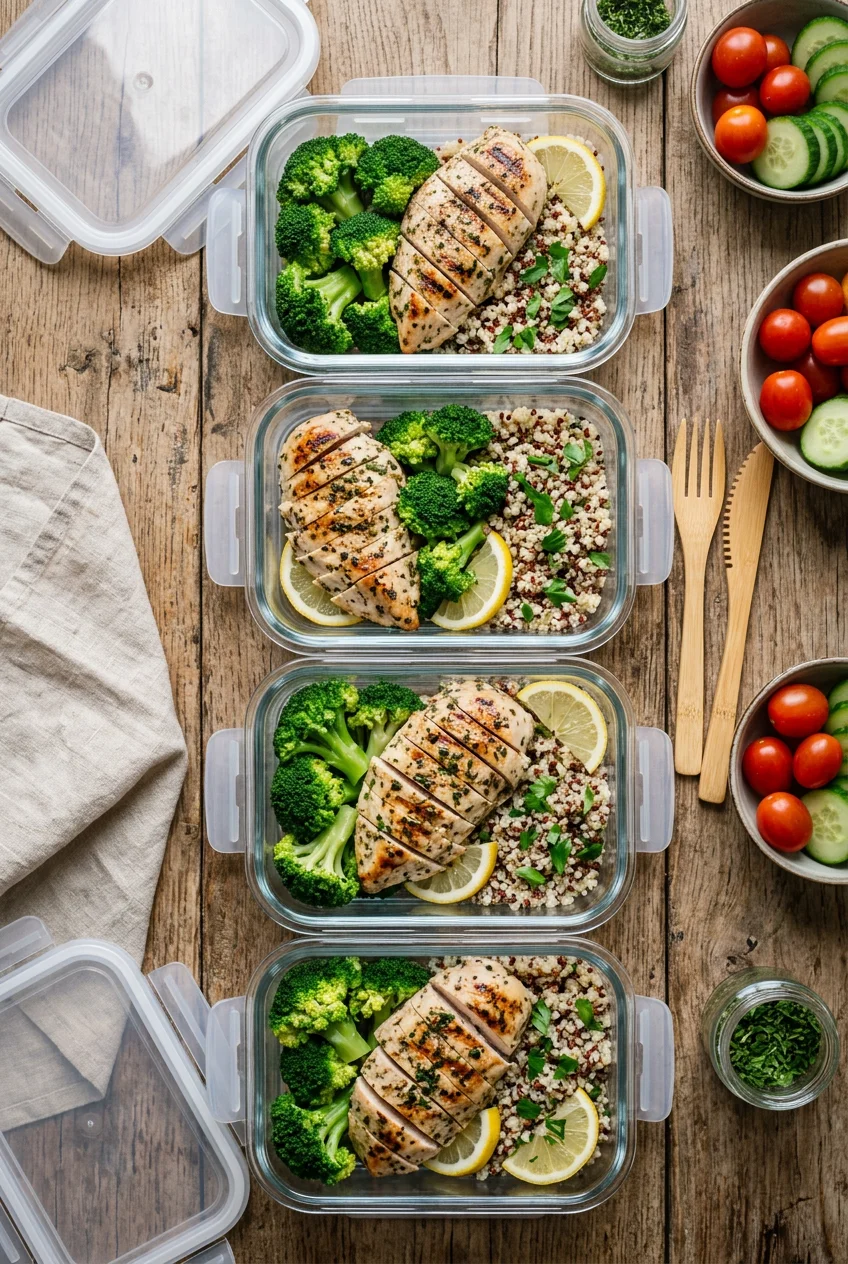
When I started tracking macros, I’d buy 93/7 ground turkey at Kroger because it was two dollars cheaper. I figured it wouldn’t make a difference. I was wrong. When you cook four pounds of 93/7 meat on a Sunday, you end up with a cup of liquid grease in your cast iron pan. It coats your tongue when you reheat leftovers on Wednesday. Learned that the hard way. Now, I only buy 99 percent lean ground turkey. Jennie-O sells a 16-ounce pack for $10.99. Yes, it costs more. It’s worth it because you aren’t paying for fat that just cooks off. A standard serving of this cooked lean poultry comes out to exactly 80 grams on my scale. Since there’s no fat to keep it moist, you can’t just fry this in a dry pan. I tried that once and it turned into turkey gravel. Instead, I brown it with a half cup of chicken broth and two tablespoons of low-sodium soy sauce. The liquid steams the meat, keeping it tender without adding a single gram of fat. Eating the same ground turkey every day is a mistake. I used to prep 21 identical meals. By Thursday, I was so bored I couldn’t look at them. Now, I vary my meals. I’ll make turkey taco salad jars for Monday and Wednesday, and chicken power bowls for Tuesday and Thursday. If you’re using chicken breasts, be ruthless about trimming. I use kitchen shears to cut off every visible white strip of fat before the meat touches the pan. It takes five extra minutes, but it changes the texture of your Friday leftovers.
2. Swap the Oil Bottle for a Controlled Spray

Most people ruin their low-fat goals before the food hits the heat. I used to grab my glass olive oil cruet and drizzle over my sheet pan veggies. When I measured that drizzle, it was three tablespoons. That’s 420 calories and 42 grams of fat just to cook broccoli. You can’t eyeball oil. I switched to using cooking sprays exclusively. I buy the Chosen Foods 100 percent Pure Avocado Oil Spray at Target for $6.89. The 4.7-ounce bottle lasts a month. The nozzle gives a fine mist, so a one-second spray is all you need for a 12-inch skillet. If I’m baking, I use PAM Original Cooking Spray, which is $3.99 for an 8-ounce can. The mistake I made early on was holding the button down like I was painting a car. You only need a tiny burst. The goal is a micro-barrier between the food and the metal, not deep-frying your zucchini. If your veggies look dry halfway through roasting, don’t spray them again. Pull the pan out and toss them with two tablespoons of water or broth. The steam finishes them perfectly without making them greasy. This small swap saves hundreds of calories a week.
3. Ditch Parchment Paper for Silicone Baking Mats

I spent a year scraping half my chicken off aluminum foil because I refused to use oil. I’d stand at the sink scrubbing baking sheets until my knuckles bled. Then I bought a set of silicone baking mats. I picked up a Silikomart two-pack at Walmart for $18.99. These mats eliminate the need for parchment or heavy oiling. I place my trimmed chicken breasts directly on the dry silicone. Because of the non-stick surface, the chicken releases perfectly. More importantly, any residual fat that cooks out pools on the mat instead of soaking back into the food. You can wipe the congealed fat off with a paper towel before washing. I’ve found this works for roasting sweet potato wedges, too. I cut two large sweet potatoes into half-inch fries, toss them with a teaspoon of smoked paprika and half a teaspoon of kosher salt, and lay them flat on the mat. No oil. They bake at 400 degrees for 25 minutes and get crispy edges from the dry heat. The potatoes don’t tear or stick. You get the perfect roasted texture without the grease. If you try this on bare metal or foil, they won’t release. The silicone mat is the only reason this oil-free method works. You might also like: 20 Clever Aesthetic Food Prep That Actually Work

Bento Box Adult Lunch Box – 4 Pack, 5
If you want something that just works, Bento Box Adult Lunch Box – 4 Pack is a safe bet (24 reviews, 4.5 stars).
4. Chill and Skim Your Batch-Cooked Soups

Here’s a gross truth about batch cooking stews. Even if you use lean meat, fat hides in the broth. Last winter, I made a massive batch of turkey chili using ingredients from Costco. I packed it into five containers while it was piping hot. When I pulled one out the next day, there was a solid quarter-inch disc of orange grease on top. It looked like a candle. I had to scrape it off with a spoon over the office trash while my coworkers watched. No exaggeration. Now, I use the chill and skim method for every soup. I cook my chili on Sunday morning. When it finishes, I leave it in the pot and put it in the fridge for four hours. The cold temperature forces all the residual fat to rise and solidify into a hard white layer. The fat cap is solid enough that it breaks like thin ice. It’s satisfying to remove. I take a slotted spoon and lift the entire cap off in pieces and throw it away. Only then do I portion the chili. This step removes an incredible amount of hidden fat. You end up with a clean, rich broth that doesn’t leave a greasy film on your mouth. You might also like: 20 Inspiring Carnivore Meal Prep Ideas That Are Totally Worth It
5. Upgrade Your Salads with Smart Dressings

I used to build beautiful salads with spinach, cucumbers, and grilled chicken. Then I’d drown them in generic ranch, adding 20 grams of fat and defeating the purpose. Skip the fat-free stuff on the dry grocery shelves. It tastes like wet cardboard and is usually packed with corn syrup. Look in the refrigerated produce section instead. I buy Bolthouse Farms Cilantro Avocado Yogurt Dressing at Sprouts for $4.49. Because it uses a yogurt base, it gives you that creamy texture without the heavy mayonnaise fat. Two tablespoons only have 40 calories and 3 grams of fat. If I want a vinaigrette, I use Bragg Organic Oil-Free Vinaigrette. It costs $5.99 for a 12-ounce bottle and is completely fat-free. The biggest mistake you can make is putting dressing on the greens on Sunday. By Tuesday, your lettuce will be a slimy, wilted mess. I bought a pack of tiny two-ounce plastic condiment containers with snap lids. I measure exactly two tablespoons of dressing into the small container and nestle it inside my salad bowl. I only mix it in right before I eat. Keeping the dressing separate ensures your veggies stay crisp all week. You might also like: 10 Healthy Meal Prep Ideas for Every Budget
6. Stop Guesstimating and Use a Food Scale

You can’t eyeball portions. I tried doing this for months. I’d scoop what I thought was a half cup of brown rice into my containers. When I finally bought a digital food scale, I realized my half cup was actually 180 grams of rice, which is closer to a cup and a half. Guesstimating is the fastest way to sabotage your meal prep. I bought a basic Ozeri digital food scale for $14.99, and it sits on my kitchen counter. When I’m building my containers on Sunday, I place the empty bowl on the scale and hit tare. I measure exactly 120 grams of cooked brown rice. Then I hit tare again and add exactly 4 ounces of my cooked lean protein. This takes the emotion and guesswork out of the process. You know exactly what you’re eating. Using a scale also helps when you’re tracking macros in an app. You just type in the exact grams instead of guessing what a medium portion means. I also use the scale for things like almonds or cheese, where fat calories add up fast. If a recipe calls for an ounce of low-fat cheddar, I weigh it. Grabbing a handful usually results in double the fat you intended. The scale keeps me honest when I’m tired and just want to finish packing.

Rubbermaid Brilliance Tritan Plastic Food Storage
If you want something that just works, Rubbermaid Brilliance Tritan Plastic Food Storage Containers BPA Free is a safe bet (583 reviews, 4.5 stars).
7. Rely on Cheap Plant-Based Proteins

Meat is expensive, and even lean cuts have residual fat. I’ve started replacing two of my weekly lunches with plant-based proteins. It cuts my grocery bill and drops my fat intake to almost zero for those meals. I buy 365 brand canned lentils and chickpeas at Whole Foods. They cost $1.29 a can. A single cup of cooked lentils gives you around 9 grams of protein with virtually zero fat. My early mistake with canned beans was dumping them straight from the tin into my containers. The starchy liquid is thick, metallic, and makes your food taste like a tin can. It also causes bloating. You have to dump the can into a mesh strainer and rinse them under cold water for a full minute until the water runs clear. I take those rinsed chickpeas, toss them with a tablespoon of lemon juice, half a teaspoon of cumin, and a pinch of salt, and roast them on my silicone mat. They get crunchy and act like croutons in my salads. It’s a cheaper way to bulk up your meals without adding the fat that comes with cheese or nuts. Plus, the extra fiber keeps you full well past your lunch hour.
8. Use the Air Fryer for Crispy Textures

Eating low-fat often means sacrificing the crunch you get from fried foods. Steamed veggies and baked chicken get boring fast. I resisted buying an air fryer for years because I thought it was a gimmick. I finally caved and bought a Ninja 4-Quart Air Fryer for $89.99. It changes how you prep. The intense circulation of hot air creates a crispy exterior without a vat of oil. The fan forces hot air around every angle. You don’t end up with a soggy bottom like you do on a regular sheet pan. I cut chicken breasts into nuggets, dip them in egg whites, and coat them in crushed cornflakes. I give the basket a one-second spray of the Chosen Foods avocado oil, drop the chicken in, and cook at 390 degrees for 12 minutes. They come out tasting like fast food but have almost zero fat. My one warning: the air fryer will turn lean meat into shoe leather if you aren’t paying attention. Because there’s no fat to protect the meat, it goes from perfect to dry in sixty seconds. I always use a meat thermometer to pull my chicken the second it hits 165 degrees. Don’t just blindly follow the timer.
9. Prep Flavor Boosters Instead of Heavy Sauces

You can’t eat plain grilled chicken and brown rice for five days. You’ll lose your mind and order a pizza by Wednesday. The problem is that most store-bought sauces are liquid fat. Pesto is just olive oil and nuts. Alfredo is cream and butter. Instead of buying jars of sauce, I prep my own low-fat flavor enhancers on Sunday. My base for almost everything is Fage Total 0 percent Nonfat Greek Yogurt. I buy the 32-ounce tub at Trader Joe’s for $6.99. A 5.5-ounce serving packs 16.1 grams of protein and only 92 calories, with zero fat. I scoop out a cup of yogurt and mix it with a tablespoon of dried dill, a squeeze of lemon juice, and half a teaspoon of garlic powder. It makes a thick, tangy tzatziki sauce that I dollop over my bowls. I also make a massive batch of fresh pico de gallo using diced tomatoes, red onions, jalapeños, and cilantro. The acid from the tomatoes and lemon juice brightens up the entire meal. By keeping these low-fat flavor bombs in glass jars, I can add moisture and taste without pouring oil over everything. It rescues bland vegetables.

Etekcity Food Kitchen Scale
If you want something that just works, Etekcity Food Kitchen Scale is a safe bet (1,736 reviews, 4.5 stars).
10. Stock Up on Pre-Portioned Snacks for Low Fat Meal Prep

Meal prep isn’t just about lunches and dinners. If you don’t prep your snacks, you’ll fail at 3 PM when your blood sugar drops. I used to ignore snacks. Then Thursday afternoon would hit, I’d get desperate, and I’d buy a bag of peanut butter pretzels from the vending machine. That single bag had 18 grams of fat. It took me years to figure out, but now I prep my snacks just as rigorously as my main meals. I buy the Good & Gather pre-peeled hard-boiled eggs from Target. A six-pack costs $3.49. A large egg gives you 6.3 grams of protein. Yes, the yolk has some fat, but it’s manageable, and I usually pop out half the yolks anyway to keep the fat lower. I also prep celery sticks and baby carrots in small containers. The NHS advises reading labels and aiming for less than 1.5 grams of saturated fat per 100 grams of food. I stick to this rule when buying packaged snacks. I portion out 100-gram servings of non-fat cottage cheese into tiny Tupperware. I also keep a few apples and a bag of raw almonds on my desk. I weigh out exactly half an ounce of almonds, which gives me a bit of healthy fat to keep me full without blowing my limits. Having these ready in the fridge means I can grab a snack and walk away without thinking. You won’t make bad choices if the good choices are already chopped, weighed, and waiting for you.
If you take one thing away, it’s that preparation prevents desperation. When you have perfectly weighed, low-fat meals in your fridge, you aren’t tempted to order takeout. I recommend picking just two or three of these methods to start this Sunday. Don’t try to change your entire routine in one afternoon. Grab the silicone baking mats and a food scale, and see how much easier it makes your week. If you found this breakdown helpful, pin this article to your meal prep boards so you can reference the cooking temperatures and measurements next time you’re writing your grocery list.
Frequently Asked Questions
What is the best meat for low fat meal prep?
99% lean ground turkey or boneless, skinless chicken breasts are ideal. They provide high protein with minimal fat. Always trim visible fat from chicken before cooking.
How do I roast vegetables without oil?
Use a silicone baking mat and a quick one-second burst of avocado oil cooking spray. If vegetables look dry halfway through baking, toss them with two tablespoons of water or vegetable broth instead of adding more oil.
How long do low fat prepped meals last in the fridge?
Most cooked lean proteins and grains will last four to five days in airtight glass containers. Keep dressings and sauces in separate small containers until you’re ready to eat to prevent sogginess.
Can I use an air fryer for meal prep?
Yes, an air fryer is perfect for getting crispy textures without deep frying. You can cook chicken nuggets or sweet potato fries using just a light mist of cooking spray to keep fat content extremely low.
