What’s Inside
- Prioritize Heavy Pours of Healthy Fats
- Swap Water for Whole Milk and Nut Butters
- Use Mass Gainer Powders When Chewing Gets Exhausting
- Switch to Full-Fat Dairy for High Calorie Meal Prep
- Hide Avocados in Everything You Make
- Batch Cook Versatile Proteins Instead of Full Meals
- Drench Your Vegetables in Oil and Heavy Cream
- Pack Complex Carbohydrates for Sustained Energy
- Let AI Apps Do the Heavy Lifting for Planning
- Upgrade to Glass Storage Containers
Last Tuesday at Whole Foods, I sat in my car staring at a receipt for $140 and realized my grocery strategy was a total disaster. I’d bought endless bags of plain spinach, dry rice cakes, and lean turkey breast. Trying to eat 3,500 calories a day of dry, fat-free food is miserable. High-calorie meal prep requires actual strategy, not just eating larger volumes of diet food. I tried this wrong for months before figuring it out—it took me years, no exaggeration. I spent hours chewing dry chicken breast until my jaw physically ached, and I still missed my daily calorie targets. Let’s fix that. Fueling your body for healthy weight gain or muscle building means you need dense, efficient foods that don’t make you feel sick from the sheer volume of chewing. I’ve spent the last two years testing different methods, ruining a lot of expensive groceries, and finally dialing in a system that works. You won’t find generic advice here. We’re getting into the exact products, measurements, and routines that make hitting high daily totals actually achievable without spending your entire Sunday standing over a hot stove.
1. Prioritize Heavy Pours of Healthy Fats

Fats offer 9 calories per gram. That’s more than double the calories you get from carbohydrates or protein. This makes liquid fats the most efficient tool in your kitchen for adding calories without adding physical bulk to your stomach. I used to measure out a tiny teaspoon of oil for my pans, terrified of making my food greasy. Learned that the hard way. Now, I generously incorporate healthy oils into almost everything I cook. I buy the California Olive Ranch Extra Virgin Olive Oil. A 25.4 oz bottle costs $16.99 at Target, and the dark green glass bottle keeps the oil from going rancid. I use 1 to 2 tablespoons, which adds 120 to 240 calories instantly. The thick, peppery smell of the olive oil hitting a hot cast iron pan immediately makes plain vegetables smell appetizing. I pour it over roasted sweet potatoes after they come out of the oven, or I whisk it into homemade vinaigrettes. If you don’t like the strong taste of olive oil, Chosen Foods Avocado Oil is a great alternative. It has a completely neutral flavor and a high smoke point. I buy the 750ml bottle for $15.49 at my local grocery store. I use it for searing meats or even blending into protein shakes. You can’t even taste it in a chocolate shake, but you get an extra 130 calories per tablespoon. Stop dry-roasting your vegetables. It leaves them shriveled and tasting like burnt paper.
2. Swap Water for Whole Milk and Nut Butters

Cooking your morning oats with water is a massive missed opportunity for extra calories. I made this mistake for a long time. Water adds zero nutritional value and leaves your oatmeal tasting bland and watery. Instead, I cook my morning oats with whole milk. For a 1-cup serving of dry oats, I use 2 cups of whole milk. That simple swap adds approximately 300 calories and a rich, creamy texture that water just can’t replicate. While the oats are still piping hot on the stove, I stir in 2 tablespoons of Jif Creamy Peanut Butter. A 16 oz jar costs $3.49 at Kroger. The peanut butter melts into the hot milk, creating a thick, sticky porridge that actually tastes like a dessert. It adds around 200 calories and extra protein. If you’re allergic to peanuts, Justin’s Classic Almond Butter works perfectly too, though it’s a bit pricier at $8.99 a jar. I finish the bowl with a heavy drizzle of raw honey. The honey dissolves into the hot oats, providing quick carbohydrates and natural sugars. This one bowl easily hits 800 calories before I even leave the house. One major mistake I made early on was letting the oats sit too long after adding the peanut butter. They turn into concrete if they cool down. Eat them while they’re steaming hot. The texture is vastly superior, and the warm milk digests easily.
3. Use Mass Gainer Powders When Chewing Gets Exhausting

There are days when chewing solid food feels like a part-time job. When whole foods aren’t enough, mass gainer protein powders offer a convenient, drinkable calorie boost. I resisted buying these for a long time because I thought I should get all my calories from whole foods. I was wrong. The jaw fatigue from chewing endless chicken breasts is real. I finally bought a tub of Optimum Nutrition Serious Mass Protein Powder. A massive 6 lb tub costs $45.99 at Walmart. When mixed with whole milk instead of water, a full serving provides up to 1,280 calories. I don’t usually drink a full serving at once because it makes me feel sluggish. Instead, I split it into two shakes throughout the day. I use a large blender bottle, add 16 oz of whole milk, two scoops of the powder, and shake vigorously. You have to shake it hard, or you get dry, chalky clumps of powder stuck in the bottom of the cup. The chocolate flavor tastes remarkably like a melted milkshake. Dymatize Super Mass Gainer is another solid option, though I find it slightly sweeter. These shakes are ideal for post-workout recovery when your stomach might be too unsettled for a heavy meal. They digest quickly and get the calories in without the physical effort of chewing. Just don’t rely on them for every meal. They lack the micronutrients of real food. You might also like: 11 Vegan Meal Prep That Actually Work

Bento Box Adult Lunch Box – 4 Pack, 5
Bento Box Adult Lunch Box – 4 Pack punches above its price — 24 buyers rated it 4.5 stars. I would buy it again.
4. Switch to Full-Fat Dairy for High Calorie Meal Prep

If you’re still buying skim milk or fat-free yogurt, you’re working against your own goals. Opt for full-fat versions of all your dairy staples. Skip the fat-free stuff. It tastes like wet cardboard. I used to force down bowls of 0% plain yogurt, wincing at the sour, chalky taste. Now, I exclusively buy Fage Total 5% Greek Yogurt. A 32 oz tub costs $6.49 at Sprouts. A half-cup serving contains around 160 calories and 16g of protein. The difference in texture is night and day. The full-fat version is incredibly thick, rich, and coats the spoon. It doesn’t have that watery, separated liquid sitting on top like the fat-free versions do. I use this yogurt as a base for high-calorie snack bowls. I mix in a handful of Kirkland Signature walnuts, dried cranberries, and a scoop of vanilla protein powder. The fat in the yogurt helps mask the artificial taste of the protein powder perfectly. I also use full-fat sour cream on my baked potatoes and full-fat cheese on my eggs. Tillamook Extra Sharp Cheddar is my go-to. An 8 oz block is $4.49, and grating just one ounce over my morning eggs adds 110 calories. Stop fearing dairy fat. It’s one of the easiest, most delicious ways to increase your daily intake without feeling overly stuffed. You might also like: 10 Healthy Lunch Meal Prep Worth Trying
5. Hide Avocados in Everything You Make

A single medium-sized avocado contains approximately 250 calories and a massive amount of healthy monounsaturated fats. They’re the ultimate stealth ingredient for high-calorie diets because their mild flavor blends into almost anything. I buy the bags of small Hass avocados at Trader Joe’s. A bag of six costs $4.99. I slice half an avocado onto my morning toast, but that’s just the beginning. I blend them into my protein shakes. If you use a ripe avocado, it doesn’t change the flavor of a chocolate or vanilla shake at all, but it transforms the texture into a thick, creamy pudding. I also dice them into my rice bowls. The soft, buttery texture of the avocado mixes with the hot rice and masks any dryness in the meat. One honest negative about avocados is their incredibly short window of ripeness. I’ve thrown away too many avocados that turned into stringy, brown mush overnight. To prevent this, I leave them on the counter until they yield slightly to a gentle squeeze, then immediately transfer the entire bag to the refrigerator. The cold stops the ripening process in its tracks, and they stay perfect for over a week. If you’re tired of eating plain chicken and rice, mash an avocado with a little lime juice and salt, and stir it right into the warm grains. It acts as a calorie-dense sauce. You might also like: 20 Inspiring Sunday Dinner Ideas You Need to See
6. Batch Cook Versatile Proteins Instead of Full Meals

Eating the exact same meal seven days in a row leads to severe meal prep fatigue. I used to portion out seven identical plastic containers of chicken, broccoli, and rice on Sundays. By Thursday, the smell of the day-four chicken made me want to skip dinner entirely. Most people get this wrong. Instead of prepping entire composed meals, I now focus on batch cooking versatile protein components that I can mix and match throughout the week. I buy the Kirkland Signature Boneless Skinless Chicken Breasts at Costco. They’re usually under $2.99 per pound. I grill 3 pounds of chicken on Sunday afternoon. I season them simply with salt, pepper, and garlic powder so they don’t clash with different flavor profiles later in the week. Having a massive container of cooked chicken in the fridge means I can throw together a chicken wrap with a high-calorie sauce on Monday, a chicken and avocado rice bowl on Tuesday, and chicken pasta on Wednesday. If I don’t feel like grilling, I grab a massive Costco rotisserie chicken for $4.99. I shred the meat while it’s still warm (it shreds much easier when warm) and store it in glass containers. This modular approach keeps the food tasting fresh and prevents the boredom that causes you to abandon your meal plan and order expensive takeout.

Etekcity Food Kitchen Scale
Etekcity Food Kitchen Scale punches above its price — 1,736 buyers rated it 4.5 stars. I would buy it again.
7. Drench Your Vegetables in Oil and Heavy Cream

Vegetables are inherently low in calories, which is great for weight loss but terrible for weight gain. A massive bowl of steamed broccoli takes up a ton of physical space in your stomach but provides fewer than 50 calories. To fix this, you must enhance the caloric density of your vegetables. I cook my vegetables in oil and finish them with heavy cream. I take a cup of mixed bell peppers and onions and sauté them in a stainless steel skillet. I use 1 tablespoon of Bertolli Olive Oil, which costs $8.99 for a 16.9 oz bottle at Kroger. The oil adds 120 calories. I let the vegetables blister and soften. Then, right before I take the pan off the heat, I stir in 2 tablespoons of heavy whipping cream. A half-pint carton of Kroger brand heavy cream is $2.29. The cream hits the hot pan with a loud sizzle and immediately reduces into a thick, savory glaze that coats the vegetables. It adds roughly 100 extra calories and makes the peppers taste rich and decadent. I pour this entire mixture over my chicken and rice. You get the micronutrients from the vegetables, but they’re carrying an extra 220 calories of healthy fats. It completely changes the texture of the meal, eliminating the need to force down dry, fibrous greens.
8. Pack Complex Carbohydrates for Sustained Energy

You can’t rely entirely on fats and proteins; you need dense carbohydrates to fuel heavy workouts and replenish glycogen stores. I include complex carbohydrates like brown rice, quinoa, and sweet potatoes in every single meal prep session. A 1-cup serving of cooked brown rice provides around 215 calories. I buy the Lundberg Family Farms Organic Brown Rice. A 32 oz bag is $7.49 at Whole Foods. I cook a large batch in my rice cooker on Sundays. The chewy, slightly nutty texture holds up much better in the fridge than white rice, which tends to turn hard and brittle after a day. According to sports nutrition experts, strategic meal timing with these carbohydrates can significantly impact muscle growth. I aim to consume a balanced meal with plenty of complex carbs a few hours before my workouts. Post-workout, I switch to quicker-digesting carbs. I’ll often eat white jasmine rice with my chicken to ensure the nutrients absorb quickly. One mistake I made was trying to eat massive sweet potatoes whole. They’re too filling. Now, I chop them into small cubes, toss them heavily in avocado oil, and roast them until the edges are crispy and caramelized. The smaller pieces cook faster, absorb more oil, and are much easier to eat in large quantities without feeling overly stuffed.
9. Let AI Apps Do the Heavy Lifting for Planning

Calculating macros and building a grocery list for a 3,500-calorie diet is mentally exhausting. I used to sit at my kitchen table with a calculator and a notebook, trying to make the math work. It took hours. Now, I utilize AI-driven meal prep apps that are incredibly sophisticated. I use the Mealime app. The basic version is free, but the pro version is $5.99 a month, and it completely eliminates the mental fatigue of planning. You input your calorie goals, your food preferences, and any allergies. The app generates a customized high-calorie meal plan and automatically compiles a consolidated grocery list sorted by supermarket aisle. It even accounts for ingredients you already have in your pantry, which drastically reduces food waste. PlateJoy is another excellent option with similar features. These tools are invaluable because they force you to buy exactly what you need, preventing you from wandering the aisles at Whole Foods and buying random, low-calorie snacks. If you still struggle to hit your numbers or have specific digestive issues, consult a Registered Dietitian. I finally booked a session with an RD last year, and she pointed out that my protein intake was actually too high, which was suppressing my appetite. She helped me adjust my macros to include more easily digestible carbohydrates, which made hitting my calorie targets significantly easier.
Food Scale, 11lb Kitchen Scale with 0.05oz/1g Precision
Food Scale punches above its price — 15 buyers rated it 4.5 stars. I would buy it again.
10. Upgrade to Glass Storage Containers

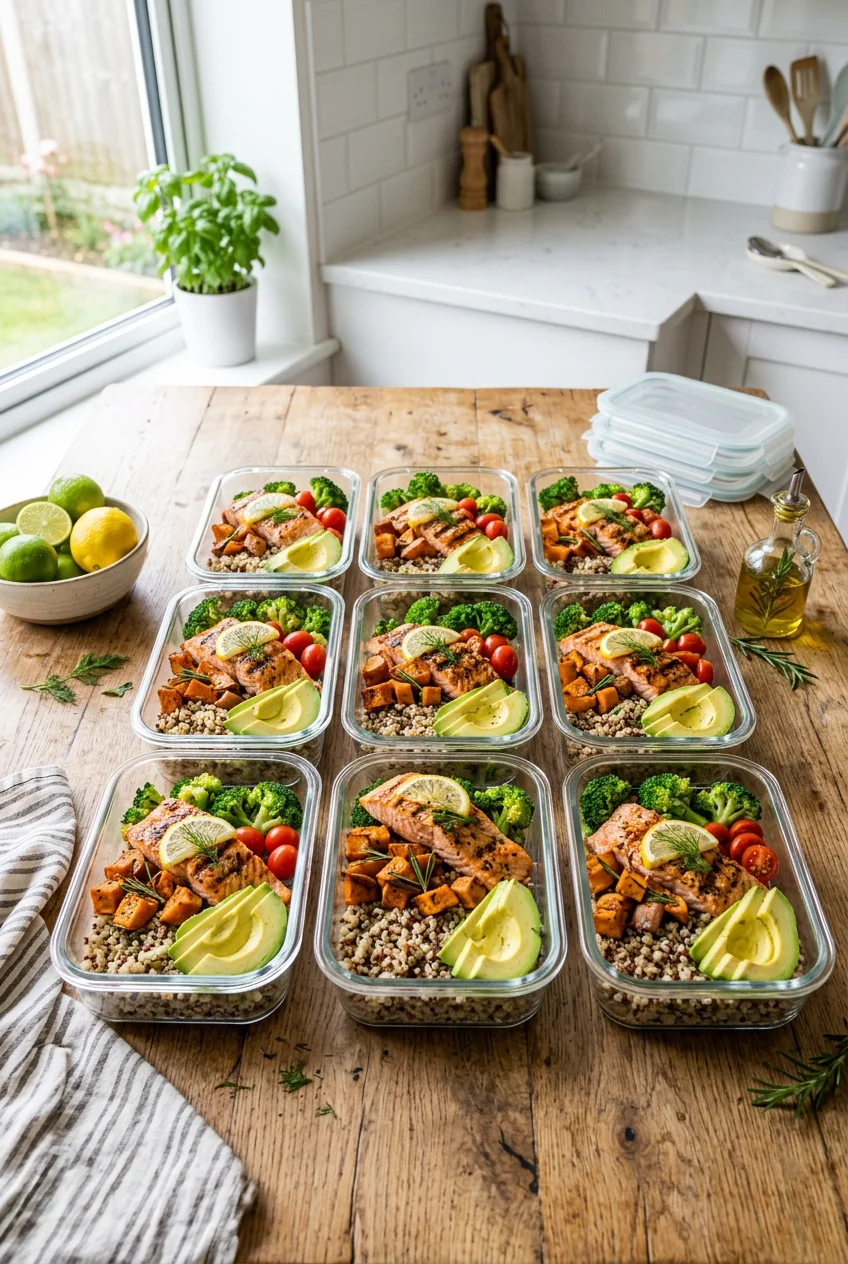
The biggest mistake you can make with high calorie meal prep is storing your expensive food in cheap, flimsy plastic containers. I ruined a perfectly good gym bag when a cheap plastic lid popped off, leaking olive oil and chicken juice all over my lifting belt. The smell never fully came out. Furthermore, reheating oily foods in cheap plastic causes the plastic to warp, stain, and leach chemicals into your food. I finally threw away all my mismatched plastic tubs and invested in quality glass. I bought a set of Pyrex glass meal prep containers. A set of 10 containers (with lids) costs $34.99 at Target. The thick glass is incredibly durable, freezer-safe, and stackable. The lids have a firm, satisfying snap when they lock into place, ensuring a completely airtight seal. This keeps my avocado from browning and prevents my fridge from smelling like roasted garlic. Glass is also vastly superior for reheating in the microwave. The heat distributes evenly, and you don’t get those cold spots in the middle of your rice. Yes, they’re heavier to carry in your bag, but the trade-off is worth it. Washing them is a breeze because grease doesn’t cling to glass the way it permanently bonds to plastic.
If you take nothing else away from this, remember that hitting high calorie goals is about efficiency, not just volume. You can’t just eat larger salads; you have to fundamentally change the density of the food on your plate. I highly recommend starting with the olive oil and whole milk swaps. They require zero extra cooking time and add hundreds of calories instantly. I’ve used these exact methods to maintain my energy levels and finally put on the weight I was struggling to gain. Save this guide to your phone for your next grocery trip, and pin it to your meal prep boards so you don’t forget the exact brands and measurements next Sunday.
Frequently Asked Questions
What are the best foods for high calorie meal prep?
The most efficient foods are calorie-dense healthy fats like extra virgin olive oil, avocados, and nut butters. Pairing these with complex carbohydrates like brown rice and full-fat dairy ensures you hit high calorie goals without excessive food volume.
How do I avoid meal prep fatigue?
Instead of cooking seven identical meals, batch cook versatile proteins like grilled chicken breasts or ground beef. Store them in glass containers and mix them with different calorie-dense sauces, complex carbs, and fats each day to keep flavors fresh.
Are mass gainer powders good for meal prep?
Yes, mass gainer powders are excellent for hitting high calorie targets when chewing whole foods becomes exhausting. Mixing them with whole milk instead of water can provide over 1,000 calories in a single, easily digestible post-workout shake.
Why should I use glass containers instead of plastic?
Glass containers, like Pyrex, are essential for high calorie meal prep because they don’t warp or stain when reheating oily, fat-heavy foods. They also provide an airtight seal that prevents leaks and keeps calorie-dense ingredients fresh longer.
