What’s Inside
- Strategic Planning is Your Low-Carb Compass
- Master the Art of Batch Cooking Versatile Proteins
- Pre-Prep Your Low-Carb Veggies for Grab-and-Go Convenience
- Embrace Smart Low-Carb Substitutions
- Invest in Quality, Airtight Storage Containers
- Beware of Hidden Carbs in Sauces and Condiments
- Prioritize Electrolyte Balance to Avoid “Keto Flu”
- Rotate Recipes Weekly to Combat Meal Prep Burnout
- Leverage Trending Low-Carb Meal Delivery Services
- Prep High-Fat Snacks to Kill Afternoon Cravings
- Don’t Forget About Low-Carb Breakfast Prep
- Keep an Emergency Lowcarb Meal Prep Ideas List on Your Fridge
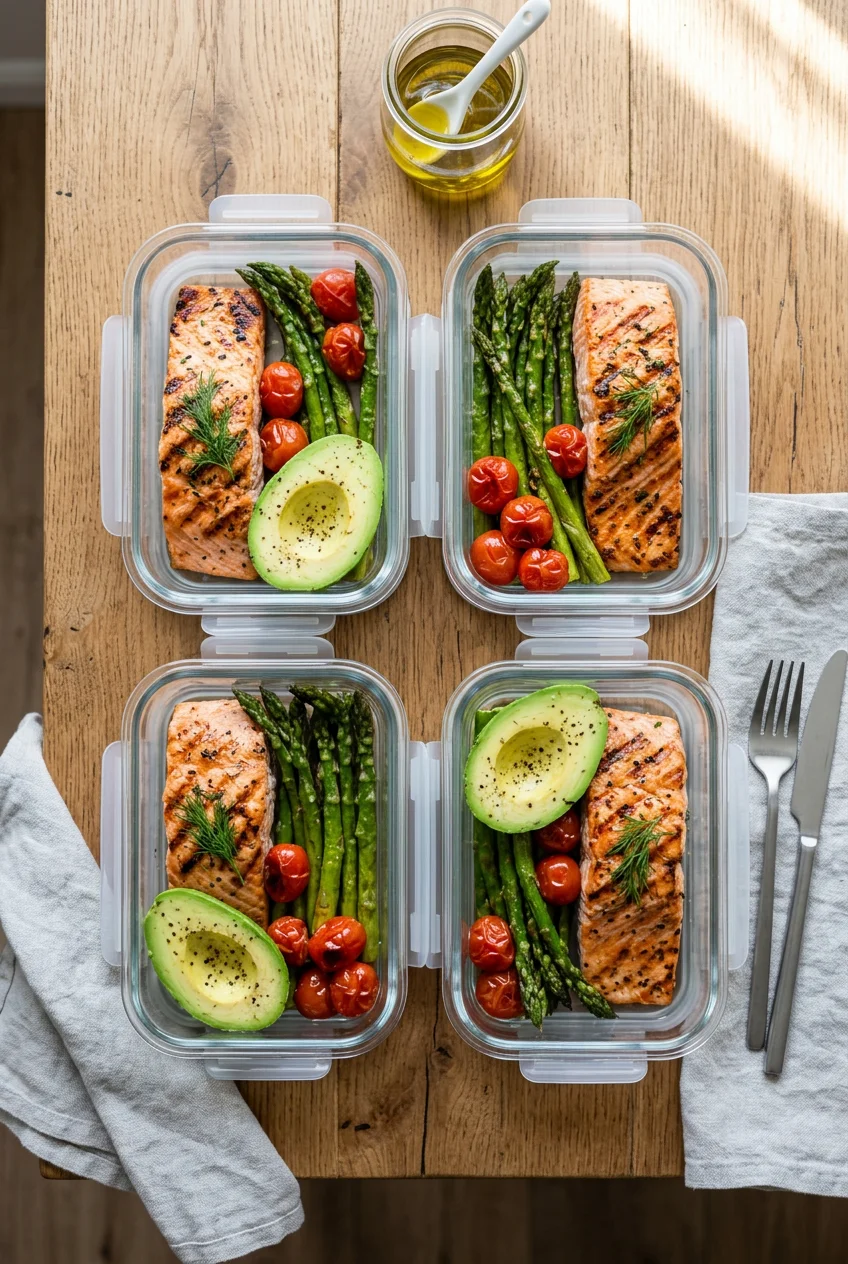
Last Tuesday at Whole Foods, I stood in the frozen aisle staring at a $14 cauliflower crust pizza with condensation dripping onto my hand. I’d completely failed my diet for the week. My stomach was growling loud enough for the woman next to me to hear. I hadn’t planned anything. I was starving. That tiny, overpriced pizza looked like salvation. I bought it, ate it in ten minutes standing at my kitchen counter, and felt terrible afterward. Figuring out reliable low-carb meal prep ideas doesn’t happen by accident. You have to sit down and map it out with specific ingredients and portions. If you leave it to chance when you’re hungry and tired at 6 PM on a Wednesday, you’re going to grab whatever is fastest. That usually means carbs. I tried winging my macros for months before realizing that rigid structure is the only thing that keeps me on track. I’ve compiled my exact weekly process here so you can avoid the frozen pizza walk of shame. Let’s get into the actual mechanics of putting these meals together without losing your mind.
1. Strategic Planning is Your Low-Carb Compass

Before hitting the grocery store, dedicate actual, uninterrupted time to planning your meals and snacks for the entire week. This prevents impulse buys and ensures you have all necessary low-carb ingredients ready to go. Atkins recommends thinking about ingredients that can be used in multiple dishes to maximize efficiency, and I’m on board. I used to just wander the aisles throwing random meats and vegetables into my cart, hoping they’d magically form cohesive dinners. They didn’t. I ended up with a fridge full of rotting produce and zero actual meals. Learned that the hard way. Now, I use a simple $4.99 spiral notebook I picked up at Target to map out three meals and two snacks per day. My goal is always a consistent carb target, specifically keeping it under 50g net carbs daily for a moderate approach. You can use a fancy app if you want, but the physical act of writing it down works better for my brain. I sit at my kitchen island every Saturday morning with my black coffee and my notebook, and I don’t get up until the five-day plan is finished. If you skip this step, you’re setting yourself up for failure before you even turn on the stove.
2. Master the Art of Batch Cooking Versatile Proteins

Dedicate a few hours, typically on a Sunday afternoon, to cook large quantities of proteins that can be easily repurposed. For instance, I usually roast 3 lbs of Perdue Harvestland Organic Boneless, Skinless Chicken Breast. At approximately $7-9 per pound, it’s an upfront cost, but it feeds me for days. I season it heavily with smoked paprika, salt, and pepper, then bake it at 400 degrees for 25 minutes. While the chicken is in the oven, I brown 3 lbs of Laura’s Lean Ground Beef (around $6-8 per pound) in a large skillet. I tried this wrong for months by cooking individual portions every single night, which left me scrubbing greasy pans at 8 PM when I just wanted to watch TV. Batch cooking creates a massive mess once, rather than five small messes throughout the week. The caramel-butter smell of roasting chicken fills the house on Sundays, and having those containers of cooked protein sitting in the fridge means I can assemble salads, lettuce wraps, or quick stir-fries in under five minutes. The hot ground beef grease splatters are annoying to clean off the stovetop, but doing it once a week makes the tradeoff worth it.
3. Pre-Prep Your Low-Carb Veggies for Grab-and-Go Convenience

Immediately after grocery shopping, wash, chop, and store your low-carb vegetables. If I put whole vegetables in the fridge, they just die there. I can’t tell you how many times I’ve found a slimy, forgotten zucchini rotting in the crisper drawer at the end of the week. Now, as soon as I get home from Kroger, I pull out my cutting board. I chop up two heads of broccoli florets (which yields about 4-5 cups), dice one large red bell pepper (approximately 1.5 cups chopped), and cut one large zucchini into thick spears. I store all of them in airtight glass containers to maintain freshness for 4-5 days. I use a 5-pack of Pyrex Simply Store 10-piece glass food storage containers that cost around $25-35. Having the vegetables already chopped means I’m much more likely to actually eat them. When it’s time to make dinner, I just grab a handful of broccoli, toss it in olive oil, and throw it in the air fryer for ten minutes. The visual of seeing brightly colored, pre-chopped vegetables stacked neatly in my fridge creates a sense of order that keeps my diet on track.

M MCIRCO 10-Pack,30 Oz Glass Meal Prep Containers 2
A dependable everyday pick — M MCIRCO 10-Pack pulls in 23 ratings at 4.5 stars. Not flashy, just solid.
4. Embrace Smart Low-Carb Substitutions

Swap high-carb staples for their low-carb counterparts to maintain flavor and satisfaction without the carb load. You have to be realistic about what you’re willing to eat. Skip the fat-free stuff. It tastes like wet cardboard and leaves you hungry an hour later. Instead, focus on texture replacements. I use Green Giant Riced Cauliflower (around $2.50-$3.50 for a 10-12 oz frozen bag) instead of traditional white rice. I microwave it for five minutes, then press all the excess water out with a paper towel so it doesn’t turn my stir-fry to mush. For pasta cravings, I opt for Palmini Pasta (around $3.50-$4.50 per can). It’s made from hearts of palm, and if you rinse it thoroughly under cold water for two minutes, it loses that slightly acidic canned smell and takes on the flavor of whatever sauce you use. For wraps and tacos, Mission Carb Balance Tortillas (around $3.50-$4.50 for a pack of 8) offer a convenient low-carb option that actually bends without snapping in half. Finding these specific texture replacements means I don’t feel deprived when my family is eating regular spaghetti and meatballs. You might also like: 20 Inspiring Meal Prep Ideas for Any Style
5. Invest in Quality, Airtight Storage Containers

Proper storage is paramount for extending the life of your prepped meals and preventing food waste. Early in my meal prep routine, I used cheap, flimsy plastic containers I bought at a dollar store. Last October, I packed a leftover beef and broccoli stir-fry for lunch. The plastic lid popped off in transit, leaking dark soy sauce all over the interior of my favorite canvas work bag. The smell never fully came out. After that disaster, I threw all the plastic away and upgraded to Snapware Total Solutions Glass Food Storage. A 10-piece set typically costs $25-$45, and the lids latch on all four sides with a satisfying click, so I know they aren’t going to leak. Glass also doesn’t absorb the orange stains from tomato sauces or the lingering smell of garlic. For freezing leftover soups or homemade keto sauces, I use Stasher Reusable Silicone Storage Bags (around $12-$20 per bag). They are incredibly durable, and I can drop them straight into a pot of boiling water to reheat the contents. The upfront cost of good containers stings a bit, but replacing ruined bags and throwing away spoiled food costs much more in the long run.
6. Beware of Hidden Carbs in Sauces and Condiments

A frequent pitfall in low-carb eating is overlooking hidden carbohydrates in seemingly innocent ingredients. Always read nutrition labels carefully, especially on things that look healthy. Most people get this wrong by assuming all salads are automatically low-carb. I made this mistake with a “fat-free” raspberry vinaigrette from Trader Joe’s. I used it generously for two weeks before I actually looked at the back label and realized a single two-tablespoon serving contained 8 grams of sugar, mostly from added maltodextrin and corn syrup to make up for the lack of fat. I was accidentally consuming 20 grams of carbs just in my salad dressing. Now, I exclusively buy brands like Primal Kitchen for dressings and marinades. They are explicitly low-carb, use avocado oil, and are completely sugar-free. A bottle costs around $5-8, which is pricey, but the ingredients are clean. Their Ranch dressing actually tastes like real herbs and eggs, not synthetic chemicals. If you’re going to put the effort into prepping healthy proteins and vegetables, don’t ruin the macro count by drowning them in liquid sugar. You might also like: 20 Beautiful High Protein Meal Prep Ideas That Are Totally Worth It

M MCIRCO 10-Pack,22 Oz Glass Meal Prep Containers
A dependable everyday pick — M MCIRCO 10-Pack pulls in 86 ratings at 4.5 stars. Not flashy, just solid.
7. Prioritize Electrolyte Balance to Avoid “Keto Flu”

When significantly reducing carbs, your body excretes more sodium, potassium, and magnesium, which can lead to symptoms like extreme fatigue, headaches, and muscle cramps. Experts call this the “keto flu,” and it’s miserable. During my first week of strict low-carb eating, I woke up on day three with a blinding headache and legs that felt like they were filled with concrete. I thought I was just hungry, but I was actually severely dehydrated and lacking electrolytes. To counteract this, you need to generously salt your prepped meals. I use a high-quality sea salt like Redmond Real Salt (around $8-12 for a 26 oz pouch) because it contains trace minerals that standard table salt strips away. I also make sure to incorporate potassium-rich foods into my prep containers, like raw spinach. Just 1 cup of spinach contains about 167mg of potassium. Finally, I take a daily magnesium supplement right before bed. I use Nature Made Magnesium Citrate 250mg, which costs around $10-15 for 60 capsules. Once I fixed my electrolyte balance, the headaches disappeared entirely, and my energy levels stabilized. You might also like: 15 Creative Healthy Meal Prep Ideas That Make a Real Difference
8. Rotate Recipes Weekly to Combat Meal Prep Burnout

Eating the exact same meals repeatedly is a fast track to quitting your low-carb plan entirely. To maintain interest and adherence, you have to plan to rotate your protein sources and cooking methods. If I eat roasted chicken breast for five days straight, by Friday I’d rather starve than look at another piece of poultry. Keep at least two different low-carb vegetable options on hand each week. For example, one week my meal prep containers might feature “Spicy Chicken & Broccoli Bowls” seasoned with chili flakes and sesame oil (yielding around 21g protein and 10g carbs per serving). The following week, I’ll switch to “Turkey Zucchini Boats.” I buy 93/7 ground turkey from Sprouts, hollow out the zucchini spears I prepped earlier, and bake them with a little mozzarella cheese on top (around 20g protein and 8g carbs per serving). The texture of the baked zucchini is soft and comforting, providing a completely different mouthfeel than the crunchy broccoli from the week before. Rotating the flavor profiles keeps my tastebuds engaged so I don’t get bored and order takeout.
9. Leverage Trending Low-Carb Meal Delivery Services

For exceptionally busy weeks, a hybrid approach combining home-cooked meals with ready-made low-carb options is a growing trend in 2026. Sometimes, no matter how good your intentions are, Sunday meal prep just doesn’t happen. Last month, my kids were sick all weekend, and by Sunday night, the idea of chopping vegetables made me want to cry. Instead of giving up and ordering a pizza, I relied on my backup plan. I keep a subscription active for services like Factor, which offers chef-prepared keto and low-carb meals. At around $11-14 per serving, it’s more expensive than cooking from scratch, but it’s cheaper than a restaurant delivery fee. The meals arrive fresh, not frozen, in black plastic trays with a clear film. You just pierce the film and microwave them for two minutes. The Jalapeño Popper Burger meal is legitimately spicy and filling. Having four or five of these stacked in the back of the fridge acts as an insurance policy against chaotic weeks. I don’t use them every day, but bridging the gap between home-cooked prep and total convenience keeps me from falling off the wagon.
![[8-Pack,30 oz]Glass Meal Prep Containers](https://m.media-amazon.com/images/I/713Zfdsgi4L._AC_UL320_.jpg)
[8-Pack,30 oz]Glass Meal Prep Containers
If you want something that just works, [8-Pack is a safe bet (7 reviews, 4.5 stars).
10. Prep High-Fat Snacks to Kill Afternoon Cravings

The window between 3 PM and dinner is the danger zone for any low-carb diet. If you aren’t prepared for the afternoon blood sugar dip, you’ll end up raiding the office vending machine for pretzels. I learned this the hard way when I found myself eating stale graham crackers out of the breakroom pantry just to get through a 4 PM meeting. Now, part of my Sunday routine involves portioning out high-fat, low-carb snacks into small silicone bags. I buy Blue Diamond Lightly Salted Almonds in bulk (around $6.49 for a 6 oz can) and measure exactly 1/4 cup into each bag. The crunch satisfies the urge to chew on something, and the fat keeps me full. I also buy Tillamook Cheddar Cheese Snacks (around $4.99 for a bag of 10 individually wrapped squares) at Costco. The sharp, creamy texture of the cheddar pairs perfectly with the salty almonds. Having these pre-portioned and sitting at eye level in my fridge means I can grab one on my way out the door in the morning. It completely eliminates the afternoon panic hunger.
11. Don’t Forget About Low-Carb Breakfast Prep

Most people focus all their energy on lunches and dinners, leaving breakfast as an afterthought. If you start your day scrambling for food, the rest of your meals will suffer. I used to just drink a cup of coffee and rush out the door, which led to intense nausea and a massive crash by 10 AM. Now, I prep egg muffins every Sunday. I whisk one dozen Vital Farms Pasture-Raised Eggs (around $6.99 per dozen) with a splash of heavy cream, salt, and pepper. I pour the mixture into a silicone muffin tin, drop in some chopped spinach and Jimmy Dean Fully Cooked Turkey Sausage crumbles (around $5.49 for a 9.6 oz bag), and bake them at 350 degrees for 20 minutes. The silicone pan is crucial because eggs stick to metal pans like superglue, even if you spray them. Once cooled, I store them in my glass containers. In the morning, I just microwave two muffins for 45 seconds. They come out hot, fluffy, and packed with protein. It takes less than a minute to make a hot breakfast, which sets a positive tone for my entire day of eating.
12. Keep an Emergency Lowcarb Meal Prep Ideas List on Your Fridge

Even with the best intentions, there will be days when your prepped food runs out early or something spoils. When that happens, you need a visual reminder of quick, zero-prep meals you can throw together in under three minutes. I keep a literal list of emergency low-carb meal prep ideas taped to the side of my fridge. My go-to emergency meal relies on pantry staples I never let run out. I always keep five cans of Wild Planet Skipjack Wild Tuna (around $4.29 for a 5 oz can) in the cupboard from Walmart. If I have nothing else to eat, I open a can, drain the water, and mix it directly in a bowl with 1 tablespoon of Primal Kitchen Mayo and a heavy shake of black pepper. I eat it straight out of the bowl with a fork, or scoop it up with celery sticks if I have them. It isn’t glamorous, it smells strongly of fish, and it’s definitely a struggle meal, but it contains zero carbs and massive amounts of protein. Having that list on the fridge stops me from opening a delivery app when my original plan falls apart.
Meal prep isn’t about creating Instagram-worthy containers of perfectly arranged food. It’s about building a reliable system that protects you from your own tired, hungry decisions. I’ve ruined enough work bags with leaking plastic and eaten enough sad frozen pizzas to know that a little bit of Sunday effort pays off massively by Wednesday. Take these ideas, adjust the exact ingredients to fit your own tastebuds, and start small. If you found this breakdown helpful, pin this post to your favorite recipe board so you can reference these exact brands and measurements the next time you’re standing in the grocery store aisles feeling overwhelmed.

Vtopmart 5Pack 22oz Glass Storage Containers with Lids
A dependable everyday pick — Vtopmart 5Pack 22oz Glass Storage Containers with Lids pulls in 34 ratings at 4.5 stars. Not flashy, just solid.
Frequently Asked Questions
How long do low-carb prepped meals last in the fridge?
Most cooked proteins and chopped vegetables will last 4-5 days in the fridge if stored in high-quality, airtight glass containers. Seafood should be eaten within 2-3 days.
What are the best lowcarb meal prep ideas for beginners?
Start with simple batch-cooked proteins like roasted chicken breast or ground beef, paired with pre-chopped, sturdy vegetables like broccoli or zucchini. Use low-carb sauces to add flavor without complexity.
How can I prevent my prepped vegetables from getting soggy?
Store chopped vegetables raw and cook them fresh each day, or intentionally slightly undercook them during your Sunday prep so they don’t turn to mush when reheated in the microwave.
Are meal delivery services worth it for low-carb diets?
Yes, services like Factor are excellent for extremely busy weeks when you can’t prep. They cost more than groceries but are cheaper and healthier than ordering last-minute restaurant takeout.
