What’s Inside
- Ditch the Plastic for Heavy-Duty Glass
- Master the Sauce Separation Game
- Batch Cook Budget Proteins Like Chicken Thighs
- Layer Your Salads for Perfect Work Lunch Meal Prep
- Undercook Your Veggies (Trust Me on This)
- Let Your Rice Cooker Do the Heavy Lifting
- Prep Freezer Smoothie Packs for Crazy Mornings
- Grow Your Own Herbs to Save Serious Cash
- Upgrade Your Insulation for Work Lunch Meal Prep
I sat at my cubicle last Tuesday staring at a sad, leaking plastic container that had completely ruined my favorite canvas tote. If you’ve ever dealt with the absolute misery of spilled teriyaki sauce, you know exactly why mastering work lunch meal prep is a survival skill. The smell of cold, stale soy sauce lingered in my workspace for three days. I tried doing this whole Sunday cooking routine wrong for months before figuring it out. I’d buy random ingredients, throw them into flimsy plastic bins, and wonder why everything tasted like wet cardboard by Wednesday. It’s frustrating. It’s expensive. But it doesn’t have to be. I’ve finally cracked the code to making lunches that actually taste good, survive the commute, and cost under five bucks a serving. Let’s fix your midday meals right now.
1. Ditch the Plastic for Heavy-Duty Glass

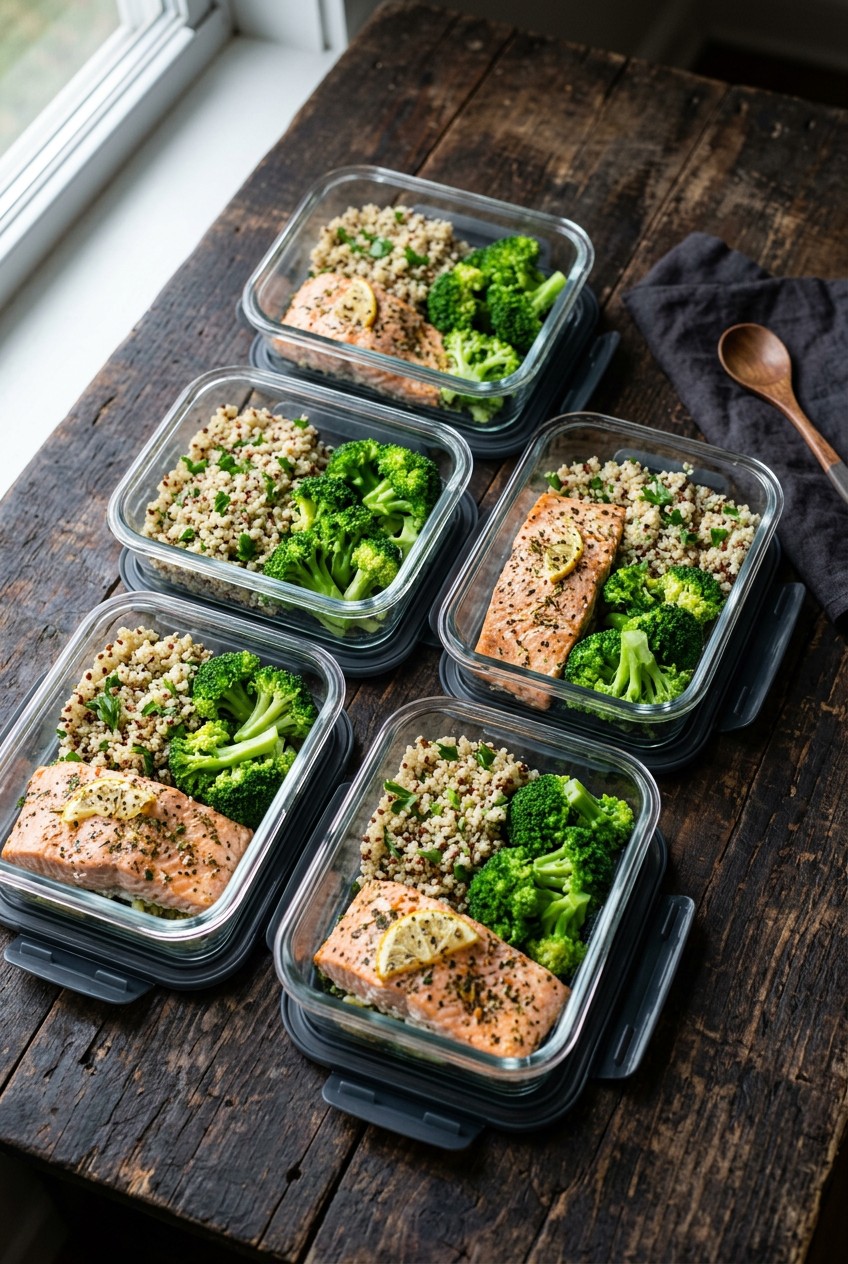
I used to buy those cheap, flimsy plastic bins from the grocery store. Big mistake. Those cheap plastic bins aren’t worth the money. Last October, I packed a beautiful spaghetti squash marinara in a clear plastic tub. By lunchtime, the plastic had stained a radioactive shade of orange. Worse, it held onto the pungent smell of old garlic for weeks, no matter how much dish soap I used. Skip the cheap plastic stuff. It absorbs every odor in your fridge. You’re going to want to invest in Prep Naturals glass containers. A 5-pack runs exactly $32.99 on Amazon. They’re heavy, durable, and completely odor-proof. I picked up a similar set at Target once, but the lids snapped after two weeks. Stick to the good brands like Prep Naturals or Pyrex. Glass is oven, microwave, and dishwasher safe. But here’s the most crucial part that most people get wrong. You can’t just shove hot glass containers directly into the fridge. I did this last Tuesday and the trapped steam turned my roasted broccoli into a soggy, sulfur-smelling mush. Plus, it raised the internal temperature of my fridge and spoiled a half-gallon of expensive oat milk. Cool your food completely on the counter for 20 to 30 minutes before sealing and refrigerating. This expert-recommended step prevents bacterial growth and keeps your glass from shattering due to thermal shock. It’s a small habit, but it absolutely saves your food texture.
2. Master the Sauce Separation Game

There’s nothing sadder than a soggy wrap. I learned this the hard way last Tuesday at Whole Foods. I bought a pre-made chicken Caesar wrap for nine dollars, and the dressing had completely soaked through the tortilla. The texture felt exactly like wet cardboard. Disgusting. If you’re going to succeed at this, you must keep your wet and dry ingredients totally separate until the exact minute you’re ready to eat. I personally swear by the Bayco tiny condiment containers. You can grab an 8-pack for $12.99. I use them to hold exactly 2 tablespoons of my homemade vinaigrette or spicy mayo. Pouring the dressing on right before you take a bite keeps the crunch alive. You also need to embrace silicone baking cups for ultimate versatility. I bought the Amazon Basics Reusable Silicone Baking Cups ($7.99 for a 12-pack) and they completely fixed my snack boxes. I use them to create a DIY bento box inside my larger glass containers. You can portion out exactly 1/4 cup of almonds or separate a handful of fresh berries from your dry crackers. I even use them to freeze small amounts of homemade pesto. I pour about 1/3 cup of pesto into each silicone cup, freeze them solid, and pop them into a freezer bag. When I’m boiling pasta, I just drop one frozen pesto puck right into the hot noodles. It’s brilliant. Don’t mix your sauces too early. It’s a rookie mistake that ruins perfectly good meals.
3. Batch Cook Budget Proteins Like Chicken Thighs

Most people get this wrong when they start cooking for the week. They buy massive packs of boneless, skinless chicken breasts because that’s what fitness influencers tell them to do. Skip the fat-free stuff. Chicken breasts dry out in the microwave and taste like literal chalk by Thursday. You’re much better off batch cooking budget-friendly proteins like chicken thighs. I buy a family pack of bone-in chicken thighs at Sprouts for $4.99 a pound. The extra fat keeps the meat incredibly juicy, even when you reheat it in a sad office microwave. The sizzle of the fat rendering in the pan smells amazing, and the meat pulls apart with just a fork. I roast a huge batch on Sunday afternoon, shred it up, and portion exactly 4 oz of meat into each container. If you’re on a really tight budget, lentils are your best friend. A bag of dry brown lentils costs about $1.49 at my local grocery store. I boil them in chicken broth with a bay leaf until they’re tender but not mushy. A 1/2 cup serving of cooked lentils packs a massive protein punch and costs pennies. I used to buy those expensive, pre-cooked chicken strips in the deli section. I spent so much money on dry, flavorless meat. Now, I spend an hour on Sunday roasting thighs and boiling lentils, and I’ve got rich, flavorful protein ready for the entire week. It saves me at least twenty dollars a week. You might also like: 20 Beautiful Food Prep Ideas for a Fresh New Look
![[8-Pack,30 oz]Glass Meal Prep Containers](https://m.media-amazon.com/images/I/713Zfdsgi4L._AC_UL320_.jpg)
[8-Pack,30 oz]Glass Meal Prep Containers
Honestly, [8-Pack surprised me — sturdier than it looks in the photos, and over 7 buyers gave it 4.5 stars.
4. Layer Your Salads for Perfect Work Lunch Meal Prep

Salads are the ultimate trap. You think you’re being healthy, but if you pack them wrong, you end up with a slimy, wilted mess. I tried prepping a massive spinach salad last Sunday. I threw the dressing, the tomatoes, and the delicate greens all into one bowl. By Tuesday, the acid in the dressing had dissolved the spinach into a dark green slime. It smelled like a compost bin. To prevent salad soggy-ness, you have to use strategic layering. I use tall Mason jars (a 12-pack of 32 oz jars is $14.99 at Target). The order matters immensely. You pour exactly 2 tablespoons of your dressing at the very bottom. Next, you add your hardier ingredients that won’t absorb the liquid quickly. I usually drop in 1/2 cup of cooked quinoa or 1/2 cup of rinsed chickpeas. After that, you pack in your crunchy vegetables. I like to use 1/2 cup of diced bell peppers and 1/2 cup of shredded carrots. Finally, you stuff your delicate greens like lettuce or spinach at the very top, as far away from the dressing as possible. When you’re ready to eat, you just shake the jar violently and dump it into a bowl. The greens stay perfectly crisp all week long. I buy all my salad ingredients at Trader Joe’s because their produce turnover is so fast, ensuring everything stays incredibly fresh. Their bags of organic baby spinach cost only $2.99. Layering is the only way to make salads survive in the fridge for more than twenty-four hours. You might also like: 15 Inspiring Chicken Meal Prep Ideas You Haven’t Thought Of
5. Undercook Your Veggies (Trust Me on This)

This opinion might spark debate, but I stand by it. You must slightly undercook your vegetables during your Sunday prep session. I used to roast zucchini and bell peppers until they were perfectly soft and caramelized. They tasted amazing right out of the oven. But when I packed them up and microwaved them on Wednesday, they turned into a watery, mushy disaster. High-water vegetables release all their liquid when reheated, turning your entire container into a swamp. Now, I pull my roasted vegetables out of the oven about four minutes early. They should still have a noticeable crunch when you bite into them. When you blast them in the office microwave for two minutes, they finish cooking and achieve that perfect crisp-tender texture. You also need to avoid overfilling your containers. I used to pack my glass bins to the absolute brim, thinking I was getting more bang for my buck. Last month, I stuffed a container so full of broccoli and rice that it actually popped the lid off in the microwave and splattered green juice all over the breakroom. It was humiliating. Leaving some empty space in your container allows for better airflow and even heating. It stops the steam from getting trapped and turning everything into soup. I grab my bulky vegetables at Walmart because you can get massive bags of broccoli florets for $4.48. Just remember to undercook them. Your future self will thank you when you bite into a vegetable that actually crunches instead of squishing. You might also like: 20 Clever School Lunch Ideas You Can Try Today
6. Let Your Rice Cooker Do the Heavy Lifting

If you’re still boiling rice in a pot on the stove, you’re wasting precious time. I used to stand over a boiling pot, constantly adjusting the heat, only to end up with a burnt layer of rice stuck to the bottom of my favorite pan. The scraping sound was agonizing. I finally bought an Aroma Housewares Rice Cooker for $29.98 on Amazon, and it completely changed my routine. I measure out exactly 2 cups of dry jasmine rice, add the water, push one button, and walk away. It cooks perfectly every single time with zero babysitting. I always cook double the amount I need for one recipe. Having readily available leftover grains in the fridge saves me so much effort. But you have to be careful with cooked rice. You must adhere to the 3-4 day rule. According to food safety guidelines, cooked meals should be eaten within 3 to 4 days. I once ate six-day-old rice and spent the next twelve hours with terrible stomach cramps. To keep track of everything, I implement the First-In, First-Out rule. I bought a roll of blue painter’s tape for $4.50 at Home Depot. I rip off a tiny piece, write the date with a Sharpie, and stick it to the lid. I place the newly prepped meals at the back of the fridge and pull the older ones to the front. This simple organizational hack prevents perfectly good food from rotting in the back corners of my crisper drawer.

Skroam 10 Pack Glass Meal Prep Containers
Skroam 10 Pack Glass Meal Prep Containers has been one of the most consistently praised picks in this category. 56 reviewers averaged 4.5/5.
7. Prep Freezer Smoothie Packs for Crazy Mornings

Mornings in my apartment are pure chaos. I used to try to chop fresh fruit and measure out spinach at 6 AM. The sound of the knife hitting the cutting board always woke up my roommates, and I’d inevitably spill sticky mango juice all over the counter. Now, I optimize my breakfasts with pre-portioned freezer packs. Every Sunday, I line up five Ziploc freezer bags (a box of 30 costs $5.49 at Costco). Into each bag, I dump exactly 1.5 cups of frozen mixed berries, 1 cup of fresh spinach, and 1 tablespoon of chia seeds. I seal them up tight and toss them in the freezer. The frozen fruit clinks together like little ice cubes. When I wake up, I just grab one bag, dump the frozen block into my blender, and add exactly 1 cup of fresh almond milk. It takes thirty seconds. The texture comes out incredibly thick and frosty, almost like soft-serve ice cream. Do not add the liquid before freezing. I tried pouring almond milk into the bags once, and it expanded in the freezer, bursting the seams and creating a frozen puddle of milk at the bottom of my icebox. Scraping frozen milk off plastic shelves is not a fun way to spend a Saturday. Stick to freezing only the dry and solid ingredients. You’ll save money buying frozen fruit in bulk at Costco, and you won’t ever have to skip breakfast because you’re running late.
8. Grow Your Own Herbs to Save Serious Cash

Buying fresh herbs at the store feels like a massive rip-off. I used to spend three dollars on a tiny plastic clamshell of fresh basil at Kroger. I’d use four leaves for a pasta dish, and the rest would turn into a black, slimy mess in my fridge drawer within three days. The smell of rotting cilantro is genuinely nauseating. A surprising and cost-effective trick is to grow your own herbs on a sunny windowsill. I bought a packet of sweet basil seeds and a packet of cilantro seeds for $2.50 each at a local hardware store. I planted them in some cheap terracotta pots, and within a few weeks, I had a massive, bushy supply of fresh flavor. The bright, peppery smell of fresh basil fills my kitchen every time I brush past the leaves. When I’m packing my lunches, I just snip off exactly what I need. Tossing a handful of fresh cilantro into a container of spicy black beans completely masks the fact that you’re eating cheap leftovers. It adds a bright, clean finish that you just can’t get from dried spices. Plus, it eliminates those annoying last-minute grocery runs when you realize you’re missing a garnish. You don’t need a massive garden to do this. A small pot on a desk or a kitchen counter works perfectly. It’s a tiny investment upfront that saves you a few dollars every single week, and it makes your cheap meals taste like they came from a restaurant.
9. Upgrade Your Insulation for Work Lunch Meal Prep

Your perfectly cooked food won’t matter if it sits in a hot car for three hours. I used to pack my meals in a cheap, thin canvas tote bag. Last July, I left my bag in the passenger seat of my car while I ran an errand before work. When I finally sat down to eat, my chicken salad was lukewarm and smelled slightly sour. I had to throw the entire thing in the trash. You absolutely must invest in a quality insulated lunch bag for temperature control. I upgraded to the PackIt Freezable Lunch Bag. It costs around $28.50 on Amazon. The genius part is that the freezable gel is built right into the walls of the bag. You just fold the whole bag flat and stick it in your freezer overnight. The next morning, the canvas feels stiff and freezing cold to the touch. It keeps my containers chilled safely for hours without needing bulky, leaky ice packs. If you’re prepping huge batches of food to freeze for the entire month, you should also look into vacuum sealing. It’s a highly effective method that removes all the air from the bag, preventing that nasty layer of ice crystals known as freezer burn. I bought a basic FoodSaver Vacuum Sealer for $89.99 at Target. Watching the machine suck the air out of a bag of marinated chicken thighs is weirdly satisfying. It keeps meals fresh for months, meaning I can buy meat on clearance and safely store it until I’m ready to cook.
I know getting started feels overwhelming, but once you build these habits, you won’t ever want to go back to buying overpriced, soggy salads at the corner deli. It takes a little bit of practice, and you’re definitely going to make a few mistakes along the way. I still occasionally forget to put the dressing on the side, but it happens less and less. Stick to the glass containers, respect the cooling times, and don’t be afraid to heavily season those cheap chicken thighs. If you found these tips helpful, I’d love for you to pin this article to your favorite Pinterest board so you can reference it next Sunday. Let’s make your midday break something you actually look forward to.

8 Pack 36oz Large Glass Meal Prep Containers with lids
8 Pack 36oz Large Glass Meal Prep Containers with lids has been one of the most consistently praised picks in this category. 866 reviewers averaged 4.5/5.
Frequently Asked Questions
How long does work lunch meal prep last in the fridge?
According to food safety guidelines, most cooked meals will last 3 to 4 days in the refrigerator. Seafood and salads should be eaten within 3 days, while cooked meats and hardy vegetables can stretch to 4 days. Always label your containers with the date.
How do I stop my work lunch meal prep from getting soggy?
Keep all your sauces and dressings in separate, small condiment containers until you are ready to eat. For vegetables, slightly undercook them during your Sunday prep so they finish cooking in the microwave instead of turning to mush.
What are the cheapest proteins for work lunch meal prep?
Bone-in chicken thighs are significantly cheaper and juicier than chicken breasts. For plant-based options, dry lentils and chickpeas are incredibly budget-friendly, often costing just pennies per serving while providing massive amounts of protein and fiber.
Can I freeze my work lunch meal prep?
Yes, many meals freeze beautifully. Use a vacuum sealer to remove air and prevent freezer burn for long-term storage. For breakfasts, you can prep dry smoothie ingredients in freezer bags and add the liquid fresh when you blend.
