What’s Inside
- Embrace Modular Easy Vegetarian Meal Prep
- Prioritize Sturdy Vegetables For Easy Vegetarian Meal Prep
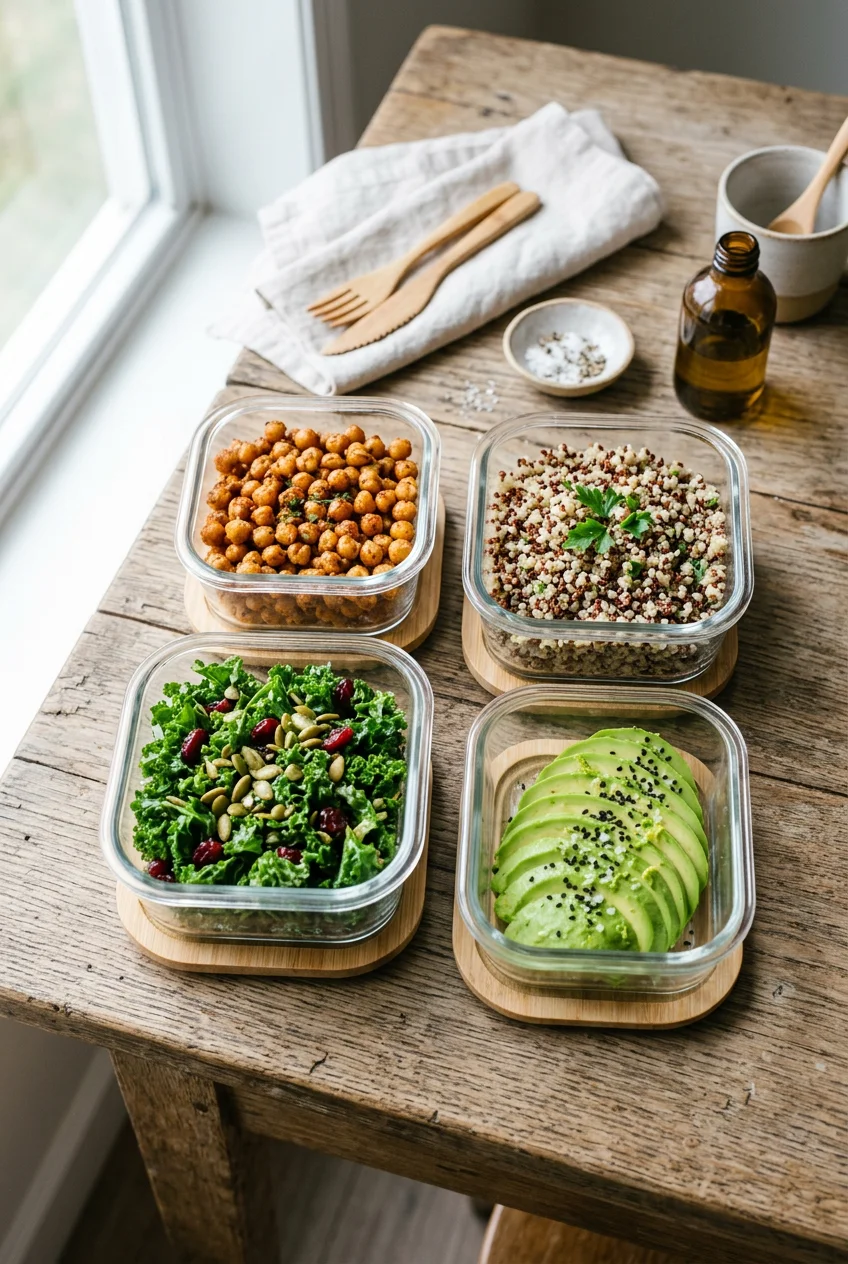
- Invest in High-Quality Glass Meal Prep Containers
- Batch Cook Hearty Grains and Legumes
- Utilize Frozen Produce for Nutrient Retention
- Master the Art of Pressing Tofu for Texture
- Rotate Your Protein Sources to Avoid Boredom
- Prep Sauces and Dressings Separately
- Utilize Pantry Shortcuts for Flavor Boosts
- Embrace Overnight Oats for High-Protein Breakfasts
- Cook Dishes That Actually Get Better With Age
- Pre-Chop Aromatics and Store Them Properly
I stood in my kitchen last Tuesday at 10 PM, staring at a Tupperware container of grey, weeping spinach and mushy chickpeas. That was my rock bottom with vegetarian meal prep. I tried to make five identical salads on Sunday, and by Wednesday, they tasted like wet cardboard and smelled faintly of compost. I threw the whole batch in the trash and ordered a $22 pizza from Domino’s instead. Figuring out easy vegetarian prep took me two solid years of soggy vegetables, bland tofu, and wasted groceries. You can’t just put lettuce in a plastic box and expect it to survive until Friday. I’m sharing exactly how I fix these mistakes now. I shop at Trader Joe’s, Whole Foods, and Costco to get the specific ingredients that actually hold up in the fridge. Let’s fix your Sunday routine so you aren’t eating sad desk lunches by Wednesday.
1. Embrace Modular Easy Vegetarian Meal Prep

Component cooking is the only way I survive the week without getting flavor fatigue. Instead of making five identical bowls, I prep individual ingredients and mix them up. I buy a 16 oz bag of Trader Joe’s Organic Quinoa for $3.99. I cook 2 cups of dry quinoa on Sunday afternoon, yielding 6 cups cooked. Then I chop 3 lbs of sweet potatoes into cubes, toss them with exactly 2 tablespoons of olive oil, salt, and cumin, and roast them at 425 degrees Fahrenheit for 25 minutes. A huge mistake I made early on was drowning my sweet potatoes in oil. They get incredibly soggy in the fridge if you use more than 1 to 2 tablespoons of oil per pound of vegetables. Finally, I open 2 cans of Goya black beans (usually $1.29 each at Kroger), rinse them, and heat them with minced garlic. Storing these components separately in the fridge means I can make a breakfast bowl on Tuesday and a taco salad on Thursday. The texture stays firm. You aren’t stuck eating the exact same meal profile every single day. This modular approach prevents the dreaded Wednesday burnout. Learned that the hard way.
2. Prioritize Sturdy Vegetables For Easy Vegetarian Meal Prep

I learned the hard way that delicate greens like spinach and spring mix simply won’t survive a full week in the fridge. They turn into a slimy, sad mess by Tuesday. If you want your vegetarian meal prep to last, you must prioritize sturdy vegetables. I’m talking about broccoli, cauliflower, carrots, and Brussels sprouts. These vegetables hold their cellular structure after cooking and reheating. I typically buy two 16 oz bags of Whole Foods 365 Organic Broccoli Florets for $2.99 each. I spread 2 lbs of mixed sturdy vegetables across a large baking sheet. I toss them with 1 tablespoon of avocado oil (Chosen Foods, $14.99 at Costco) and roast at 400 degrees Fahrenheit for 20 to 25 minutes. The edges get slightly charred and crispy. When you pack these in your lunch container, they won’t release excess water and ruin your grains. If you really want fresh greens for a salad, keep the leafy greens whole and wash them the day you plan to eat them. Pre-chopping large quantities of romaine lettuce on Sunday guarantees brown, rusty edges by Wednesday. Stick to root vegetables and cruciferous options.
3. Invest in High-Quality Glass Meal Prep Containers

Stop using flimsy plastic takeout containers for your food. I used cheap plastic for months before I realized they were absorbing the smell of garlic and staining orange from turmeric. It’s disgusting to eat a fresh salad out of a container that smells like last week’s curry. You need glass meal prep containers. They don’t absorb odors, they don’t stain, and they’re completely safe for the microwave and oven. I bought a 6-pack of Pyrex 3-cup rectangular glass containers at Target for $29.99, and I’ve used them constantly for two years. For modular prep, I highly recommend finding 3-compartment glass containers. Ello Duraglass makes a great set with silicone sleeves for about $45 on Amazon. Keeping your wet components away from your dry grains prevents everything from turning into mush. Glass is heavier to carry, but the tradeoff is worth it for food that tastes fresh. Another tip is to label and date everything religiously. I use a strip of blue painter’s tape and a Sharpie on the glass lid. Most cooked vegetarian food is only good for 3 to 5 days in the fridge.

Rubbermaid Brilliance Tritan Plastic Food Storage
A dependable everyday pick — Rubbermaid Brilliance Tritan Plastic Food Storage Containers BPA Free pulls in 583 ratings at 4.5 stars. Not flashy, just solid.
4. Batch Cook Hearty Grains and Legumes

Cooking staples like lentils and brown rice takes time, which is why you must do it in bulk on Sunday. A major mistake beginners make is skipping legumes because they take 45 minutes to simmer. You won’t do that on a Tuesday night after work. I buy Bob’s Red Mill Black Beluga Lentils for $5.49 a bag at Sprouts. Black lentils are vastly superior for prep because they hold their shape. Red lentils turn into complete mush after two days in the fridge. I soak 1.5 cups of black lentils overnight, then simmer them in 4 cups of vegetable broth for 45 minutes until tender but not split. The earthy smell fills the kitchen, and the texture stays perfectly firm for salads or bowls. I store the cooked lentils in a large glass container, and they easily last up to 5 days. Batch cooking complex carbohydrates in one go saves you at least an hour of standing over the stove during the workweek. Just make sure you let the grains cool completely on the counter before putting the lid on. Trapped steam creates condensation, leading to soggy food. You might also like: 20 Lovely Work Lunch Ideas to Inspire Your Next Project
5. Utilize Frozen Produce for Nutrient Retention

There is a weird stigma against frozen vegetables in the meal prep community, and it needs to stop. Frozen produce is picked at peak ripeness and flash-frozen immediately. This means it often retains more nutrients than fresh produce that has been sitting on a delivery truck and then wilting in your crisper drawer for a week. I always keep frozen vegetables on hand for quick additions. I buy bags of Birds Eye Steamfresh Shelled Edamame for $2.79 at Walmart. When I’m assembling a grain bowl and realize it needs more protein, I just microwave a handful of frozen edamame for 60 seconds. It eliminates chopping and reduces food waste to zero. I also keep a bag of Green Giant frozen mixed vegetables ($1.99) for quick weeknight stir-fries. The trick with frozen vegetables is to avoid boiling them. Boiling makes them waterlogged and mushy. Instead, sauté them directly from frozen in a hot pan with a tiny bit of oil, or steam them quickly in the microwave. This keeps their color bright and their texture firm. Relying on frozen shortcuts keeps my fridge stocked without constant grocery runs mid-week. Trust me on this. You might also like: 11 Crockpot Meal Prep Worth Trying
6. Master the Art of Pressing Tofu for Texture

If you think you hate tofu, you probably just aren’t pressing it correctly. Unpressed tofu acts like a wet sponge. If it’s already full of water, it can’t absorb your marinades, and it won’t get crispy in a pan. I spent years trying to balance heavy cookbooks and canned tomatoes on top of a cutting board to press my tofu. The tower would inevitably crash onto the floor, ruining the tofu and my patience. I finally bought the Tofuture Tofu Press for $25.99, and it completely fixed the problem. I buy Nasoya Extra Firm Tofu for $2.99 at Target. I place the block in the press and leave it in the fridge for at least 30 minutes. The amount of yellowish water that drains out is shocking. Once pressed, the tofu becomes dense and meaty. I cut it into 1-inch cubes, toss it with soy sauce and cornstarch, and bake it at 400 degrees Fahrenheit for 25 minutes. The edges get perfectly golden, and the texture holds up beautifully in the fridge for four days. Skipping the pressing step guarantees soggy plant-based proteins. Take the extra 30 minutes. You might also like: 12 Summer Meal Prep for Every Budget
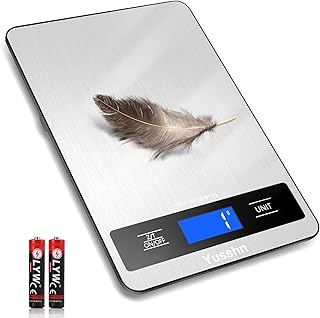
Food Scale, 11lb Kitchen Scale with 0.05oz/1g Precision
A dependable everyday pick — Food Scale pulls in 15 ratings at 4.5 stars. Not flashy, just solid.
7. Rotate Your Protein Sources to Avoid Boredom

Eating black beans every single day is a fast track to hating your diet. A common mistake I see is people sticking to just one plant-based protein because they don’t know how to cook the others. You must rotate your protein sources to ensure complete nutrition and avoid palate fatigue. Tofu provides about 12 to 20 grams of protein per 100 grams, but you shouldn’t rely on it exclusively. I alternate my weeks. One week I’ll prep a batch of spicy peanut tofu. The next week, I’ll switch to tempeh. I buy Lightlife Organic Tempeh for $3.49 an 8 oz package at Whole Foods. Tempeh has a nutty, fermented flavor and packs 19 grams of protein per 4 ounces. I crumble it up and brown it in a skillet with taco seasoning for a meaty texture that works perfectly in burrito bowls. The following week, I might use seitan, which offers a massive 35 grams of protein per 4 ounces. By rotating between lentils, chickpeas, edamame, tofu, and tempeh, your taste buds stay engaged. Variety is the only way I stay consistent with Sunday cooking.
8. Prep Sauces and Dressings Separately

Never dress your salads or bowls on Sunday. I tried this once with a beautiful kale and quinoa salad. By Monday afternoon, the acid in the vinaigrette had broken down the vegetables, turning the entire container into a sour, wilted swamp. You must store your dressings and sauces in small, separate containers. I use the OXO Good Grips Leakproof Dressing Shaker, which costs $11.99 at Target. It has a secure latch that I can open one-handed when I’m rushing in the kitchen. I usually make a batch of lemon-herb tahini sauce on Sunday. I whisk 1/2 cup of Joyva Sesame Tahini ($6.99 at Kroger), 1/4 cup of fresh lemon juice, 3 minced garlic cloves, and a splash of warm water until it gets creamy. Alternatively, I’ll mix a spicy peanut sauce using 1/2 cup of natural peanut butter, 3 tablespoons of soy sauce, 2 tablespoons of rice vinegar, and 1 tablespoon of sesame oil. These homemade sauces last 7 to 10 days refrigerated. Pouring fresh, punchy sauce over your prepped grains right before eating brings the whole meal back to life.
9. Utilize Pantry Shortcuts for Flavor Boosts

You don’t have to make absolutely everything from scratch. I used to spend three hours roasting peppers and grinding spices to make my own curry pastes. It’s exhausting, and the kitchen looked like a disaster zone afterward. Now, I lean heavily on high-quality pantry shortcuts to cut down my prep time. Store-bought sauces and pastes are perfectly fine if you read the ingredient labels. I always keep a jar of Thai Kitchen Red Curry Paste in my pantry. It costs about $4.29 for a 4-ounce jar at Kroger. When I’ve got leftover roasted vegetables and a can of chickpeas, I just heat 2 tablespoons of the curry paste in a pot until fragrant, pour in a can of full-fat coconut milk, and toss in the vegetables. I’ve got a rich, complex curry ready in exactly ten minutes. I also like Sky Valley Sriracha ($5.99 at Whole Foods) for a quick, vegan-friendly heat source. Using these pre-made flavor bases means I don’t have to measure out fifteen different spices every time I cook. It saves me at least forty minutes on a Sunday afternoon.

Bento Box Adult Lunch Box – 4 Pack, 5
If you want something that just works, Bento Box Adult Lunch Box – 4 Pack is a safe bet (24 reviews, 4.5 stars).
10. Embrace Overnight Oats for High-Protein Breakfasts

Breakfast prep is where most people fail. You wake up late, grab a sugary granola bar, and crash by 10 AM. Overnight oats fixed my morning routine entirely. They take five minutes to assemble on Sunday night. I use wide-mouth Mason jars. In each jar, I combine 1/2 cup of Quaker Rolled Oats ($4.99 at Walmart), 1 cup of unsweetened almond milk, and 1 tablespoon of chia seeds. The chia seeds are crucial because they absorb the liquid and create a thick, pudding-like texture. To make it filling, I add one scoop of Transparent Labs Organic Plant-Based Protein. It costs about $49.99 for 30 servings online, but the pea and rice protein blend doesn’t have that chalky, gritty texture that ruins most vegan breakfasts. I shake the jars vigorously and line them up in the fridge. They stay perfectly fresh for 3 to 4 days. In the morning, I just unscrew the lid, drop in a handful of fresh blueberries, and eat it cold. Prepping three jars on Sunday means I don’t even have to think about breakfast until Thursday morning. Took me years to figure out.
11. Cook Dishes That Actually Get Better With Age

Not all food is meant to sit in a fridge for three days. A crispy quesadilla will be a soggy disaster by Tuesday. You need to focus on recipes that actually improve as they sit. Liquid-based spiced dishes taste objectively better on day three because the ingredients have time to meld. My standard is a Moroccan-spiced chickpea and sweet potato stew. I use 2 cans of S&W Garbanzo Beans ($1.49 each at Safeway), 2 large diced sweet potatoes, a can of crushed tomatoes, and heavy dashes of cumin, paprika, and cinnamon. I simmer a huge pot on Sunday afternoon. When I taste it right off the stove, it’s good, but the spices are a bit sharp. By Wednesday, the starches from the sweet potatoes have thickened the broth, and the cinnamon has mellowed into a deep, savory warmth. It smells incredible when I microwave it in the office breakroom. Black dal works the same way. Schedule your fresh, crispy meals for Monday, and save these heavy, marinated stews for Thursday and Friday when you need something comforting.
12. Pre-Chop Aromatics and Store Them Properly

Chopping onions and mincing garlic every single night is tedious. It’s the main reason I used to abandon my weeknight cooking plans and order takeout. Now, I process all my aromatics on Sunday. I chop three large yellow onions and store them in an airtight glass container. They stay sharp and fresh for 5 to 7 days. For garlic, I buy the large bags of Christopher Ranch Peeled Garlic for $3.99 at Costco. I mince a dozen cloves at once, along with a large knob of peeled ginger. I put the minced garlic and ginger into a small glass jar and pour a thin layer of olive oil over the top. The oil acts as a seal, preventing oxygen from reaching the garlic, which stops it from oxidizing and turning a nasty brown color. This jar lives in my fridge for a week. When I want to start a stir-fry, I just scoop out a spoonful of the garlic-ginger oil mixture directly into my hot pan. However, do not pre-chop delicate items like avocados or eggplants. They will oxidize, turn brown, and become bitter within hours.
Getting your vegetarian meal prep right takes a little trial and error, but these specific methods completely fixed my Sunday routine. I don’t waste produce anymore, and my lunches actually taste fresh on Thursday. Try starting with just the modular components and a batch of overnight oats this weekend. If you found these tips helpful, pin this article to your meal prep boards on Pinterest and save it for your next grocery run. I’m always tweaking my routine, so let me know which of these storage tricks works best for your kitchen.

Etekcity Food Kitchen Scale
Honestly, Etekcity Food Kitchen Scale surprised me — sturdier than it looks in the photos, and over 1,736 buyers gave it 4.5 stars.
Frequently Asked Questions
How long does vegetarian meal prep last in the fridge?
Most cooked vegetarian meals, including roasted vegetables, grains, and prepared plant-based proteins like tofu or tempeh, will last 3 to 5 days in airtight glass containers in the refrigerator.
How do I keep my vegetarian meal prep from getting soggy?
Keep wet and dry ingredients separate using compartmentalized glass containers. Store all dressings and sauces in small, separate jars, and limit the amount of roasting oil to 1-2 tablespoons per pound of vegetables.
Can I meal prep delicate greens like spinach?
It’s best to avoid prepping delicate greens too far in advance. They wilt quickly when stored. Instead, wash and dry whole leaves the day you plan to eat them, or stick to sturdy vegetables like broccoli and Brussels sprouts.
What is component meal prepping?
Component prepping involves batch-cooking individual ingredients—like a large batch of quinoa, roasted sweet potatoes, and black beans—rather than fully assembled meals. This allows you to mix and match them into different bowls or salads throughout the week.
