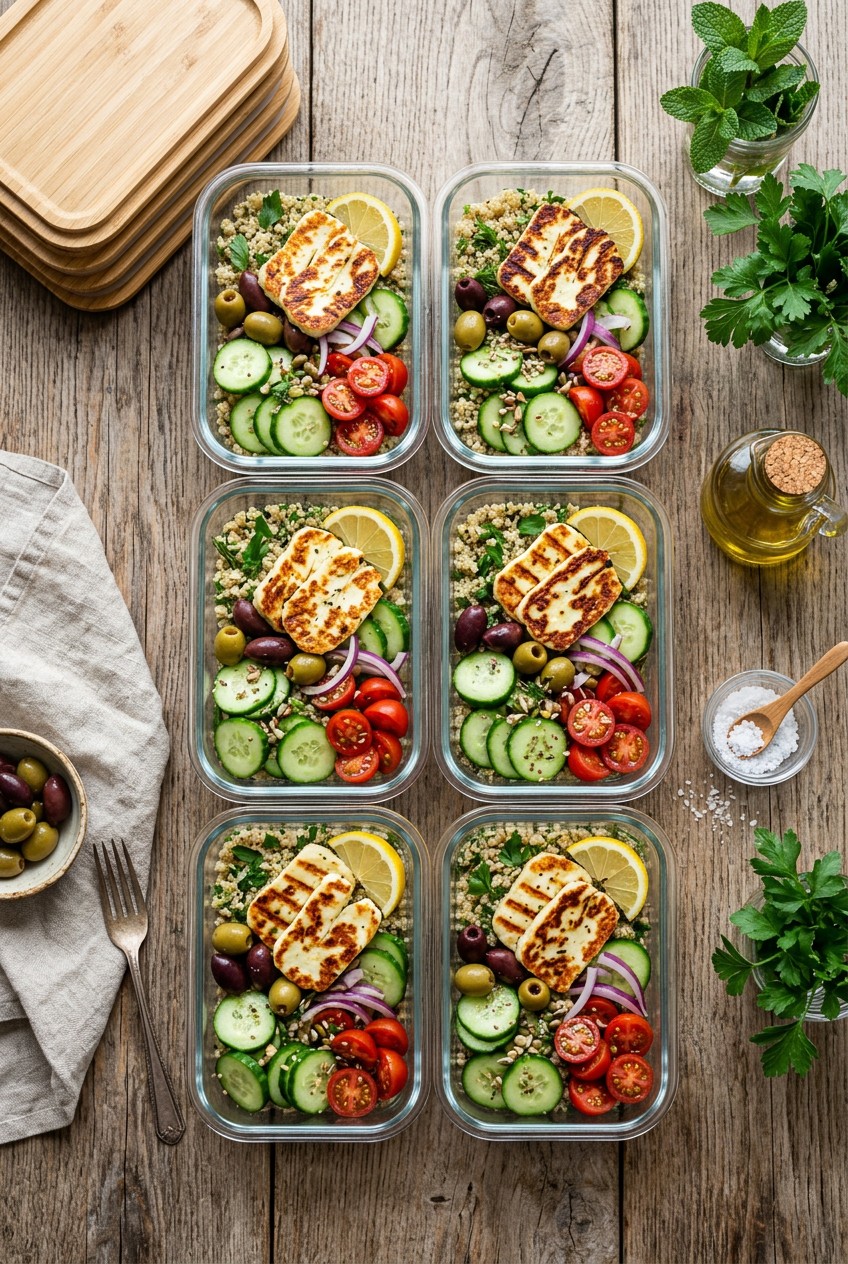
What’s Inside
- Prioritize High-Quality Extra Virgin Olive Oil
- Embrace “Component Prep” for Mediterranean Meal Prep Variety
- Batch Cook Whole Grains for Efficiency
- Roast a Rainbow of Vegetables
- Master Homemade Dressings and Sauces
- Prioritize Plant-Based Proteins and Legumes
- Smart Snacking with Nuts and Seeds
- Utilize Sheet Pan Meals for Minimal Cleanup
- Prep Breakfast Components for Grab-and-Go Options
- Master Mediterranean Meal Prep Portion Control
Last Tuesday at Whole Foods, I found myself staring blankly at a cart full of wilted kale and sad chicken breasts. I’d failed my Mediterranean meal prep completely. I spent $85 on random ingredients that just rotted in my crisper drawer by Thursday. That smell of slimy, decaying spinach leaking onto the glass shelf? I’ll never forget it. If you’re struggling to figure out Mediterranean meal prep, I feel your pain. I did this wrong for months before I finally cracked the code. I used to think it meant eating bland salads, dry fish, and pretending to enjoy fat-free dressing. I was so wrong. You don’t have to suffer through boring lunches to eat healthy. Let’s fix that right now.
1. Prioritize High-Quality Extra Virgin Olive Oil

Skip the fat-free stuff. It tastes like wet cardboard and ruins perfectly good greens. The biggest mistake I made early on was buying the cheapest, clearest oil at Walmart. It had zero flavor, felt greasy, and ruined my salads. You need the good stuff. Dietitians always say authentic, high-quality extra virgin olive oil is the heart of this diet. Look for cold-pressed varieties with high polyphenol content, specifically oils made from Koroneiki olives. I swear by Filippo Berio Organic Extra Virgin Olive Oil. It costs about $13.49 for a 25.3 oz bottle at Target. When you pour it, it looks thick and slightly green, not pale yellow like cheap vegetable oil. It has an incredible peppery kick at the back of your throat. That pepperiness means it’s fresh and full of antioxidants. Drizzle it generously. I’m talking 2 to 4 tablespoons a day across your meals. Don’t be afraid of the fat. Pour it over roasted veggies, whisk it into dressings, or use it as a finishing touch on a hot bowl of lentil soup. When I stopped skimping on olive oil, my food stopped tasting like a punishment. Keep it in a cool, dark cabinet so it doesn’t go rancid. Rancid oil smells like old crayons. I learned that the hard way last summer after leaving a bottle on my sunny kitchen counter for a month. I’m never going back to the cheap stuff.
2. Embrace “Component Prep” for Mediterranean Meal Prep Variety

Eating the same chicken and rice five days in a row is miserable. I tried that traditional prep style two years ago. By Wednesday, I was gagging on cold, rubbery chicken and ordering a pizza instead. Now, I use the component prep method. It’s so much better. You just prep versatile elements and mix them up daily. Last Sunday at Whole Foods, I grabbed exactly what I needed. I cooked a big batch of grains, roasted a huge tray of veggies, and baked some lean protein. For protein, I usually go with 1.5 lbs of boneless skinless chicken breasts or 4 thick salmon fillets. I season them heavily with coarse salt, black pepper, and a heavy squeeze of fresh lemon juice. Then I make a base. Two cups of dry quinoa or farro works perfectly. I also whip up a simple dressing. Storing these components separately means I can make a grain bowl on Monday, a massive salad on Tuesday, and a crunchy wrap on Wednesday. You aren’t locked into one boring flavor profile. You can add a dollop of hummus one day and some crumbled feta the next. You get the crunch of cucumbers, the chewiness of the farro, and the savory bite of chicken all in one bowl. Component prep stops meal fatigue dead. It takes about an hour on a Sunday, and your future self will thank you when you’re throwing together a vibrant, salty lunch in under three minutes on a chaotic Wednesday morning.
3. Batch Cook Whole Grains for Efficiency

Whole grains are the chewy, satisfying base of almost everything I eat. But cooking them from scratch every night? I won’t do it. It takes too long, and I’m exhausted by 6 PM. Batch cooking on the weekend is the only way to survive. I usually hit up Trader Joe’s for their Organic Quinoa. A 16 oz bag costs $3.99 and lasts for weeks. The golden rule for cooking most grains is simple. Use 1 cup of dry grain to 2 cups of water or vegetable broth. That yields about 3 cups of cooked grains. I always use broth instead of water. It adds a savory, salty depth that plain water can’t match. Once cooked, I let the grains cool completely on a baking sheet before putting them in containers. If you pack them while they’re hot, trapped steam turns them into a soggy, congealed brick in the fridge. I ruined a beautiful batch of expensive farro last month because I was too impatient. It was a sticky, gelatinous disaster that went straight into the trash. Store your properly cooled grains in airtight glass containers. They stay fresh for 4 to 5 days. You can toss a handful into a soup to thicken it, or mix them with chopped cucumbers, tomatoes, and parsley for a quick tabbouleh-style salad. Having grains ready means you’re never more than a few minutes away from a filling meal. You might also like: 15 Stunning Aesthetic Batch Cooking You Need to See

8 Pack 36oz Large Glass Meal Prep Containers with lids
8 Pack 36oz Large Glass Meal Prep Containers with lids has been one of the most consistently praised picks in this category. 866 reviewers averaged 4.5/5.
4. Roast a Rainbow of Vegetables

I used to hate vegetables. My mom boiled broccoli until it was gray and mushy. It was traumatizing. Roasting completely changed my mind. High heat caramelizes the natural sugars and creates crispy, blackened edges that taste amazing. Every Sunday, I chop a massive pile of non-starchy vegetables. I’m talking bright red bell peppers, thick slices of green zucchini, and whole crowns of white cauliflower. I usually buy my produce at Sprouts because their weekend sales are fantastic. Last weekend I got three massive bell peppers for just $1.50. Toss your chopped veggies on a large metal baking sheet. Drizzle them with 1 to 2 tablespoons of extra virgin olive oil. Sprinkle a heavy pinch of coarse sea salt, cracked black pepper, and a generous dusting of za’atar. Za’atar is a Middle Eastern spice blend with thyme, sesame seeds, and sumac. It adds a bright, tangy, earthy flavor that makes plain zucchini taste incredible. The smell of roasting garlic and oregano fills the entire kitchen. Roast everything at 400°F for about 25 to 30 minutes until they are tender-crisp. Don’t crowd the pan. If the vegetables are touching, they steam instead of roast. I did this with eggplant once, and it turned into a spongy, wet mess. Give them space to breathe. Roasted vegetables hold up perfectly for 3 to 4 days in the fridge. I throw them into omelets, pile them onto flatbreads, or mix them with my prepped quinoa for an instant dinner. You might also like: 15 Brilliant Salmon Dinner Ideas for Any Style
5. Master Homemade Dressings and Sauces

Store-bought dressings are usually garbage. They’re packed with cheap soybean oil, weird artificial preservatives, and tons of hidden sugar. I used to buy those “healthy” fat-free Italian dressings from Kroger. They tasted like sour chemicals and sadness. Making your own dressings at home takes two minutes and tastes a million times better. A simple lemon-herb vinaigrette can fix almost any boring meal. The ratio is easy: 3 parts extra virgin olive oil to 1 part fresh lemon juice. Add a minced garlic clove, a pinch of dried oregano, sea salt, and black pepper. Put it all in a small glass mason jar and shake it violently. That’s it. It naturally separates, so shake it right before pouring. For something creamy, I make a quick tzatziki. I blend a cup of plain Greek yogurt with grated cucumber, fresh dill, and a crushed garlic clove. Pro tip: you must squeeze the water out of the grated cucumber first. I forgot to do this last Thanksgiving, and my tzatziki turned into a watery, milky soup that ruined the appetizer platter. I use a clean dish towel to wring out the cucumber shreds until they’re dry. Keep these sauces in small glass jars in the fridge. A good sauce makes eating a huge bowl of raw spinach actually enjoyable. You might also like: 15 Gorgeous Chicken Breast Dinner Ideas That Make a Real Difference
6. Prioritize Plant-Based Proteins and Legumes

Most people get this wrong. They think a healthy diet requires eating plain grilled chicken breast for every single meal. That gets expensive and boring quickly. The secret weapon? Legumes. Beans and lentils are insanely cheap, packed with protein, and full of gut-friendly fiber. I aim to use legumes as my main protein source at least twice a week. I buy the 8-pack of Goya Canned Chickpeas at Costco for $8.99. That breaks down to just over $1.10 per can. They’re buttery, nutty, and ready to eat. I rinse them thoroughly in a colander to wash off the salty, slimy canning liquid. You can toss them into a salad, or blend them with tahini and garlic for fresh hummus. If you want to save even more money, buy dried lentils. A 1 lb bag of dried brown lentils costs about $1.50 and yields 6 to 7 cups when cooked. They cook in just 20 minutes and don’t require soaking. A common mistake is eating way too much red meat. I used to eat steak three times a week. Now, I stick to fish and poultry, having red meat maybe once or twice a month. Swapping heavy beef for a hearty lentil stew makes my grocery bill plummet and leaves me feeling lighter and more energized. I can’t believe I didn’t start doing this sooner.
![[8-Pack,30 oz]Glass Meal Prep Containers](https://m.media-amazon.com/images/I/713Zfdsgi4L._AC_UL320_.jpg)
[8-Pack,30 oz]Glass Meal Prep Containers
A dependable everyday pick — [8-Pack pulls in 7 ratings at 4.5 stars. Not flashy, just solid.
7. Smart Snacking with Nuts and Seeds

Snacking is where my healthy eating plans usually fall apart. If I get hungry at 3 PM and don’t have something ready, I’ll absolutely eat a family-sized bag of greasy potato chips. To stop this, I keep pre-portioned bags of nuts and seeds everywhere. My purse, my car console, my desk drawer. A proper serving size is exactly 1 ounce. That looks like a small handful of almonds, walnuts, or pistachios. I buy the Good & Gather Raw Almonds from Target. A 32 oz bag is $13.29. I spend ten minutes on Sunday dividing the big bag into tiny reusable silicone pouches. It stops me from mindlessly eating half a pound of nuts while watching Netflix. I’ve found that pistachios in the shell take longer to eat, which tricks my brain into feeling full faster. Here is a surprising tip that changed how I store them: put your nuts and seeds in the freezer. Because they have high fat content, they can go rancid quickly in a warm pantry. I lost a $15 bag of pine nuts last year because they sat in a hot cupboard for two months. They tasted like bitter soap and ruined my pesto. Keeping them in the freezer extends their shelf life by months, and they keep that perfect, crunchy texture. You don’t even need to thaw them. Just grab a cold handful and start crunching.
8. Utilize Sheet Pan Meals for Minimal Cleanup

I despise washing dishes. Standing over a sink scrubbing three different greasy pots and pans after a long workday is my personal nightmare. That’s why I rely on sheet pan meals. You cook your protein and your sides on one single piece of metal. It’s brilliant. I line a large rimmed baking sheet with non-stick parchment paper. Then, I toss on 1.5 lbs of boneless, skinless chicken thighs. Chicken thighs are vastly superior to breasts. They’re juicier, more flavorful, and harder to overcook. I usually grab a family pack from Walmart for around $8.50. I surround the raw chicken with chopped red onions, sweet cherry tomatoes, and cubed baby potatoes. Drizzle the whole pan with olive oil, sprinkle with oregano, and bake. The chicken juices mix with the olive oil and roast the potatoes in an incredible, savory broth. The sound of the chicken sizzling on the hot pan when you pull it out of the oven is amazing. If I’m doing seafood, I’ll use 4 to 6 oz salmon fillets alongside quick-cooking veggies like asparagus. Salmon cooks much faster, usually in 12 to 15 minutes. A huge mistake I made early on was putting dense root vegetables on the same pan as delicate fish. The fish turned into dry, flaky chalk while the potatoes were still rock hard. Always match the cooking times of your ingredients. If you do it right, cleanup takes thirty seconds. You just throw away the dirty parchment paper and wipe down the pan.
9. Prep Breakfast Components for Grab-and-Go Options

Mornings in my house are a chaotic blur. If breakfast isn’t already made, I’m drinking black coffee and eating a stale granola bar in traffic. Prepping breakfast components on Sunday saves my sanity. My favorite hack is portioning out plain Greek yogurt. I buy the huge 35.3 oz tub of Fage Total 0% Milkfat Plain Greek Yogurt from Trader Joe’s for $5.99. I scoop it into five small glass containers. In the morning, I grab one, throw in a handful of fresh blueberries, and sprinkle some crushed walnuts on top. It takes ten seconds. The yogurt is thick, tart, and packed with protein. If you prefer something sweeter, overnight oats are foolproof. In a small glass jar, mix 1/2 cup of rolled oats, 1 cup of unsweetened almond milk, 1/4 cup of frozen mixed berries, and 1 tablespoon of chia seeds. The chia seeds are mandatory. They absorb the extra liquid and give the oats a thick, creamy, pudding-like texture. I forgot the chia seeds once, and my oats were just a sad, watery soup. I’ve eaten those mushy oats before and it ruined my morning. Put the lids on the jars and leave them in the fridge overnight. You can eat them cold right out of the fridge. Another super easy option is boiling a dozen eggs. Grabbing two hard-boiled eggs and a crisp apple is the perfect, filling breakfast when you’re sprinting out the front door.

KOMUEE 10 Packs 30 oz Glass Meal Prep Containers
If you want something that just works, KOMUEE 10 Packs 30 oz Glass Meal Prep Containers is a safe bet (45 reviews, 4.5 stars).
10. Master Mediterranean Meal Prep Portion Control

It’s really easy to gain weight while eating healthy foods. I know this because I did it. When I first started this, I was eating massive bowls of whole-grain pasta drizzled with half a cup of olive oil. I thought because the ingredients were healthy, the calories didn’t matter. I was so wrong. Portion control is critical for Mediterranean meal prep. A proper serving size of cooked whole-grain pasta is 1/2 to 1 cup. Not a heaping plate that looks like a mountain. To fix my portion blindness, I invested in proper glass meal prep containers. I bought a 10-piece Pyrex glass storage set from Target for $34.99. The glass doesn’t stain when I store red tomato sauce, and it doesn’t warp in the microwave like cheap plastic. Seeing the physical limit of the glass container forces me to pack a balanced amount of food. I fill half the container with roasted greens, a quarter with complex carbs, and a quarter with lean protein. I’d highly recommend buying containers that stack easily so your fridge doesn’t look like a cluttered mess. Dietitian Isabel Vazquez always points out a massive trap people fall into: don’t be fooled by processed foods just because they have a “Mediterranean” label on the box. A box of crackers made with olive oil is still a box of highly processed crackers. Stick to whole, unprocessed foods. Use your glass containers to keep your portions honest. It takes a few weeks to adjust to normal serving sizes, but your digestion and energy levels will improve drastically.
I honestly hope these tips help you avoid the messy, frustrating mistakes I made when I first started. Prepping your meals shouldn’t feel like a punishing part-time job. It’s about setting yourself up for a week of bright, crunchy, flavorful food that makes you feel amazing inside and out. Try starting with just one or two of these habits this Sunday. Maybe roast a big pan of fresh veggies or whisk together that lemon vinaigrette in a mason jar. I promise you’ll notice the difference immediately. Don’t forget to save or pin this article for your next grocery run. You’ve got this.
Frequently Asked Questions
How long does Mediterranean meal prep last in the fridge?
Most cooked grains, roasted vegetables, and proteins will stay fresh in airtight glass containers for 4 to 5 days. Homemade dressings usually last up to a week, but always check for freshness.
Can I freeze my Mediterranean meal prep containers?
Yes! Soups, stews, and cooked meats like chicken meatballs freeze beautifully for up to 3 months. However, avoid freezing fresh salads, cucumbers, or whole-grain pasta, as their textures will become mushy when thawed.
What are the best containers for Mediterranean meal prep?
Glass containers are the absolute best choice. Brands like Pyrex or Glasslock won’t absorb odors or stains from tomato sauces and olive oil, and they are completely safe to reheat in the microwave.
Is Mediterranean meal prep expensive to start?
It doesn’t have to be. While high-quality olive oil is an investment, building meals around affordable staples like dried lentils, canned chickpeas, and seasonal roasted vegetables keeps your grocery bill surprisingly low.
