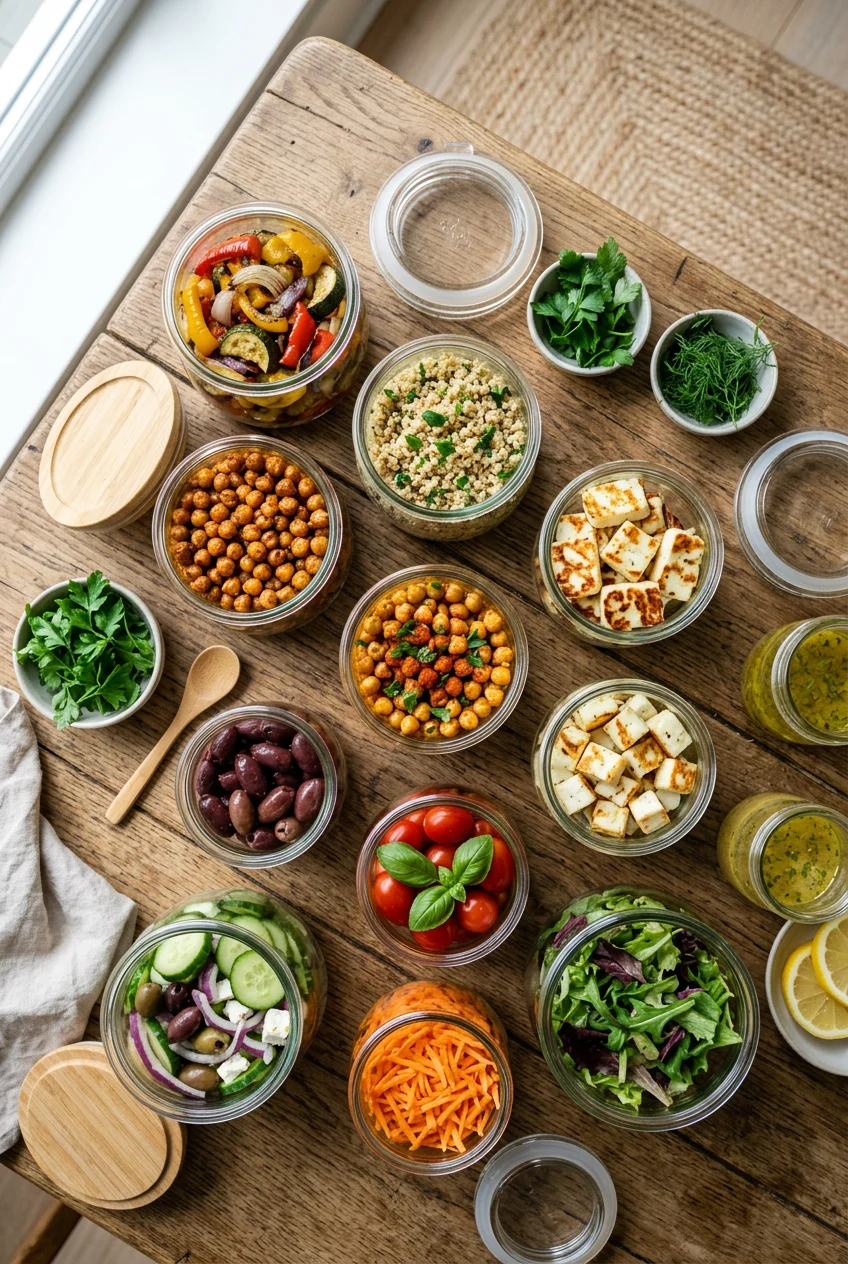
What’s Inside
- Prioritize Plant-Based Proteins In Your Mediterranean Meal Prep For The Week
- Master Batch Cooking Core Ingredients
- Invest In Heavy Glass Containers For Freshness
- Don’t Skimp On Extra Virgin Olive Oil
- Use Frozen Vegetables When You’re Short On Time
- Prep Smart Snacks To Avoid Afternoon Crashes
- The “Too Much Meat” Trap In Mediterranean Meal Prep For The Week
- Measure Your Whole Grain Pasta Portions
- Store Dressings Separately In Small Jars
- Cook Soups And Stews For The Freezer
Last August, I opened my lunch container at my desk and found a depressing puddle of brown cucumber water soaking into what used to be fluffy quinoa. Getting my mediterranean meal prep for the week right took me months of frustrating trial and error. I tried to make a huge batch of intricate salads on a Sunday afternoon, but by Wednesday, everything tasted like a wet kitchen sponge. I used to think I had to cook five separate, complex recipes to eat well. That just leads to severe burnout and a sink full of crusty, burnt pans that you’ll avoid washing for three days. Trust me on this.
Now, I keep things incredibly systematic. I focus on versatile building blocks that actually survive in the cold environment of the fridge without turning to mush. I’m going to walk you through exactly how I stock my fridge in under thirty minutes without making the same soggy, unappetizing mistakes I did when I first started. I rely on specific containers, exact measurements, and strategic grocery store shortcuts to make this lifestyle actually sustainable.
1. Prioritize Plant-Based Proteins In Your Mediterranean Meal Prep For The Week

We need to talk about protein sources. The 2026 trend in nutrition is leaning heavily into higher-protein Mediterranean eating to support muscle maintenance and keep you full, but that doesn’t mean eating dry grilled chicken for every single meal. I learned this the hard way last Tuesday at Whole Foods. I was staring at the meat counter trying to justify spending twenty-two dollars for a few thin chicken breasts. Instead, I pivoted to plant-based proteins and my grocery bill dropped immediately.
I rely heavily on legumes for my daily lunches. A large batch of spicy lentil dal with brown rice or roasted chickpea bowls costs literal pennies per serving. You get plenty of protein and dense dietary fiber to keep you full until dinner time. I also keep a large tub of FAGE Total 0% Milkfat Plain Greek Yogurt in my fridge at all times. It costs about $6.49 for the 32-ounce tub. I use 1 cup of it for my morning breakfast bowl with fresh raspberries. I also thin it out with a little fresh lemon juice and garlic powder for a creamy, tangy sauce over my roasted vegetables.
Skip the fat-free, sugar-loaded flavored yogurts. They taste like chalk mixed with artificial sweetener and leave you hungry an hour later. Stick to the plain Greek yogurt and flavor it yourself. It’s significantly cheaper and much better for your digestion.
2. Master Batch Cooking Core Ingredients

The biggest mistake you can make on a Sunday afternoon is trying to cook five completely different recipes from start to finish. I tried this wrong for months before figuring it out. I’d spend three exhausting hours chopping different vegetables for five different flavor profiles. It’s draining. Instead, master the art of batch cooking core components. Registered dietitians call these building blocks. You cook a few versatile items in bulk and mix them up daily.
I boil a box of Barilla Whole Grain Rotini. A 16-ounce box is usually $1.79 at Target. It provides 7g of fiber and 8g of protein per serving. While the pasta boils rapidly on the stove, I roast two large aluminum sheet pans of whatever seasonal vegetables I have in the crisper drawer. Usually, that means roughly chopped red bell peppers, zucchini, and thick slices of eggplant tossed in olive oil. On the back burner, I simmer a pot of dried green lentils.
That whole process takes exactly thirty minutes of active, hands-on time. When I open the fridge on a rushed Tuesday morning, I just scoop 1/2 cup of the cooked lentils, 1 cup of the cold rotini, and a huge handful of the roasted vegetables into a glass bowl. Decision fatigue is a real problem. If you have the cooked components ready and waiting, you won’t resort to ordering expensive takeout when you’re tired.
3. Invest In Heavy Glass Containers For Freshness

Let’s talk about food storage. If you put your freshly roasted vegetables into cheap, flimsy plastic containers, they’ll spoil faster. I learned this the hard way. My entire car smelled like pungent garlic hummus for a solid month. You need durable, airtight containers to maintain freshness and prevent leaks.
I switched to the Pyrex Mealbox 10-Piece Divided Glass Food Storage Set. You can find it at Costco or Target for about $34.99. The thick glass is freezer-to-oven safe up to 425 degrees Fahrenheit. I like the divided glass sections because they keep my wet ingredients, like diced tomatoes, away from my dry grains. It prevents the dreaded soggy texture.
If you’re carrying a heavy shoulder bag and really don’t want the extra weight of glass, the Rubbermaid Brilliance Food Storage Containers are my backup choice. A 5-cup container costs around $9.99 at most grocery stores. They’re BPA-free, highly stain-resistant, and completely leakproof. The clear plastic latches click down firmly. You can literally hear the rubber seal engage, which gives me peace of mind when I toss it onto my passenger seat. Don’t waste your time with the flimsy plastic takeout containers you washed and saved from last week. They warp in the microwave and leak dressing everywhere.

Rubbermaid Brilliance Tritan Plastic Food Storage
A dependable everyday pick — Rubbermaid Brilliance Tritan Plastic Food Storage Containers BPA Free pulls in 583 ratings at 4.5 stars. Not flashy, just solid.
4. Don’t Skimp On Extra Virgin Olive Oil

I used to be terrified of adding any oil to my food. During my early twenties, I bought into the fat-free salad dressing craze. I poured this zero-calorie, gummy chemical sludge over my fresh greens. It tasted like wet cardboard and left me starving thirty minutes later. The Mediterranean diet relies heavily on healthy fats, specifically high-quality extra virgin olive oil. It’s absolutely essential for both flavor and nutrient absorption. You actually need dietary fat to absorb the fat-soluble vitamins in your spinach and bell peppers.
I use 1 to 2 tablespoons of cold-pressed extra virgin olive oil per serving. I buy the California Olive Ranch 100% California Extra Virgin Olive Oil. A 16.9-ounce bottle is roughly $14.99 at Sprouts. The dark green glass bottle protects the delicate oil from light degradation. I drizzle it over my roasted vegetables right before eating to revive the flat flavors. You might also like: 20 Brilliant Quick Dinner Ideas You’ll Want to Bookmark
I also use it as the rich base for a simple vinaigrette with fresh lemon juice, dried oregano, and crushed black pepper. The slightly peppery finish in the back of your throat is exactly how you know the oil is fresh and full of antioxidants. Don’t buy the giant clear plastic jugs of cheap, blended oil on the bottom shelf. They oxidize quickly under the harsh supermarket lights and taste rancid halfway through the month. You might also like: 20 Inspiring Carnivore Meal Prep Ideas That Are Totally Worth It
5. Use Frozen Vegetables When You’re Short On Time

There’s a weird, judgmental stigma around frozen vegetables in the meal prep community. People act like you have to chop fresh, organic produce every single day to be considered healthy. That’s completely false. Frozen vegetables are picked and flash-frozen at peak ripeness, locking in their nutrients. I use them guilt-free to save significant time on chopping and to stretch my weekly grocery budget. You might also like: 20 Gorgeous Meal Planning Ideas for Any Style
Last week at Target, I grabbed three bags of the Good & Gather Frozen Mediterranean-Style Seasoned Vegetable Blend. It costs $4.79 for a 14-ounce bag. It has roasted red potatoes, thick-cut zucchini, yellow squash, red bell pepper, and red onion. I dump the frozen bag directly onto a hot, foil-lined sheet pan. No thawing required. The high heat evaporates the ice crystals instantly.
I also keep the Birds Eye Steamfresh Mediterranean Style Blend in my freezer for lazy emergencies. A 10-ounce bag is around $2.69 at Kroger. You just microwave it right in the plastic bag for five minutes. If I’m exhausted on a Wednesday night and forgot to prep fresh vegetables on Sunday, this saves my dinner. The texture of frozen zucchini can be slightly softer than fresh, so I recommend roasting it at 400 degrees Fahrenheit to evaporate the excess moisture. It crisps up nicely around the edges.
6. Prep Smart Snacks To Avoid Afternoon Crashes

A major downfall for most people trying to eat better is the 3 PM energy crash. You eat a great, balanced lunch, but by mid-afternoon, you’re raiding the dusty office vending machine for stale potato chips. I used to do this every single Thursday when my energy dipped. To align with the 2026 trend of smarter, more intentional snacking, I prep my snacks just like I prep my main meals.
I buy the 365 by Whole Foods Market Plain Greek Yogurt. A heavy 32-ounce container costs $5.49. I portion out exactly 1 cup of the thick yogurt into small glass jars and top it with 1/2 cup of frozen mixed berries. As the frozen berries thaw slowly in the fridge, they release their juices and create a natural, bright syrup that sweetens the tart yogurt.
I also pre-portion Sabra Classic Hummus into tiny 2-ounce containers (you can buy a 10-ounce tub for $3.99 at Walmart) and pair it with a handful of crunchy baby carrots. Finally, I keep a 1/4 cup plastic measuring scoop right inside my bag of Blue Diamond Whole Natural Almonds (a 16-ounce bag is $8.98). I measure out exactly one scoop into a small silicone bag. If I don’t pre-measure the crunchy almonds, I’ll mindlessly eat half the bag while staring at my computer monitor without even realizing it.

Bento Box Adult Lunch Box – 4 Pack, 5
Bento Box Adult Lunch Box – 4 Pack has been one of the most consistently praised picks in this category. 24 reviewers averaged 4.5/5.
7. The “Too Much Meat” Trap In Mediterranean Meal Prep For The Week

A frequent error I see is people treating the Mediterranean diet like a standard American diet with a few kalamata olives thrown on top. They prep massive, heavy portions of steak or chicken for every single lunch. Registered Dietitian Elena Paravantes advises limiting white meat or fish to once or twice a week, and red meat to no more than once a month. I struggled with this concept at first. I felt like a meal wasn’t complete without a huge, heavy piece of chicken on the plate.
Now, I use meat as a small flavor accent rather than the main event. If I do prep chicken, I buy 1.5 pounds of boneless, skinless chicken breasts (about $8.99 at Trader Joe’s) and bake them slowly with lemon juice and dried oregano. I slice them very thin and distribute them across five days of Greek power bowls. That comes out to just a few ounces per day.
For fish, I make a simple lemon herb salmon with fluffy quinoa and roasted asparagus. I buy a 1-pound Atlantic salmon fillet from Costco for about $12.99. I portion it into three small pieces for the first half of the week. Fish doesn’t hold up well past Wednesday in the fridge, and the smell becomes overpowering. By shifting my main focus to beans and lentils, I feel physically lighter and my digestion is noticeably better.
8. Measure Your Whole Grain Pasta Portions

Whole grains are a vital cornerstone of this lifestyle, but completely overlooking your portion sizes can lead to feeling sluggish and heavy. I used to just dump half a box of cooked pasta into my bowl and call it a day. I’d feel incredibly bloated and tired all afternoon at my desk. When preparing whole grain pasta, you have to measure your servings accurately.
I prefer DeLallo Organic Whole Wheat Linguine. A 16-ounce package is $4.29 at Whole Foods. The texture is pleasantly firm and slightly nutty, unlike some cheaper whole wheat pastas that turn to mush the second they hit boiling water. I aim for a cooked portion of approximately 1 cup per meal. That is equivalent to about 2 ounces of dry pasta.
It doesn’t look like a huge, satisfying amount in the bowl on its own. The trick is to supplement generously with bulky vegetables and legumes to increase the physical volume of the meal. I mix my 1 cup of cooked linguine with 2 cups of sautéed garlic spinach, a huge handful of blistered cherry tomatoes, and 1/2 cup of creamy cannellini beans. You get a massive, visually satisfying bowl of food, but the dense grain portion is strictly controlled. It keeps your blood sugar stable and prevents that heavy, sleepy feeling you get after eating a massive plate of refined white carbs.
9. Store Dressings Separately In Small Jars

Nothing ruins a Tuesday lunch faster than slimy, dressing-soaked romaine lettuce. I used to pour my acidic vinaigrette directly over my meal prep bowls on Sunday night. By the time I ate them, the acid in the lemon juice had completely broken down the cell walls of the vegetables. It was a mushy, unappetizing disaster that I ended up throwing in the trash. A surprising but highly effective tip to prevent soggy meals is to store your dressings and sauces completely separately.
I bought a set of 8-ounce Weck jars from Crate & Barrel for $24.95. They have heavy glass lids and orange rubber gaskets that seal tightly with small metal clips. Every Sunday, I whisk together 1/4 cup of extra virgin olive oil, 2 tablespoons of fresh lemon juice, 1 teaspoon of sharp Dijon mustard, and a pinch of coarse sea salt. I pour this bright yellow dressing into a Weck jar and keep it in the door of my fridge.
I also bought tiny 2-ounce stainless steel condiment containers with flexible silicone lids on Amazon for about $12. I pour a little dressing into a small container and pack it right next to my lunch container. I toss the dressing with my salad or grain bowl just before eating. It ensures crisp textures and vibrant, fresh flavors. It takes an extra thirty seconds in the morning to pack the little cup, but the quality of your lunch improves drastically.

Food Scale, 11lb Digital Kitchen Scale with 6 Units LCD
A dependable everyday pick — Food Scale pulls in 21 ratings at 4.5 stars. Not flashy, just solid.
10. Cook Soups And Stews For The Freezer

My final strategy is relying heavily on the cook once, eat twice method with hearty, liquid-based meals. Many Mediterranean dishes actually taste significantly better the next day. The complex flavors meld together overnight in the cold fridge. I make a massive, steaming batch of rustic lentil and vegetable stew every other Sunday afternoon.
I use a 32-ounce carton of Pacific Foods Organic Vegetable Broth, which runs about $3.99 at Target. I add diced carrots, crunchy celery, a can of crushed tomatoes, and a cup of dry brown lentils. It simmers gently on the stove for thirty minutes while I clean the kitchen counters. I eat one hot portion for dinner that night, save two portions for easy lunches later in the week, and freeze the rest.
I freeze the leftover soup in Souper Cubes. It’s a heavy-duty silicone freezing tray that costs $19.95. The tray freezes the liquid soup into perfect, uniform 1-cup blocks. Once frozen solid, I pop the icy blocks out and store them in a large freezer bag. When I’m too tired to even look at a stove, I just drop a frozen block into a ceramic bowl and microwave it for three minutes. You get a hot, nutrient-dense meal with zero effort. It beats ordering a twenty-dollar delivery pizza when you’re exhausted.
Meal prepping doesn’t have to consume your entire Sunday or leave you with a sink full of dishes. If you focus on batch cooking simple, versatile ingredients and storing them correctly in glass, you’ll save hours of frustration during your busy workweek. I highly recommend starting with just the sheet pan vegetables and the separate dressing containers. Those two small changes alone fixed my soggy lunch problem completely. Pin this guide for your next grocery trip so you don’t forget the exact brand names and measurements.
Frequently Asked Questions
How long does Mediterranean meal prep last in the fridge?
Most plant-based Mediterranean ingredients like roasted vegetables, cooked lentils, and whole grains will last 4 to 5 days in airtight glass containers. If you prep fish like salmon, you need to eat it within 3 days.
Can I freeze Mediterranean meal prep bowls?
You can freeze soups, stews, and cooked grains easily. I don’t recommend freezing fresh salads, cucumbers, or roasted zucchini, as the high water content causes them to turn mushy when thawed.
What are the best containers for meal prep?
Glass containers with airtight, locking lids are the best option. I use the Pyrex 10-Piece Glass Storage Set or Rubbermaid Brilliance containers. Glass doesn’t absorb odors and keeps vegetables crisper than cheap plastic.
How do I keep my meal prep salads from getting soggy?
Always store your vinaigrette in a separate, small container. Pack wet ingredients like tomatoes at the bottom of the bowl, away from delicate greens, and only toss with dressing right before you eat.
