What’s Inside
- Embrace Volume Eating with High-Water Foods
- Master Portion Control Using Clear Containers
- Invest in Quality Low-Calorie Dressings
- Swap to Low-Carb Wraps and Breads
- Batch Cook Lean Proteins Instead of Full Meals
- Let Your Air Fryer Do the Heavy Lifting
- Prioritize Gut Health with Fermented Foods and Fiber
- Plan Your Snacks to Prevent 3 PM Cravings
- Use Spices and Herbs to Replace Calorie-Dense Sauces
- Stock Up on Frozen Produce
I stood in the produce aisle at Whole Foods last Tuesday, staring at a plastic clamshell of slimy spinach. Figuring out meal prep shouldn’t make a person cry over an $18 wilted salad. But there I was. I’m embarrassed to admit how many times I’ve thrown away rotted vegetables because my grand plans for healthy eating fell apart by Wednesday. I did this wrong for months before I figured it out. I’d cook tiny, sad portions of plain chicken and steamed broccoli. I’d be starving by 3 PM and end up eating half a bag of stale tortilla chips in my car. It’s miserable trying to eat healthy when you’re hungry and your food tastes like wet cardboard. Trust me on this.
That’s why I’ve overhauled my Sunday routine. I stopped focusing on restriction and started focusing on strategy. You don’t need to eat microscopic portions to hit your goals. You just need the right ingredients, exact measurements, and a solid plan. I spent years testing different containers, weighing out proteins, and reading nutrition labels until my eyes blurred. I finally found a system that keeps me full, saves me money, and actually tastes good. Let’s talk about what works when you’re trying to prep healthy lunches and dinners without losing your mind or your budget.
1. Embrace Volume Eating with High-Water Foods

Most people get this wrong right out of the gate. I know I did. I’d pack exactly 4 oz of chicken and 1/2 cup of brown rice into a tiny box and wonder why my stomach was growling an hour later. You can’t just eat tiny portions of dense food. You’ll fail. Instead, rely on volume eating. Fill half your plate with non-starchy vegetables that are naturally high in water and fiber.
I swear by bulking up every meal with massive handfuls of greens or cruciferous veggies. A dietitian named Young suggests focusing on broccoli, leafy greens, and cauliflower because they give you that full, heavy feeling for barely any calories. I buy the Trader Joe’s organic broccoli florets ($2.99 for a 12 oz bag) and roast the entire thing until it’s crispy. I’ll take 2 full cups of that roasted broccoli and add it to my lunch container. It takes up so much physical space in the bowl.
I also keep a massive plastic tub of organic baby spinach from Costco ($4.99 for 16 oz) in my fridge. I’ll grab 2 huge handfuls, about 2 cups raw, and wilt it down into soups, pasta sauces, or scrambled egg whites. It shrinks down to almost nothing but adds incredible fiber. If you aren’t physically filling your stomach with these high-water, high-fiber foods, you’re going to feel deprived. Skip the tiny portions. Eat huge bowls of the right stuff.
2. Master Portion Control Using Clear Containers

You can’t eyeball your portions. I tried this for a year and sabotaged my own progress. I’d scoop what I thought was 1/2 cup of quinoa, but it was closer to 1.5 cups. Those extra calories add up fast. You need visual guides and the right storage gear to keep yourself honest. For protein, a palm-sized serving, usually 3 to 4 oz, is a solid reference point. For cooked grains or starchy vegetables, a cupped hand, exactly 1/2 to 1 cup, works perfectly.
Honestly, this changed how I pack my lunches. I finally threw away all my mismatched, stained plastic tubs. Skip the cheap plastic stuff. It stains orange the second you put chili in it and it warps in the microwave. I invested in a 4-pack of Glasslock 3-cup rectangular containers ($24.99 at Target). They’re BPA-free, leak-proof, and microwave-safe.
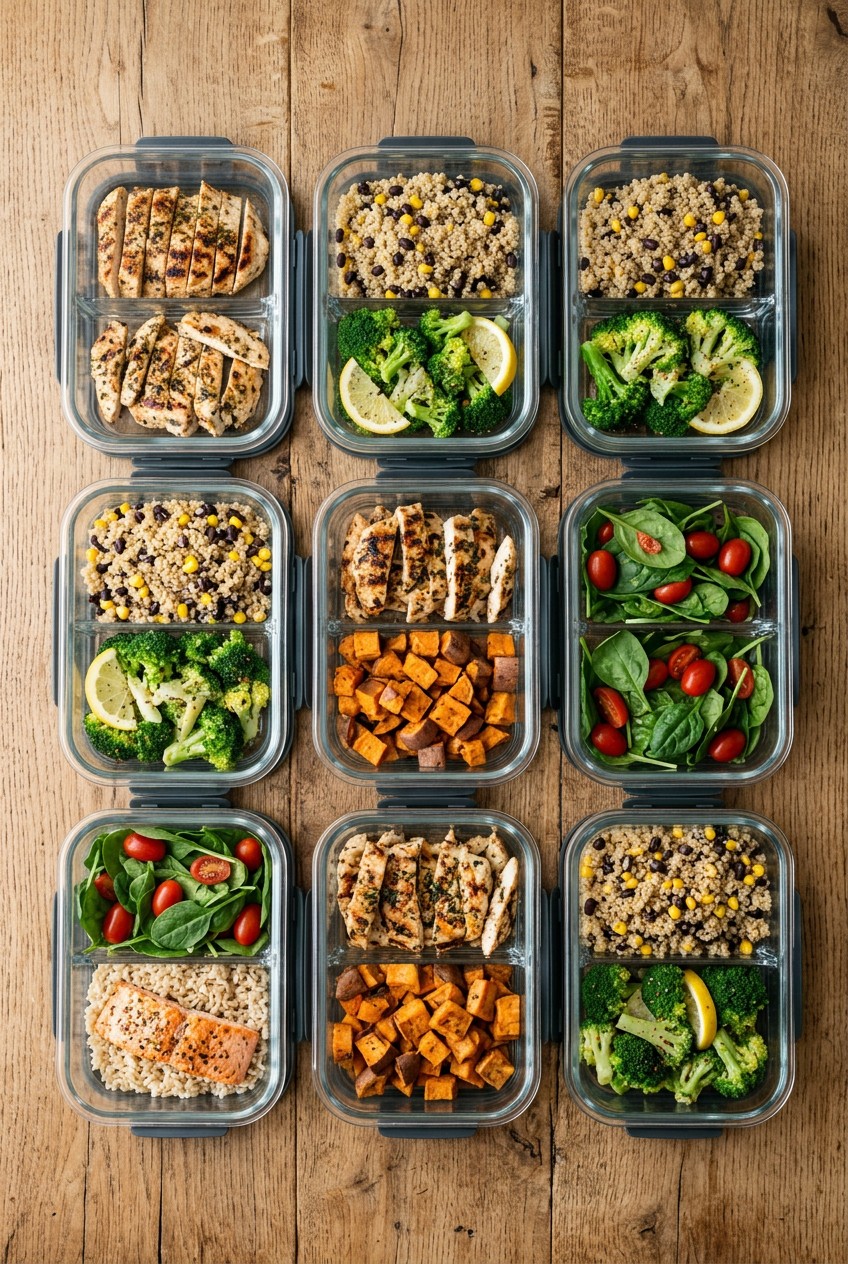
These specific containers make visual portioning foolproof. I know that if I fill exactly half the glass container with my roasted Trader Joe’s broccoli, one quarter with my 4 oz of grilled chicken, and the last quarter with 1/2 cup of brown rice, I’m perfectly on target. I don’t even have to pull out my digital food scale every morning anymore. Using clear containers with distinct visual zones prevents you from accidentally over-serving calorie-dense carbs and under-serving the filling vegetables.
3. Invest in Quality Low-Calorie Dressings

High-calorie dressings will ruin your hard work. I used to pack these beautiful, nutrient-dense salads with spinach, cucumbers, and tomatoes. Then I’d drown the entire thing in 4 tablespoons of full-fat Caesar dressing. I was easily adding 400 calories of pure oil to a meal I thought was light. It’s a devastating mistake. I learned that the hard way.
You need to find low-calorie sauces that don’t taste like chemicals. Skip the generic fat-free stuff. It tastes like wet cardboard and sadness. I’m obsessed with Bolthouse Farms dressings. They make a creamy classic ranch yogurt dressing that has only 50 calories per 2 tablespoon serving. That is drastically lower than traditional ranch, which hits 140 calories for the same amount. I buy the 14 oz bottle for $3.99 at Kroger, and it lasts me two weeks.
If you’re doing barbecue chicken bowls, grab a bottle of G Hughes Sugar-Free Hickory BBQ sauce ($4.49 for 18 oz at Walmart). It has only 10 calories per 2 tablespoons. It has this incredible smoky, sweet molasses flavor without the sugar crash. Walden Farms also makes some decent zero-calorie options, though their pancake syrup is better than their savory dressings. Having these specific bottles in your fridge means you won’t ruin a perfectly portioned 300-calorie chicken salad by dumping a cup of olive oil vinaigrette over the top. You might also like: 15 Brilliant Salmon Dinner Ideas for Any Style

Skroam 10 Pack Glass Meal Prep Containers
Skroam 10 Pack Glass Meal Prep Containers punches above its price — 56 buyers rated it 4.5 stars. I would buy it again.
4. Swap to Low-Carb Wraps and Breads

Bread is usually the first thing people panic about when cutting calories. I refuse to give up sandwiches. I just won’t do it. But eating two thick slices of sourdough bread can easily cost you 300 calories before you even add turkey or mustard. That’s not a great return on investment when you’re trying to stay full. You might also like: 20 Inspiring Meal Prep Ideas for Any Style
Instead, I swap traditional bread for lower-calorie, high-fiber alternatives. My absolute holy grail product is the Mission Carb Balance Flour Tortilla. You can get an 8-count pack for $5.49 at Walmart. Each tortilla contains only 70 calories and 2g net carbs, but they pack a massive 15g of dietary fiber. They’re incredibly soft, pliable, and they don’t crack when you fold them tightly around 4 oz of deli turkey and a handful of spinach. You might also like: 15 Brilliant Batch Cooking Ideas That Actually Work
If I’m craving a flatbread pizza or a massive wrap, I buy Joseph’s Flax, Oat Bran and Whole Wheat Lavash Bread ($3.49 for a 4-pack at Sprouts). Exactly 1/2 of a large rectangular flatbread contains around 60 calories. I’ll toast it in the oven for 5 minutes until the edges get crispy, then load it up with 1/4 cup of marinara sauce and 2 oz of low-fat mozzarella. It satisfies that heavy, doughy craving without blowing through your daily limits. Don’t skip the bread. Just buy the smarter versions.
5. Batch Cook Lean Proteins Instead of Full Meals

I used to spend four hours every Sunday assembling 15 identical plastic containers of chicken, rice, and green beans. By Thursday, the chicken was rubbery, the rice was mushy, and the mere smell of it made me nauseous. Meal fatigue is real. If you force yourself to eat the same fully assembled meal five days in a row, you’re going to end up ordering a $25 pepperoni pizza on Postmates by Friday night.
Now, I prep components instead of full meals. I batch cook large quantities of lean protein so I can mix and match them. I buy a 3 lb pack of Kirkland Signature fresh chicken breasts ($14.99 at Costco). I’ll season the entire batch with salt, pepper, and garlic powder, then grill them all at once. I store them in one large glass container in the fridge.
Every morning, I pull out a 4 oz portion, roughly 25g of protein, and decide what I want. Maybe I’ll chop it cold over a salad with my Bolthouse ranch. Maybe I’ll shred it and mix it with 2 tablespoons of G Hughes BBQ sauce for a quick wrap. Maybe I’ll heat it up alongside 1/2 cup of quinoa. Aiming for 20 to 35g of protein per meal promotes satiety and preserves your muscle mass. Having a massive tub of plain, cooked protein ready to go gives you total flexibility.
6. Let Your Air Fryer Do the Heavy Lifting

If you don’t have an air fryer yet, you’re making your life harder than it needs to be. The air fryer is basically mandatory for making healthy, crispy food with barely any oil. I used to coat my vegetables in 3 tablespoons of olive oil just to get them to roast properly in the oven. That’s almost 360 extra calories just in cooking fat.
I use a Ninja 4-Quart Air Fryer ($89.99 at Target). It heats up instantly and creates this incredible sizzling, crispy texture on the outside of food while keeping the inside juicy. I make crispy chicken thighs by lightly spraying them with 100% avocado oil spray, about 15 calories worth, and tossing them in the basket for 18 minutes at 390 degrees. You get a perfectly crispy piece of chicken for around 200 calories.
My favorite trick is making buffalo cauliflower bites. I take 2 cups of fresh cauliflower florets, spray them lightly with oil, and air fry them until the edges get dark brown and crispy. Then I toss them in 2 tablespoons of Frank’s RedHot Buffalo Wings Sauce ($3.79 for a 12 oz bottle at Kroger), which has zero calories. It smells intensely of spicy vinegar and hits that exact craving for bar food. You get a massive bowl of spicy, crunchy bites for roughly 165 calories.

M MCIRCO 10-Pack,30 Oz Glass Meal Prep Containers 2
M MCIRCO 10-Pack punches above its price — 23 buyers rated it 4.5 stars. I would buy it again.
7. Prioritize Gut Health with Fermented Foods and Fiber

A lot of people ignore their gut health when they’re cutting calories. I did this too. I’d eat tons of artificial sweeteners and processed protein powders, and my stomach would be bloated and miserable all week. A healthy gut actually supports your overall well-being and helps manage your hunger cues. You need to incorporate fermented foods and heavy fiber into your weekly routine.
I always keep a massive 32 oz tub of Fage Total 0% Plain Greek Yogurt ($6.99 at Sprouts) in my fridge. Do not buy the pre-flavored yogurts. They’re loaded with hidden cane sugar and barely any actual fruit. The plain 0% Fage is incredibly thick, tart, and packs 18g of protein per 3/4 cup serving for only 90 calories. I use it as a base for sweet parfaits or even as a sour cream substitute on turkey tacos.
To boost the fiber, I add exactly 2 tablespoons of Bob’s Red Mill Ground Flaxseed ($4.69 for a 16 oz bag at Whole Foods) to my morning yogurt. It adds a nutty, earthy flavor and thickens the yogurt up beautifully. I also keep a jar of Bubbies Sauerkraut ($5.99) on hand. Adding a 1/4 cup scoop of cold, crunchy, salty sauerkraut to a turkey wrap adds almost zero calories but gives you a massive hit of probiotics.
8. Plan Your Snacks to Prevent 3 PM Cravings

A massive mistake I see constantly is pretending you aren’t going to snack. You pack a perfect 400-calorie lunch, eat it at noon, and then by 3:30 PM your blood sugar drops. You’re shaking, you can’t focus on your emails, and you end up eating three donuts from the office breakroom. You have to plan for snacks to prevent these cravings. No exaggeration.
I intentionally prep portion-controlled snacks every single Sunday. I buy a 12-pack of Quest Nutrition Chocolate Chip Cookie Dough protein bars ($24.99 at Target). I keep two in my purse and two in my desk drawer at work. They have 21g of protein and 14g of fiber for 190 calories. They literally taste like chewy, sweet cookie dough.
I also prep fresh snacks. I’ll take a bag of baby carrots ($1.49 at Trader Joe’s) and divide them into small Ziploc bags, exactly 1/2 cup each. I’ll pair a bag of carrots with a tiny 2 oz plastic ramekin filled with 2 tablespoons of my Bolthouse ranch dressing. Keep a running list of nutrient-dense staples like canned tuna, dry roasted almonds, or Mary’s Gone Crackers ($4.99 a box) for quick, no-cook backups. If you have a crunchy, salty snack already measured out, you won’t raid the vending machine.
9. Use Spices and Herbs to Replace Calorie-Dense Sauces

Flavor is the secret to not hating your diet. If you’re eating boiled chicken and plain steamed rice, you’re going to quit by Wednesday. I used to rely on heavy teriyaki sauces or butter to make my food taste good. Now, I utilize a massive variety of dry spices and fresh herbs. It’s a tip that changes how much you enjoy your food.
You can add aggressive, punchy flavors without adding a single calorie. I keep a bottle of McCormick Smoked Paprika ($4.59 for 1.75 oz at Kroger) right next to my stove. I dust 1 teaspoon of it over plain chicken breasts before grilling. The earthy, smoky aroma hits the hot cast iron pan and makes the kitchen smell like a barbecue joint. I also rely heavily on garlic powder, onion powder, and lemon pepper seasoning.
Don’t ignore fresh herbs, either. I buy a bunch of fresh dill ($1.99 at Whole Foods) and chop it up finely. I’ll mix 1 tablespoon of fresh dill into my plain Fage Greek yogurt with a squeeze of fresh lemon juice and a pinch of salt. It creates a bright, tangy tzatziki sauce that tastes fresh over roasted salmon. Experimenting with bold spices keeps your meals exciting and prevents the dreaded boredom of eating healthy.

8 Pack 36oz Large Glass Meal Prep Containers with lids
If you want something that just works, 8 Pack 36oz Large Glass Meal Prep Containers with lids is a safe bet (866 reviews, 4.5 stars).
10. Stock Up on Frozen Produce

I used to think fresh vegetables were the only healthy option. I’d spend $30 on beautiful fresh berries and delicate greens, only to find them rotting in the crisper drawer by Friday. It’s infuriating throwing away expensive food. Frozen produce is often just as nutritious as fresh because it’s flash-frozen at peak ripeness. Plus, it’s significantly more cost-effective.
I buy frozen vegetables in bulk for my bowls. A standard bag ranges from $2 to $5, and there is zero food waste. I grab the Trader Joe’s Frozen Organic Mixed Berries ($3.99 for a 12 oz bag). I’ll take exactly 1/2 cup of the rock-hard, frosty berries and microwave them for 45 seconds until they burst and create a warm, sweet syrup. I pour that directly over my Greek yogurt.
For savory dishes, I keep bags of frozen chopped spinach and frozen broccoli florets from Walmart ($1.98 a bag). If I’m making a quick stir-fry, I don’t even thaw them. I just toss 1 cup of frozen broccoli directly into my hot skillet with 1 teaspoon of sesame oil and 1 tablespoon of low-sodium soy sauce. They cook perfectly in five minutes. Relying on frozen produce means you always have low-calorie volume foods ready to go, even if you haven’t been to the grocery store in two weeks.
I promise that getting your Sunday routine dialed in doesn’t have to be a miserable, restrictive chore. Once you stop fearing carbs and start utilizing massive amounts of fiber, smart sauces, and the right containers, everything clicks. I’d suggest starting with just one or two of these changes this week. Maybe buy the clear containers or grab a bottle of that Bolthouse ranch.
You won’t believe how much easier your week gets when you have delicious, filling food waiting for you in the fridge. Pin this post or save it to your bookmarks so you can reference these exact brands and prices before your next grocery run. Let’s make this the week you finally conquer your fridge without feeling starved!
Frequently Asked Questions
What is the best way to start meal prep low calorie routines?
Start by batch cooking versatile lean proteins like grilled chicken or salmon. Instead of prepping full meals, prep components. Pair your protein with high-volume, low-calorie vegetables like roasted broccoli or fresh spinach to keep you full without exceeding your calorie limits.
How long do low calorie prepped meals last in the fridge?
Most cooked proteins and roasted vegetables will last 3 to 4 days in airtight glass containers. If you’re prepping for the whole week, I’d recommend freezing portions for Thursday and Friday to ensure everything stays fresh and safe to eat.
Can I use dressings in low calorie meal prep?
Absolutely, but you need to read labels carefully. Swap heavy oil-based vinaigrettes for yogurt-based dressings like Bolthouse Farms, which offer creamy textures for only 50 calories per serving. Keep dressings in a separate small container until you’re ready to eat.
What are the best containers for portion control?
I highly recommend using 3-cup rectangular glass containers with snap-on lids. Glass won’t stain or warp in the microwave. Visually filling half the container with veggies, a quarter with protein, and a quarter with carbs makes portion control incredibly easy.
