What’s Inside
- Invest In Quality Glass Containers For Meal Prep For One
- Embrace Component Prep Instead Of Full Meals
- Utilize Your Freezer Strategically With Silicone Trays
- Master Sous Vide For Perfectly Cooked Solo Proteins
- Practice First In First Out With Clear Labeling
- Prioritize Food Safety And Reheating Standards
- Stop Over-Planning Your Meal Prep For One
- Keep Shelf-Stable Staples For No-Cook Days
- Shop Smart For Single Servings And Versatile Produce
- Use Smart Kitchen Appliances For Faster Prep
Last Tuesday at Whole Foods, I watched a woman unload six giant family-sized packs of chicken breasts into her cart. My stomach dropped. I tried doing that exact bulk-buying method for my meal prep back in 2023. It ended with me throwing away three pounds of slimy, gray chicken that smelled like wet dog. No exaggeration. Figuring out meal prep for one takes a different strategy than feeding a family of five. Most advice online assumes you’re cooking for a small army. When you live alone, making a massive casserole just means you’re eating soggy, gelatinous noodles by Thursday. I spent months eating rubbery microwaved rice before I realized my storage methods were wrong. You need a system that prevents food waste while keeping your dinners actually appetizing.
My fridge used to be a graveyard of forgotten spinach bags turning into brown sludge. I’d spend $85 at Trader Joe’s on Sunday, cook everything at once, and by Wednesday I was so sick of my own cooking I’d order a $25 pizza instead. That defeats the purpose of preparing your food in advance. I had to change my entire approach to grocery shopping and cooking. Let’s fix your routine so you stop wasting money and actually enjoy your leftovers.
Invest In Quality Glass Containers For Meal Prep For One

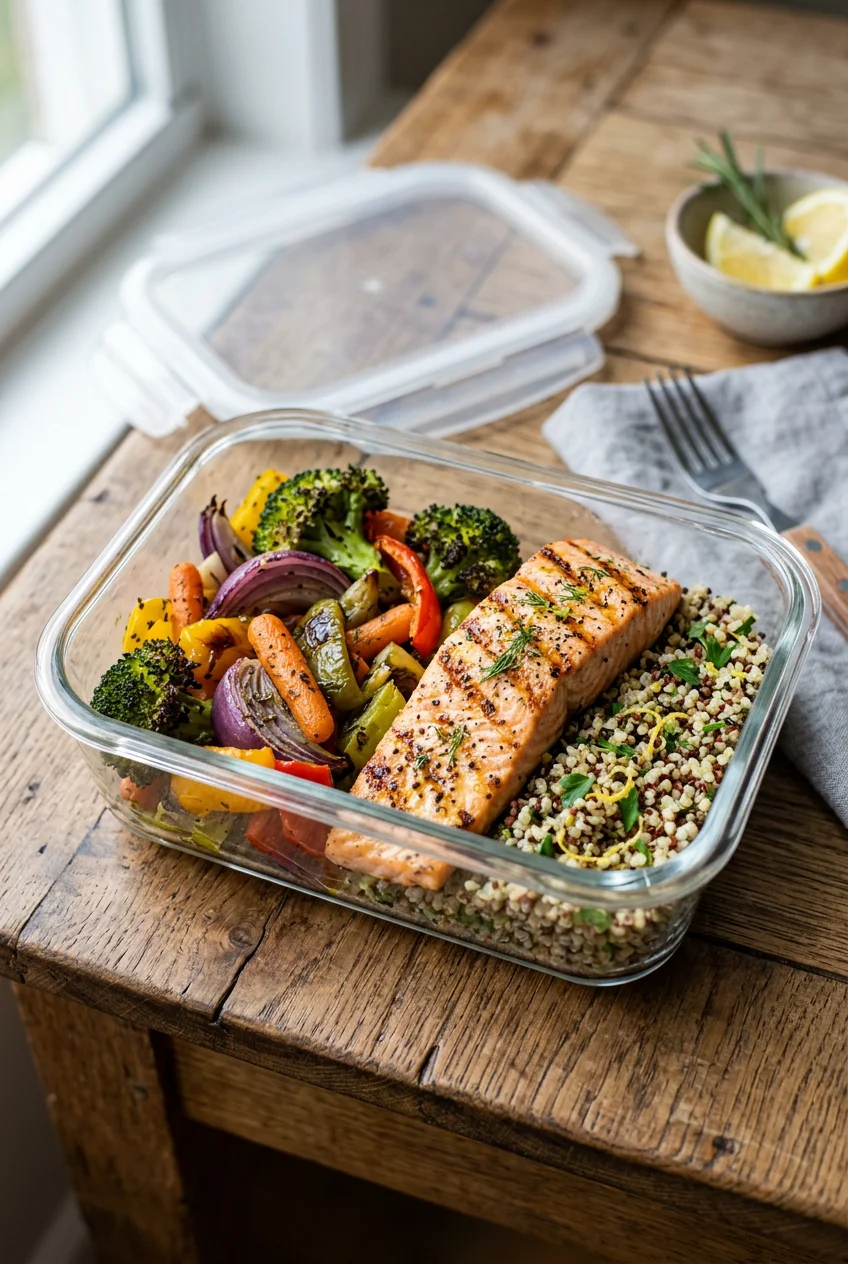
Skip the flimsy plastic tubs you get from takeout restaurants. I used those cheap plastic containers for a year, and they permanently absorbed the smell of a garlic curry I made in February. Every single thing I put in them afterward tasted faintly of old garlic. Learned that the hard way. You need durable glass containers. Brands like Pyrex, OXO Smart Seal, and Rubbermaid Brilliance offer sets that last. A standard 10-piece Pyrex glass set typically costs $24.99 at Target. They’re microwave, freezer, and dishwasher safe. You can even put the heavy glass bases directly in the hot oven.
If you want something nicer, Caraway makes ceramic-coated glass containers. A 13-piece set runs around $89.99 to $125.99. I bought the Caraway set in sage green last October. The ceramic coating means sticky foods like scrambled eggs don’t glue themselves to the corners, which saves me ten minutes of scrubbing at the sink. The tradeoff is that the Caraway lids aren’t perfectly leakproof for thin liquids, so I don’t travel with soups in them. Glass containers don’t retain odors or weird orange tomato sauce stains. Plus, their transparency helps you identify what you have sitting in the fridge. When I can see the 1/2 cup of leftover roasted sweet potatoes clearly through the glass, I actually remember to eat them before they spoil.
Embrace Component Prep Instead Of Full Meals

Most people get this wrong. They cook four identical containers of chicken, rice, and broccoli on Sunday afternoon. By Wednesday, the thought of eating that exact same flavor profile makes you want to skip lunch. The texture gets mushy, the flavors meld into one boring note, and you lose your appetite. Instead of cooking entire dishes, focus on preparing individual components. Meal prep expert Eleanor Henry suggests this building blocks approach to avoid culinary fatigue.
For example, I roast 1.5 lbs of chicken breast on a sheet pan with salt and pepper. Then I steam 3 cups of fresh broccoli florets until they’re just barely tender, and cook 2 cups of dry quinoa on the stove. I store all three ingredients in separate glass containers. On Monday, I toss 4 oz of the cold chicken with 2 tablespoons of Primal Kitchen Buffalo Sauce ($5.49 at Sprouts) and wrap it in a flour tortilla. On Tuesday, I build a warm grain bowl with 1/2 cup of quinoa, 1 cup of broccoli, and the chicken topped with a sharp lemon vinaigrette. You mix and match throughout the week. This prevents food boredom. I tried the full-meal method for months before figuring out that my palate needs daily variety. Keeping your proteins and grains plain until the day you eat them allows you to change the flavor profile based on your mood.
Utilize Your Freezer Strategically With Silicone Trays

When you’re cooking for one, the freezer is your main defense against food waste. The mistake I always made was freezing leftover soup in one massive plastic tub. When I wanted a single bowl on a rainy Tuesday, I had to thaw a giant ice block of chili, which took six hours. Now, I use Souper Cubes. These are heavy-duty, thick silicone freezer trays. I bought the 2-cup portion tray for $34.95 at Sur La Table, and it fixed my soup storage problem.
Immediately after cooking a large batch of stew, I pour the hot leftovers into the square compartments and freeze them overnight. Once they freeze solid, I pop out the individual bricks and transfer them to a freezer-safe bag. This saves freezer space because the blocks stack flat. I currently have four frozen blocks of lentil soup sitting in my freezer. When I’m too tired to cook, I grab exactly one block, drop it in a small saucepan with 1/4 cup of water, and heat it up over medium heat. Always freeze half of what you prepare on day one. It extends the food’s lifespan and builds a personal frozen grocery store for lazy nights when you’d otherwise order expensive takeout. You can also freeze cooked grains. I freeze 1-cup portions of brown rice in these trays. When microwaved with a damp paper towel over the top, the rice steams back to a fluffy texture instead of drying out. You might also like: 10 Healthy Lunch Meal Prep Worth Trying

Etekcity Food Kitchen Scale
Etekcity Food Kitchen Scale punches above its price — 1,736 buyers rated it 4.5 stars. I would buy it again.
Master Sous Vide For Perfectly Cooked Solo Proteins

Cooking a single piece of meat in a large skillet often leaves it dry and rubbery. The sous vide method fixes this. I use an Anova Culinary Precision Cooker ($149.00 at Best Buy) attached to the side of a large metal pot filled with water. You vacuum-seal your raw protein in FoodSaver bags ($19.99 for a roll at Walmart) and drop it in the water bath. I cook a single 6 oz chicken breast at exactly 140 degrees Fahrenheit for 2 hours. For a tough cut like pork shoulder, I set the water to 155 degrees Fahrenheit for 5 hours. You might also like: 15 Cozy Easy Dinner Ideas for Every Budget
This hands-off cooking ensures perfectly tender, juicy results every time. I’ve used this specific Anova model for two years. The only negative is that the vacuum bags can be annoying to seal if you add too much liquid marinade. The moisture gets sucked up into the heat seal line and prevents it from closing properly. I learned that the hard way when a bag of teriyaki chicken leaked directly into my water bath. Once the meat finishes, I keep it inside the sealed bag in the fridge. When I want dinner, I open the bag, pat the meat dry, and sear it in a hot cast-iron pan for 60 seconds per side. You might also like: 10 Easy Meal Prep Lunches You Need to See
Practice First In First Out With Clear Labeling

A full fridge looks great on social media, but it usually hides a lot of rotting food shoved in the back. A common mistake is forgetting exactly when you cooked a specific dish. Three days later, you pull out a container and play a dangerous guessing game by sniffing it. Always label your containers with the dish name and the date you cooked it. I use a roll of blue Scotch painter’s tape ($4.98 at Home Depot) and a basic black Sharpie ($2.49 at Kroger). The tape sticks to glass perfectly but peels off effortlessly without leaving sticky residue in the dishwasher.
Implement a strict first in, first out system on your shelves. Put the newest prepped food at the very back. Move the older containers to the front edge where you can’t ignore them. This simple visual habit reduces food waste and eliminates mystery meals. Before I started doing this, I’d constantly find containers of roasted vegetables shoved behind a milk jug, covered in white fuzz. Now, if I see a blue label that says “Roasted Carrots – Tuesday,” I know I have until Friday to eat them or move them to the freezer.
Prioritize Food Safety And Reheating Standards

Food safety matters when you cook meals days in advance. Health inspector Jeff Eisert notes that a significant number of food poisonings originate from improperly handled home-prepared foods. You can’t just leave a massive hot pot of chili sitting on the stove to cool down for six hours. The temperature danger zone is between 40 and 140 degrees Fahrenheit. Bacteria multiply fast in that range.
Cool your cooked food rapidly and put it in the refrigerator within 2 hours. I speed up the cooling process by transferring hot rice from the cooking pot into a wide, shallow glass baking dish. Spreading it out drops the temperature in twenty minutes instead of two hours. When you reheat your prepped meals, always ensure they reach an internal temperature of 165 degrees Fahrenheit. I use a ThermoWorks Thermapen ONE digital thermometer ($109.00 directly from their site). Yes, spending over a hundred dollars on a kitchen thermometer feels ridiculous. I hesitated for months before buying it. But it reads the temperature in one second, which matters when you’re checking a chicken breast and don’t want to burn your hands. Microwaves heat food unevenly, leaving cold spots where bacteria survive. Always stop your microwave halfway through the heating cycle to stir your food.

Rubbermaid Brilliance Tritan Plastic Food Storage
Rubbermaid Brilliance Tritan Plastic Food Storage Containers BPA Free punches above its price — 583 buyers rated it 4.5 stars. I would buy it again.
Stop Over-Planning Your Meal Prep For One

A massive mistake that leads straight to meal prep burnout is attempting to cook an entire week’s worth of unique meals in one afternoon. I tried doing this in January 2024. I spent four hours on a Sunday chopping ingredients for five different intricate recipes. By the time I finished doing the mountain of dishes, my back ached, my kitchen was covered in grease, and I hated the idea of cooking. Trust me on this.
Instead of doing that, focus on 2 or 3 core recipes per week that yield 2 to 3 servings each. This strategy reduces your initial time commitment and makes the process sustainable. For example, I’ll make a batch of turkey meatballs that provides three dinners. To make cleanup faster, I bake them on Reynolds parchment paper ($4.99 at Kroger). Then I’ll make a large portion of Mediterranean pasta salad that covers three lunches. That covers six meals total. You don’t need a perfectly scheduled spreadsheet for every bite. Allowing for flexibility means you aren’t forcing yourself to eat a pre-planned container of cold salmon on a Friday night when you really just want a greasy burger. Keep your cooking plans realistic so you don’t quit after week two.
Keep Shelf-Stable Staples For No-Cook Days

Sometimes Sunday rolls around and you have zero energy to chop vegetables or stand over a hot stove. You need a backup plan that doesn’t involve an expensive delivery app. Maintain a well-stocked pantry with shelf-stable items. I always keep three cans of S&W Black Beans ($1.29 each at Sprouts), two cans of Mutti Polpa diced tomatoes ($3.49 each), and a 2-pound bag of Mahatma jasmine rice ($3.18 at Walmart).
These simple ingredients combine quickly for nutritious meals on days when your fresh groceries are gone. You can make a fantastic black bean and tomato rice bowl in fifteen minutes using just pantry items and some basic spices like cumin and garlic powder. Many delicious meals can be created almost entirely from cans, often costing under $2 per serving. I also keep a jar of Better Than Bouillon Roasted Chicken Base ($5.49 at Target) in my fridge door to add quick savory flavor to plain rice or canned beans. Relying on your pantry takes the pressure off your weekend prep session. If you only manage to prep two days of fresh food, your pantry staples will carry you through the rest of the week.
Shop Smart For Single Servings And Versatile Produce

When cooking for one, precise shopping prevents you from throwing away rotting vegetables. Buying in bulk at Costco sounds like a smart financial move until you have to throw away a massive 3-pound bag of slimy, foul-smelling spinach. Opt for individual items. I buy a single broccoli crown, one red bell pepper, and three loose carrots at Whole Foods. It costs slightly more per ounce than the giant pre-packaged bags, but it costs less overall because I actually eat all of it instead of trashing half.
Choose versatile vegetables that work in multiple dishes. A single red onion can be diced raw for a salad on Monday, pickled in white vinegar on Wednesday, and sautéed for a chicken stir-fry on Thursday. I store my fresh produce in an OXO Good Grips GreenSaver Produce Keeper ($15.99 at Target). It has an elevated plastic basket that keeps moisture away from the vegetables and a carbon filter in the lid to absorb ethylene gas. I bought the 1.5-quart size for delicate berries. It keeps a $4.99 pint of strawberries fresh and firm for a full week, whereas they used to get soft and moldy in their original plastic clamshell within three days.

Bento Box Adult Lunch Box – 4 Pack, 5
Bento Box Adult Lunch Box – 4 Pack punches above its price — 24 buyers rated it 4.5 stars. I would buy it again.
Use Smart Kitchen Appliances For Faster Prep

Modern appliances streamline the solo cooking process, especially when you don’t want to heat up your entire house. If you’re roasting a small portion of vegetables, turning on a massive conventional oven wastes time and energy. An air fryer handles small batches perfectly. I use the Ninja Foodi Smart XL 6-in-1 Air Fryer ($169.99 at Target). I toss 1 cup of halved Brussels sprouts with 1 teaspoon of olive oil and air fry them at 375 degrees Fahrenheit for 12 minutes. They come out incredibly crispy.
For batch cooking grains, an Instant Pot Duo 7-in-1 ($99.99 at Walmart) cooks 1 cup of dry brown rice in 22 minutes without me having to watch a pot boil over. I also recommend using a digital food scale for precise portioning. I use the OXO Good Grips 11-Pound Stainless Steel Food Scale ($55.99 at Best Buy). Weighing out exactly 4 oz of chicken or 50 grams of dry pasta ensures your single servings are accurate and prevents you from accidentally cooking enough to feed three people. To store my prepped dry snacks, I use reusable Stasher Silicone Bags ($12.99 for the sandwich size at Whole Foods). They hold my chopped carrots, seal tightly, and reduce my plastic waste.
Meal prep for one doesn’t have to mean eating sad, soggy leftovers out of a stained plastic tub for five days straight. I spent a long time getting this wrong before I realized that component prepping and proper freezer storage change everything. Grab some glass containers, plan just three meals, and start small this weekend. Save this post to your Pinterest prep boards so you have these temperatures and brand recommendations handy before your next grocery run. You’ve got this.
Frequently Asked Questions
How long does meal prep for one last in the fridge?
Most cooked meals last three to four days in the refrigerator when stored in airtight glass containers. Always label your food with the exact date you cooked it, and freeze anything you won’t eat by day four to prevent bacterial growth and food waste.
What is the best way to avoid food boredom when cooking for one?
Use the component prep method instead of making full meals. Cook your proteins, grains, and vegetables separately and store them in individual containers. This allows you to mix and match different sauces and spices each day so your meals always taste completely different.
How do I prevent food waste when doing meal prep for one?
Always freeze half of your cooked soups and stews immediately in silicone trays. Shop for single-serving vegetables like loose carrots or a single broccoli crown instead of bulk bags, and maintain a strict first in, first out organization system in your refrigerator.
Is buying bulk groceries a good idea for single person meal prep?
Buying fresh produce or raw meat in bulk usually leads to massive food waste for single households. Only buy dry pantry staples like rice and canned beans in bulk. Purchase your fresh ingredients weekly in exact portions to ensure you actually consume them before they spoil.
