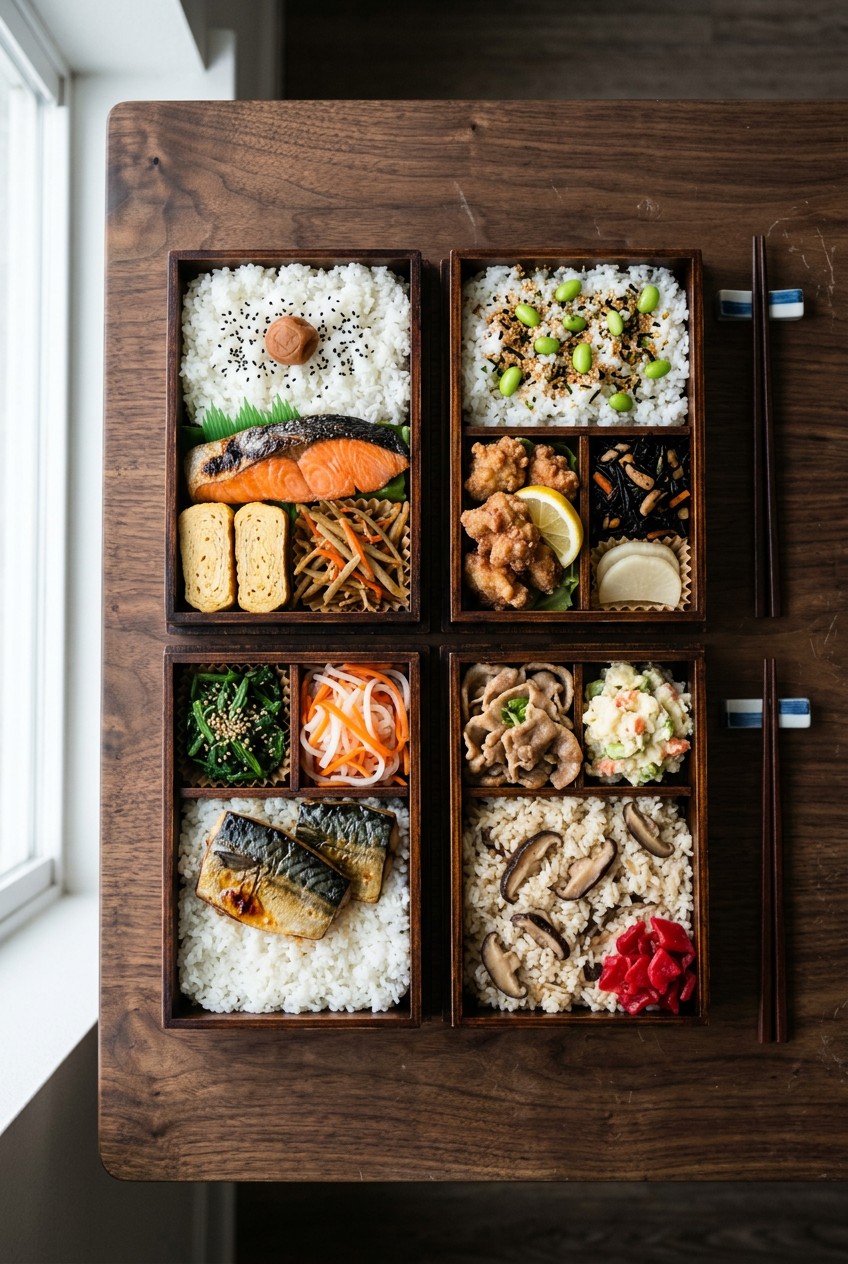
What’s Inside
- Invest In A Quality Rice Cooker For Japanese Meal Prep
- Stock Your Pantry With Core Condiments
- Master The Bento Box Formula For Balanced Meals
- Build Deep Umami With Key Ingredients
- Batch Cook Proteins With Flavorful Marinades
- Prep Versatile Vegetable Sides In Advance
- Prepare Homemade Teriyaki Sauce In Advance
- Embrace Plant-Based And Ocean-Based Trends
Last Tuesday at Whole Foods, I stared down a sad, $12.99 plastic tray of soggy sushi. My lunch game was broken. Chewing that cold, hard rice made me dive into authentic Japanese meal prep. I did it all wrong for months. I’d buy random ingredients, toss them in a tub, and wonder why my Wednesday lunch tasted like a damp sponge. The deli aisle smell still makes me shudder. If you’re tired of spending ten bucks a day on mediocre takeout, you’re in the right place. Authentic Japanese meal prep isn’t about carved radish flowers or six hours in the kitchen. It’s about smart batch cooking, aggressive flavor building, and the right tools. I’m going to walk you through how I stock my fridge. I’ll share the brands I buy, my mistakes, and the ratios that keep food fresh for days. Let’s fix your lunch routine.
1. Invest In A Quality Rice Cooker For Japanese Meal Prep

When I started, I refused to buy a dedicated appliance. I’m stubborn. I’d stand over a pot, burning the bottom into a crusty mess while the top stayed crunchy. The smell of scorched starch in my tiny apartment is a memory I won’t forget. If you’re serious, you need a machine. A high-quality Japanese rice cooker is the cornerstone of efficient cooking. I swear by the Zojirushi Neuro Fuzzy NS-ZCC10. It’s a 5.5-cup model that costs $235.99 at Target. Yes, it’s an investment. It uses fuzzy logic to ensure fluffy, even rice every time. You press a button, it plays a melody, and an hour later, you have fragrant rice that doesn’t stick. If you’re on a tighter budget, the Tiger JBV-A10U is $159.99 at Walmart and works beautifully. These use induction heating to keep the bowl warm. I prep 4 cups of dry short-grain rice every Sunday. I wash it three times until the water runs clear, fill it to the line, and let the machine do the heavy lifting. The texture is night and day compared to my old stovetop disasters. You get plump, glossy grains that hold their shape for four days. Most people buy a twenty-dollar cooker that turns rice into mush. Don’t do that. Treat your grains with respect.
2. Stock Your Pantry With Core Condiments

Having essential Japanese condiments makes weekly cooking easier. A few years ago, I bought a generic, fat-free sesame dressing. Skip it. It tastes like wet cardboard. You need authentic staples to build flavor. Trust me. Key staples include Kikkoman Soy Sauce. I buy the massive 64 oz bottle for $17.50 at Costco because I go through it fast, but you can grab a 5 fl oz bottle for $1.59 at Kroger. You also need Marukome Organic Miso Paste. I pick up the 13.2 oz tub for $7.29 at Sprouts. The earthy, fermented smell of fresh miso is incredible. You’ll also need mirin, cooking sake, rice vinegar, and toasted sesame oil. Cooking sake is cheaper than drinking sake, and it tenderizes meat like magic. These six ingredients form the base for countless marinades and sauces. I used to buy pre-made sauces packed with preservatives that left a metallic aftertaste. Now, I just whisk 2 tablespoons of soy sauce, 1 tablespoon of rice vinegar, and 1 teaspoon of sesame oil for an instant dressing. Store your miso and sesame oil in the fridge so they don’t go rancid. I’ve ruined a bottle of expensive sesame oil by leaving it next to my hot stove. Learned that the hard way. Keep your pantry organized, and you’ll never rely on bland, store-bought marinades again.
3. Master The Bento Box Formula For Balanced Meals

Adopt the traditional bento formula for perfectly portioned meals. I used to dump all my food into one giant container. By Tuesday, my rice was soggy, and everything tasted like a confused, mushy stew. The visual of a grey lunch is enough to ruin your afternoon. You need compartments. Aim for 40% carbohydrates (rice), 30% protein (salmon, tofu, or chicken), 20% vegetables (steamed broccoli or spinach), and 10% pickled items. Use bento boxes with compartments or silicone dividers. This prevents flavors from mixing and maintains the crisp texture of your veggies. I recommend PlanetBox. Their stainless steel Rover Classic runs about $69.95 at Target. The clinking sound of the metal latch is satisfying. If you prefer plastic, Yumbox makes a great leakproof option for $32.99. I pack 1 cup of rice, 4 oz of teriyaki chicken, 1/2 cup of blanched spinach, and a few pickled radishes. It looks beautiful, bright, and appetizing. Eating with your eyes first is real. When you open a colorful bento box at your desk, you won’t even crave the greasy takeout your coworkers order. You might also like: 15 Stunning Healthy Dinner Ideas to Steal Right Now
![[8-Pack,30 oz]Glass Meal Prep Containers](https://m.media-amazon.com/images/I/713Zfdsgi4L._AC_UL320_.jpg)
[8-Pack,30 oz]Glass Meal Prep Containers
[8-Pack has been one of the most consistently praised picks in this category. 7 reviewers averaged 4.5/5.
4. Build Deep Umami With Key Ingredients

Umami is the savory fifth taste central to this cuisine. To naturally boost it, you need ingredients like miso paste, soy sauce, dashi, dried shiitake mushrooms, and ripe tomatoes. I used to make clear soups with water and salt. It tasted like hot dishwater. I couldn’t figure out why restaurant soup had depth until I learned about dashi. Dashi is a soup stock made from kombu and bonito flakes. You can make it from scratch, but I buy HonDashi Bonito Soup Stock. A 2.11 oz jar is $4.99 at Walmart, and it lasts for months. The smoky, oceanic smell of the bonito makes your kitchen smell like a ramen shop. I also keep Shirakiku Dried Shiitake Mushrooms on hand. A 3 oz bag is $5.49 at Trader Joe’s. I soak 4 mushrooms in 2 cups of warm water for an hour. The dark, earthy liquid is liquid gold for cooking rice or braising tofu. Adding 1 tablespoon of Marukome miso paste to a vegetable glaze introduces a rich, savory depth that changes the dish. Preparing dashi in advance in a glass mason jar allows for quick, flavorful soup bases all week. Don’t rely on plain salt. Layer your umami sources, and your meals will taste rich and satisfying without heavy creams or butter. You might also like: 15 Inspiring Chicken Meal Prep Ideas You Haven’t Thought Of
5. Batch Cook Proteins With Flavorful Marinades

Prepare proteins in bulk to save time during the week. I used to cook a single chicken breast every night. It was exhausting, and the meat always ended up dry. Now, I buy Kirkland Signature Boneless Skinless Chicken Thighs in bulk. A 6 lb pack is $14.99 at Costco. Chicken thighs are better for reheating than breasts because the fat keeps them juicy. For the marinade, I use 1 tablespoon of cooking sake and 0.5 teaspoon of kosher salt per thigh. I massage the sake into the meat. It tenderizes the meat and helps preserve it for 4-5 days in the fridge. The smell of the sake cooking off in a hot pan is intoxicating. For seafood, salmon is incredible. I buy a large fillet, portion it into 4 oz pieces, and season with 0.8% salt by weight. I pan-sear them skin-side down until the skin is crispy and sizzling. Most people crowd the pan, which just steams the fish. Store these in airtight glass containers. When I’m assembling lunches on Wednesday, I grab a piece of sake-marinated chicken, slice it, and lay it over my rice. It takes thirty seconds, and the flavor is locked in. You might also like: 20 Clever Aesthetic Food Prep That Actually Work
6. Prep Versatile Vegetable Sides In Advance

Simplify your daily assembly by preparing vegetable sides in advance. I used to buy fresh spinach, only to watch it turn into a slimy mess in my crisper drawer by Thursday. It was a waste of money. Now, I process my vegetables the minute I get home. Blanching is your best friend. I buy a large bunch of organic spinach for $2.99 at Whole Foods. I drop it into boiling water for one minute, then plunge it into ice water. This stops the cooking and keeps the leaves a vibrant green. I squeeze out every drop of water, chop it, and toss it with 1 tablespoon of Kadoya Pure Sesame Oil (5.5 oz for $4.29 at Kroger) and a splash of soy sauce to make a simple Gomae. I also make quick pickled cucumbers, or sunomono. I slice two English cucumbers, salt them to draw out moisture, and toss them in 2 tablespoons of rice vinegar and 1 teaspoon of sugar. The acidic crunch cuts through the richness of salmon or chicken perfectly. I also chop carrots, bell peppers, and green onions at the start of the week. I store them in separate airtight produce bags. Having these bright, crunchy sides ready means I’m never scrambling for a vegetable to fill out the 20% section of my bento box.

KOMUEE 10 Packs 30 oz Glass Meal Prep Containers
KOMUEE 10 Packs 30 oz Glass Meal Prep Containers punches above its price — 45 buyers rated it 4.5 stars. I would buy it again.
7. Prepare Homemade Teriyaki Sauce In Advance

Homemade teriyaki sauce is versatile and can be prepped for weeks. I used to buy thick, bottled teriyaki sauces. They were basically high fructose corn syrup and caramel color. I ruined a non-stick pan once because the cheap sugar burned into a black, sticky tar. Making it from scratch is easy and tastes a hundred times better. My recipe involves simmering 1 cup of Kikkoman soy sauce, 0.5 cup of Kikkoman Aji-Mirin (a 10 oz bottle is $4.49 at Target), and 3 tablespoons of C&H cane sugar. I throw in the green part of a green onion and a few strips of ginger peel. You bring it to a boil, then drop the heat until it coats the back of a spoon. The smell of the sweet, gingery soy sauce bubbling is pure comfort. Pull out the onion and ginger, let the glossy syrup cool, and pour it into a glass jar. This sauce lasts for three months. It’s perfect for brushing over grilled chicken, glazing salmon, or tossing with cubed tofu. When you control the sugar and use real mirin, the sauce has a complex, savory sweetness that won’t burn instantly in a skillet.
8. Embrace Plant-Based And Ocean-Based Trends

Reflecting the global interest in wellness, Japanese cuisine is seeing a rise in plant-based innovations. I used to think I had to pack meat every day to hit my protein goals. Eating cold chicken four days in a row gets boring. Last month, I tried making sushi rolls for lunch and failed. The nori got soggy, the rice fell out, and it was a disaster. Instead, I started incorporating plant-based bento items that hold up in the fridge. I buy Nasoya Extra Firm Tofu (14 oz block for $2.59 at Sprouts). I press the water out using heavy pans, slice it thick, and score the top. When you pan-fry it and glaze it with teriyaki sauce, it mimics the flaky texture of fish. I also make “tomato sashimi.” I buy a 1 lb clamshell of Campari tomatoes for $3.99 at Trader Joe’s. I blanch them to peel off the skins, then marinate the flesh in a mixture of soy sauce, kelp powder, and sesame oil. After a day in the fridge, the texture becomes dense and savory, almost like raw tuna. I slice it thin and lay it over rice for veggie nigiri. It’s visually stunning, vegan, and holds up perfectly without any of the food safety worries of raw fish.
I hope these strategies change the way you approach your lunches. I know it seems like a lot up front, but spending two hours on a Sunday saves me from the daily stress of figuring out what to eat. I’m telling you, once you hear the snap of that bento box closing, you’ll feel like you have your life together. You’re going to save money, eat better, and look forward to your lunch break. Pin this guide to your favorite recipe board so you can reference the measurements and brands next time you’re wandering the grocery store. Let’s get prepping!
Frequently Asked Questions
What is the best rice cooker for japanese meal prep?
A high-quality brand like Zojirushi or Tiger is ideal. Look for a 5.5-cup capacity model with fuzzy logic or induction heating to ensure your short-grain rice stays fluffy and fresh for days in the fridge.
How long does japanese meal prep last in the fridge?
Most cooked proteins and blanched vegetables will last 4 to 5 days when stored in airtight containers. Marinating meats in cooking sake and salt helps preserve them longer while keeping the texture tender.
What goes into a traditional bento box?
A balanced bento box follows a 40/30/20/10 ratio: 40% carbohydrates like rice, 30% protein like salmon or tofu, 20% vegetables like spinach, and 10% pickled items or treats for flavor contrast.
What condiments do I need for japanese meal prep?
You need a core pantry of soy sauce, organic miso paste, mirin, cooking sake, rice vinegar, and toasted sesame oil. These staples allow you to build deep umami flavors and create versatile homemade marinades.
