What’s Inside
- Prioritize Protein-Fiber Synergy in High Protein High Fiber Meal Prep
- Swap Traditional Bread for High-Fiber Wraps
- Make Potatoes Your Primary Carbohydrate
- Integrate Legume-Based Pastas for a Massive Fiber Boost
- Master Batch Cooking Lean Ground Beef
- Layer Salads in Jars to Prevent Soggy Greens
- Prep Snacks with High Protein-to-Fiber Ratios
- Utilize Frozen Produce for High Protein High Fiber Meal Prep
- Buy Segmented Glass Storage Containers
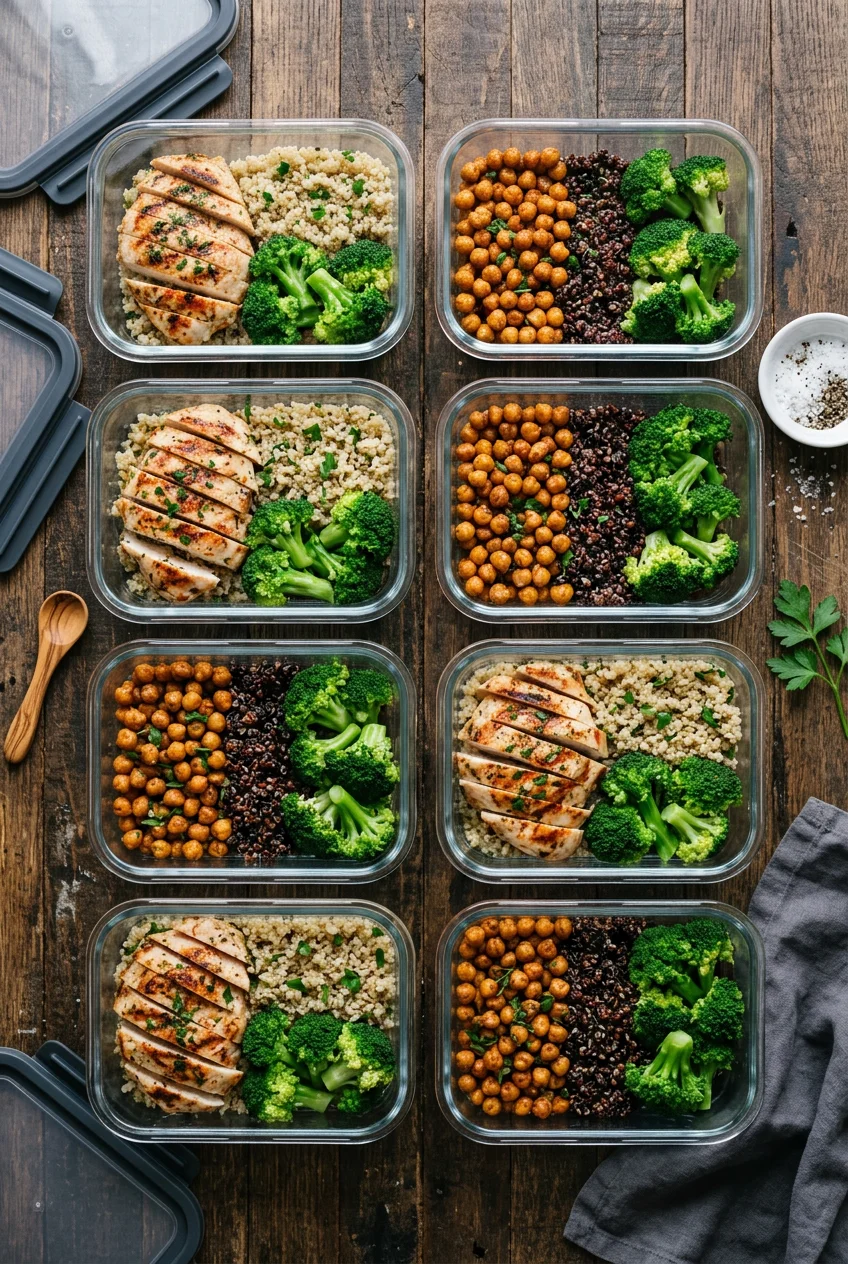
I stood in the breakroom last Tuesday, staring at a plastic container of grey, rubbery chicken breast and wet broccoli that smelled like sulfur and defeat. That was my rock bottom before I figured out high-protein, high-fiber meal prep. If you’re sick of eating sad desk lunches that leave you starving by 3 PM, this is the exact framework you need. Most people just prep plain chicken and white rice. I did that wrong for months. I’d eat 6 oz of plain chicken and feel ravenous an hour later. The missing piece was fiber. Fiber slows your digestion. Protein builds muscle and keeps you full. Together, they stop your blood sugar from crashing during that 2 PM budget meeting. This guide breaks down exactly how I prep for the week, including the specific brands I buy, the expensive mistakes that ruined my groceries, and the cooking methods I use to make food actually taste good on day four. Let’s get into the specifics of making this work without spending your whole weekend in the kitchen.
1. Prioritize Protein-Fiber Synergy in High Protein High Fiber Meal Prep

The secret to staying full is mixing your macros the right way. Coach Jacob Zemer notes that protein aids fullness and muscle, while fiber slows digestion to keep blood sugar steady. Aim for at least 25 to 30 grams of protein and 6 to 8 grams of fiber per meal. If you miss these, you’ll be hunting for office donuts by mid-afternoon. My breakfast base is Trader Joe’s Greek Nonfat Plain Yogurt. I grab the 16 oz tub for $2.99. It packs 17g of protein per 3/4 cup serving. Plain yogurt is a bit chalky on its own, so I stir in 2 tablespoons of raw chia seeds. Those two tablespoons add 10g of fiber and 4g of protein. I mix it well and let it sit in a glass jar overnight. By morning, the seeds soften, turning the yogurt into a thick, pudding-like treat. I tried flavored yogurts early on, but the sugar ruined the blood sugar benefits. Stick to plain and add your own fiber. It’s cheaper and way more effective for steady energy. Took me years to figure that one out.
2. Swap Traditional Bread for High-Fiber Wraps

I used to buy cheap whole wheat bread for turkey sandwiches. By Thursday, the bread would soak up the deli meat moisture and taste like wet cardboard. Traditional bread just doesn’t survive the fridge for four days, and it rarely has enough fiber to earn its calories. I switched to Mission Carb Balance wraps. I pick up an 8-count pack for $4.98 at Walmart. One wrap packs 17g of fiber for only 70 calories. This swap changed everything. I spread 1 tablespoon of hummus on the bottom as a moisture barrier, then layer 3 oz of shredded rotisserie chicken, 1/4 cup of shredded carrots, and a handful of dry spinach. The wrap stays firm in my lunchbox all week. If you won’t give up bread, look for 647 bread. It’s about $3.99 a loaf and offers 7g of fiber per slice for 40 calories. I keep a loaf in my freezer and toast two slices from frozen when I need a quick sandwich. Don’t waste your daily carbs on white bread that turns to mush by Tuesday.
3. Make Potatoes Your Primary Carbohydrate

A big mistake people make is relying only on white rice. I ate plain rice and chicken for six months straight. By the end, I’d rather skip lunch than choke down another dry bowl. Rice is fine, but it’s not the best for staying full. Potatoes are way better for volume. You get more food on your plate for the same calories. This physical volume stretches your stomach and tells your brain you’re actually full. I buy a 3-pound bag of small red potatoes for $3.49 at Kroger. Every Sunday, I wash them, chop them into one-inch cubes, and toss them in a bowl. I add 1 tablespoon of olive oil, 1 teaspoon of kosher salt, 1/2 teaspoon of black pepper, and 1 teaspoon of garlic powder. Toss until coated. Spread them on a large aluminum baking sheet with parchment paper. Don’t crowd the pan or they won’t crisp up. Bake at 400 degrees Fahrenheit for 35 minutes. You want deep, golden-brown edges with soft, fluffy centers. When I pack 150 grams of roasted red potatoes with 4 oz of grilled chicken, I’m satisfied until dinner. No exaggeration. You might also like: 15 Clever Family Dinner Ideas for a Fresh New Look

Bento Box Adult Lunch Box – 4 Pack, 5
Bento Box Adult Lunch Box – 4 Pack has been one of the most consistently praised picks in this category. 24 reviewers averaged 4.5/5.
4. Integrate Legume-Based Pastas for a Massive Fiber Boost

Regular wheat pasta is tasty, but it lacks the macros for a filling lunch. I buy Banza chickpea pasta. It’s $3.79 for an 8 oz box at Target. A 3.5 oz serving delivers 25g of protein and 13g of fiber. Since the protein is so high, I don’t even need to cook extra chicken. But you have to cook it right or it’s a disaster. I boiled a box for 12 minutes once and it turned into gritty, orange mush. Learn from my mistake. Boil chickpea pasta for 7 to 8 minutes, stirring constantly because it foams up. The second it’s done, dump it into a colander and rinse it with freezing cold water. This stops the cooking and washes away the starch that makes it gummy. Once it’s cool, I toss 2 cups of pasta with 1/2 cup of cherry tomatoes, 1 tablespoon of pesto, and 1 oz of feta cheese. It stays firm in a glass container for four days. You might also like: 8 Low Calorie Meal Prep You Need to See
5. Master Batch Cooking Lean Ground Beef

Chicken gets boring fast. I rely on lean ground beef to keep things interesting. I buy the 93/7 lean bulk packs from Costco for $19.99. It’s a 4-pound package, which I divide and cook in two batches. Lean ground beef is great for protein—about 21g per 3 oz—and it reheats way better than chicken. I spend 25 minutes on Sunday browning 2 pounds of beef in a cast-iron skillet over medium-high heat. Don’t stir it right away. Let it sit for 4 minutes so the bottom gets a dark, crispy crust. That’s where the flavor is. Once browned, I drain the fat and season with 1 tablespoon of chili powder, 1 teaspoon of cumin, and 1/2 teaspoon of salt. I portion 4 oz of beef with 1/2 cup of black beans into containers. The beans add 7g of fiber. This makes a taco bowl that actually tastes good on Wednesday. Stop cooking fancy recipes for every meal. Batch cook your proteins with simple rubs and add sauces right before you eat. You might also like: 10 Salad Meal Prep for Every Budget
6. Layer Salads in Jars to Prevent Soggy Greens

I ruined a $5 box of organic spring mix by tossing it with balsamic vinaigrette on Sunday. By Wednesday, the acid turned the leaves into green slime. If you want fresh salads, use the jar method. I use 32 oz wide-mouth Mason jars. A 12-pack is $12.99 at Target. The order is critical. Pour 2 tablespoons of dressing into the bottom. Next, add hard veggies. I use 1/4 cup of diced cucumbers and 1/4 cup of halved cherry tomatoes. These marinate in the dressing and taste better. On top, I add 1/2 cup of cooked quinoa for fiber, then 3 oz of diced chicken for protein. The last thing you add is 2 cups of dry spinach or arugula. Because the delicate greens stay at the top, away from the dressing, they stay crisp for five days. When you’re ready, just dump the jar into a bowl. The dressing coats the greens on the way out.

Rubbermaid Brilliance Tritan Plastic Food Storage
Honestly, Rubbermaid Brilliance Tritan Plastic Food Storage Containers BPA Free surprised me — sturdier than it looks in the photos, and over 583 buyers gave it 4.5 stars.
7. Prep Snacks with High Protein-to-Fiber Ratios

Most people fail because they prep lunch but ignore their snacks. When 3 PM hits, you’ll grab whatever is closest. You need snacks with a solid protein-to-fiber ratio to bridge the gap. I keep a box of Barebells protein bars in my pantry. They’re $2.49 per bar at Sprouts. They provide 20g of protein and don’t taste like chalk. For savory, I prep roasted chickpeas. I open a 15 oz can of garbanzo beans, which costs $1.19. Rinse them and dry them aggressively with paper towels. If they aren’t bone-dry, they’ll steam instead of roast, leaving you with chewy beans. Toss them with 1 tablespoon of olive oil, 1 teaspoon of smoked paprika, and 1/2 teaspoon of sea salt. Roast at 400 degrees Fahrenheit for 25 minutes until crunchy. A 1/2 cup serving gives you 7g of protein and 6g of fiber. I portion them into 4 oz containers for my work bag. They kill the potato chip craving perfectly. Trust me.
8. Utilize Frozen Produce for High Protein High Fiber Meal Prep

I used to spend $15 on fresh raspberries at Whole Foods every week. By Wednesday, they’d be covered in fuzz. Fresh berries have a short shelf life. I stopped buying them fresh. Now, I buy a 12 oz bag of frozen mixed berries from Trader Joe’s for $3.99. Frozen fruit is picked at peak ripeness, so it often has more nutrients than fresh fruit that sat on a truck for a week. I drop 1/2 cup of frozen berries into my overnight oats on Sunday night. As they thaw, they release juices that sweeten the oats without added sugar. This adds 4g of fiber to my breakfast. I also rely on frozen cauliflower rice. A 10 oz bag is $2.29. I mix 1 cup of microwaved cauliflower rice with 1/2 cup of brown rice. It doubles the volume, adds 3g of fiber, and keeps the calories low. Stop wasting money on produce that rots before you eat it.
9. Buy Segmented Glass Storage Containers

Cheap plastic is a mistake. I used thin bins for a year. After one week of ground beef and tomato sauce, the plastic was stained neon-orange and smelled like onions, which ruined my yogurt. You have to use glass. I bought a 6-piece set of Pyrex 3-cup rectangular glass containers with locking lids for $24.99 at Whole Foods. Glass is non-porous. It won’t stain, smell, or warp in the microwave. The locking lids are crucial because they have a silicone gasket for an airtight seal. I’ve dropped a container of chicken and hot sauce in my bag, and not a single drop leaked. If you pack wet and dry food, look for containers with built-in dividers. Keeping your sweet potatoes away from your juicy chicken thighs stops the potatoes from turning into mush by Thursday. The $25 investment pays for itself when you stop tossing out ruined lunches.
Meal prep doesn’t have to mean eating bland food that makes you miserable. By focusing on the synergy of protein and fiber, picking the right ingredients, and using decent glass containers, you can actually look forward to your lunch. I’ve eaten this way for two years, and it’s the only method that keeps me full and focused. If you found this helpful, save this page or pin it to your boards so you have the prices and cooking times ready for your next Sunday session.
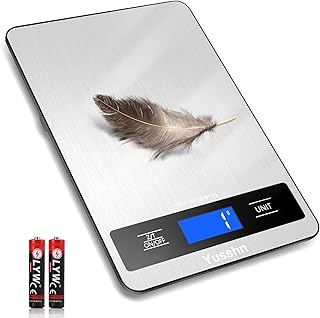
Food Scale, 11lb Kitchen Scale with 0.05oz/1g Precision
Food Scale punches above its price — 15 buyers rated it 4.5 stars. I would buy it again.
Frequently Asked Questions
What is a good ratio for high protein high fiber meal prep?
Aim for 25 to 30 grams of protein and 6 to 8 grams of fiber per meal. This specific combination slows digestion and keeps your blood sugar stable, preventing afternoon energy crashes.
How long do high protein high fiber meals last in the fridge?
Most cooked proteins like chicken and ground beef, along with roasted vegetables, will stay fresh in airtight glass containers for 4 to 5 days in the refrigerator.
What are the best high-fiber carbs for meal prep?
Roasted small red potatoes, legume-based pastas like Banza chickpea pasta, and high-fiber wraps like Mission Carb Balance are excellent choices that hold up well in the fridge without getting soggy.
Can I freeze high protein high fiber meals?
Yes, dishes like ground beef chili, lentil stew, and cooked chickpea pasta freeze very well. Avoid freezing fresh greens or raw vegetables, as their cellular structure breaks down and turns to mush when thawed.
