What’s Inside
- Prioritize Calorie-Dense Smoothies In Your Meal Prep For Weight Gain For Women
- Batch Cook Complex Carbohydrates And Proteins On Sundays
- Swap To Full-Fat Dairy And Utilize Powdered Milk
- Prep High-Calorie Breakfasts In Advance
- Boost Cooked Meals With Healthy Fats
- Increase Meal Frequency With Nutrient-Dense Snacks
- Use Appropriate Meal Prep Containers For Portion Control
- Avoid Diet Foods During Meal Prep For Weight Gain For Women
- Combat Boredom With Variety And Never Prep Hungry
I spent three months eating massive bowls of steamed broccoli and dry chicken, wondering why the scale wouldn’t budge. My approach to meal prep for weight gain for women was completely backwards. I assumed eating more volume meant gaining weight, so I stuffed myself with high-fiber vegetables until my stomach physically hurt. Last Tuesday at Trader Joe’s, I watched a woman load her cart with fat-free yogurt and rice cakes, and I remembered exactly how that felt. You’re trying to build muscle and put on healthy mass, but you’re treating your grocery list like a diet plan. It’s a miserable way to eat. The physical discomfort of forcing down a third cup of plain brown rice is real. I finally stopped buying low-fat everything and started looking at caloric density instead of sheer volume. The shift happened when I realized I needed strategic, concentrated calories that wouldn’t leave me bloated and exhausted. Let’s break down exactly how to structure your week. I’ll show you the specific products, measurements, and routines I use now. No more dry chicken. No more fat-free cardboard. I’m sharing the exact methods that actually work when you’re struggling to hit a caloric surplus. Trust me on this.
1. Prioritize Calorie-Dense Smoothies In Your Meal Prep For Weight Gain For Women

Liquid calories bypass the fullness signals that solid food triggers in your brain. I used to try eating a full fourth meal at 9 PM, usually cold pasta and dry chicken, and it felt like a chore. I couldn’t finish it most nights. Now I blend my extra calories. For a standard base, I combine 1 cup of whole milk, 1 ripe banana, 2 tablespoons of Smucker’s Natural peanut butter (which breaks down to about $0.25 per serving), and a scoop of whey protein powder. This single drink adds roughly 600 calories to my daily total without making me feel stuffed. I prep these by freezing the banana and peanut butter in individual Ziploc bags so I just dump them in the blender in the morning. If you’re seriously struggling to hit your numbers, mass gainer supplements work. I bought Naked Mass Vegan Protein Powder at Whole Foods last month. It runs about $3 to $5 per serving depending on the tub size, but it delivers 1,230 calories and 50g of protein per scoop. The powder is incredibly dense. The texture is slightly chalky if you don’t use enough liquid, so I recommend blending it with at least 16 ounces of milk rather than water. It’s a highly efficient way to close a 1,000-calorie gap without feeling overly full. I’ve used this method for six months now, and it’s much easier than forcing down another plate of solid food.
2. Batch Cook Complex Carbohydrates And Proteins On Sundays

You can’t rely on cooking from scratch every night when you need to eat five times a day. I tried that for a month and ended up ordering a $25 pizza every Thursday because I was too tired to boil water. Dedicate two to three hours on a Sunday afternoon to processing your heavy ingredients. I buy 4 lbs of chicken breast and 2 lbs of ground turkey in bulk from Costco. I roast the chicken on sheet pans at 400 degrees with olive oil and salt, and I brown the turkey in a massive skillet with taco seasoning. I also make large batches of brown rice and quinoa. Having these cooked components sitting in the fridge means I can assemble a 700-calorie bowl in three minutes. A common mistake I made early on was cooking the rice too dry. When you reheat dry brown rice on a Wednesday, it tastes like gravel. Now I add an extra half cup of chicken broth to the rice cooker. It keeps the grains plump and adds a tiny bit of extra flavor. I store the proteins and carbs separately rather than mixing them immediately. This prevents the grains from getting soggy and lets me adjust my portion sizes based on what I need that specific day. If I’m short on calories, I’ll scoop an extra half cup of rice into my container.
3. Swap To Full-Fat Dairy And Utilize Powdered Milk

Skip the fat-free stuff. It tastes like wet cardboard and defeats the entire purpose of eating for mass. I spent years conditioned to grab the blue skim milk cap out of habit. Switching to full-fat dairy was the easiest caloric increase I’ve made. I buy the 32-ounce tubs of Stonyfield Farms organic whole milk yogurt from Sprouts. A standard 6-ounce serving gives you roughly 200 calories, compared to the 80 calories in the non-fat versions. I eat it plain with fruit or use it as a base for heavy sauces. Here is a technical trick that actually works: powdered milk. I keep a $6 box of Carnation dry milk in my pantry. Adding 3 tablespoons of powdered milk to a glass of regular whole milk, a bowl of oatmeal, or a batch of mashed potatoes adds instant protein and calories without changing the physical volume of the food. I tried this wrong for months before figuring it out. Took me years to figure out. I used to dump the powder straight into hot soup, which made it clump into disgusting white chewy balls. You have to whisk the powder into a small amount of cold water or milk first to create a smooth slurry, then stir that mixture into your hot food. It dissolves perfectly, and you won’t even taste the addition. You might also like: 11 Vegan Meal Prep That Actually Work

Etekcity Food Kitchen Scale
Etekcity Food Kitchen Scale has been one of the most consistently praised picks in this category. 1,736 reviewers averaged 4.5/5.
4. Prep High-Calorie Breakfasts In Advance

Mornings are chaotic. If I don’t have breakfast ready, I’ll end up grabbing a single granola bar and missing out on 400 potential calories before 9 AM. I prep overnight oats in wide-mouth Mason jars I picked up at Target for $12. My standard formula is heavy on fats and complex carbs. I use 1.5 cups of rolled oats, 1.5 cups of whole fat milk, 2 tablespoons of peanut butter, 1/4 cup of dried goji berries, and 1.5 tablespoons of chia seeds. This exact combination yields approximately 490 calories per serving. The chia seeds are crucial because they absorb the milk and create a thick, pudding-like texture. I made the mistake of skipping the chia seeds once because I ran out, and the oats were basically floating in milky peanut butter water the next morning. It was unappetizing. I prep four jars on Sunday night. By Thursday, the oats are quite soft, which I actually prefer for digestion. If you prefer a firmer texture, you might want to prep two on Sunday and two on Tuesday. The goji berries add a slight tartness that cuts through the heavy peanut butter flavor, making it much easier to eat a large portion first thing in the morning when your appetite might be low. I’ve eaten this exact breakfast for two years, and it’s incredibly reliable. You might also like: 20 Gorgeous Meal Planning Ideas for Any Style
5. Boost Cooked Meals With Healthy Fats

You don’t need to eat larger physical quantities of food if you understand how to use oils. I used to steam my vegetables plain because I thought oil made them greasy. Now I realize that a dry bowl of broccoli is a massive missed opportunity. Incorporating 1 to 2 tablespoons of healthy fats like extra virgin olive oil, avocado oil, or melted butter into your cooked meals is highly efficient. Each tablespoon of oil adds approximately 120 calories. I buy the large 2-liter bottles of Pompeian Extra Virgin Olive Oil at Walmart for around $16.98. After I heat up my prepped chicken and rice, I pour a tablespoon of olive oil directly over the top before adding hot sauce. The hot rice absorbs the oil immediately, so the texture doesn’t feel slick or heavy in your mouth. I also use avocado oil for roasting vegetables because it has a higher smoke point. Olive oil will burn and taste bitter if you roast carrots at 425 degrees, a lesson I learned the hard way when I smoked out my kitchen last Thanksgiving and set off the fire alarm. Avocado oil stays stable at high heat. Adding just two tablespoons of fat to your dinner adds 240 calories to your daily intake with zero extra chewing required. It’s a mechanical adjustment to your plating routine that yields measurable results on the scale. You might also like: 20 Brilliant Quick Dinner Ideas You’ll Want to Bookmark
6. Increase Meal Frequency With Nutrient-Dense Snacks

Eating three massive meals a day to hit a surplus is exhausting. Your stomach feels stretched, and the post-meal lethargy is intense. I shifted to eating five or six smaller, nutrient-rich occasions throughout the day. This makes digestion easier and allows your body to process the calories gradually without crashing. I keep high-calorie snacks at my desk and in my car console. At Kroger, I buy the store-brand roasted almonds and walnuts to make my own trail mix. I mix 2 cups of almonds, 1 cup of walnuts, 1 cup of dried cranberries, and a handful of dark chocolate chips. A mere 1/4 cup of this nut mixture provides 150 to 200 calories. I keep a designated 1/2 cup measuring scoop right in the container so I know exactly how much I’m grabbing. Another staple is whole-grain toast with half an avocado and a fried egg. I prep the hard-boiled eggs on Sundays so I don’t have to cook them during the workday. I tried buying pre-packaged trail mixes for a while, but they’re usually loaded with cheap filler like pretzels. Pretzels take up space in your stomach without providing the dense fat calories of nuts. Mixing it yourself ensures you’re getting the high-calorie components you actually need to gain weight.

Food Scale, 11lb Digital Kitchen Scale with 6 Units LCD
Honestly, Food Scale surprised me — sturdier than it looks in the photos, and over 21 buyers gave it 4.5 stars.
7. Use Appropriate Meal Prep Containers For Portion Control

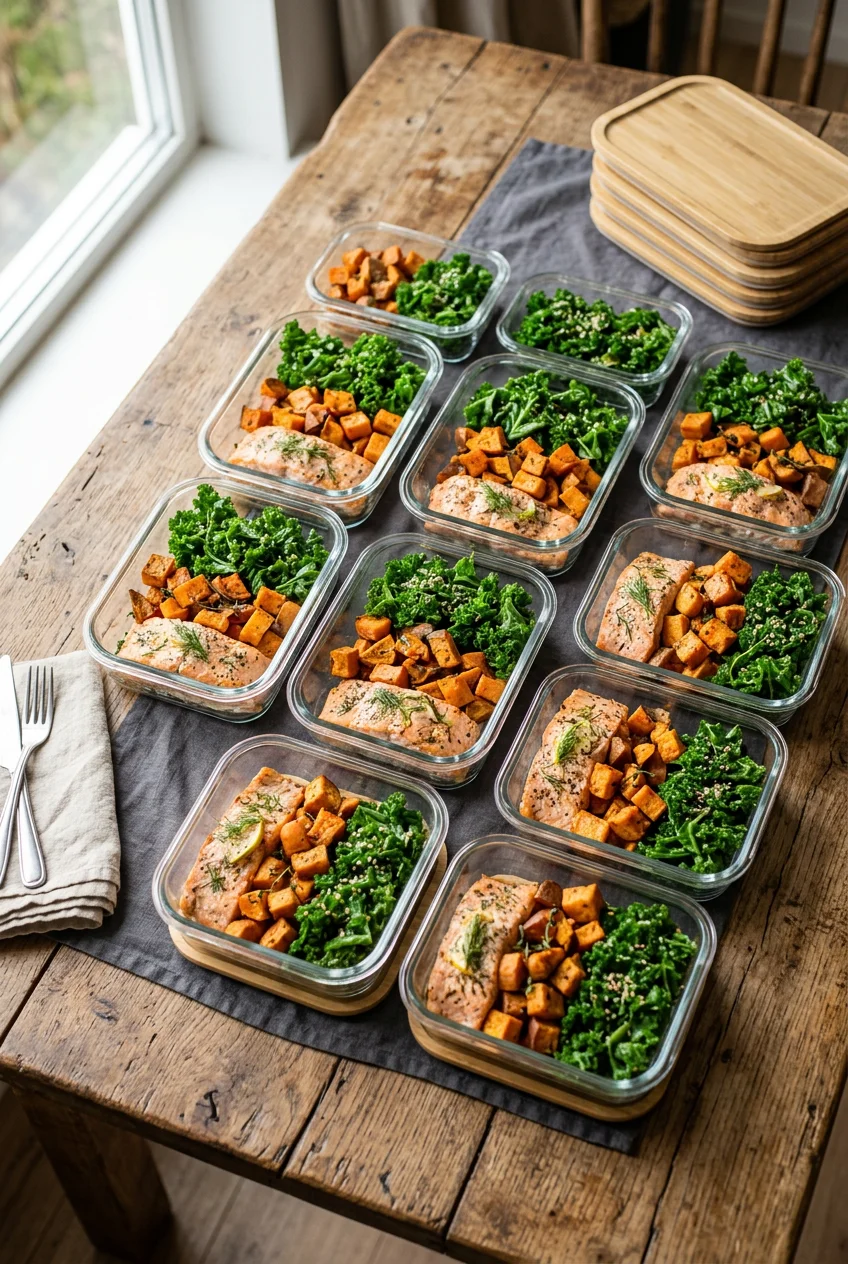
Container size dictates how much you eat. If you use small containers, you’ll naturally under-portion your meals and miss your calorie targets. I used to pack my lunches in whatever random Tupperware I had clean, resulting in wildly inconsistent calorie counts from day to day. I upgraded my system to ensure I was packing enough volume. I use Pyrex 4-cup round glass containers for my main meals because they hold a substantial amount of food and microwave evenly. They’re heavy to carry in a tote bag, though. For bulk prepping, I bought a 30-pack of Kitch’nMore 38oz reusable plastic containers on Amazon for $26.99. The 38-ounce capacity is specifically important. It’s large enough to hold a cup of cooked grains, 6 ounces of meat, and a cup of vegetables without crushing the food against the lid. If you pack food too tightly into a small container, the textures merge together into a dense, unappetizing brick by Wednesday. I learned this the hard way trying to cram a chicken and rice dish into a tiny 2-cup container. The rice compressed into a solid block that wouldn’t heat through properly in the office microwave. Giving your food space in a larger container keeps the components distinct and much more pleasant to eat later in the week.
8. Avoid Diet Foods During Meal Prep For Weight Gain For Women

Food marketing is heavily skewed toward weight loss, which makes grocery shopping confusing when your goal is the exact opposite. You have to actively avoid anything labeled diet, low-fat, reduced-calorie, or sugar-free. These products are engineered to take up physical space in your digestive tract while delivering minimal energy. I used to buy those high-fiber protein bars because they looked healthy on the shelf. I’d eat one at 3 PM and feel so bloated and painfully full that I couldn’t eat dinner at 7 PM. That single 150-calorie bar effectively cost me a 600-calorie dinner. While fiber is necessary for digestion, consuming massive amounts of it from black beans, huge raw kale salads, or synthetic fiber bars will ruin your appetite. I limit my raw vegetable intake during the day. Instead of a giant spinach salad that takes twenty minutes to chew, I’ll eat half a cup of roasted asparagus. The roasting process breaks down the tough fibers, making it easier to digest, and I can toss it in olive oil for extra calories. Keep your meals focused on dense, digestible foods. If a product advertises that it will keep you full for hours, put it back on the shelf immediately. That is exactly what you don’t want when you’re trying to eat in a surplus.
9. Combat Boredom With Variety And Never Prep Hungry

Eating the exact same chicken and rice combination every single day leads to severe burnout. By week three of my first bulk, I was physically repulsed by the smell of my own meal prep containers. Registered dietitians like Jaime Mass emphasize rotating your main ingredients weekly to maintain adherence. If I do ground turkey and brown rice one week, I’ll switch to shredded beef and sweet potatoes the next. It keeps the palate engaged. Another critical rule: never start your Sunday meal prep on an empty stomach. I used to start cooking at noon before eating lunch. I would stand over the stove sampling the chicken, eating handfuls of shredded cheese, and tasting the rice. By the time I finished packing the containers, I had grazed through 800 calories of random bites and felt too sick to eat a proper meal. Prep after you’ve eaten a substantial snack. Finally, your appetite needs a mechanical trigger. I incorporate heavy strength training two to three times a week. Lifting weights naturally increases your hunger signals far better than excessive cardio, which just burns through the calories you worked so hard to consume. The days I do heavy deadlifts, my body actively demands the 700-calorie smoothie I prepped. The food becomes fuel rather than a chore.
Gaining healthy weight requires just as much strategy as losing it. You can’t just eat random junk food and expect to feel good, but you also can’t rely on massive bowls of low-calorie vegetables. Focus on liquid calories, use your cooking oils strategically, and upgrade to full-fat dairy. I’ve made all the mistakes with dry rice and fat-free yogurt so you don’t have to. If you found this breakdown helpful, save this page or pin it for your next Sunday grocery run. Having a solid plan makes the entire process infinitely easier.
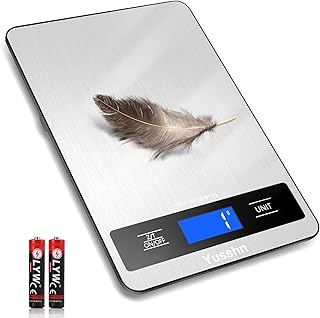
Food Scale, 11lb Kitchen Scale with 0.05oz/1g Precision
If you want something that just works, Food Scale is a safe bet (15 reviews, 4.5 stars).
Frequently Asked Questions
How many calories should a woman eat to gain weight?
To gain weight safely, aim for a caloric surplus of 300 to 500 calories above your daily maintenance level. Track your intake for a week to find your baseline, then gradually add dense foods like nuts, oils, and full-fat dairy to reach your new target.
What are the best foods for weight gain meal prep?
Focus on calorically dense whole foods. Complex carbohydrates like brown rice and oats, proteins like chicken thighs and ground beef, and healthy fats like olive oil, avocados, and peanut butter are excellent staples that reheat well throughout the week.
Can I use mass gainer protein powder?
Yes, mass gainer powders are highly effective if you struggle to eat enough solid food. Brands like Naked Mass or Optimum Nutrition offer 700 to 1,200 calories per serving. Blend them with whole milk and a banana for an easy caloric boost.
Why do I feel too full to eat my meal prep?
You might be eating too much fiber or relying on low-fat diet foods that expand in your stomach. Swap massive raw salads for smaller portions of roasted vegetables, and use liquid calories like smoothies to bypass early fullness signals.
