What’s Inside
- Ditch the Flimsy Plastic for Rubbermaid Brilliance
- Master the 50/25/25 Rule for Component Bowls
- Batch Cook Your Anchor Proteins First
- Weigh Your Protein for Sustained Energy
- Freeze Liquid Staples in Souper Cubes
- Shop Bulk Stores for the Basics
- Use the Color Rule for Pre-Chopped Produce
- Switch to Component-Based Prep to Avoid Boredom
- Keep Two Reliable Sauces in the Fridge
- Utilize Sheet Pan Roasting for Easy Cleanup
- Store Fresh Herbs Like Cut Flowers
Last Tuesday at 7:45 PM, I found myself standing in front of my open fridge, staring blankly at a wilted bag of spinach and a half-empty jar of crusty salsa. That specific moment of defeat is exactly why I had to rethink my weekly meal prep. My old strategy involved cooking three massive, heavy casseroles on Sunday afternoon. By Wednesday, the texture was so mushy I’d end up ordering $35 pad thai instead of eating what I made. I’m not doing that anymore. Let’s talk about realistic weekly meal prep that actually survives the fridge until Friday. I’ve spent the last four years ruining perfectly good groceries so you don’t have to. The secret isn’t finding a magical recipe. It’s about understanding how food degrades in a cold environment and planning around that reality.
1. Ditch the Flimsy Plastic for Rubbermaid Brilliance

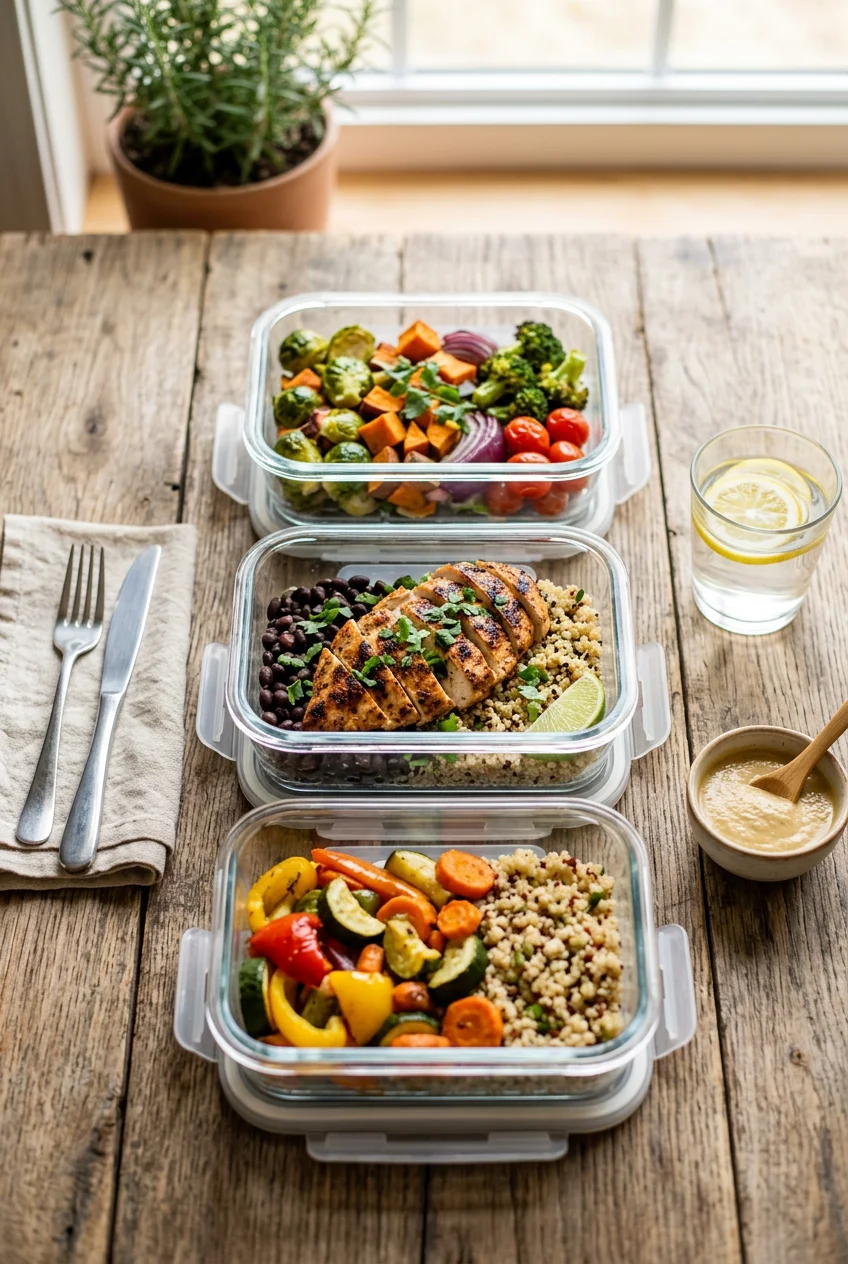
I used to buy those cheap black plastic containers with the clear lids from Target. By week three, they were permanently stained orange from chili and warped in the dishwasher heat. I switched to the glass Rubbermaid Brilliance set, which usually runs about $28.99 for a 10-piece set at Target. The lids have these thick rubber gaskets that latch down tight. I dropped one full of tomato soup on my kitchen tile last month. The glass didn’t shatter, and the lid didn’t pop off. No soup on the floor. They’re heavy to carry to work in a canvas tote bag, which is a definite drawback if you commute on foot. But they don’t hold onto the smell of yesterday’s garlic salmon. Glass is microwave and oven safe, so I can bake 4 ounces of chicken breast directly in the container, let it cool, and snap the lid on. You’re going to spend more upfront, but replacing melted plastic every two months gets expensive. Learned that the hard way. If you prefer a slightly cheaper option, the Prep Naturals glass containers are often under $25 for a 5-pack on Amazon, though their lids are slightly less durable in my experience.
2. Master the 50/25/25 Rule for Component Bowls

Most people get this wrong when they start. I spent six months making meals that were 80% pasta and 20% meat. I’d eat lunch at noon and crash hard by 2:00 PM, desperate for a nap under my desk. Now I stick to the 50/25/25 rule. Half the container is vegetables, a quarter is lean protein, and a quarter is complex carbs. A standard box for me looks like 1 cup of roasted broccoli florets, 3 to 4 ounces of cooked chicken breast, and 1/2 cup of quinoa. I buy the 32-ounce bag of tricolor quinoa from Trader Joe’s for $4.99. It has an earthy, slightly nutty flavor that holds up well in the fridge without turning to mush. The high protein and fiber ratio keeps my blood sugar stable. I’m not scrounging the office pantry for stale crackers at 3:00 PM anymore. You don’t need a complicated recipe. Just fill the space using those percentages. If I’m using sweet potatoes instead of quinoa, I measure out exactly 1/2 cup of diced cubes to keep the carb ratio in check.
3. Batch Cook Your Anchor Proteins First

Trying to cook five different internet recipes on a Sunday afternoon is a guaranteed way to burn out. I tried that in 2022 and ended up crying over a burnt pan of turkey meatballs while my kitchen filled with smoke. The most sustainable weekly meal prep revolves around batch cooking anchor proteins. I buy a 3-pound pack of boneless, skinless chicken thighs from Costco for about $14.99. I spread them on a foil-lined baking sheet, rub them with olive oil, salt, and 2 tablespoons of smoked paprika, and roast them at 400 degrees for 25 minutes. While that cooks, I brown 1.5 pounds of 93/7 lean ground beef in a skillet. I don’t season the beef heavily. Leaving it relatively plain means I can throw 4 ounces into a container with taco seasoning on Tuesday, or mix it with 1/2 cup of marinara sauce on Thursday. Cooking by ingredient rather than by recipe saves me at least two hours of kitchen time. When you have three pounds of plain protein ready, the rest of the meal comes together in minutes.

Etekcity Food Kitchen Scale
A dependable everyday pick — Etekcity Food Kitchen Scale pulls in 1,736 ratings at 4.5 stars. Not flashy, just solid.
4. Weigh Your Protein for Sustained Energy

Eyeballing protein portions is a mistake I made for years. I thought I was eating enough chicken, but when I finally bought an Ozeri digital kitchen scale (it’s $11.99 on Amazon), I realized my chicken breast portion was barely 2 ounces. To actually stay full, you need 20 to 40 grams of protein per meal. That translates to exactly 3 to 4 ounces of cooked meat or fish. When I prep on Sundays, I line up my containers and physically weigh out 4 ounces of cooked salmon or ground turkey into each one. It sounds tedious, but it takes maybe ninety seconds total. Hitting that 30-gram mark prevents the afternoon energy crash. Trust me on this. I buy the 16-ounce blocks of extra firm tofu from Sprouts for $1.99 when I want a plant-based option. I press the water out, cube it, and bake it until the edges are crispy. 4 ounces of that tofu gives me roughly 18 grams of protein, and I’ll add 1/2 cup of edamame to bump it over the 20-gram threshold. Don’t guess your portions. The scale doesn’t lie. You might also like: 20 Inspiring Sunday Dinner Ideas You Need to See
5. Freeze Liquid Staples in Souper Cubes

I can’t tell you how many half-empty cartons of heavy cream I poured down the drain before I figured this out. Liquid ingredients spoil incredibly fast. Now, I use Souper Cubes. They’re heavy-duty silicone freezer trays that cost about $19.95 for a two-pack at Williams Sonoma or online. I pour leftover chicken broth, heavy cream, or even tomato paste into the 1-cup or 2-tablespoon compartments. Once frozen solid, I pop the cubes out and store them in Ziploc Endurables silicone bags (usually $12.99 at Walmart). The Ziploc bags are thick and don’t get that weird freezer burn smell. When I’m making a quick pan sauce on a Wednesday night, I just grab a 2-tablespoon cube of heavy cream directly from the freezer and drop it into the hot skillet. It melts in seconds. I also freeze entire portions of beef stew in the 1-cup Souper Cubes. Having exact portions ready to microwave means I’m never forced to thaw a massive block of soup just to eat one bowl. It completely eliminates liquid food waste in my house. You might also like: 20 Clever Aesthetic Food Prep That Actually Work
6. Shop Bulk Stores for the Basics

Buying every single ingredient at a premium grocery store will drain your bank account fast. I learned this the hard way after spending $140 on groceries for just myself in one week. Now, I split my shopping. I buy all my pantry staples and bulk greens at Costco. Their 1-pound plastic clamshell of organic spring mix is exactly $3.79. At my local Kroger, a tiny 5-ounce bag of the exact same lettuce is $3.49. The math is undeniable. I also buy my 12-pack of canned diced tomatoes and 10-pound bags of jasmine rice there. For everything else, I go to Aldi. You can easily prep meals for a week using Aldi’s private label ingredients for around $50. Their Kirkwood fresh chicken breasts are usually $2.29 a pound. The only negative with bulk shopping is storage space. I have a tiny pantry, so keeping a 10-pound bag of rice means I have to store it in a plastic bin under my guest bed. It’s weird, but the savings are absolutely worth the minor inconvenience. You might also like: 20 Clever Quick Lunch Ideas You Haven’t Thought Of
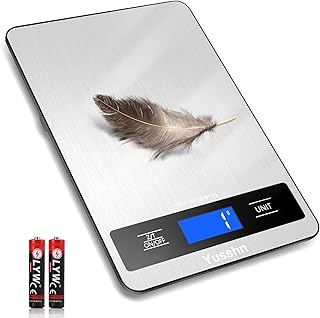
Food Scale, 11lb Kitchen Scale with 0.05oz/1g Precision
If you want something that just works, Food Scale is a safe bet (15 reviews, 4.5 stars).
7. Use the Color Rule for Pre-Chopped Produce

If a vegetable requires washing and chopping on a Tuesday night at 6:30 PM, I won’t eat it. It’ll rot in the crisper drawer. On Sundays, I wash, peel, and chop firm vegetables like bell peppers, carrots, and broccoli florets. I store them dry in my glass containers. I use a specific color rule: I need 3 to 4 different colors of produce in my fridge ready to go. Red bell peppers, orange carrots, green broccoli, and purple cabbage. Having them pre-chopped means I can grab a handful and throw them onto a sheet pan for a 15-minute roast. Just don’t pre-chop apples, pears, or avocados. I tried prepping avocado slices for salads once, and by Monday morning they were a slimy, brown mess. If you absolutely have to cut apples ahead of time, toss them in 1 tablespoon of lemon juice, but honestly, it’s better to just slice them right before you eat. I buy the whole heads of purple cabbage at Whole Foods for $1.49 a pound because the pre-shredded bags dry out too fast.
8. Switch to Component-Based Prep to Avoid Boredom

Eating the exact same chicken, rice, and broccoli from Monday to Friday is miserable. By Thursday, the food tastes like wet cardboard. The best weekly meal prep relies on component-based prepping. Instead of assembling five identical containers, I store my cooked grains, proteins, and roasted vegetables in separate, large containers. On Monday, I might take 1/2 cup of brown rice, 4 ounces of ground beef, and a handful of fresh spinach, topped with 2 tablespoons of Trader Joe’s Vegan Tzatziki (which is $3.99 and tastes incredibly fresh). On Tuesday, I’ll take that same ground beef, but mix it with 1/2 cup of black beans, 1/4 cup of salsa, and wrap it in a flour tortilla. The base ingredients are exactly the same, but the flavor profile is completely different. It takes me maybe three minutes to assemble a lunch the night before, and I don’t get that dreaded fatigue halfway through the week. Storing ingredients separately also prevents the rice from soaking up all the moisture from the vegetables.
9. Keep Two Reliable Sauces in the Fridge

A dry chicken breast is depressing. The secret to making leftover protein taste good on day three is moisture and acid. I always keep two distinct sauces ready in the fridge. I make a quick peanut sauce using 3 tablespoons of Jif creamy peanut butter, 1 tablespoon of Kikkoman soy sauce ($3.29 at Target), a squeeze of fresh lime juice, and a splash of warm water to thin it out. It takes two minutes to whisk together in a small bowl. For my second option, I buy the Primal Kitchen Cilantro Lime dressing, which is pricey at $6.99 at Whole Foods, but it has clean ingredients and a sharp, acidic bite that wakes up plain vegetables. I drizzle 1 tablespoon of the peanut sauce over cold quinoa and chicken for a Thai-inspired bowl, or use the cilantro lime dressing on a black bean and corn salad. Don’t pour the sauce on your food until right before you eat it. If you dress a salad on Sunday, it’ll be a soggy, inedible swamp by Tuesday.

Food Scale -33lb Digital Kitchen Scale for Food Ounces
Food Scale -33lb Digital Kitchen Scale for Food Ounces Grams Rechargea has been one of the most consistently praised picks in this category. 78 reviewers averaged 4.5/5.
10. Utilize Sheet Pan Roasting for Easy Cleanup

I hate doing dishes. Standing over a sink scrubbing three different skillets on a Sunday afternoon is my personal nightmare. That’s why I rely heavily on sheet pan roasting. I bought two heavy-duty Nordic Ware aluminum half-sheet pans from Target for $17.99 each. They don’t warp in the oven when the heat hits 425 degrees, unlike the flimsy grocery store pans that pop and twist loudly. I line them with Reynolds Wrap heavy-duty aluminum foil ($5.49 at Walmart) or unbleached parchment paper. I’ll put 2 cups of diced sweet potatoes on one side, tossed in 1 tablespoon of olive oil, and 1 pound of trimmed green beans on the other. They roast together for 25 minutes. When they’re done, I let them cool, slide the vegetables into my glass containers, and literally crumple up the foil and throw it away. The pan is completely clean. It saves me at least twenty minutes of scrubbing baked-on olive oil out of the corners of a baking dish. Never roast without a liner if you value your free time.
11. Store Fresh Herbs Like Cut Flowers

Buying fresh cilantro or parsley used to feel like a waste of money because it would turn into green slime at the bottom of my crisper drawer within 48 hours. I tried wrapping them in damp paper towels, but that barely bought me an extra day. Now, I treat soft herbs exactly like a bouquet of flowers. I trim an inch off the bottom stems as soon as I get home from the store. I fill a standard 16-ounce Ball mason jar (you can get a 12-pack for about $14.49 at Walmart) with two inches of cold water, and stand the herbs upright in the jar. Then, I take the thin plastic produce bag they came in and loosely drape it over the top like a little greenhouse. I keep the jar on the top shelf of my fridge. My $1.29 bunch of cilantro from Kroger now stays crisp and bright green for up to three weeks. I just snip off a few leaves to garnish my chicken bowls whenever I need them. It makes a massive difference in flavor. No exaggeration.
I hope these strategies help you stop throwing away spoiled food. If you take away anything from this, start by just weighing your protein and switching to glass containers. I’ve used these exact methods for over a year now, and my grocery bill has dropped significantly. Save this post or pin it to your meal prep board for the next time you’re writing out a grocery list.
Frequently Asked Questions
How long does prepped food last in the fridge?
Most cooked proteins and roasted vegetables will last 3 to 4 days in an airtight glass container. If you aren’t going to eat a portion by Thursday, freeze it on Sunday to prevent spoiling.
What is the 50/25/25 rule in meal prep?
It’s a simple ratio for building balanced containers: 50% vegetables or fruits, 25% lean protein, and 25% complex carbohydrates. This prevents you from overeating pasta and ensures you get enough fiber to stay full.
Can I freeze cooked rice and quinoa?
Yes. Let the grains cool completely, then store them in a freezer-safe silicone bag or airtight container. Microwave them with a splash of water for 60 seconds to restore their fluffy texture.
How do I prevent my prepped salads from getting soggy?
Never dress your greens ahead of time. Store your dressing in a separate small container. Keep wet ingredients like tomatoes away from delicate lettuce, or use sturdy greens like kale that hold up better.
