What’s Inside
- Ditch The Cheap Plastic For A Simple Meal Prep Lunch That Lasts
- Batch Cook Your Chicken To Save Time And Cash
- Master The “Cook Once, Eat Thrice” Strategy For A Simple Meal Prep Lunch
- Cook Your Grains In Bulk And Freeze The Extra Portions
- Pre-Portion Your Dressings To Save Your Greens
- Undercook Your Hardy Vegetables So They Reheat Perfectly
- Use Plant-Based Proteins And Discounted Produce To Cut Costs
- Respect The 4-Day Limit And Add A Fresh Flavor Bomb
I stood in the breakroom last Tuesday, staring at a sad, warped plastic container that smelled like wet dog and old garlic. A simple meal prep lunch shouldn’t make you want to cry over your keyboard while your coworkers eat fresh, vibrant salads. The lid was stained orange from some ancient pasta sauce. That was my breaking point. I’ve spent years trying to figure out how to pack food that actually tastes good by Thursday. I used to prep seven days of food on Sundays, thinking I was a genius. Huge mistake. By Friday, my spinach looked like green slime, and my chicken was questionable. Let’s fix that. I’m sharing my blueprint for a simple lunch routine that won’t ruin your week. I did this wrong for months. You don’t need dry chicken and mushy rice to hit your health goals. I’ll walk you through what I buy, how much it costs, and how to make it taste fresh every single day.
1. Ditch The Cheap Plastic For A Simple Meal Prep Lunch That Lasts

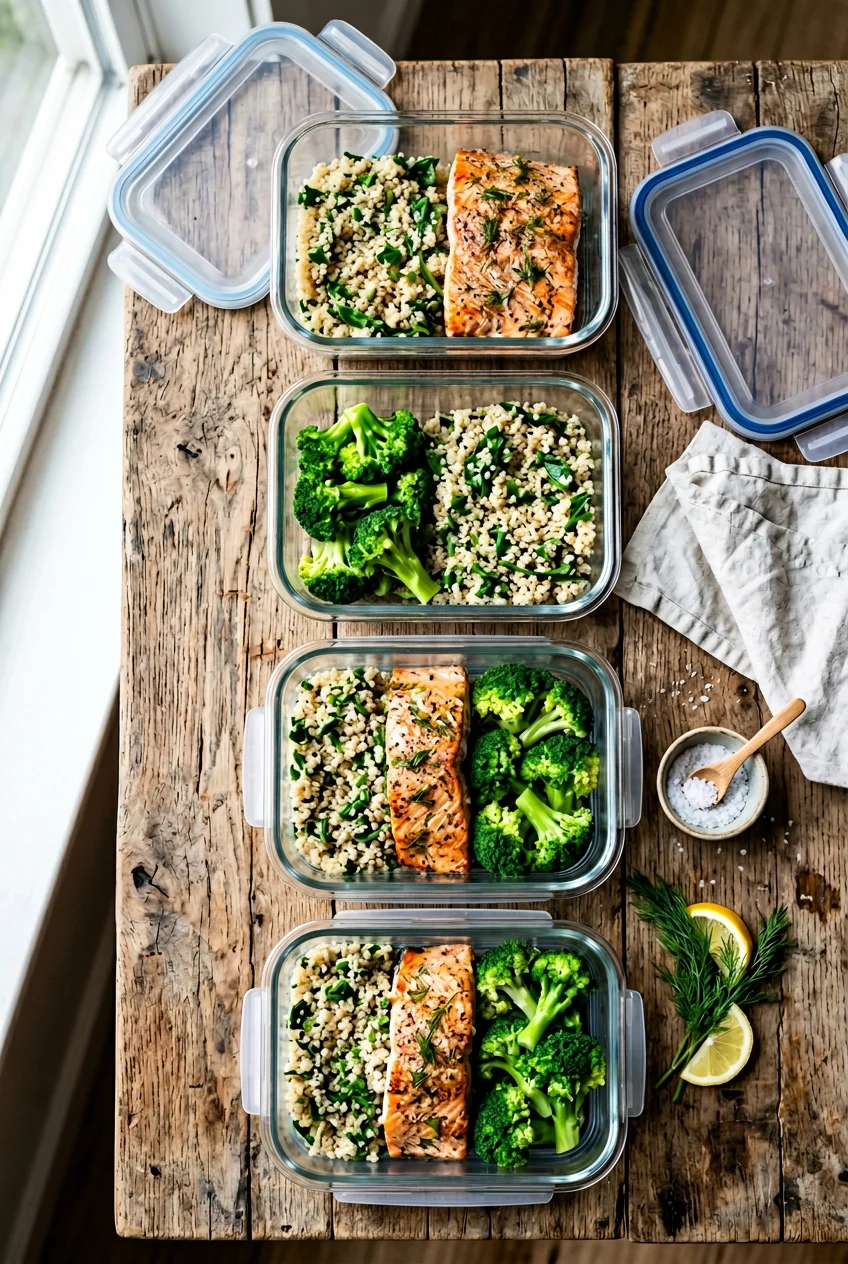
I used to buy those massive stacks of black plastic containers. You know the ones. A set of 15 might cost you $15 to $30. I thought I was being frugal. Then, last October, I microwaved some spaghetti in one. The bottom melted right into my noodles. It tasted like chemicals and cardboard. Skip the cheap plastic stuff. It’s a waste of money. You’ll end up throwing them away in six months when they warp or crack. I’m a firm believer that you need to invest in quality glass. Glass is non-toxic. It won’t leach chemicals into your food. I swear by Rubbermaid Brilliance Glass. I buy the 3.2-cup size at Target for $14.99 each. Yes, it’s more expensive upfront. But these glass containers last five to ten years. They’re leak-proof. I’ve tossed them into my canvas tote bag upside down, and they haven’t spilled a drop of dressing. Plus, you can put them in the oven to bake a mini casserole, let it cool, snap the lid on, and put it in the fridge. If you want your food to taste good, glass is the only way. Plastic holds onto smells forever. If you put spicy curry in a plastic tub on Monday, your turkey sandwich on Thursday will taste like cumin. Glass wipes clean with zero residual odors. It took me years to figure out, but glass is king.
2. Batch Cook Your Chicken To Save Time And Cash

Most people get this wrong. They try to cook a different protein every single night. I tried that, and I was exhausted by Wednesday. You’ll burn out if you treat every evening like a cooking show. Instead, spend one hour on Sunday afternoon cooking a massive batch of protein. I buy Kirkland Signature Boneless Skinless Chicken Breasts at Costco. A six-pound package costs about $18.99. Since chicken breast averages $4.17 per pound at regular stores, buying in bulk saves a ton. Here is my method so you won’t end up with dry, chalky meat. Preheat your oven to 375 degrees Fahrenheit. Take 2 to 3 pounds of chicken breast and lay them flat on a baking sheet lined with parchment paper. Drizzle with 2 tablespoons of olive oil and a heavy pinch of sea salt. Bake for 20 to 25 minutes. You want the internal temperature to hit 165 degrees Fahrenheit. Don’t guess. Use a digital meat thermometer. I ruined so many batches by guessing. It tasted like chewing on a dry cotton ball. Once it’s cooked, let it rest for ten minutes before cutting. This keeps the juices locked inside. I chop it into 1/2-inch cubes and store them in a glass container. Now you have a blank canvas for the week. This approach saves money and is efficient for building quick meals.
3. Master The “Cook Once, Eat Thrice” Strategy For A Simple Meal Prep Lunch

Eating the same meal five days in a row is depressing. I used to pack plain chicken and rice for every shift. By Wednesday, I’d rather skip lunch than look at another piece of unseasoned chicken. That’s why I rely on the cook once, eat thrice method. Instead of prepping new meals daily, you cook a versatile base. Take that cubed chicken from the previous step. On Monday, I mix 4 ounces of chicken with 2 tablespoons of Greek yogurt, a squeeze of lemon, and chopped celery for a quick chicken salad. I wrap it in a Trader Joe’s Whole Wheat Wrap, which costs $2.49 for six. On Tuesday, I put 4 ounces of chicken in a glass bowl with black beans, corn, and salsa. On Wednesday, I toss 4 ounces of chicken into a skillet with 1 cup of frozen broccoli and 2 tablespoons of soy sauce for a quick stir-fry. This strategy saves so much time. Chopping fresh ingredients for 15 meals takes hours. Prepping one base takes 40 minutes. You won’t get bored, and you won’t spend your evening at the kitchen counter. It’s the easiest way to make sure you actually eat the food you packed. Keep the base protein plain so it can take on different flavors. You might also like: 20 Inspiring Meal Prep Ideas for Any Style

M MCIRCO 10-Pack,30 Oz Glass Meal Prep Containers 2
M MCIRCO 10-Pack has been one of the most consistently praised picks in this category. 23 reviewers averaged 4.5/5.
4. Cook Your Grains In Bulk And Freeze The Extra Portions

I used to cook a fresh pot of rice every night. It was a waste of time and dirtied so many dishes. Then I made a huge batch on Sundays and left it in the fridge. That was also a mistake. By day five, brown rice turns into hard, crunchy pebbles. It ruins the texture. Now, I cook grains in bulk and freeze the extra. Cooked grains only stay fresh in the fridge for three to five days. For longer storage, use the freezer. I buy bulk organic quinoa from Sprouts for $3.99 per pound. I cook two cups on Sunday. I keep enough in the fridge for Monday and Tuesday. For the rest, I measure 1/2 cup of cooked, cooled quinoa into Ziploc Quart Freezer Bags. A box of 38 bags costs $5.49. I flatten the bags so they stack neatly in my freezer. They last three months without freezer burn. When Thursday rolls around, I grab a frozen bag, pop it into my glass container, and it thaws by lunchtime. When you microwave it, the steam brings the grains back to life. They taste fresh, soft, and fluffy. You’ll never have to eat crunchy fridge rice again. It’s a simple habit, but it changed how I prep carbs. You might also like: 15 Inspiring Chicken Meal Prep Ideas You Haven’t Thought Of
5. Pre-Portion Your Dressings To Save Your Greens

There is nothing worse than a soggy salad. I once packed a vibrant spinach and strawberry salad for work. I poured the balsamic vinaigrette over it on Sunday night. When I opened my lunchbox on Tuesday, the spinach had turned into slimy mush. It looked like swamp water. I threw it in the trash and bought an overpriced $15 sandwich. If you want your salads to survive the week, you must store dressings in separate containers. I use 2-ounce Ball Mason Jars. You can get a 12-pack at Kroger for $11.99. They are the perfect size for a serving of dressing. I measure 2 tablespoons of Primal Kitchen Ranch, about $6.49 a bottle, into each jar. I screw the lids on tight. When it’s time to eat, I pour the dressing over my greens and shake it up. This is a common mistake that leads to unappetizing lunches. The same rule applies to soy sauce or hot sauce. Keep wet ingredients away from dry ones until the moment you’re ready to eat. I’ve started doing this with salsa for my burrito bowls, too. It keeps the rice from getting mushy and the lettuce crunchy. Your future self will thank you when you bite into a crisp salad on Thursday instead of a soggy mess. You might also like: 15 Gorgeous Chicken Breast Dinner Ideas That Make a Real Difference
6. Undercook Your Hardy Vegetables So They Reheat Perfectly

I tried prepping roasted zucchini for months before figuring out why it was so gross. I roasted the veggies until they were soft on Sunday. But when I microwaved them on Wednesday, they turned into mush. They dissolved into a watery paste. It was disgusting. If you’re going to reheat your meals, you have to undercook your vegetables slightly. Focus on hardy vegetables that hold up. Carrots, broccoli, cauliflower, bell peppers, and kale are great. I buy organic broccoli from Whole Foods for $2.99 per pound. When I roast or steam broccoli, I pull it off the stove three or four minutes early. I want it to have a firm snap. I’m talking bright green and dense. When you microwave that broccoli at work, the heat will finish the cooking. It will come out tender instead of limp and gray. Another trick is for raw veggies. If I chop carrots or celery, I store them in a container of cold, filtered water in the fridge. I change the water every two days. This keeps them crisp and hydrates them so they don’t get rubbery. Skip soft, watery veggies like tomatoes or cucumbers unless you add them fresh that morning.
![[8-Pack,30 oz]Glass Meal Prep Containers](https://m.media-amazon.com/images/I/713Zfdsgi4L._AC_UL320_.jpg)
[8-Pack,30 oz]Glass Meal Prep Containers
[8-Pack has been one of the most consistently praised picks in this category. 7 reviewers averaged 4.5/5.
7. Use Plant-Based Proteins And Discounted Produce To Cut Costs

Buying six pounds of premium steak or wild-caught salmon every week will destroy your grocery budget. I used to spend $100 just on meat, and it’s not sustainable. You don’t need expensive cuts to make a filling meal. I’ve started mixing in plant-based proteins to add variety and save cash. Lentils, chickpeas, and eggs are my favorites. A can of Great Value Chickpeas from Walmart costs $0.88. I drain them, rinse them, toss them with 1 tablespoon of olive oil and smoked paprika, and roast them at 400 degrees for 20 minutes. They get crunchy and taste amazing on salads. I also rely on hard-boiled eggs. A single egg costs $0.20 to $0.30. I boil a dozen on Sunday and keep them in the fridge in their shells. Chopping two eggs over greens gives you a cheap protein boost. Another money-saver is utilizing the “ugly” or discounted produce. Many stores have a rack in the back for items nearing their sell-by date. Last week at Kroger, I found a bag of slightly bruised red peppers marked down by 30 percent. They were fine for a stir-fry. If you cook them immediately, you can reduce your bill by 20 to 30 percent just by shopping the discount bin.
8. Respect The 4-Day Limit And Add A Fresh Flavor Bomb

I’m going to be honest. Prepping a full seven days’ worth of meals on Sunday is a bad idea. I did this in my twenties. By Saturday, I was eating chicken that tasted sour and rice that smelled like gym socks. It’s not safe. The USDA says not to leave perishable food out of the fridge for more than two hours. Cool your cooked food quickly. Even in the fridge, aim for three to four days of food at a time. If you need lunch for Friday, use your freezer stash. Don’t risk food poisoning to save twenty minutes. Now, here is my favorite trick for making a four-day-old meal taste fresh. I call it the flavor bomb. When you reheat a meal, the flavors become muted. To fix this, I pack a wedge of lemon or lime, and a pinch of fresh herbs like cilantro or dill. I buy Mrs. Dash Fiesta Lime seasoning for $3.79 at Target, but fresh citrus is better. After I microwave my food, I squeeze fresh lime juice over the top and sprinkle the cilantro. The bright, acidic smell hits your nose immediately. It revives the dish and cuts through that leftover taste. Trust me, it works.
Getting your lunch routine dialed in doesn’t have to be a nightmare. I’ve burned plenty of chicken and ruined enough spinach to know what works in the real world. Stick to glass containers, undercook your roasted veggies, and stop drowning your greens in dressing on Sunday night. You’ll save money and look forward to eating at your desk. I’d love to hear how your prep goes and what recipes you try first. Be sure to save this post so you can reference these temperatures, brands, and measurements when you’re in the grocery store aisle! A simple meal prep lunch is within your reach.
Frequently Asked Questions
How long does a simple meal prep lunch last in the fridge?
According to food safety guidelines, a simple meal prep lunch will typically last three to four days in the refrigerator. If you need meals for Friday, it’s best to freeze those portions immediately on Sunday and thaw them later to prevent bacterial growth and spoilage.
What are the best containers for a simple meal prep lunch?
Glass containers are absolutely the best choice for any simple meal prep lunch. Brands like Rubbermaid Brilliance Glass won’t stain, warp, or hold onto weird smells like cheap plastic will. They are also completely microwave and oven safe for easy reheating.
How do I keep my simple meal prep lunch salad from getting soggy?
The secret to a crisp simple meal prep lunch salad is keeping the dressing completely separate until you’re ready to eat. Store your vinaigrette or ranch in a tiny two-ounce glass jar. Pour it over your greens right before eating to maintain that perfect crunch.
Can I freeze my simple meal prep lunch?
Yes, freezing is a fantastic strategy for a simple meal prep lunch. Cooked grains like quinoa and brown rice freeze perfectly in airtight bags for up to three months. You can also freeze cooked chicken, chili, and soups to extend your prep and avoid food fatigue.
