What’s Inside
- My First Disastrous Attempt At Prep
- Master Your Gochujang Brands for Varied Flavor Profiles
- Optimize Meat Marinades with Asian Pear for Natural Tenderization
- Batch Cook Short-Grain Rice for Weekly Efficiency
- Embrace the Banchan Plan for Diverse and Balanced Meals
- Invest in Stainless Steel or High-Density Locking Containers for Odor Control
- Always Add Fresh Garnishes Just Before Serving
- Freeze Your Stew Bases for Instant Comfort
- Shortcut Your Veggies Without Losing Flavor
- How to Keep Your Fridge from Smelling Like Garlic
- Final Thoughts on Your New Routine
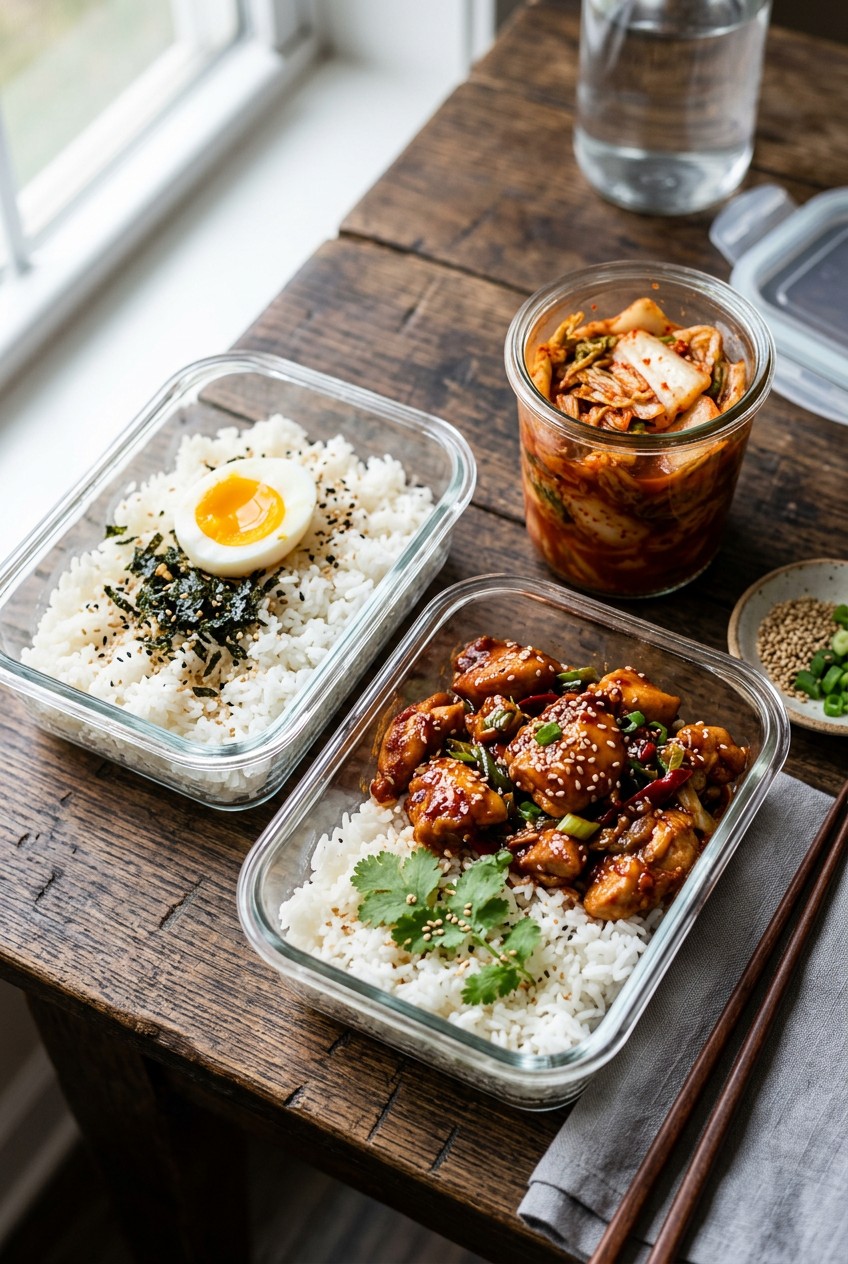
I opened my fridge last Tuesday and got hit with the pungent smell of three-day-old fermented cabbage. My latest attempt at Korean meal prep had leaked through a cheap plastic container. The red chili oil stained the white shelf. The smell seeped into my fresh strawberries. The cold air just amplified the stench of garlic and chili flakes. It was a disaster. I ended up standing in the storage aisle at Whole Foods that afternoon, staring at a $15.99 Pyrex glass bowl and wondering where I went wrong. If you’re tackling Korean meal prep, you know this struggle. The flavors are incredible, but the storage requires a specific strategy. I tried this wrong for months before figuring it out. I’m here to save your fridge and your sanity. Let’s look at the exact methods I use to prep a week of meals without losing my mind. Skip the generic store-brand ingredients. They taste like wet cardboard. We’re going to do this the right way.
My First Disastrous Attempt At Prep

Before I figured out my current routine, my kitchen was a mess of stained plastic and wasted ingredients. Last Tuesday at Whole Foods, I dropped a $12.99 glass container right in the aisle because my hands were slick from a sesame oil spill at home. Glass shattered everywhere. It was embarrassing. I had to navigate my cart around the puddle of glass while the store manager brought out a broom. I stood there apologizing. That was my breaking point. I realized I couldn’t keep winging my Sunday prep. I used to buy cheap generic chili paste and throw my meats into flimsy plastic tubs. The result? My apartment smelled like old garlic for a week. The downside of prepping fragrant food is that it’ll ruin your other groceries if you aren’t careful. My organic berries tasted like raw garlic. I threw away $20 worth of fresh fruit. That failure forced me to overhaul my system. Now, I follow a strict set of rules and rely on specific products every week. It’s the only way I can enjoy my favorite spicy stews without destroying my kitchen.
1. Master Your Gochujang Brands for Varied Flavor Profiles

Don’t settle for random red paste on the bottom shelf. The brand of gochujang you buy dictates the success of your prep. I swear by CJ Haechandle Gochujang. I buy the 500g tub for $7.99 at Kroger. It has a balanced sweet heat that works for everyday cooking, bibimbap sauces, and marinades. If you’re a beginner or prefer a milder profile, Chung Jung One Sunchang Gochujang is an excellent choice. I pick up their 500g tub for $8.49, and they even offer vegan options. For richer, earthier stews, Sempio Gochujang offers a deeper, aged flavor. A 500g tub of Sempio usually runs me about $6.99. Most people get this wrong and buy one generic tub for everything. Skip the generic stuff. It tastes like spicy wet cardboard. When I prep my spicy pork shoulder, I use 3 tablespoons of the CJ Haechandle brand mixed with 1 tablespoon of soy sauce and 1 tablespoon of sesame oil. The thick texture coats the meat perfectly and caramelizes under the broiler. Knowing which tub to reach for makes all the difference.
2. Optimize Meat Marinades with Asian Pear for Natural Tenderization

If your prepped meats are tough, you’re missing a crucial ingredient. For succulent Korean BBQ at home, you must incorporate fresh Asian pear juice or puree into your marinades. The enzymes in the pear add a subtle sweetness and chemically tenderize the meat fibers. I hit up Costco to buy a 3 lb pack of beef chuck flap for $24.99. For 1 pound of meat, I combine 1/4 cup of Kikkoman soy sauce ($3.49 for 10 oz), 2 tablespoons of Kadoya toasted sesame oil ($8.99 for 11 oz), 2-3 cloves of crushed garlic, 1 tablespoon of dark brown sugar, and 1/4 cup of fresh Asian pear juice. I get that juice by grating 1/2 of a large Asian pear over the bowl. The aroma of the nutty sesame oil hitting the soy sauce is incredible. I marinate the beef for at least 2 hours, or overnight. This changed how I prep my proteins. I once used fresh pineapple juice because I was out of groceries. The enzymes were too aggressive and turned my beef into a mushy, grainy paste. Completely inedible. Stick to the Asian pear. Trust me. You might also like: 15 Brilliant Simple Meal Prep Ideas for a Fresh New Look

Vtopmart 5Pack 22oz Glass Storage Containers with Lids
Honestly, Vtopmart 5Pack 22oz Glass Storage Containers with Lids surprised me — sturdier than it looks in the photos, and over 32 buyers gave it 4.5 stars.
3. Batch Cook Short-Grain Rice for Weekly Efficiency

Korean meals are centered around rice. Batch cooking is the cornerstone of effective prep. You can’t make a fresh pot every night when you’re busy. I cook a large quantity of short-grain white rice at the start of the week using my Cuckoo 6-cup rice cooker. I bought it at Target for $119.99, and it’s worth every penny. The click of the lid and the steam rising from the vent makes me feel productive. I wash 6-8 cups of dry Nishiki premium medium-grain rice ($8.99 for a 5 lb bag) until the water runs clear. I use a 1:1 ratio of rice to water for fluffy, sticky results. Once it’s done, I portion the rice into 1.5 cup servings and store them in airtight containers. When you microwave them later with a damp paper towel on top, the rice steams back to life. I tried this wrong for months by using standard long-grain jasmine rice. The long-grain rice was too dry and fell apart when I added my spicy sauces. You need the sticky texture of short or medium-grain rice. You might also like: 15 Inspiring Chicken Meal Prep Ideas You Haven’t Thought Of
4. Embrace the Banchan Plan for Diverse and Balanced Meals

Eating the same heavy meal four days in a row gets boring. Korean meals are served with small side dishes, known as banchan. They provide variety, acidic contrast, and flavor balance. I embrace the banchan plan on my Sunday prep days. I aim to prepare 3-4 different small sides to keep in the fridge. For example, I grab an 8 oz bag of fresh spinach from Trader Joe’s for $2.99. I blanch it for 30 seconds, squeeze out the water, and toss it with 1 tablespoon of sesame oil, 1 teaspoon of minced garlic, and salt to make sigeumchi namul. Next, I make a quick batch of stir-fried fish cakes, called eomuk bokkeum, using a 1 lb pack of Assi brand fish cakes I get for $4.99. Finally, I chop up some sweet pickled yellow radishes. Having these containers ready means I can mix and match my lunches. It ensures I won’t get flavor fatigue. The crunch of the pickled radish and the bright taste of the sesame spinach make the meal look appetizing when I open my lunchbox. You might also like: 15 Stunning Aesthetic Batch Cooking You Need to See
5. Invest in Stainless Steel or High-Density Locking Containers for Odor Control

A massive mistake is using porous plastic containers for strongly flavored foods like kimchi or raw garlic. These plastics will absorb odors and stains permanently. I learned this the hard way when my fridge smelled like a garlic factory. You must switch to stainless steel or high-density resin, 4-side locking containers. I use LocknLock for all my fermented foods. I bought a 10-piece LocknLock starter set at Walmart for $29.98. You hear that click on the hinges, and you know nothing’s getting out. Stainless steel is non-porous, preventing the red ring of death from chili powder. It also traps pungent smells inside the box. Plus, the metal keeps food colder. I once stored homemade kimchi in a generic plastic tub. Within two days, the plastic was stained neon orange, and my milk tasted like cabbage. I couldn’t scrub the smell out. Throw away the cheap plastic.

KOMUEE 10 Packs 30 oz Glass Meal Prep Containers
KOMUEE 10 Packs 30 oz Glass Meal Prep Containers punches above its price — 45 buyers rated it 4.5 stars. I would buy it again.
6. Always Add Fresh Garnishes Just Before Serving

Don’t let your prepped meals fall flat. No matter what you’ve made, you must add fresh ingredients right before you eat. It brings the dish to life. I buy a bunch of fresh green onions at Sprouts Farmers Market for $0.99. During my prep, I chop the entire bunch and store the rings in a 4 oz glass Mason jar ($12.99 for a 12-pack). I keep a shaker of McCormick toasted sesame seeds ($5.49 for 2 oz) on my counter. When I pull my bulgogi bowl out of the microwave, I sprinkle a handful of green onions and a dash of sesame seeds over the meat. The heat releases the oils in the seeds, and the crunch of the raw onion cuts through the heavy marinade. If you mix the onions into the food before storing, they turn into slimy, unappetizing strings. Keep them separate.
7. Freeze Your Stew Bases for Instant Comfort

Sometimes you want a hot bowl of stew, but you don’t have the energy to build a broth from scratch. That’s why I prep and freeze concentrated stew bases. My favorite is doenjang jjigae, a rich soybean paste stew. I make a base using 3 tablespoons of CJ Haechandle Doenjang ($6.49 for a 500g tub), 1 cup of rich anchovy broth, 1/2 cup of diced zucchini, and 1/2 cup of chopped onions. The earthy smell of the doenjang is pure comfort. I simmer it until thick, let it cool, and freeze it in my silicone Souper Cubes. I bought a 2-pack of the 1-cup Souper Cubes at Whole Foods for $29.99. Once frozen, I pop the cubes out and store them in a freezer bag. When I’m hungry, I drop a cube into a pot with a splash of water and boil it. A warning: I tried freezing cubed firm tofu in the stew base once. It was a mistake. The water inside the tofu expanded, and when it thawed, the texture was spongy and gross. Add fresh tofu only when reheating.
8. Shortcut Your Veggies Without Losing Flavor

Korean cooking requires a staggering amount of minced garlic and ginger. If you’re peeling individual cloves every night, you’ll burn out. I skip the work by utilizing a shortcut. I buy a 3 lb bag of pre-peeled garlic cloves at Costco for $6.99. As soon as I get home, I dump the bag into my Hamilton Beach food processor ($49.99 at Target) and pulse it until finely minced. Then, I scoop the garlic into a 1-gallon Ziploc freezer bag ($5.49 for 38 bags). I press the bag flat so the garlic forms a thin sheet and use the back of a butter knife to score a grid pattern through the plastic. I freeze it flat. Whenever a recipe calls for garlic, I snap off a frozen square and toss it into my hot pan. It melts instantly. I used to buy those expensive jars of pre-minced garlic, but they have a metallic, sour aftertaste that ruins sauces. Freezing fresh garlic preserves the spicy bite perfectly.
![[8-Pack,30 oz]Glass Meal Prep Containers](https://m.media-amazon.com/images/I/713Zfdsgi4L._AC_UL320_.jpg)
[8-Pack,30 oz]Glass Meal Prep Containers
Honestly, [8-Pack surprised me — sturdier than it looks in the photos, and over 7 buyers gave it 4.5 stars.
How to Keep Your Fridge from Smelling Like Garlic

Even with locking containers, the volume of fermented pastes in your fridge can linger. You can’t ignore it. I rely on a cleaning routine to keep my kitchen smelling fresh. First, I keep an open box of Arm & Hammer Baking Soda ($1.29 for a 1 lb box) in the back corner. I write the date on the box and replace it every 30 days. Second, every Sunday before I load my meals, I wipe down the glass shelves. I mix 1 cup of warm water with 1 tablespoon of Heinz distilled white vinegar ($3.49 for a 64 oz jug). I spray it on a microfiber cloth and wipe away any soy sauce rings or sesame oil drips. The smell of the vinegar dissipates and takes the food odors with it. It takes two minutes, but it prevents odors from seeping into the plastic walls. Learned that the hard way.
Final Thoughts on Your New Routine
Shifting your weekend cooking habits takes practice, but the payoff is massive. You won’t have to stress about what to eat after a long workday, and you’ll save money on takeout. Having perfectly cooked short-grain rice, marinated beef, and fresh banchan waiting for you is a luxury. It’s better than soggy sandwiches. Remember to invest in locking containers, respect the power of the Asian pear in your marinades, and never freeze your tofu. I’ve made the messy, smelly mistakes so you don’t have to. If you found this breakdown helpful, save this guide for your next grocery run. Pin it to your recipe board so you can pull up the brands and measurements while standing in the aisle at the Asian market. Happy prepping, and enjoy your flavorful week!
Frequently Asked Questions
How long does Korean meal prep last in the fridge?
Most prepped banchan and marinated meats will stay fresh for 4 to 5 days in high-density locking containers. Fermented items like kimchi last much longer, but always check your fresh vegetable sides by day four.
Can I freeze my marinated Korean BBQ meats?
Yes. You can freeze marinated beef or pork in airtight freezer bags for up to three months. The meat actually absorbs the marinade beautifully as it thaws overnight in the refrigerator.
What is the best rice to use for Korean meal prep?
You must use short-grain or medium-grain white rice. Brands like Nishiki or Kokuho Rose provide the perfect sticky texture that reheats incredibly well and holds your bibimbap ingredients together.
How do I stop my fridge from smelling like kimchi and garlic?
Store all pungent foods in stainless steel or glass containers with 4-side locking lids. Keep an open box of baking soda in the back of the fridge and wipe shelves down weekly with white vinegar.
