What’s Inside
- Invest in High-Quality, Freezer-Safe Containers
- Embrace Vacuum Sealing for Extended Freshness
- Portion Freezer Meal Prep Smartly to Avoid Waste
- Master the Art of Flash Freezing
- Cool Food Rapidly Before Freezing
- Label Everything with Detail
- Know Which Foods Don’t Freeze Well
- Thaw Safely to Prevent Bacterial Growth
- Freeze Cooked Grains with Precision
- Embrace Sustainable Freezing Practices
Last November at my old apartment, I pulled a solid block of gray, frost-bitten mystery sludge from the very back of my freezer. The plastic tub was coated in thick, jagged ice crystals, and the food inside looked like wet cement. I threw it directly into the trash, container and all, feeling guilty about the wasted money. Getting freezer meal prep right took me years of ruined dinners, shattered glass jars, and wasted groceries to figure out. It’s not as simple as shoving a hot pot of beef stew into a flimsy plastic tub and hoping for the best. If you’re tired of eating freezer-burned mush that tastes like the inside of a cardboard box, I’m here to help. I’ve overhauled my system, and I’m sharing the exact tools, portion sizes, and chilling techniques that work. Let’s fix your freezer right now.
1. Invest in High-Quality, Freezer-Safe Containers

I tried using cheap, thin plastic takeout tubs for months before I learned the hard way. They crack down the middle, they stain bright orange the second you put tomato sauce in them, and they let cold air seep in constantly. You’re basically asking for freezer burn. If you’re serious about this, you need airtight durability. I’m obsessed with the Rubbermaid Brilliance line. You can grab a 10-piece set at Target for exactly $25.99. The lids snap on with a satisfying, heavy click. They’re leak-proof and never stain, even when I pack them full of my heavy turmeric chicken stew (I fit exactly 2 cups per container). If you prefer glass, the Prep Naturals Glass Containers are a solid budget choice at $24.99 for a 5-pack. I buy mine online, but I’ve seen similar ones at Walmart. Glass handles the extreme temperature swings from the icy freezer to the hot microwave beautifully. But my absolute favorite tool right now is the Souper Cubes silicone tray. I bought the 2-cup portion size for $19.95. You pour your hot soup directly into the soft silicone molds, freeze it solid, and pop out perfect rectangular blocks. I stack these smooth blocks in a large bag to save precious shelf space. Skip the flimsy containers. They won’t protect your food, and they taste like wet cardboard waiting to happen.
2. Embrace Vacuum Sealing for Extended Freshness

Air is the absolute enemy of frozen food. It sucks the moisture right out of your hard work, leaving the edges dry and tough. I resisted buying a vacuum sealer for years because I thought it was too bulky for my tiny kitchen counter. Big mistake. Last Tuesday at Costco, I finally caved and bought 10 pounds of raw meat in bulk, realizing I couldn’t just shove it into standard zip-top bags anymore. If you’re freezing food for more than a single month, you need one. The Sonix Pack Compact Vacuum Sealer is $79.99 and takes up barely any drawer space. It’s cordless, which I love. For heavy-duty prep, the Nesco Deluxe VS-12 runs about $134.50 and has a powerful 130-watt vacuum pump. The machine hums loudly, but watching the thick plastic shrink-wrap itself tightly around the meat is satisfying. It pulls every tiny pocket of air out of the bag. I use exactly 1 bag for every 16 oz of marinated chicken thighs. When I used regular bags, my chicken would get those nasty white ice crystals within three weeks. Vacuum-sealed, it stays vibrant pink and fresh-tasting for up to two years. It’s wild. You won’t believe the difference in texture. The initial cost stings a bit, but the money you save on ruined groceries pays for the machine in just a couple of months.
3. Portion Freezer Meal Prep Smartly to Avoid Waste

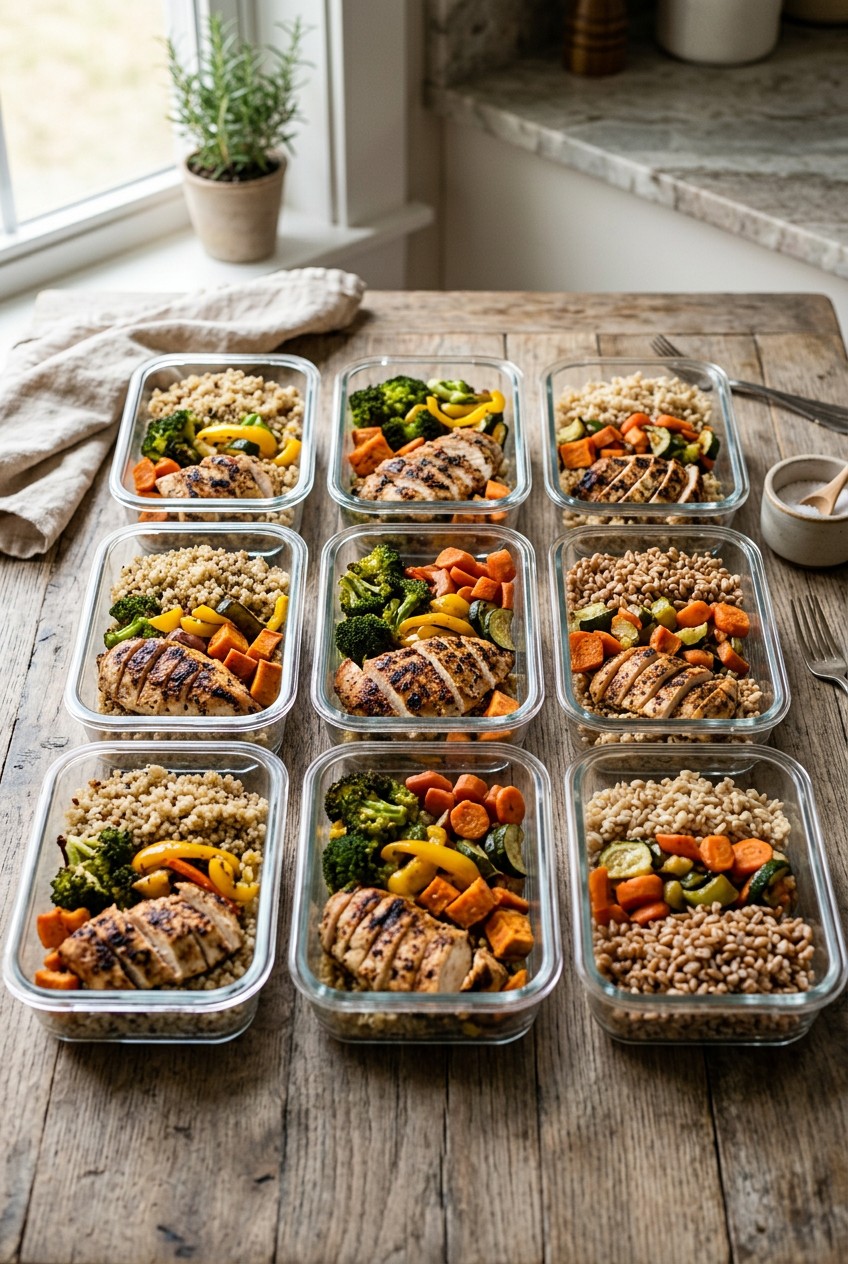
Here is a hard truth most people learn too late. Freezing a giant, heavy family-sized casserole is useless if you live alone. I used to freeze massive 9×13 aluminum pans of cheesy lasagna. Thawing the whole heavy thing just to eat a single square was a nightmare, and the rest always went bad in the fridge after a few days. Now, I portion everything strictly before it hits the ice. For adult main meals, you’re looking for exactly 350 to 500 grams per container. I use a flat digital kitchen scale to measure it out precisely. For cooked grains, I strictly freeze 1 cup (exactly 195 grams) portions for rice or 3/4 cup (150 grams) for quinoa. I buy the big bags of organic quinoa at Trader Joe’s for $5.99 and cook the whole thing on Sunday afternoon. Portioning it out means I can grab exactly what I need for a single lunch bowl. It thaws perfectly and reheats evenly in exactly 90 seconds. If you freeze a huge, wet clump of rice, the outside turns into mush in the microwave while the center stays frozen solid. Don’t do it. Small, exact portions are the only way to keep your sanity and actually eat the freezer meal prep you worked so hard on. You might also like: 15 Stunning Lunch Weekly Meal Prep Ideas You Haven’t Thought Of
![[8-Pack,30 oz]Glass Meal Prep Containers](https://m.media-amazon.com/images/I/713Zfdsgi4L._AC_UL320_.jpg)
[8-Pack,30 oz]Glass Meal Prep Containers
If you want something that just works, [8-Pack is a safe bet (7 reviews, 4.5 stars).
4. Master the Art of Flash Freezing

Have you ever reached into a bag of frozen berries and pulled out a giant, rock-hard softball of fruit? I’ve definitely been there. It’s frustrating when you just want 1/2 cup of loose blueberries for a morning smoothie. The secret is flash freezing. I learned this the hard way after ruining three pounds of fresh strawberries I bought on sale at Sprouts last summer. They were bright red and smelled incredibly sweet, but I just washed them, threw them in a cheap bag, and they froze into a solid, heavy brick. I tried to chip away at the ice block with a butter knife and ended up with sticky red mush. Never again. Now, I take a large aluminum baking sheet and line it with exactly one sheet of non-stick parchment paper. I spread out my cooked turkey meatballs or chopped green bell peppers in a single layer. Make sure they aren’t touching at all. Then, I put the whole flat tray into the freezer for exactly 2 hours. Once they’re frozen solid, I transfer them into a freezer bag. Because they froze individually, they stay individual in the bag. You can reach in and grab exactly 4 meatballs or 1/4 cup of peppers without a fight. It takes an extra step, but it’s worth the effort. You might also like: 15 Cozy Freezer Meals Ideas to Transform Your Space
5. Cool Food Rapidly Before Freezing

This is a massive safety issue that most people get wrong. I used to cook a huge, bubbling batch of spicy chili, portion it out while it was still boiling hot, and shove it directly into the freezer. I didn’t realize I was raising the ambient temperature of my entire freezer and partially thawing the food sitting around it. Gross. Plus, the hot food creates a ton of steam and condensation inside the sealed container. That moisture turns into thick ice crystals and ruins the texture of your food. You must cool your cooked food to 40 degrees Fahrenheit or below within exactly two hours of cooking. My favorite trick is to spread hot food, like the 2 pounds of fatty ground beef I get at Kroger for $11.98, out on a wide, shallow glass baking dish. The increased surface area lets the trapped heat escape rapidly. The beef sizzles and pops in the pan, and if you seal it up while it’s still steaming, you’re trapping all that excess moisture. Sometimes I’ll even place that hot dish over a larger metal pan filled with exactly 4 cups of ice water to speed things up. Once it’s cool to the touch, then it goes into the containers. Skipping this step is exactly how you get soggy, watery meals. You might also like: 20 Inspiring Meal Prep Ideas for Any Style
6. Label Everything with Detail

I can’t tell you how many times I’ve stared at a frosted plastic container trying to guess if it was red marinara sauce or pureed butternut squash. Last month, I accidentally thawed what I thought was savory sweet potato soup for dinner. The thick puree was bright orange and smelled faintly of cinnamon, but I ignored the smell when I dumped it into a hot pot. It was actually leftover pumpkin pie filling from Thanksgiving. We ate dry cereal that night. You have to label everything. I keep a black Sharpie Extreme permanent marker (a 2-pack is $4.49 at Target) and a roll of blue painter’s tape ($5.98) right next to my fridge door. On every single bag or container, I write the exact name of the dish, the date I made it, and specific reheating instructions. For example: “Lentil Stew – 10/12 – Microwave 3 mins.” I also enforce the first in, first out rule. When I bring home fresh groceries from Whole Foods, the new stuff goes in the back. The older meals get pushed to the front so I’m forced to eat them before they pass their prime. If you don’t label it clearly, you won’t eat it.

KOMUEE 10 Packs 30 oz Glass Meal Prep Containers
KOMUEE 10 Packs 30 oz Glass Meal Prep Containers punches above its price — 45 buyers rated it 4.5 stars. I would buy it again.
7. Know Which Foods Don’t Freeze Well

Not everything belongs in the ice box. I tried to freeze a beautiful, creamy potato salad once for a summer picnic. When it thawed, the rich mayonnaise separated into a watery, yellow oily mess with grainy, gray chunks of potato. It was vile. I threw the entire 4-cup glass bowl directly into the trash. High-water vegetables are a no-go. Don’t even try to freeze raw lettuce, crisp cucumbers, spicy radishes, or raw green cabbage. The freezing process destroys their cell walls, and they turn into limp, soggy rags when thawed. Cream-based sauces, sour cream, and delicate custards will separate and look completely curdled. If I’m making a rich soup that calls for 1/2 cup of heavy cream, I freeze the soup base without the cream. I’ll stir in the fresh cream when I’m reheating it on the hot stove. Cooked pasta is another tricky one. If you boil it until it’s soft and then freeze it, it turns to mush when you reheat it. If I have to freeze cooked pasta, I undercook it by exactly 3 minutes so it still has a bite. Honestly, I usually just freeze the meat sauce and boil exactly 2 ounces of fresh dry pasta when I’m ready to eat.
8. Thaw Safely to Prevent Bacterial Growth

Please don’t leave your frozen chicken breasts sitting on the warm kitchen counter all day while you’re at work. That’s a one-way ticket to food poisoning. The dangerous bacteria multiply like crazy in the USDA danger zone between 40 and 140 degrees Fahrenheit. I used to do the warm water bath trick because I was impatient, but it leaves the raw chicken feeling slimy and rubbery on the outside while the inside is still a hard, icy rock. The only safe way to thaw your food is slowly in the refrigerator. You need to plan ahead. The strict rule of thumb is exactly 24 hours of fridge time for every 5 pounds of solid food. If I’ve got a 16 oz block of frozen soup, I move it to the fridge shelf on Tuesday night for Wednesday’s dinner. Always put it on a rimmed plate or in a deep bowl to catch any condensation or messy leaks. If you’re in a total rush, you can thaw under cold running water. Put the sealed plastic bag in a large bowl and run a slow stream of cold water over it, changing the water every 30 minutes. But honestly, just set an alarm on your phone to remind yourself to pull things out the night before.
9. Freeze Cooked Grains with Precision

Freezing cooked rice used to terrify me because of the risk of bacteria growth. Plus, it always came out dry and crunchy. But I’ve nailed the technique now. The jasmine rice smells floral when it’s fresh, and freezing it properly preserves that scent. When I cook a large batch, I immediately spread the hot, sticky grains in a thin, even layer on a stainless steel sheet pan. I put that metal pan directly into the refrigerator for exactly 30 minutes. You want to rapidly chill it down to 41 degrees Fahrenheit or below within two hours. Once it’s cold to the touch, I scoop exactly 1 cup of the rice into rigid, BPA-free polypropylene containers (always look for the PP #5 stamp on the bottom). I freeze them at exactly 0 degrees Fahrenheit. When you’re ready to eat, don’t thaw it in the fridge. Take the hard frozen block of rice, put it in a ceramic bowl, sprinkle exactly 1 tablespoon of tap water over the top, cover it tightly with a damp paper towel, and microwave it for 2 minutes. The trapped steam brings the grains back to life perfectly. It’s fluffy, tender, and safe to eat.

8 Pack 36oz Large Glass Meal Prep Containers with lids
A dependable everyday pick — 8 Pack 36oz Large Glass Meal Prep Containers with lids pulls in 866 ratings at 4.5 stars. Not flashy, just solid.
12. Embrace Sustainable Freezing Practices

I used to go through cheap boxes of disposable plastic freezer bags like water. It felt wasteful, and they aren’t that great at preventing freezer burn anyway. The thin plastic tears easily on sharp bones. The new trend is all about reusable, eco-friendly options, and I’m fully on board. I’ve slowly been replacing my disposable bags with heavy-duty silicone Stasher Bags. The standard sandwich size costs about $12.99 each. They are thick, dishwasher safe, and they seal tightly. If you’re still using standard plastic bags, you have to eliminate the air. I do the water displacement method: I put my food in the bag, seal it almost all the way, and then slowly lower the bag into a large bowl of cold water. The heavy water pressure pushes all the air out of the top opening. Then I seal the last little corner. If I’m using hard glass containers, I make sure to leave exactly 1/2 inch of headspace at the top. Liquids expand significantly when they freeze. If you fill a glass jar to the brim and freeze it, the glass will shatter. I lost a beautiful batch of homemade bone broth that way last year. Shards of thick glass were embedded in a block of frozen brown liquid, and I had to throw the whole mess away. Leave a little room, but not too much.
I honestly hope these tips save you from the heartbreak of ruined groceries. I’ve ruined enough food for the both of us, no exaggeration, so please learn from my mistakes. Start small, buy some decent containers, and label everything. I highly recommend picking up those Souper Cubes if you’re a soup lover like me—they’re worth every single penny. If you found this helpful, pin this article to your favorite meal prep board so you don’t lose it!

M MCIRCO 10-Pack,30 Oz Glass Meal Prep Containers 2
M MCIRCO 10-Pack has been one of the most consistently praised picks in this category. 23 reviewers averaged 4.5/5.
Frequently Asked Questions
How long do freezer meals actually last?
Most properly sealed freezer meals last between 3 to 6 months. If you’re using a vacuum sealer to remove all the air, you can safely store meats and solid vegetables for up to two years without losing texture or flavor.
Can I put hot food directly into the freezer?
No, you absolutely can’t do this. Placing hot food in the freezer raises the internal temperature, which partially thaws surrounding items and creates a breeding ground for bacteria. Always cool food to 40 degrees Fahrenheit within two hours first.
What containers are best for freezer meal prep?
I highly recommend airtight, leak-proof options like Rubbermaid Brilliance plastic containers or Prep Naturals glass containers. For soups and broths, silicone trays like Souper Cubes are incredible because they let you freeze perfect, stackable portions.
Why do my frozen vegetables get so mushy?
You’re likely freezing high-water vegetables like raw cucumbers or lettuce, which don’t survive the freezing process. For things like broccoli or peppers, you need to flash freeze them on a parchment-lined baking sheet before putting them in a bag.
