What’s Inside
- Master Batch Cooking Proteins for Efficiency
- Upgrade Your Containers for Keto Lunch Meal Prep
- Prioritize Healthy Fats Beyond Just Meat
- Pre-Chop Non-Starchy Above-Ground Vegetables
- Track Macros with AI-Powered Apps
- Beware Hidden Carbs in Processed Keto Foods
- Utilize Budget-Friendly Protein Cuts
- Don’t Skip Electrolytes During Your Prep
- Utilize Your Freezer for Long-Term Batching
- Incorporate Fermented Foods for Gut Health
- Blend Custom Condiments for Keto Lunch Meal Prep
- Leverage a Slow Cooker for Hands-Off Cooking
Last November, I stood crying in the breakroom, staring at a soggy, leaking plastic container of zucchini noodles that smelled vaguely of old gym socks. That disaster forced me to figure out a keto lunch meal prep routine that works, because eating sad desk salads wasn’t sustainable. Effective keto prep requires strict strategy, not just throwing cheese and meat into a baggie and hoping for the best. I spent six months making every mistake possible. I bought the wrong containers. I under-ate fat and crashed at 2 PM. I trusted deceptive nutrition labels. Now, I’ve built a system that keeps me in ketosis and tastes good. Here are the twelve methods I use every Sunday to keep my family fed and my macros perfect.
1. Master Batch Cooking Proteins for Efficiency

I dedicate one hour every Sunday to cooking bulk proteins. I learned that the hard way after trying to cook fresh chicken breasts every single morning before work. I’d inevitably run late, skip it, and end up buying a dry, overpriced salad from the deli downstairs. Now, I buy three pounds of boneless, skinless chicken thighs from Kroger. They cost about $4.99 per pound, which is cheaper than breasts. The higher fat content keeps them from drying out when reheated in the office microwave. I season them with salt, pepper, and smoked paprika, then roast the entire batch on a sheet pan at 400 degrees for 25 minutes. Once they cool, I chop them into bite-sized pieces. I also brown four pounds of 80/20 ground beef in a massive skillet. Having these two proteins ready in the fridge means I’m never starting from scratch. I just grab a handful of chicken for a salad or a scoop of beef for taco bowls. The fat content in the 80/20 beef is crucial. I tried using 99% lean turkey for a month last year. It tasted like wet cardboard and left me starving by mid-afternoon. Stick to the fattier cuts. They taste better and fit the macro profile perfectly.
2. Upgrade Your Containers for Keto Lunch Meal Prep

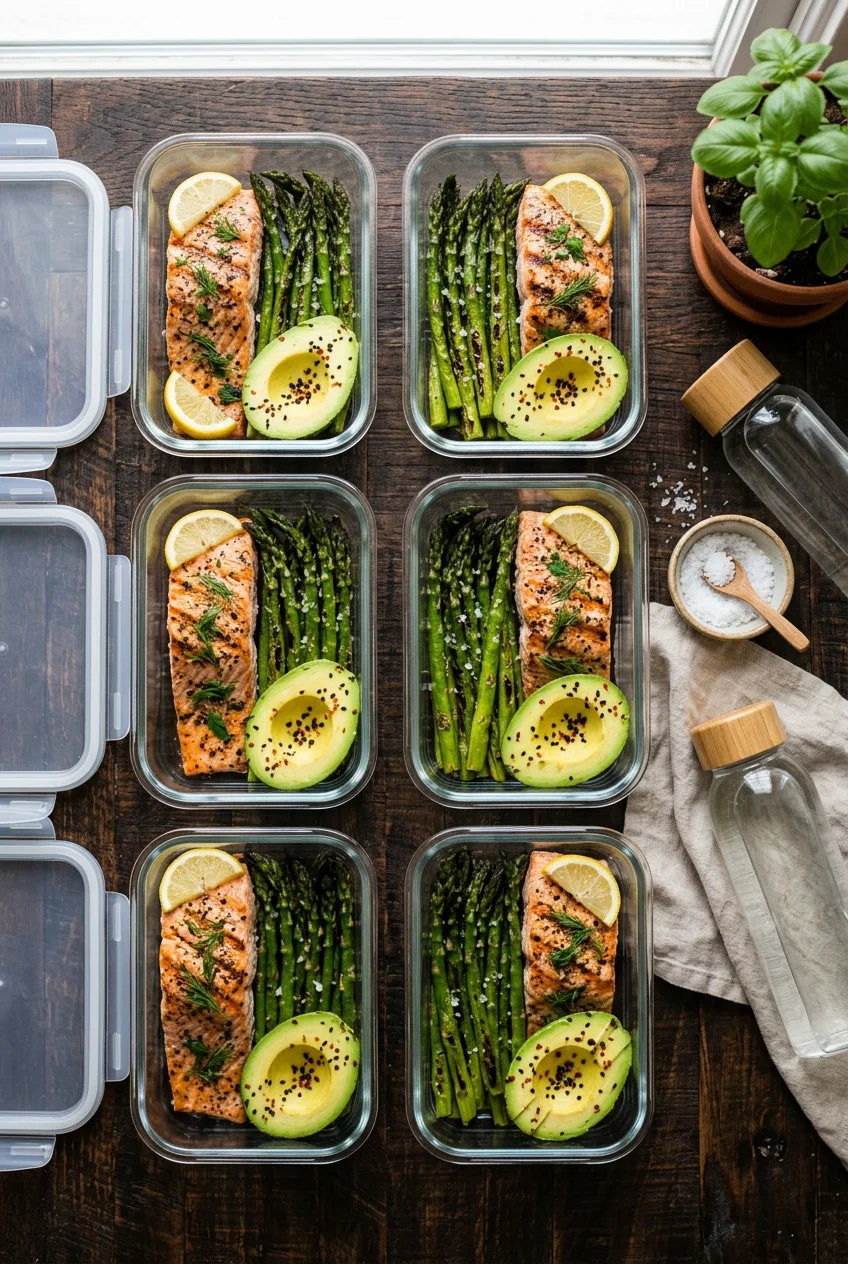
You need to throw away your cheap plastic containers. I used flimsy tubs for years until I realized they were absorbing the smell of garlic and staining bright orange from taco seasoning. Plus, they warp in the dishwasher. I switched to the Prep Naturals 2-Compartment Meal Prep Containers. A five-pack costs $25.99 on Amazon, and I’ve seen them at Target too. The glass is heavy and durable. The compartments are non-negotiable for low-carb lunches. If you put wet ingredients like a creamy dressing or salsa in the same section as your roasted broccoli, you’re going to end up with mush by Wednesday. The silicone seals on the lids snap down tight. I don’t have to worry about avocado oil leaking onto my laptop in my work bag. I learned that lesson the hard way last Tuesday when a cheap lid popped off in transit. I keep the protein and dry vegetables in the larger compartment and the fats or wet ingredients in the smaller one. These keep food fresh for a solid five days. You won’t regret spending a little extra on glass. It makes the food look more appetizing, which helps when you’re eating leftovers on a Thursday.
3. Prioritize Healthy Fats Beyond Just Meat

Most people get this wrong when they start. I certainly did. I’d pack a lunch of dry chicken breast and spinach, thinking I was doing great. Then I’d feel lightheaded and shaky by 3 PM. You can’t just remove carbs; you have to replace that energy with fat. Now, I make sure every container has a dedicated fat source. I usually add half a Hass avocado, which costs about $1.50 at Trader Joe’s. I leave the skin on and the pit in until I’m ready to eat to prevent browning. If avocados aren’t available, I pack a quarter cup of Trader Joe’s Dry Roasted Macadamia Nuts. A 10-ounce bag is $9.99. They’re expensive, but a quarter cup packs an incredible amount of fat and keeps me full until dinner. Another trick is bringing a small 1-ounce dressing container filled with extra virgin olive oil. I pour it over my greens right before eating. Don’t rely solely on the fat from your meat. Adding these plant-based fats helps with digestion and keeps your energy levels stable. Skip the fat-free dressings entirely. They taste terrible and ruin the whole point of eating this way.

Bento Box Adult Lunch Box – 4 Pack, 5
Bento Box Adult Lunch Box – 4 Pack punches above its price — 24 buyers rated it 4.5 stars. I would buy it again.
4. Pre-Chop Non-Starchy Above-Ground Vegetables

I follow a strict rule for my lunch vegetables. If it grows below the ground, I don’t pack it. Root vegetables like carrots and potatoes are too high in carbs. Instead, I focus entirely on above-ground vegetables like broccoli, zucchini, and bell peppers. On Sundays, I wash and chop enough vegetables for the entire week. I store them in Weck Jars. A six-pack of the 742 half-liter size costs $34.99 at Crate & Barrel. The glass jars keep the chopped bell peppers incredibly crisp compared to plastic bags, which trap moisture and make them slimy by Tuesday. I aim for about 100 grams of broccoli florets per meal, which yields about 4 grams of net carbs. Having them pre-chopped means I can toss them raw into a salad or quickly sauté them in butter if I’m working from home. I used to try chopping vegetables every morning. I’d inevitably skip it and just eat meat and cheese. That led to terrible digestion issues. You need the fiber from these non-starchy vegetables. The Weck jars take up vertical space in the fridge, so they fit nicely on the top shelf. The visual reminder of bright green vegetables makes me actually want to eat them. You might also like: 10 Healthy Lunch Meal Prep Worth Trying
5. Track Macros with AI-Powered Apps

You can’t guess your macros. I tried intuitive eating on this diet for three months and gained four pounds because I was accidentally overeating almonds and onions. Onions have way more carbs than you think. Now, I use the Carb Manager app. The premium version costs $8.33 a month if you pay annually. It has a barcode scanner that makes logging ingredients while I cook fast. I weigh my chicken, scan the olive oil bottle, and input the exact grams of spinach. The app calculates the net carbs instantly. This is vital because carb creep is real. A handful of cherry tomatoes here and a splash of balsamic vinegar there can easily push you over your 20-gram daily limit. I log all five of my lunches on Sunday afternoon. This takes the decision fatigue out of my workweek. I know exactly what I’m eating and how it affects my goals. The app even has a feature where you can snap a photo of your plate, though I find the barcode scanner more accurate for specific brand items. Don’t skip the tracking phase. It’s tedious for the first week. Once your frequent foods are saved in the app, it takes less than two minutes a day. You might also like: 15 Stunning Lunch Weekly Meal Prep Ideas You Haven’t Thought Of
6. Beware Hidden Carbs in Processed Keto Foods

It’s tempting to buy boxes of pre-packaged snacks labeled as low-carb to throw in your lunch bag. I fell for this trap heavily last year. I was buying protein bars and cheese crisps, thinking I was saving time. Then I actually read the labels. Many of these products are packed with sugar alcohols like maltitol, which spikes my blood sugar just as badly as regular sugar. I bought a box of Quest Bars from Walmart for $8.99, thinking they’d be a good side for my lunch. While they claim to have low net carbs, the artificial sweeteners left me craving real sugar all afternoon. Now, I avoid anything processed for my main meals. If a label has more than five ingredients, or ingredients I can’t pronounce, I won’t buy it. A commercially prepared sauce might have 3 grams of carbs per tablespoon. If you use three tablespoons on your salad, that’s nearly half your daily allowance gone on dressing. Stick to whole foods. It requires slightly more effort on Sunday. You won’t experience the weird bloating or sugar crashes that come from eating highly processed filler ingredients. Real food is the safer bet for staying in ketosis. You might also like: 9 Simple Meal Prep Worth Trying

buluker 4 Pack Bento Lunch Box Set 3 Compartment Food
buluker 4 Pack Bento Lunch Box Set 3 Compartment Food Storage Containe punches above its price — 23 buyers rated it 4.5 stars. I would buy it again.
7. Utilize Budget-Friendly Protein Cuts

Eating this way can get expensive if you’re buying ribeye steaks and wild-caught salmon every week. I quickly realized my grocery bill was out of control. I had to pivot to budget-friendly cuts to make this lifestyle sustainable. I started buying Wild Planet Sardines in extra virgin olive oil. A can costs $3.49 at Sprouts. I know sardines sound intimidating. They are an incredible source of protein and omega-3 fats. I mash them with half an avocado and a squeeze of lemon juice for a quick, cheap lunch. I also rely heavily on canned tuna and ground pork. Ground pork is usually around $3.99 a pound at my local butcher. It makes fantastic Asian-inspired lettuce cups when cooked with ginger and soy sauce. You don’t need expensive cuts of meat to make a delicious meal. The cheaper, fattier cuts work better for our macro needs anyway. I used to buy premium deli meats, but they cost upwards of $12 a pound and are often pumped with hidden sugars and nitrates. Cooking your own cheaper cuts of raw meat saves a massive amount of money. It gives you complete control over the seasoning and ingredients.
8. Don’t Skip Electrolytes During Your Prep

This is the biggest mistake beginners make. I remember my second week on the diet. I was sitting at my desk with a pounding headache and zero energy. I thought I was sick. It was the dreaded keto flu, caused by a severe lack of electrolytes. When you cut carbs, your body flushes out water and essential minerals like sodium, magnesium, and potassium. Now, I actively incorporate electrolytes into my meal prep. I heavily salt all my roasted meats and vegetables with Redmond Real Salt. A 10-ounce shaker costs $8.99 at Whole Foods. The pink salt contains trace minerals that regular table salt lacks. I also pack at least two cups of raw spinach in my glass containers, which provides a solid dose of potassium. Spinach has about 2 grams of net carbs per 100 grams, making it an easy addition. If I know I have a stressful week ahead, I’ll pack a packet of LMNT electrolyte powder to mix into my water bottle at lunch. It costs about $45 for a box of 30 on their website. You can’t just drink plain water. You have to replenish the salt. Salting your food generously during Sunday prep is the easiest way to prevent afternoon headaches.
9. Utilize Your Freezer for Long-Term Batching

Sometimes Sunday rolls around and I simply don’t have the energy to cook. That’s why I keep an emergency stash in my freezer. I use Souper Cubes to freeze individual portions of heavy, wet meals. A two-pack of the one-cup trays costs $19.99 at Target. They are thick silicone trays that let you freeze perfect blocks of food. Once frozen, I pop the blocks out and store them in a large freezer bag. I make a massive batch of no-bean chili using ground beef, crushed tomatoes, and chili powder once a month. I freeze six portions. When I’m too tired to prep, I just grab a frozen block of chili. I drop it into my glass container, and it thaws in the fridge by lunchtime on Monday. It microwaves perfectly in about three minutes. I tried freezing meals in regular plastic containers before. They got freezer burn within a week, and the plastic cracked when I tried to pry the frozen food out. The silicone cubes solve that problem completely. Building a freezer stash prevents you from ordering takeout on days when your prep schedule falls apart. It’s my backup plan.

LOVINA Bento Boxes for Adults
LOVINA Bento Boxes for Adults – 1100 ML Bento Lunch Box For Kids Child punches above its price — 133 buyers rated it 4.5 stars. I would buy it again.
10. Incorporate Fermented Foods for Gut Health

Changing your diet drastically can mess with your digestion. I struggled with bloating for the first few months because I was eating so much cheese and meat without enough probiotics. A nutritionist friend suggested adding fermented foods, and it fixed the issue. Now, I add a quarter cup of unpasteurized sauerkraut to my lunch containers. I buy Cleveland Kraut, which is $5.99 for a 16-ounce bag at Target. You have to buy the refrigerated kind. The canned stuff on the dry shelves has been pasteurized, which kills all the beneficial bacteria. The acidity of the sauerkraut cuts through the richness of the fatty meats beautifully. It adds a sharp, tangy crunch to my ground beef bowls. I also keep a jar of spicy kimchi in the fridge for variety. Just be sure to check the labels on kimchi, as some brands add sugar to the fermentation paste. Adding just a small forkful of these fermented vegetables provides natural probiotics without adding significant carbs. I usually pack the kraut in a separate small silicone cup inside my main container. That way, the brine doesn’t make my roasted vegetables soggy.
11. Blend Custom Condiments for Keto Lunch Meal Prep

Store-bought dressings are a minefield of soybean oil and high-fructose corn syrup. Even the ones labeled sugar-free often use terrible quality oils that cause inflammation. I threw out my entire fridge door of condiments last year and started making my own. It takes exactly five minutes on a Sunday. I make my own mayonnaise using an immersion blender. I use Chosen Foods Avocado Oil, which I buy in a massive 25.4-ounce bottle at Costco for $12.99. I blend one egg, a cup of the oil, a squeeze of lemon, and a pinch of mustard powder. It emulsifies in thirty seconds and tastes infinitely better than the jarred stuff. I use this mayo as a base for chicken salad or mix it with some hot sauce for a spicy drizzle over pork. I also shake up a simple vinaigrette in a mason jar using olive oil, apple cider vinegar, and dried oregano. Making a one-cup batch lasts me the entire week. It’s cheaper, it’s cleaner, and I know exactly what’s in it. Don’t ruin a perfectly prepped, healthy lunch by drowning it in a cheap, inflammatory dressing. You’re putting in the work to eat well, so make the dressing count.
12. Leverage a Slow Cooker for Hands-Off Cooking

When I have a busy weekend and can’t dedicate an hour to standing over the stove, I pull out my Crockpot. I own a basic 6-Quart Crockpot that I bought at Walmart for $34.99. It’s the most reliable appliance in my kitchen. Slow cooking is perfect for tough, fatty cuts of meat. I buy a three-pound pork shoulder, which is cheap at around $2.99 a pound. I rub it with salt, pepper, cumin, and paprika. I drop it in the slow cooker on low for eight hours, and walk away. By Sunday evening, I get perfectly tender pulled pork. I shred it with two forks and portion it out into my glass containers. I serve it over a bed of shredded cabbage with a side of my homemade avocado oil mayo. The slow cooker retains all the fat and moisture, so the meat never dries out when reheated. I used to try roasting pork shoulder in the oven. I’d always dry it out or burn the crust. The slow cooker is foolproof. It does all the heavy lifting while I run errands or do laundry, making Sunday prep feel less overwhelming.
If you implement even half of these keto lunch meal prep strategies, your weeknights will feel less stressful. You won’t be staring into the fridge at 8 PM wondering what to take to work the next day. I’ve eaten this way for over two years now, and the consistency of Sunday prep is the only reason I haven’t quit. Don’t try to do all twelve things at once. Start by upgrading your containers and batch-cooking one protein. Once you get the hang of it, add in the homemade dressings and freezer stashes. Pin this article to your meal prep board so you have the grocery prices and brand names handy for your next shopping trip. Let’s make your lunches something you actually look forward to eating.

EASYFUN Bento Box Adult, Lunch Box
Honestly, EASYFUN Bento Box Adult surprised me — sturdier than it looks in the photos, and over 13 buyers gave it 4.5 stars.
Frequently Asked Questions
How long does keto lunch meal prep last in the fridge?
Most keto lunch meal prep will stay fresh in airtight glass containers for four to five days. If your prep includes seafood like salmon or sardines, you should eat those portions within three days to ensure optimal freshness and prevent strong odors in your office microwave.
Can I freeze my keto lunches?
Yes, you can freeze heavy, wet meals like keto chili, beef stew, or pulled pork for up to three months. I highly recommend using silicone freezer trays to portion out the meals before transferring them to freezer bags. Avoid freezing fresh greens or raw vegetables.
How do I prevent avocado from turning brown in my lunch container?
To keep avocados fresh, leave the skin on and the pit intact until you’re ready to eat. If you must pre-slice it, brush the exposed flesh with a light coat of olive oil or a squeeze of fresh lemon juice, then seal it in an airtight compartment.
What are the best cheap proteins for keto meal prep?
Boneless, skinless chicken thighs, 80/20 ground beef, and pork shoulder are incredibly budget-friendly and provide the higher fat content needed for ketosis. Canned sardines and tuna are also fantastic, inexpensive staples that require zero cooking time during your Sunday prep sessions.
