What’s Inside
- Stop Making Full Meals (Try Component Meal Prep For Lunch)
- The 3-3-3 Method Keeps Things Interesting
- Glass Containers Are Non-Negotiable
- The Freezer Is Your Meal Prep For Lunch MVP
- Stop Ruining Salads (Keep Dressings Separate)
- Frozen Produce Is Actually Better Sometimes
- Season Simply Now, Add Flavor Later
- Balance Your Macros So You Don’t Crash
Last Tuesday at Whole Foods, I dropped a $14 leaky plastic container of sad, wilted spinach salad right onto my favorite white sneakers. Smelling cheap balsamic vinaigrette soak into my shoes reminded me why I finally mastered high-protein meal prep. I spent years packing rubbery chicken breast and soggy broccoli into cheap tubs. It tasted like wet cardboard. I’d end up buying a $16 sandwich by 1 PM anyway because my packed food looked so unappetizing. Now, I do things differently. You can’t just throw random leftovers in a bag and expect to feel excited about eating them at your desk. You need a real strategy. Trust me.
When I first started, I did this wrong for months. I’d cook massive batches of the same recipe on Sunday. By Wednesday, the meat’s texture was terrifying. By Friday, I’d rather starve than eat another bite. I realized that keeping things fresh and high in protein requires specific techniques, the right gear, and a total shift in how you plan your groceries. Let’s look at the methods I use to make midday meals that actually taste good.
1. Stop Making Full Meals (Try Component Meal Prep For Lunch)

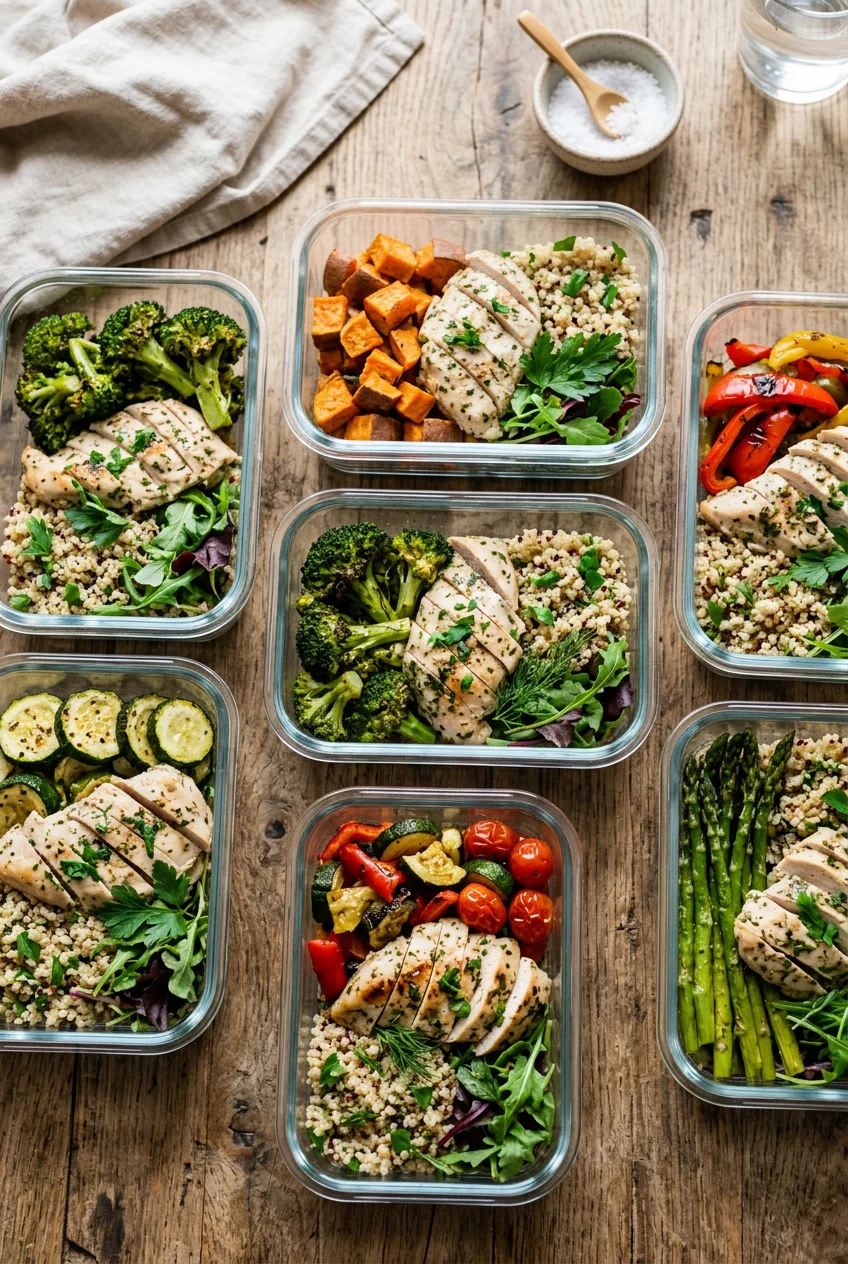
Most people get this wrong. I used to cook five identical full meals on Sunday. I’d line up five containers, filling them with 4 oz of chicken, 1/2 cup of rice, and a handful of green beans. It looked great on Instagram. But honestly, it changed how I view eating because by Thursday, I was chewing on dry, flavorless protein and resenting my past self. The secret is to embrace ingredient prep over full meal assembly. Instead of locking yourself into one flavor, prepare versatile components you can mix and match.
Every Sunday, I roast a huge batch of vegetables, cook my base grains, and prep my main protein. For example, I’ll buy a 1.5 lb pack of Trader Joe’s Organic Free Range Chicken Breasts ($7.99 per pound) and bake it with salt and olive oil. Then I’ll boil 2 cups of dry quinoa. I store these in large, separate containers in the fridge. When Tuesday rolls around, I might want a Mexican-inspired bowl. I grab 1/2 cup of the quinoa, 4 oz of the chicken, and add fresh salsa. On Wednesday, I might crave a Mediterranean vibe, so I take that same chicken and quinoa, but toss it with cucumbers, feta, and a lemon dressing. This prevents the dreaded flavor fatigue.
Component prepping also saves you from the gross reality of reheated mixed foods. When you store wet vegetables next to dry grains for four days, everything turns into mush. Keeping your 1.5 lbs of baked chicken separate from your 2 cups of quinoa ensures every bite keeps its original texture. You won’t feel like you’re eating leftovers. You’ll feel like you just threw together a bowl from a fancy cafe.
2. The 3-3-3 Method Keeps Things Interesting

If you struggle with grocery lists, the 3-3-3 method will save your sanity. I used to wander the aisles of Sprouts Farmers Market throwing random items into my cart. I’d buy produce that looked pretty, only to let it rot. Now, I follow a strict 3-3-3 framework. You choose exactly 3 proteins, 3 carbs, and 3 vegetables to rotate for the week. This gives you enough variety to stay sane but keeps your grocery bill manageable.
Last week, my list looked like this. Proteins: ground turkey, hard-boiled eggs, and edamame. Carbs: Target Good & Gather Quinoa (16 oz bag is $2.99), sweet potatoes, and whole wheat wraps. Vegetables: spinach, cherry tomatoes, and zucchini. With just those nine ingredients, I created different lunches every day. I’d stuff a wrap with turkey and spinach on Monday. On Tuesday, I’d make a quinoa bowl with roasted zucchini and edamame. The combinations are endless, and you aren’t stuck eating the same flavor profile twice.
I swear by this because it forces you to balance your nutrition without overcomplicating things. When I try to prep five complex recipes, I spend four hours in the kitchen and create a mountain of dishes. The 3-3-3 method takes maybe an hour. Plus, buying in these categories ensures you hit your macros naturally. You’ll always have a lean protein, a complex carbohydrate, and a fiber-rich vegetable. Just remember to buy enough volume. I grab 3 lbs of sweet potatoes ($1.49 per pound at Sprouts) to make sure I have enough through Friday.
3. Glass Containers Are Non-Negotiable

Let’s talk about the worst mistake you can make. Don’t pack your food into cheap, stained plastic containers from five years ago. I did this for a long time. I’d microwave my lunch in a flimsy tub, and my food would taste like melted plastic and whatever garlic dish I stored in it last month. It’s disgusting. If you want your food to taste fresh, invest in proper storage. Quality containers are the foundation of this process. You might also like: 15 Gorgeous Chicken Breast Dinner Ideas That Make a Real Difference
You need durable, reusable containers that are freezer, microwave, and dishwasher safe. I recommend the Pyrex Glass Storage 18-Piece Set. I bought mine at Walmart for $34.99, and they changed my routine. Glass doesn’t absorb odors. When I wash a Pyrex bowl that held spicy curry, it smells like nothing afterward. For days when I need compartments, I use the OXO Prep & Go Divided Containers ($16.99 at Target). The leak-proof seal means I never worry about juices spilling onto my car seats. You might also like: 15 Creative Cold Lunch Ideas to Transform Your Space
If you’re doing heavy component prep, experts recommend using plastic deli containers for storing bulk ingredients at home. They stack perfectly. I bought a 24-pack of DuraHome Deli Containers on Amazon for $21.99. I keep my 2 cups of cooked rice in a large one, and my chopped raw veggies in the smaller ones. Just remember the “First In, First Out” rule. I stick a piece of masking tape on my Pyrex with the date. I push the older containers to the front of the fridge so I eat them first. Nobody wants a fuzzy, forgotten bowl of mystery meat in the back on Saturday morning. You might also like: 20 Lovely Work Lunch Ideas to Inspire Your Next Project

M MCIRCO 10-Pack,30 Oz Glass Meal Prep Containers 2
A dependable everyday pick — M MCIRCO 10-Pack pulls in 23 ratings at 4.5 stars. Not flashy, just solid.
4. The Freezer Is Your Meal Prep For Lunch MVP

I used to think freezing food meant accepting a mushy fate. I was wrong. Your freezer is the ultimate tool for budget-friendly, high-protein eating. If you’re already taking the time to cook a batch of chili or a pot of brown rice, you’re wasting time if you don’t double the recipe. Cooking double batches of freezer-friendly meals is the easiest way to build a stash of emergency lunches for those weeks when Sunday prep doesn’t happen.
Here is my strategy. When I make grains, I boil 4 to 5 cups of rice. I portion half into my fridge containers for the week. The other half goes into Ziploc Gallon Freezer Bags ($5.49 at Kroger). The trick is to press the bag flat before freezing. A flat sheet of rice thaws in the microwave in two minutes without turning into a giant, icy clump. I do the same thing with turkey meatballs and black bean stews.
You have to be smart about cooling your food down. I once gave myself stomach cramps because I put a steaming hot container of soup directly into the fridge. It didn’t cool fast enough, and bacteria had a field day. Learned that the hard way. Now, I use a food thermometer. I make sure my poultry hits 165 degrees Fahrenheit. Then, I portion the hot food into shallow 1-cup servings. This rapid cool-down prevents the food from sitting in the temperature danger zone. Once it’s cool, I seal it up and toss it in the freezer. Knowing I have five high-protein meals waiting on ice removes my stress.
5. Stop Ruining Salads (Keep Dressings Separate)

There is nothing more depressing than opening your lunch bag to find slimy, translucent lettuce swimming in a puddle of oil and vinegar. I used to toss my salads on Sunday night, thinking the flavors would marinate. Instead, the acid in the dressing cooked the greens. By Tuesday, my spinach looked like wet seaweed. If you want to pack salads, keep your wet ingredients isolated from your dry ingredients until you’re ready to eat.
You need tiny, leak-proof containers for your sauces. I use the Rubbermaid TakeAlongs Dressing Containers (pack of 4 is $4.99 at Target). I measure 2 tablespoons of my homemade vinaigrette into these cups. I keep crunchy toppings like walnuts, pumpkin seeds, or croutons in a separate dry baggie. When I sit down at my desk, I pour the dressing over the greens, toss it with my fork, and sprinkle the nuts on top. The lettuce stays crisp, and the nuts keep their crunch.
Also, I have a strong opinion about dressings. Skip the fat-free stuff. It tastes like wet cardboard and is usually packed with fake sugars. You need healthy fats to absorb the vitamins in your vegetables. I make my own using olive oil, lemon juice, and a spoonful of tahini. It takes two minutes to shake up in a jar, and it tastes a million times better than the bottled stuff. Keeping it in those tiny Rubbermaid containers guarantees my lunch stays crisp.
6. Frozen Produce Is Actually Better Sometimes

I used to be a snob about fresh vegetables. I thought buying frozen broccoli meant I wasn’t a “real” healthy eater. I’d spend a fortune on fresh organic berries at Whole Foods, only to watch them grow white fuzz three days later. It was infuriating. The truth is, frozen vegetables and fruits are often picked at peak ripeness and flash-frozen. They are sometimes more nutrient-dense than fresh produce that has been sitting on a truck for two weeks.
Now, I lean on my freezer aisle to save time and money. I buy the 4 lb bag of Kirkland Signature Organic Frozen Broccoli at Costco for $8.99. I don’t even thaw it. I toss the frozen florets onto a sheet pan, drizzle them with olive oil, and roast them at 400 degrees. They get crispy edges and taste incredible. I also keep bags of frozen spinach to throw into soups or mix into ground turkey skillets. It saves me so much chopping time, and I never throw away rotten greens.
Don’t sleep on canned goods, either. Canned beans are a cheap source of protein and fiber. I buy 15 oz cans of black beans at Walmart for about 80 cents each. The only catch is the sodium. You must rinse canned beans thoroughly under cold water for at least thirty seconds. I learned this the hard way after making a bean salad that was so salty it burned my tongue. Rinsing washes away the starchy, salty liquid. Once rinsed, you can toss them right into your quinoa bowls or salads for an instant protein boost.

Skroam 10 Pack Glass Meal Prep Containers
Honestly, Skroam 10 Pack Glass Meal Prep Containers surprised me — sturdier than it looks in the photos, and over 57 buyers gave it 4.5 stars.
7. Season Simply Now, Add Flavor Later

This is a mistake I made for years. I would get excited on Sunday and season my entire 1.5 lbs of chicken with an aggressive curry powder. On Monday, it was delicious. By Wednesday, the smell of turmeric made me slightly nauseous, and I couldn’t stand the thought of eating it again. When you batch cook your base proteins and vegetables, keep the initial seasoning basic. You want a blank canvas.
I now season all my bulk chicken and roasted vegetables with four things: salt, black pepper, Whole Foods 365 Organic Garlic Powder ($3.99), and onion powder. That’s it. It gives the food a savory base that isn’t tied to any specific cuisine. The real magic happens right before I eat. I keep a “spice toolkit” in my desk drawer and my pantry. This includes fresh lemon wedges, hot sauce, and versatile dry blends.
My favorite weapon is Trader Joe’s Everything But The Bagel Seasoning ($1.99). I sprinkle it over plain roasted sweet potatoes and hard-boiled eggs to add garlic, onion, and a salty crunch. If I want a Mexican flavor, I’ll take my plain chicken, add a dash of cumin, and squeeze fresh lime juice over it. If I want Asian flavors, I’ll drizzle a teaspoon of soy sauce and toasted sesame oil. Keeping the base simple means you can change the identity of your meal in ten seconds. You won’t get bored, and you won’t end up throwing away food just because you’re tired of a specific spice blend.
8. Balance Your Macros So You Don’t Crash

Have you ever eaten a massive bowl of pasta for lunch, felt great for twenty minutes, and then fallen asleep at your desk by 3 PM? I used to do this constantly. I’d pack a huge container of plain noodles with a little bit of marinara. I thought I was doing great because I brought my lunch. But my blood sugar would spike, crash, and leave me begging for a sugary coffee. A common mistake is an unbalanced meal. According to exercise physiologist Jim White, R.D.N., you have to balance your macros for sustained energy.
Aim for a plate that is roughly half vegetables and fruits. The other half should be split evenly between lean protein and complex whole grains. I try to pack 4 to 6 oz of cooked chicken or fish. For my grains, I measure 1/2 to 1 cup of cooked Whole Foods 365 Brown Rice ($3.29 per bag). This combination of fiber from the veggies, complex carbs from the rice, and dense protein from the meat digests slowly. It acts like a slow-drip energy source.
Honestly, getting this ratio right changed my workday. I no longer feel that heavy, lethargic brain fog in the afternoon. I feel full, focused, and satisfied. I measure my protein on a cheap digital food scale just to make sure I’m getting enough. Eyeballing 4 oz of chicken is surprisingly difficult, and most people under-eat protein when they pack their own lunches. Once you nail this balance, your midday meal becomes fuel instead of a nap-inducing trap. No exaggeration.
Meal prep doesn’t have to mean eating sad, soggy food out of stained plastic. By keeping your ingredients separate, using real glass containers, and balancing your macros, you can look forward to your midday break. I recommend starting with the 3-3-3 method this weekend. Grab your groceries, keep your seasonings simple, and watch how much money and energy you save this week. Don’t forget to pin this guide to your favorite recipe board so you can reference these exact container brands and grocery tips before your next Sunday prep session!
Frequently Asked Questions
How long does meal prep for lunch last in the fridge?
Most cooked proteins and roasted vegetables will last 3 to 4 days in an airtight glass container. Always use the ‘First In, First Out’ method and smell your food before eating. If you need food for Friday, freeze a portion on Sunday.
How do I prevent my prepped salad from getting soggy?
Never dress your greens in advance. Store your lettuce in a dry container, and keep your dressing in a separate, leak-proof mini container. Add the dressing and crunchy toppings right before you eat to maintain the perfect texture.
What is the 3-3-3 meal prep method?
It’s a grocery planning strategy where you select exactly 3 proteins, 3 complex carbs, and 3 vegetables for the week. You mix and match these 9 components daily to create varied, balanced lunches without buying excessive groceries.
Can I freeze cooked rice and grains?
Yes. Cook a large batch of rice, let it cool completely, and store it flat in a gallon freezer bag. Flat freezing prevents clumping and allows the rice to thaw evenly in the microwave in just a few minutes.
