What’s Inside
- The Reality of Bariatric Portion Control
- Prioritize Protein First, Always
- Invest in Bariatric-Specific Portion Control Containers
- Master Small, Frequent Meals
- Weigh and Measure Portions Precisely
- Choose High-Quality Protein Supplements Wisely
- Embrace Flavorful, Sugar-Free Condiments
- Batch Cook Versatile Staples
- Practice Mindful Eating with Smaller Utensils
- The New Building Block Method for 2026
- Final Thoughts on Your Prep Routine
Last Tuesday at Whole Foods, I found myself crying in the cold dairy aisle while holding a 15-ounce tub of whole milk ricotta cheese. The heavy plastic container felt like a brick in my hands, and the nutrition label made my chest tight. Figuring out bariatric meal prep right after surgery completely overwhelmed me. I spent my first month post-op sipping watery, bland chicken broth and feeling terrified of real food. I tried winging my portions for months before figuring it out. Spoiler alert. Winging it doesn’t work when your stomach is the size of an egg. You’ll end up wasting expensive groceries, feeling physically sick, or accidentally stretching your pouch. I learned that the hard way.
I’m Esperanza, and I run simpleprepsunday.com. I’m going to show you exactly how I handle my weekly prep without losing my mind. We’re going to cover the exact containers, the precise measurements, and the specific foods that keep me on track. Let’s get into the details so you aren’t left crying in the grocery store like I was.
The Reality of Bariatric Portion Control

Before we get into the numbered list, I have to confess a massive mistake I made early on. I assumed that if a food was on my “allowed” list, I could eat it until I felt comfortably full. I made a huge batch of lean ground turkey chili. The smell of the simmering cumin and chili powder filled my kitchen, and I was starving. I scooped a large portion into a regular soup bowl and ate the whole thing. The intense chest pain and nausea hit me like a freight train about ten minutes later. That was my rock bottom.
I realized even healthy foods can lead to severe issues if you eat too much. Portion control applies to everything, including lean proteins and non-starchy vegetables. Stomach stretching is a very real fear, and overeating “allowed” foods is the fastest way to ruin your progress. I immediately drove to Walmart and bought a Mainstays digital food scale for exactly $12.88. I started weighing every single bite that entered my mouth. I’ll never go back to guessing. You can’t trust your eyes when your stomach anatomy has completely changed. You have to trust the scale. Trust me on this.
1. Prioritize Protein First, Always

You hear this constantly from your surgical team, but putting it into practice during your Sunday prep is a different story. I aim for at least 60 to 80 grams of protein daily. Some of my dietitians even recommended pushing for 75 to 105 grams for optimal muscle repair and to keep that nagging hunger away. At every meal, I ensure protein makes up the largest physical portion on my plate. We’re talking exactly 3 ounces of dense protein before I even look at a vegetable.
Excellent prep-ahead protein options include grilled chicken breast, baked tilapia, lean ground turkey, tofu, and low-fat cottage cheese. I buy a massive 24-ounce bag of frozen tilapia fillets at Kroger for $8.49. I bake them on a hot sheet pan with fresh lemon juice and a sprinkle of dill. The bright, citrusy smell fills the kitchen and makes the fish taste incredibly fresh. For dairy, I rely on Good Culture low-fat cottage cheese. I grab the 5-ounce single-serve cups at Target for $1.49 each. The texture is thick, creamy, and satisfying.
Skip the fat-free cheese options. I tried a fat-free cheddar once, and it tasted like wet cardboard mixed with plastic. It wouldn’t melt, and it ruined my entire batch of egg muffins. Stick to low-fat or part-skim options for a much better mouthfeel. Always eat your 3 ounces of protein first. If you fill up on broccoli, you won’t hit your protein goals.
2. Invest in Bariatric-Specific Portion Control Containers

These little plastic lifesavers are crucial for managing your intake and preventing you from overeating. I tried using my old, massive meal prep containers for months before figuring it out. Seeing a tiny 4-ounce portion of food sitting sadly at the bottom of a giant 32-ounce tub seriously depressed me. It made me feel deprived. You need containers that fit your new anatomy perfectly.
Brands like Uba, Portion Perfection, and BariBowl offer containers specifically designed for our unique needs. They feature pre-measured sections that take the guesswork out of plating. The BariBowl is designed with a 2-cup total capacity, which is optimized perfectly for 1 cup of protein, a 1/2 cup of veggies, and a 1/2 cup of healthy carbs. A 3-pack of BariBowl containers costs exactly $49.99 online, while their 6-pack runs about $64.99. Yes, it’s a bit pricey, but they’re incredibly durable.
For the very early post-op stages, I personally swear by the Rubbermaid Mini 4-ounce containers. I buy the 4-pack at Target for $4.39. They snap shut with a tight seal, and they hold the exact volume my stomach can handle without stretching. Later on, I upgrade to Ziploc Twist N Loc 16-ounce containers. I grab those at Sprouts for $3.59. Having the right size container tricks your brain into seeing a full, abundant meal. You might also like: 15 Clever Family Dinner Ideas for a Fresh New Look

Vtopmart 5Pack 22oz Glass Storage Containers with Lids
If you want something that just works, Vtopmart 5Pack 22oz Glass Storage Containers with Lids is a safe bet (32 reviews, 4.5 stars).
3. Master Small, Frequent Meals

Instead of sitting down to three massive meals, you need to plan for three small meals and two to three protein-rich snacks daily. I eat something small every three to four hours. This approach completely prevents that shaky, nauseous feeling of hypoglycemia. It also ensures a slow, steady intake of nutrients throughout the day. You might also like: 20 Clever Aesthetic Food Prep That Actually Work
Don’t skip your snack prep. I did that once last year. I was running errands, got dizzy, and ended up eating a handful of stale, salty crackers from the bottom of my purse. They tasted like old pennies and dust, but I was desperate. Now, I never leave the house without a pre-portioned snack. High-protein yogurts are my absolute favorite. I love the Ratio.Protein vanilla yogurt. It’s incredibly thick, almost like cheesecake batter, and coats the back of a spoon beautifully. I buy it at Kroger for $1.69 a cup. You might also like: 20 Brilliant Quick Dinner Ideas You’ll Want to Bookmark
I also stock up on Chobani Zero Sugar Yogurt Drinks. I find them at Whole Foods for $1.99 each. They’re thin enough to drink easily but pack a solid protein punch. If I want something crunchy, I pre-portion exactly 1 ounce of raw almonds into tiny zip-top bags. The sharp crunch of the almonds satisfies my need to chew. Pre-planning these tiny meals means you’re never caught off guard.
4. Weigh and Measure Portions Precisely

Especially in the initial stages, accurately weighing meals to 4 to 6 ounces of total food is vital to avoid overeating and stomach stretching. Long-term, your meal sizes may increase to 8 to 12 ounces of food per meal, which looks like 1 to 1.5 cups. A general guideline I follow is 3 ounces of protein, 1 to 2 tablespoons of healthy fat, and 2 ounces of carbohydrates.
I use an OXO Good Grips 11-pound stainless steel food scale. It costs $55.99 at Costco. It’s expensive but worth every single penny. The bright digital display is easy to read, and the surface wipes clean in seconds. I used to eyeball my 3-ounce chicken breast portions. I thought I was pretty good at guessing. I was wrong. I was usually eating closer to 5 ounces. That extra volume caused horrible acid reflux at night. I’d wake up at 2 AM with a burning throat, coughing uncontrollably.
Measure everything. Don’t trust your eyes. When you’re prepping on Sunday, line up your containers on the scale and hit the tare button. Add your exact 3 ounces of meat, tare it again, and add your exact 2 ounces of vegetables. It’s a tedious process at first, but it guarantees you won’t hurt yourself later.
5. Choose High-Quality Protein Supplements Wisely

For days when whole food protein is challenging to digest, you absolutely must keep bariatric-friendly protein powders on hand. Look for options with 20 or more grams of protein, less than 5 grams of sugar, and 150 to 180 calories or less per serving.
My top recommendation is Premier Protein. I buy the 12-pack of Chocolate Premier Protein shakes at Costco for $29.99. They pack 30 grams of protein, only 1 gram of sugar, and 160 calories. Served ice cold, they taste exactly like melted chocolate ice cream. I also love UNJURY protein. They sell convenient stick packs with 10.5 grams of whey protein isolate per pack for $24.95 for a box of 15 online. If you need something flavorless to mix into soups, Genepro is fantastic. It offers a 30-gram protein equivalent per tablespoon and costs $39.99 on Amazon.
I tried a cheap, sugary protein powder from a random gas station once when I was traveling. The dumping syndrome that followed was horrific. I broke out in cold sweats, my heart was racing, and I had to lie down on a dirty airport bathroom floor. Never again. Check those nutrition labels obsessively. If it has more than 5 grams of sugar, put it back on the shelf.
![[8-Pack,30 oz]Glass Meal Prep Containers](https://m.media-amazon.com/images/I/713Zfdsgi4L._AC_UL320_.jpg)
[8-Pack,30 oz]Glass Meal Prep Containers
[8-Pack has been one of the most consistently praised picks in this category. 7 reviewers averaged 4.5/5.
6. Embrace Flavorful, Sugar-Free Condiments

Don’t let bariatric eating be bland. Diet food doesn’t have to taste like sad, boiled vegetables. You can use herbs and spices like garlic powder, onion powder, paprika, cumin, cinnamon, and rosemary to add massive flavor without extra calories.
I buy fresh cilantro at Whole Foods for $1.49 a bunch. The crisp, green smell wakes up my senses and makes plain ground turkey taste like a restaurant meal. For condiments, I opt for low-sugar ketchup, mustard, and flavored vinegars. G Hughes Sugar-Free Hickory BBQ Sauce is an absolute staple in my fridge. It costs $3.98 at Walmart, and it’s amazing brushed over shredded chicken. I also love Trader Joe’s Everything But the Bagel seasoning, which costs $1.99 a bottle.
However, be extremely mindful of your seed tolerance in the early months. I sprinkled way too much sesame seed on my eggs at week three post-op. My stomach cramped so hard I had to curl into a ball on the couch for two hours. The sharp, stabbing pain taught me a valuable lesson about roughage. For salads, stick to light dressings under 50 calories per serving. Olive Garden Light Italian dressing is $3.79 at Target. It’s tangy, heavily seasoned, and perfectly coats a small salad.
7. Batch Cook Versatile Staples

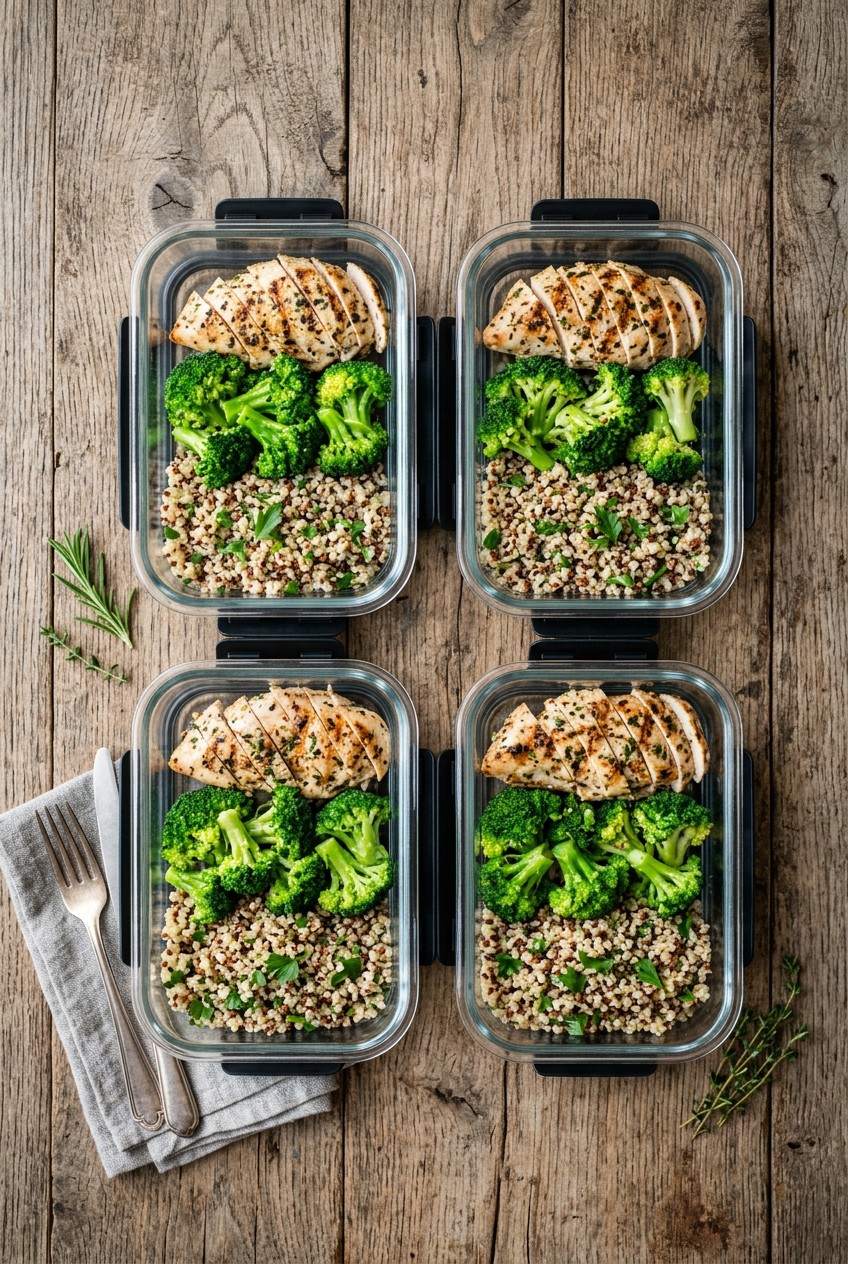
Dedicate a specific prep day to cook larger quantities of lean proteins like shredded chicken, ground turkey, or hard-boiled eggs. You should also prepare nutrient-dense carbohydrates like quinoa or cauliflower rice. These can then be mixed and matched throughout the week for varied meals, reducing your daily cooking time to zero.
I buy a massive 3-pound bag of Kirkland Signature frozen chicken breasts at Costco for $14.99. I boil them in chicken broth and shred them with two forks. The texture is incredibly soft, moist, and easy to digest. I also utilize freezing for long-term storage. If you cook in larger batches, freeze individual portions of meals like chili or stews. Frozen meals maintain their quality for 3 to 6 months. I freeze 4-ounce portions of turkey chili in small Souper Cubes, which I grab at Target for $29.99. This ensures I always have a healthy, portion-controlled meal ready, preventing food waste and reliance on unhealthy takeout.
A surprising tip I’ve grown to love is layering salads in mason jars. I use Ball 16-ounce wide-mouth mason jars, which cost $12.99 for a 12-pack at Walmart. Place your dressing at the bottom, followed by hard vegetables, grains, and finally leafy greens on top. This keeps the ingredients crisp and prevents soggy lettuce. Plus, mason jars are affordable, microwavable, and dishwasher-safe.
8. Practice Mindful Eating with Smaller Utensils

You have to hydrate strategically and eat mindfully. Drink at least 64 ounces of water daily, which is about 2 liters. However, you must avoid drinking liquids 30 minutes before, during, and 30 minutes after meals. This prevents you from feeling overly full and optimizes nutrient absorption. Sip slowly and avoid straws, which can introduce air and cause severe gas discomfort.
I used to sip ice water while eating my 3 ounces of baked salmon. I felt like a water balloon about to pop. The liquid pushes the food through your pouch too fast or expands it painfully. To force myself to eat slower, I use child-sized utensils and smaller plates. I bought a set of Munchkin toddler forks at Target for $4.99. The bright plastic handles look a bit silly, but they force me to take tiny, pencil-eraser-sized bites. It took me years to figure out.
You need to take 20 to 30 minutes to complete a single meal, chewing your food to an applesauce consistency before swallowing. The BariBowl container set I mentioned earlier even includes small-scale utensils specifically designed to promote thorough chewing. Slowing down gives your brain time to register that your tiny stomach is actually full.

Skroam 10 Pack Glass Meal Prep Containers
If you want something that just works, Skroam 10 Pack Glass Meal Prep Containers is a safe bet (56 reviews, 4.5 stars).
The New Building Block Method for 2026

A trending approach I’m seeing everywhere in 2026 is assembling meals using the building block method. You simply combine a dense protein source, a serving of soft veggies, and a strictly controlled portion of whole grains. This simplifies meal construction and ensures perfect nutritional balance without overthinking it.
When including carbohydrates, prioritize those that offer additional protein and fiber. Dietitian Kristin Willard highly recommends sources like beans and quinoa, alongside nutrient-dense fruits for snacks. Sweet potatoes, root vegetables, and squash are also excellent, easily digestible choices. I buy a 15-ounce can of Goya black beans at Kroger for exactly $1.29. I rinse them thoroughly in a mesh strainer to remove the excess sodium. The smooth, earthy texture mixes perfectly with 2 ounces of ground turkey.
I also bake sweet potatoes in bulk. A 3-pound bag of organic sweet potatoes at Trader Joe’s costs $3.99. I roast them in the oven until the edges are dark, caramelized, and sticky. Having these building blocks ready in my fridge means I’m never scrambling for a side dish. I just grab my 3 ounces of chicken, 1 ounce of black beans, and 1 ounce of roasted sweet potato. It’s a foolproof system.
Final Thoughts on Your Prep Routine
Getting used to bariatric meal prep is a massive learning curve. You’re going to make mistakes. You’re going to accidentally eat too fast, or you’re going to buy a protein powder that tastes like chalk. Give yourself some grace. The goal isn’t absolute perfection. The goal is consistency and making sure you’re feeding your healing body the nutrients it desperately needs.
I highly recommend keeping a backup stash of Oikos Triple Zero blended Greek yogurt in your fridge. I buy the 4-pack at Target for $4.59. On days when I’m too exhausted to prep, or when my stomach feels tight and sensitive, a cup of that yogurt saves me from skipping a meal entirely. Remember, your new stomach is a tool, and meal prep is how you keep that tool sharp. I’d love to hear what containers and proteins you’re loving right now. Pin this article to your favorite health board so you can reference these exact brands and prices before your next grocery run. Let’s conquer this prep day together.
Frequently Asked Questions
How many ounces should a bariatric meal be?
In the early stages post-op, meals should be weighed to exactly 4-6 ounces of total food. Long-term, your meal sizes will gradually increase to 8-12 ounces (about 1 to 1.5 cups) per meal depending on your specific surgical guidelines.
What containers are best for bariatric prep?
Bariatric-specific containers like BariBowl or Portion Perfection are excellent because they have pre-measured sections. For early post-op stages, 4-ounce containers like Rubbermaid Mini are perfect for preventing overeating and visually satisfying your brain.
Can I drink water while eating post-op?
No. You must avoid drinking any liquids 30 minutes before, during, and 30 minutes after your meals. Drinking while eating can push food through your stomach pouch too quickly or cause painful stretching.
How much protein do I need daily after bariatric surgery?
Most bariatric patients need a minimum of 60 to 80 grams of protein daily. Some dietitians recommend 75 to 105 grams for optimal muscle repair. Always eat your 3 ounces of dense protein first at every meal.
