What’s Inside
- Try Component Prep Instead Of Full Meals
- Master The 50/25/25 Rule For Balanced Portions
- Invest In Glass Containers That Actually Latch
- Use AI-Powered Apps For Lunch Ideas For Work Meal Prep
- Keep Semi-Shelf Stable Ingredients On Hand
- Pre-Portion Your Sauces And Dressings Separately
- Prioritize Hearty Vegetables For Longevity
- Utilize Batch Cooking For Your Base Grains
- Try Deconstructed Sandwiches To Prevent Soggy Bread
- Build Instant Mason Jar Noodle Soups
- Roll High-Protein Freezer Burritos
Last Tuesday, I opened my canvas tote bag in the Target parking lot to find half a cup of balsamic vinaigrette seeping into my laptop sleeve. Finding reliable lunch ideas for work meal prep usually ends in soggy salads or broken plastic containers leaking everywhere. You spend three hours on Sunday cooking, only to end up with a sad, wet pile of lettuce by Wednesday. I tried doing the whole five identical chicken and broccoli containers thing for months before figuring out why it fails. It’s boring. It tastes like wet cardboard after two days in the fridge. We aren’t doing that anymore. Let’s build meals that actually taste good on Thursday.
1. Try Component Prep Instead Of Full Meals

Instead of preparing five identical full meals, focus on cooking individual components. This is the only way I survive the week. I used to make five portions of the exact same chicken and rice on Sunday afternoon. By Thursday morning, the rice was hard as a rock and the chicken tasted metallic and dry. It’s a terrible way to eat. Now, I roast a large batch of vegetables. I usually chop 3 cups of mixed bell peppers and zucchini. I spread them on a hot baking sheet with olive oil and salt. I cook a versatile protein like 2 lbs of baked chicken breast. I season it heavily with McCormick’s Smoked Paprika. That paprika costs roughly $6 to $8 per pound at Kroger. It adds a deep, smoky flavor that completely masks the leftover taste that chicken gets after three days in the fridge. Trust me on this.
Then, I prepare a base grain. I usually make 4 cups of cooked Trader Joe’s Organic Brown Rice. A 32 oz uncooked bag is approximately $3.99. Storing these components in separate large glass bowls means you can mix and match every morning. Monday is a rice bowl with peppers. Tuesday is a wrap using the chicken. This prevents taste fatigue entirely. Experts suggest this method to puzzle ingredients together in new ways. You won’t get bored when your meals change daily. It takes the exact same amount of cooking time on Sunday, but yields completely different lunches.
2. Master The 50/25/25 Rule For Balanced Portions

Aim for a balanced plate by sticking to the 50/25/25 rule. That’s 50 percent fruits and vegetables, 25 percent lean protein, and 25 percent grains. I learned that the hard way. Last year, I packed lunches that were 80 percent pasta. I’d eat at noon and crash at my desk by 2 PM. My brain felt like fog and my eyelids were heavy. Now, I use specific measurements to keep my energy stable. A practical application involves filling half your container with 1.5 to 2 cups of mixed greens or roasted broccoli. The crisp greens provide volume without making you sleepy.
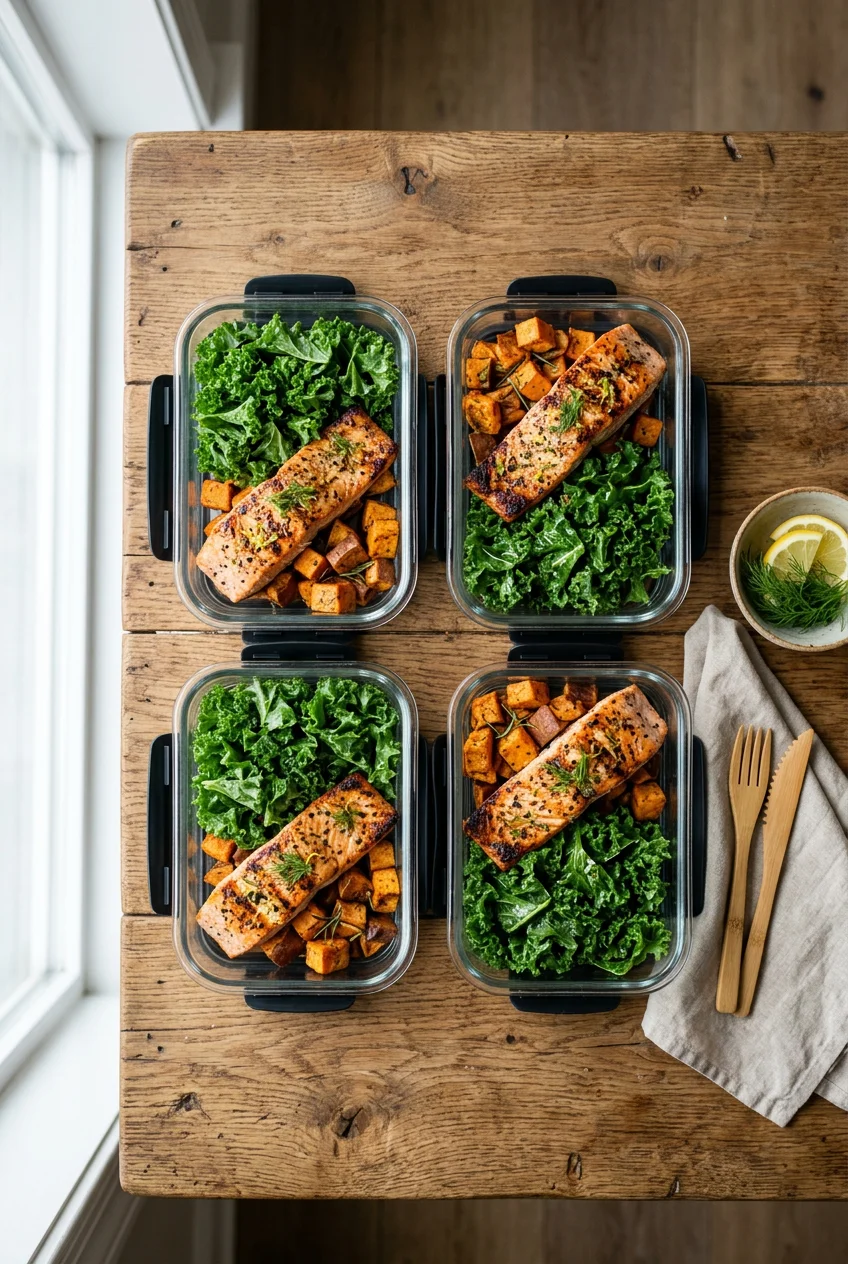
Next, add a palm-sized portion of protein. That’s about 3 to 4 oz of grilled salmon or sliced chicken breast. Finish with a cupped hand of grains, which is about 1/2 to 1 cup of quinoa or brown rice. Nutritionists warn that leaning heavy towards one macro can lead to deficiencies. Getting the ratios right keeps your energy steady until dinner. You aren’t reaching for stale office donuts at 3 PM when your lunch actually fuels you. The balance of fiber, protein, and complex carbs stops the afternoon slump completely.
3. Invest In Glass Containers That Actually Latch

Upgrade from flimsy plastic to durable, leak-proof glass containers with dividers. I bought cheap plastic tubs from the dollar store for years. They warped in the office microwave and held onto the smell of old garlic for weeks. It’s disgusting to eat fresh fruit out of a container that smells like last week’s chili. I bought the OXO Prep & Go Divided Container for $15 at Target. It has a silicone gasket that refuses to leak. Another great option is a set of Starfrit LocknLock Borosilicate Glass Divided Containers. You can get a set of 4 for $25 to $35 at Walmart.
These are microwave, oven, and freezer-safe. Their transparency helps you identify meals, cutting down on food waste. You can actually see the bright green broccoli instead of guessing what’s inside a foggy plastic tub. The latches click down firmly one-handed. That matters when I’m holding my coffee in my other hand while rushing out the door. Reusable glass containers hold heat better and won’t stain when you pack acidic tomato sauce. Spending a little extra on glass prevents the frustration of cleaning spilled soup out of your car seats.

M MCIRCO 10-Pack,22 Oz Glass Meal Prep Containers
If you want something that just works, M MCIRCO 10-Pack is a safe bet (86 reviews, 4.5 stars).
4. Use AI-Powered Apps For Lunch Ideas For Work Meal Prep

AI-driven applications are changing how I handle groceries. They offer personalized plans based on your calorie needs, food preferences, allergies, and budget. I used to wander the aisles of Kroger throwing random produce into my cart. Half of it would rot in the crisper drawer by Friday. Now I use apps like Mealime or PlateJoy. They’re typically subscription-based at $5 to $10 per month. They generate precise grocery lists, saving time and minimizing food waste. You might also like: 20 Lovely Work Lunch Ideas to Inspire Your Next Project
A surprising benefit is their ability to track pantry inventory. Last month, I had a half-empty jar of capers and some leftover feta cheese sitting in the fridge. The app suggested a Mediterranean pasta salad that used exactly what I had left. It takes the mental load out of planning. You aren’t staring at an empty fridge wondering what to cook on Sunday morning. The algorithm just tells you what to buy and exactly how much you need. It’s incredibly efficient. It stops me from buying duplicate spices and ensures I actually use the random vegetables I buy. You might also like: 9 Breakfast Meal Prep For The Week That Actually Work
5. Keep Semi-Shelf Stable Ingredients On Hand

For increased flexibility, keep some semi-shelf stable ingredients on hand. Fresh produce goes bad quickly. I’ve thrown away too many bags of slimy spinach because I forgot to pack my lunch one day. To prevent this, I keep specific items in my desk drawer or pantry. Examples include canned tuna. I buy StarKist Chunk Light Tuna in Water. A 5 oz can costs $1.29 to $1.79. I also keep shelf-stable tofu like Mori-Nu Silken Tofu, which runs $2.00 to $2.50. You might also like: 15 Cozy Easy Dinner Ideas for Every Budget
Dried pasta is another staple. Barilla Penne is usually $1.50 to $2.00 per pound at Sprouts. These allow for quick assembly with minimal cooking. If I forget my main lunch container at home, I can mix that tuna with a packet of mayo and some crackers right at my desk. It offers convenience without compromising nutrition. This approach can reduce the rigidity often associated with meal prep. You won’t experience burnout when you have backup options that require zero cooking time. Having a safety net prevents the temptation to order a twenty-dollar delivery salad.
6. Pre-Portion Your Sauces And Dressings Separately

A frequent meal prep error is adding dressings or sauces too early. This leads to soggy, unappetizing meals. I made a beautiful kale Caesar salad once and dressed it on Sunday. By Tuesday, the kale was a sad, wilted mess that smelled vaguely of damp socks. The acid in the dressing breaks down the cell walls of the greens. Store your dressings separately. I make a homemade lemon-tahini dressing every week. It takes 2 tbsp tahini, 1 tbsp lemon juice, 1 tbsp water, and a pinch of salt.
I store it in small, leak-proof containers. The OXO Good Grips Prep & Go Squeeze Bottles are perfect for this. You can get a set of 2 for $10 to $15 at Target. Add the dressing just before eating to preserve freshness and texture. The crunch of fresh lettuce is the whole point of a salad. Keeping the liquid away from the greens until the last possible second ensures your Wednesday lunch tastes exactly like it did on Sunday. The squeeze bottles also let you distribute the dressing evenly instead of dumping it all in one spot.

Skroam 10 Pack Glass Meal Prep Containers
Skroam 10 Pack Glass Meal Prep Containers has been one of the most consistently praised picks in this category. 57 reviewers averaged 4.5/5.
7. Prioritize Hearty Vegetables For Longevity

Select vegetables that maintain their quality well in the refrigerator for meal prep. Excellent choices include broccoli, carrots, Brussels sprouts, and sweet potatoes. Avoid delicate options like cucumbers and tomatoes. I packed sliced tomatoes in a wrap last October. They released so much water that the tortilla dissolved into a mushy paste by lunchtime. It was completely inedible. Now, I roast a large batch of sturdy vegetables. I chop 4 to 5 cups of carrots and broccoli.
I toss them with olive oil and a versatile seasoning blend. I use the Everything Bagel Seasoning from Whole Foods. It costs $3 to $5 a bottle and adds a great salty crunch. Roast them at 400 degrees for 25 minutes until the edges get dark and crispy. These hearty vegetables hold their texture in the fridge for up to five days. They reheat beautifully in the office microwave without turning into mush. Stick to vegetables that have a low water content if you want them to survive the week. They provide the necessary fiber without ruining the texture of your meal.
8. Utilize Batch Cooking For Your Base Grains

Dedicate a specific time to cook staple grains. I do this on Sunday afternoons while listening to a podcast. I cook grains like quinoa or brown rice in massive batches. If you use 2 cups of dry quinoa, it yields about 6 cups cooked. I buy the Kirkland Signature Organic Quinoa at Costco. A 4.5 lb bag is around $10.99. Having a giant container of cooked grains in the fridge makes assembling meals incredibly fast.
I used to try cooking rice fresh every morning before work. I ended up scraping burnt rice off the bottom of the pan at 7 AM while running late. It’s a terrible way to start the day. Batch cooking eliminates that morning stress entirely. You just scoop 1/2 cup of cold quinoa into your glass container, add your protein, and you’re done. The grains absorb the flavors of whatever sauce you add later. It’s the most efficient way to build a filling base without dirtying a pot every single day of the week.
9. Try Deconstructed Sandwiches To Prevent Soggy Bread

Packing a fully assembled turkey sandwich on Monday means eating wet bread on Wednesday. The moisture from the meat, tomatoes, and cheese slowly ruins the bread over time. Instead, pack a deconstructed sandwich using a bento-style box. I put 2 slices of Dave’s Killer Bread in one dry compartment. A loaf is about $6.99. In the other compartments, I fold up 4 oz of Applegate Naturals Smoked Turkey Breast. An 8 oz package runs $5.99 at Kroger.
I add a slice of sharp cheddar and some crisp romaine lettuce in a separate section. I assemble the sandwich at my desk right before I eat. The bread stays perfectly dry and soft. The lettuce stays crisp. I started doing this after throwing away too many soggy sandwiches. It takes an extra 30 seconds at your desk, but the texture difference is massive. You get the experience of a fresh deli sandwich without leaving the office or spending fifteen dollars at a cafe. Keeping the wet ingredients away from the dry carbs is the only way to prep sandwiches in advance.

M MCIRCO 10-Pack,30 Oz Glass Meal Prep Containers 2
A dependable everyday pick — M MCIRCO 10-Pack pulls in 23 ratings at 4.5 stars. Not flashy, just solid.
10. Build Instant Mason Jar Noodle Soups

You don’t need to transport sloshing liquid soup in your car. I use wide-mouth quart-sized glass mason jars to make instant noodle soups. Put your flavor base at the very bottom. I use 1 tbsp of Better Than Bouillon Roasted Chicken Base. A jar is $4.99 and lasts for months. Add 1 tbsp of soy sauce and a pinch of grated ginger. Next, pack in 2 oz of dry vermicelli rice noodles. Top it tightly with raw vegetables like shredded carrots, snap peas, and sliced mushrooms.
When you’re ready for lunch, just pour boiling water from the office tea dispenser straight into the jar. Let it sit for five minutes with the lid loosely placed on top. The hot water cooks the thin noodles and blanches the vegetables perfectly. You get a steaming, fresh bowl of soup with zero risk of spilling broth in your car. It smells amazing and clears out your sinuses during winter. The glass jar stays cool enough to hold at the top, and you control the exact sodium level of the broth.
11. Roll High-Protein Freezer Burritos

Burritos are excellent grab-and-go options when you oversleep. I spend an hour making a batch of ten burritos to keep in the freezer. I use Mission Flour Tortillas. A pack of 8 is $3.49. I fill them with 1/2 cup of black beans, 1/4 cup of corn, and 3 oz of browned ground turkey seasoned with cumin. Skip the wet ingredients like salsa or sour cream inside the burrito. They turn into ice crystals in the freezer and make the tortilla soggy when reheated.
I pack the salsa in a separate tiny container. Wrap each burrito tightly in aluminum foil and store them in a large freezer bag. You can microwave them wrapped in a damp paper towel for two minutes at the office. The damp paper towel creates steam that keeps the tortilla soft instead of turning it into a cracker. They come out hot and filling. It’s cheaper than buying a frozen burrito at the grocery store, and you control exactly what goes into the meat mixture. That took me years to figure out.
Meal prep doesn’t have to mean eating sad, wilted lettuce on Thursday. By keeping your sauces separate, investing in glass containers that actually latch, and utilizing component prep, you can eat well all week. I highly recommend grabbing those OXO squeeze bottles for your dressings. Save this list of lunch ideas for work meal prep to your Pinterest board for your next Sunday grocery run.
Frequently Asked Questions
How long do meal prep lunches last in the fridge?
Most cooked proteins and roasted hearty vegetables will last four to five days in an airtight glass container. Keep wet ingredients and dressings in separate small containers to prevent your greens and grains from becoming soggy.
What are the best containers for lunch ideas for work meal prep?
Divided glass containers with silicone gaskets are the most reliable option. They do not warp in the microwave, they resist stains from acidic foods, and the tight latches prevent liquids from leaking into your work bag.
How do I keep meal prep salads from getting soggy?
Never dress your salad in advance. Store your vinaigrette in a separate squeeze bottle and apply it right before eating. Also, avoid adding high-water vegetables like sliced tomatoes until the day you plan to eat the salad.
What is the 50/25/25 rule in meal prepping?
This rule ensures a balanced plate by dividing your container into 50 percent vegetables or fruits, 25 percent lean protein, and 25 percent complex carbohydrates. This balance helps maintain steady energy levels and prevents the afternoon slump.
