What’s Inside
- Prioritize 30 Grams of Protein at Breakfast
- Invest in Quality Glass Containers
- Batch Cook Versatile Lean Proteins
- Don’t Sleep on Plant-Based Protein Powerhouses
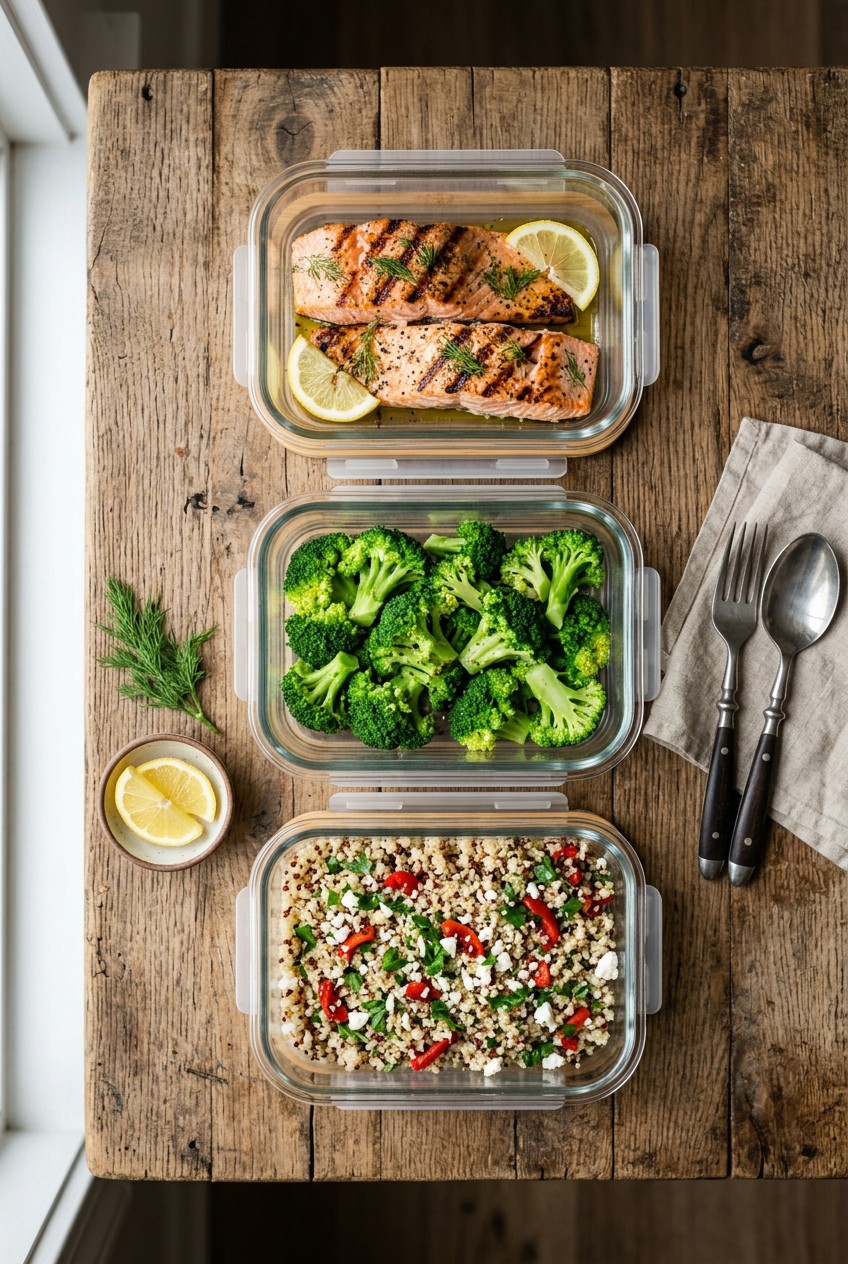
- Prep Ingredients Instead of Full Meals
- Use a Food Scale for Exact Healthy High Protein Meal Prep
- Pick Stable Protein Powders for Pre-Mixed Options
- Rely on High-Protein Dairy for Quick Snacks
- Stop Over-Prepping and Wasting Food
- Master Smart Vegetable Roasting
- Pound Your Chicken for Better Healthy High Protein Meal Prep
- Utilize Frozen Produce and Pre-Chopped Hacks
Last Tuesday at Whole Foods, I stood in the prepared foods aisle staring at a $14 sad-looking chicken salad that smelled faintly of wet dog. That was my breaking point. It changed how I approach healthy high protein meal prep. I realized my system was broken. I’d been trying to make 21 identical meals on Sundays, ending up with soggy broccoli by Wednesday and a strong desire to order greasy takeout by Thursday. It’s a common trap. You buy a massive pack of chicken breast, boil it until it tastes like actual shoe leather, and wonder why you hate eating. Let’s fix that. I’ve spent the last three years perfecting a routine that works for real life. No dry chicken. No rotting spinach in the bottom of your crisper drawer. Just actual, flavorful food you want to eat. I’m sharing the exact brands I buy, the precise measurements I use, and the embarrassing mistakes I made—I learned that the hard way—so you don’t have to repeat them.
1. Prioritize 30 Grams of Protein at Breakfast

Most people get their morning routine wrong. I used to eat a single banana and a cup of black coffee at 7 AM. By 10 AM, my hands were shaking and I was ready to eat the drywall in my office. You need to prioritize protein at every meal for satiety and muscle synthesis. Aiming for 20 to 40 grams of protein, spread across three or four daily meals, is the secret to staying full. This approach stimulates muscle protein synthesis better than hoarding all your protein for a massive dinner. For breakfast, I recommend hitting around 30 grams of high-quality protein to provide essential amino acids and stabilize your blood sugar. My go-to method involves a carton of liquid egg whites. I buy the Good & Gather brand from Target for $5.49. I pour 1 cup (roughly 26 grams of protein) into a hot non-stick skillet with 1 teaspoon of Kerrygold butter. I scramble that with 1/2 cup of fresh spinach and 1/4 cup of diced red bell peppers. It takes four minutes. Pair that with 1/2 cup of dry rolled oats cooked in water, and you’re set until lunch. Hitting that 30-gram mark first thing in the morning stops my mid-morning sugar cravings. It’s a non-negotiable step in my weekly routine.
2. Invest in Quality Glass Containers

I tried this wrong for months. I used to buy those flimsy, black plastic takeout containers from the grocery store. After two weeks, they smelled like old fish and tomato sauce, and one eventually cracked in my work bag, spilling chili all over my laptop charger. You need to invest in durable meal prep containers. I swear by Rubbermaid Brilliance glass containers. They’re leak-proof and stain-resistant. You can grab a 10-piece set on Amazon or at Target for $25 to $35. If you’re on a tighter budget, the Prep Naturals Glass Containers are a fantastic alternative at under $25 for a 5-pack. They don’t absorb weird fridge smells. If you’re getting into freezer meals, Souper Cubes are mandatory. They cost $15 to $20 per silicone tray and make portioning and freezing soups or stews easy. You just pop out a perfect 1-cup frozen block and heat it up. Throwing away cheap plastic containers every month is a waste of money. Spend the extra ten dollars upfront for glass. Your food will taste fresher, and your fridge will look organized.
3. Batch Cook Versatile Lean Proteins

Dedicate time on Sunday to cooking larger quantities of proteins that can be used in different meals. Don’t make the mistake of flavoring all your chicken with a specific sauce like teriyaki, because you won’t want to eat that for four days straight. I buy a 3-pound pack of Kirkland ground turkey from Costco for $14.99. I brown the entire batch in a large skillet with 1 tablespoon of olive oil, 1 teaspoon of kosher salt, and 1 teaspoon of black pepper. Keeping it basic means I can add 2 tablespoons of taco seasoning on Tuesday for taco bowls, or mix it with 1/2 cup of marinara sauce on Thursday for pasta. A 3-ounce or 4-ounce portion of cooked protein, roughly the size of your palm, provides 20 to 30 grams of protein. I’ve learned the hard way that boiling chicken breasts is a crime against food. Instead, I bake a whole pack of chicken breast at 400 degrees Fahrenheit with just olive oil, salt, and garlic powder. Having plain, perfectly cooked protein sitting in the fridge means half the work of dinner is done. It eliminates the excuse to order expensive delivery when I’m tired after work.

8 Pack 36oz Large Glass Meal Prep Containers with lids
8 Pack 36oz Large Glass Meal Prep Containers with lids has been one of the most consistently praised picks in this category. 866 reviewers averaged 4.5/5.
4. Don’t Sleep on Plant-Based Protein Powerhouses

You don’t need to eat meat for every single meal to hit your goals. I suggest you embrace plant-based proteins for variety and essential dietary fiber. Incorporate lentils, chickpeas, black beans, and tofu into your weekly rotation. These aren’t just protein powerhouses; they also provide fiber that keeps your digestion on track. For example, a batch of cooked green lentils can be added to salads or stews. I buy a 16-ounce bag of dry green lentils from Sprouts for $1.99. I boil 1 cup of dry lentils in 3 cups of vegetable broth for 20 minutes until tender. I also keep a block of extra firm tofu from Trader Joe’s ($1.99) in my fridge at all times. I press it for 15 minutes to remove the water, cut it into 1-inch cubes, toss it with 1 tablespoon of cornstarch and 1 tablespoon of soy sauce, and air fry it at 375 degrees for 15 minutes. It gets crispy. Skip the fat-free stuff or heavily processed fake meats. They usually taste like wet cardboard and are packed with fillers. Whole foods like beans and tofu are cheaper, healthier, and absorb whatever flavors you cook them with. You might also like: 20 Inspiring Carnivore Meal Prep Ideas That Are Totally Worth It
5. Prep Ingredients Instead of Full Meals

This tip cured my food fatigue. Instead of making five identical meals lined up in a row, prepare components separately. Cook and portion your proteins, grains like quinoa or brown rice, and chop your raw vegetables. This allows for mixing and matching, keeping meals interesting and preventing burnout. I used to prep five identical salmon and rice boxes on Sunday. By Friday, the smell of reheated salmon made me gag. Now, I cook a large batch of grains. I buy a 2-pound bag of organic brown rice from Whole Foods for $3.49. I cook 2 cups of dry rice in my rice cooker. I store the rice in one glass container, my cooked ground turkey in another, and my chopped raw bell peppers in a third. On Monday, I might combine the rice and turkey with 2 tablespoons of salsa. On Tuesday, I might toss the turkey over a bed of spinach with 1/4 cup of feta cheese. Prepping ingredients rather than final composed dishes gives you the illusion of choice. You’re still saving tons of time, but you aren’t locked into eating the exact same flavor profile every day. You might also like: 20 Beautiful Food Prep Ideas for a Fresh New Look
6. Use a Food Scale for Exact Healthy High Protein Meal Prep

For those with specific fitness goals, a digital kitchen scale is invaluable. If you’re serious about healthy high protein meal prep, you can’t just guess your portions. A piece of chicken the size of your palm could be 3 ounces or 6 ounces, depending on how thick it is. Weigh 3-ounce to 4-ounce portions of cooked protein to ensure you’re consistently hitting your target of 20 to 40 grams per meal. I use the Oxo Good Grips food scale. It costs $55.99 on Amazon and is durable. I place my empty glass container on the scale, hit the tare button to zero it out, and add 4 ounces of cooked chicken breast. Pro tip: always measure your meat after it’s cooked, as meat loses about 25 percent of its weight in water during the cooking process. After a few months of using the scale, you’ll naturally develop a better eye for portions. But in the beginning, the scale prevents you from accidentally under-eating protein, which leaves you hungry, or over-eating calories. It takes an extra ten seconds per meal and provides peace of mind. You might also like: 15 Stunning Easy Lunch Ideas You Need to See

KOMUEE 10 Packs 30 oz Glass Meal Prep Containers
KOMUEE 10 Packs 30 oz Glass Meal Prep Containers has been one of the most consistently praised picks in this category. 45 reviewers averaged 4.5/5.
7. Pick Stable Protein Powders for Pre-Mixed Options

I learned this lesson the hard way. I tried making overnight oats with a standard whey protein powder. I mixed 1 scoop of whey, 1/2 cup of rolled oats, and 1/2 cup of almond milk, and left it in the fridge for three days. When I opened it, the whey had curdled. It smelled like sour milk and had a chunky texture. You need to choose stable protein powders for pre-mixed options. For smoothies or overnight oats that sit in the fridge, pea protein isolate is recommended. I use S&J Nourish Plant Protein. It costs $29.99 for a tub and provides 20 grams of protein per serving. Plant-based proteins maintain stability and a smooth texture when pre-mixed and stored, unlike whey protein which can curdle with acidic ingredients. I mix 1 scoop of the vanilla pea protein with 1/2 cup of dry oats, 1 tablespoon of chia seeds, and 3/4 cup of unsweetened almond milk. I make three jars at a time. They stay creamy and delicious until Wednesday. Save your expensive whey protein for shakes you plan to drink immediately after the gym.
8. Rely on High-Protein Dairy for Quick Snacks

You don’t always have to cook meat to get a massive hit of protein. Use high-protein dairy for quick snacks and easy breakfasts. Plain, unflavored Greek yogurt or cottage cheese are excellent bases for high-protein bowls. A typical 5.3-ounce serving can provide 15 to 20 grams of protein. I buy the large 32-ounce tubs of Fage 2% Greek Yogurt from Kroger for $6.99. Skip the fat-free yogurt entirely. It’s depressing, watery, and won’t keep you full. The 2% milk fat provides a better, creamy texture. I scoop 1 cup (about 8 ounces) into a bowl, which yields 23 grams of protein. To boost the protein further, I stir in half a scoop of unflavored collagen peptides or vanilla protein powder. Top it with 1/4 cup of fresh blueberries and 1 tablespoon of sliced almonds. It takes sixty seconds to make. Cottage cheese is another secret weapon. I buy the Good Culture brand ($3.49 a tub) because the curds are small and the flavor isn’t overly sour. I blend 1/2 cup of cottage cheese into my pasta sauces to add a hidden 14 grams of protein without changing the flavor of the marinara.
9. Stop Over-Prepping and Wasting Food

This is the number one reason people quit meal prepping. Planning for 21 meals in one go on a Sunday afternoon will lead to burnout and terrible food waste. Avoid the common mistake of over-prepping. Start small, preparing just two or three days’ worth of lunches and dinners. Cooked proteins and roasted vegetables typically last three to four days in the refrigerator, while cooked grains can last four to five days. I used to prep food for the entire Monday through Friday work week. By Thursday, my chicken was dry and my roasted zucchini was a slimy mess. I ended up throwing away 4 pounds of rotten food and feeling guilty. Now, I implement the first in, first out rule for stored meals. I label my glass containers with masking tape and a Sharpie ($3.99 for a pack at Target) with the date they were prepared. When choosing a meal from the fridge, always pick the oldest one first. This simple system helps maintain an organized fridge. If you know you won’t eat a meal by day four, throw it in the freezer immediately. Don’t let it rot in the back of the fridge.

M MCIRCO 10-Pack,30 Oz Glass Meal Prep Containers 2
M MCIRCO 10-Pack punches above its price — 23 buyers rated it 4.5 stars. I would buy it again.
10. Master Smart Vegetable Roasting

Boiled vegetables are the saddest thing on the planet. You need to master smart vegetable roasting for maximum flavor and efficiency. The trick is to group vegetables by their required cooking time. You can’t throw carrots and zucchini on the same pan at the same time and expect good results. Start with harder root vegetables like carrots and potatoes. I buy a 2-pound bag of whole carrots from the Whole Foods produce section for $1.99. I peel and chop them into 1-inch thick pieces. I toss them with 1 tablespoon of olive oil, 1/2 teaspoon of salt, and roast them on a large aluminum sheet pan at 400 degrees Fahrenheit. After 15 minutes, I pull the pan out and add softer vegetables like broccoli florets or diced bell peppers to the other side. I roast everything for another 15 to 20 minutes until tender and slightly charred. Roasting at high heat caramelizes the natural sugars in the vegetables, making them taste good. A sprinkle of garlic powder and a squeeze of fresh lemon juice right when they come out of the oven makes a difference.
11. Pound Your Chicken for Better Healthy High Protein Meal Prep

If you’re constantly complaining about dry, rubbery chicken breasts, this tip will fix your healthy high protein meal prep immediately. A trick for juicy chicken is to pound the raw chicken breasts to a uniform 3/4 inch thickness before cooking. Chicken breasts are naturally uneven. One end is thick, and the other end is thin and tapered. If you put that straight into a hot pan or oven, the thin end will be overcooked and dry by the time the thick center is safe to eat. I buy a 2-pound pack of raw chicken breasts from Walmart for $9.94. I place the chicken on a plastic cutting board, cover it with a sheet of plastic wrap, and use a heavy meat mallet (I bought mine at Target for $12.99) to pound the thickest parts flat. The loud whacking sound on my counter is annoying—no exaggeration—but the results are undeniable. This ensures even cooking. I cook the flattened breasts in a skillet over medium-high heat for 5 minutes per side. They come out juicy every single time, and they stay tender even after sitting in a glass container in the fridge for three days.
12. Utilize Frozen Produce and Pre-Chopped Hacks

Don’t let food snobs convince you that everything has to be fresh from a farmer’s market. Honestly, peeling and mincing raw garlic on a Sunday afternoon is a waste of life. Utilize frozen produce and pre-chopped ingredients to save time. Don’t shy away from frozen vegetables and grains. They’re picked at peak ripeness and flash-frozen, meaning they’re just as nutritious as fresh produce, and they cut down on your prep time. I always keep a bag of frozen edamame from Target ($2.29 a bag) in my freezer. I microwave 1 cup of it to add a quick 17 grams of plant protein to any rice bowl. I also rely on pre-chopped aromatics. Brands like Spice World offer ready-to-use minced garlic in a jar for $4.99. I use 1 teaspoon of jarred garlic instead of chopping a fresh clove. I also buy pre-diced frozen onions. You just pour them from the bag straight into a hot skillet with olive oil. Taking these small shortcuts reduces my Sunday kitchen time by forty-five minutes, making the entire routine sustainable for my busy schedule.
I recommend you start implementing two or three of these ideas this weekend. Don’t try to change your entire life overnight. Grab some quality glass containers, buy a food scale, and focus on hitting that 30-gram mark at breakfast. Once you realize how much better you feel, the rest of the routine falls into place. Pin this article to your favorite recipe board or save it to your phone so you have the exact grocery prices and measurements ready for your next shopping trip. Let’s get cooking!

Vtopmart 5Pack 22oz Glass Storage Containers with Lids
Vtopmart 5Pack 22oz Glass Storage Containers with Lids has been one of the most consistently praised picks in this category. 32 reviewers averaged 4.5/5.
Frequently Asked Questions
How long do high protein prepped meals last in the fridge?
Cooked proteins like chicken, turkey, and beef safely last three to four days in the refrigerator when stored in airtight glass containers. Cooked grains like rice and quinoa can last up to five days.
What is the best way to reheat meal prepped chicken?
To avoid dry chicken, slice it before reheating and add a splash of water or broth to the container. Microwave it on 50% power for two minutes, or reheat it in a skillet over medium-low heat.
Can I freeze my prepped meals?
Yes. Soups, stews, chili, and cooked ground meats freeze incredibly well for up to three months. Avoid freezing meals with fresh greens, raw tomatoes, or cream-based sauces, as their textures will degrade.
How much protein should I aim for per meal?
Aim for 20 to 40 grams of protein per meal, spread evenly across three or four meals a day. This ensures optimal satiety and maximizes muscle protein synthesis much better than eating one massive protein-heavy dinner.
