What’s Inside
- Invest in Real Glass for Your Frozen Meal Prep
- Never Put Hot Food Directly in the Freezer
- The Secret to Freezing Cooked Rice
- Freeze Pasta Nests Separately from Sauce
- Banish Freezer Burn with Vacuum Sealing
- Sous Vide is Perfect for Frozen Meal Prep
- Portion Like a Pro with Souper Cubes
- Label Everything (Or Eat Mystery Meat)
- Skip the Watery Veggies and Cream Sauces
- Master the Reheat Without Exploding Jars
Last Tuesday at Whole Foods, I found myself staring at a $14 tiny plastic tray of sad, frosty lasagna and realized my frozen meal prep routine needed a total overhaul. The week before that, I pulled a mysterious red block from my freezer, assuming it was my famous spicy chili. I defrosted it, took a massive bite, and discovered I’m actually eating plain, unsalted tomato paste that tasted like a wet cardboard box. It was a complete disaster. If you’re tired of eating mushy, freezer-burned leftovers that look gray and unappetizing, you aren’t alone. I’ve ruined more dinners than I can count by tossing warm plastic containers straight into the icebox. But once you actually figure out the science behind freezing food, everything changes. You stop throwing away spoiled groceries. You stop panic-ordering expensive takeout on Wednesday nights. And most importantly, you start eating food that tastes like it was cooked fresh that exact same day. I’m going to walk you through exactly how I stock my freezer now, complete with the specific containers I buy, the exact temperatures you need, and the embarrassing mistakes I’ve made so you don’t have to repeat them. Let’s fix your freezer stash for good.
1. Invest in Real Glass for Your Frozen Meal Prep

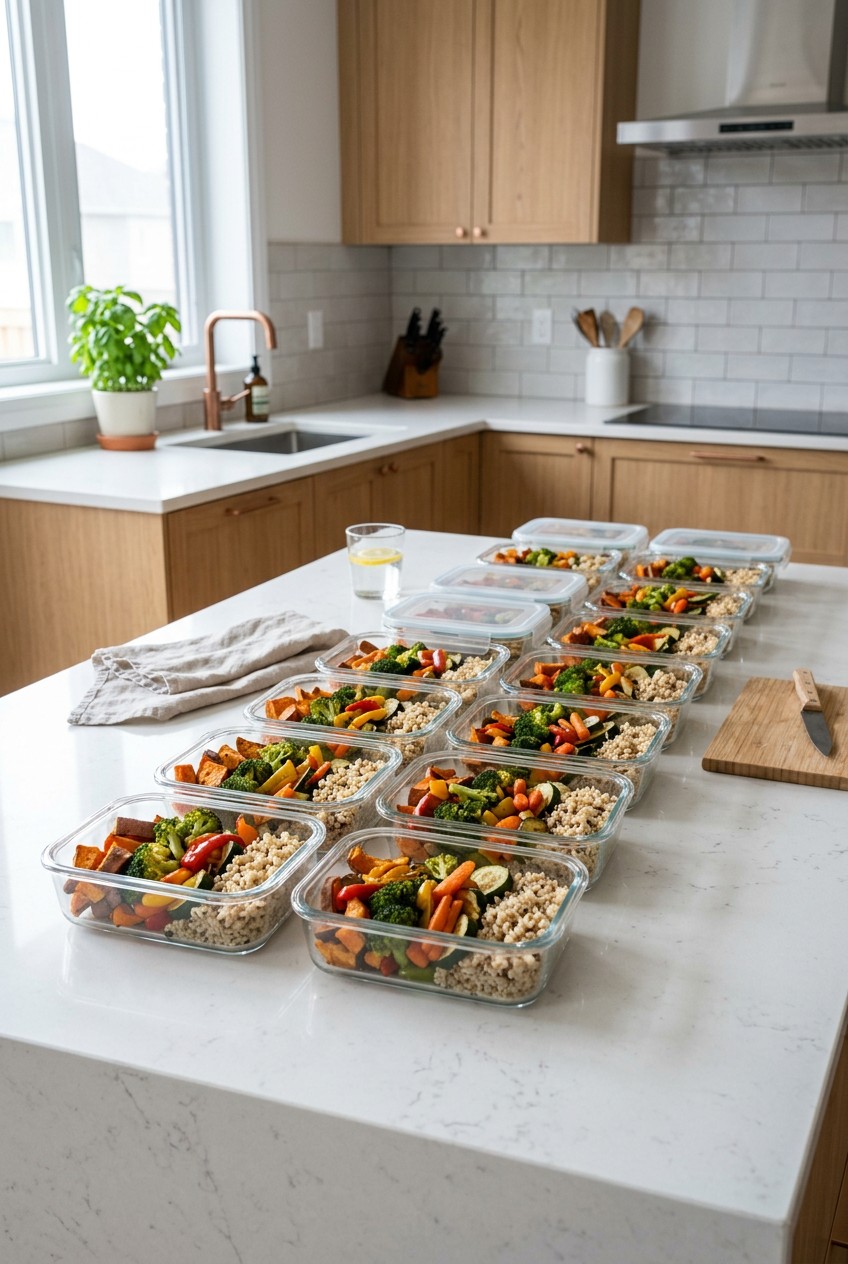
When I first started prepping, I bought a massive stack of cheap, flimsy plastic tubs from a discount store. Huge mistake. Two weeks later, I pulled a container of turkey meatballs from the back of the freezer, dropped it on my kitchen floor, and watched the plastic shatter into a hundred jagged pieces. There was frozen meatball shrapnel everywhere. Now, I’m fiercely loyal to thick borosilicate glass. You need containers that won’t crack when they go straight from sub-zero temperatures to a blazing hot microwave. I’m utterly obsessed with the Pyrex Simply Store 6-Piece Glass Rectangular Set. It’s usually $27.99 at Target, and it’s worth every single penny. The 3-cup capacity is the exact perfect size for a standard adult portion, holding about 350 to 500 grams of food. If you’re completely opposed to glass because you carry your lunch in a heavy tote bag on the subway, you have to get the Rubbermaid Brilliance plastic containers. A 5-piece set runs about $33.99. They have these incredible snap-down latches that create a totally leak-proof seal. I tested this by filling one with 2 cups of chicken noodle soup, turning it upside down, and shaking it violently. Not a single drop leaked out. Another great plastic option is the Sistema KLIP IT containers, which usually cost between $18 and $25 for a multi-pack. Don’t waste your money on the thin takeout-style containers. They warp in the dishwasher, absorb the smell of old onions, and leave your food tasting terrible.
2. Never Put Hot Food Directly in the Freezer

I tried this wrong for months before figuring it out. Learned that the hard way. I’d make a massive, bubbling pot of beef stew, immediately ladle it into containers, and shove them straight into the freezer. I thought I was being incredibly efficient. Instead, the radiant heat from the 200-degree soup raised the internal temperature of my entire freezer. It partially thawed a box of expensive frozen salmon sitting next to it, which then refroze into a solid, ice-covered brick. The soup itself developed a thick layer of condensation on the lid, which turned into sharp ice crystals that fell back into the food and completely ruined the texture. Always cool your cooked meals to room temperature first. I spread my hot food out in shallow dishes on the counter. Once the steam stops rising, I put the containers in the refrigerator until they are thoroughly chilled. This entire cooling process should be done within 2 hours of cooking to prevent any weird bacterial growth. Once the food is completely cold to the touch, then it goes into the freezer. This simple step prevents freezer burn and protects the other expensive groceries you’ve already stored. It takes a little extra patience, but I promise you won’t regret it when your meals taste perfectly fresh weeks later.
3. The Secret to Freezing Cooked Rice

Most people think cooked rice turns into hard, gritty pebbles in the freezer. That only happens if you freeze it in one giant, warm clump. Cooked rice actually freezes exceptionally well, making it a total staple for my weekly routine. Last month at Costco, I bought a massive 15-pound bag of jasmine rice for $18.99. I batch-cook about 4 cups of dry rice at a time. After cooking, the trick is to spread the steaming hot rice in a very thin, even layer on a large metal baking sheet. This lets it cool down to room temperature incredibly fast. Once it’s cool, I portion it out into 1/2 cup to 1-1/2 cup servings. I use heavy-duty Ziploc freezer bags (usually $5.49 for a box of 30). I scoop the rice in, press all the air out, and flatten the bag completely so it looks like a thin pancake. These flat bags stack beautifully in the freezer door and save so much space. When you’re ready to eat, you don’t even need to thaw it. Just pop the frozen block of rice into a microwave-safe bowl, add exactly 1 tablespoon of water, cover it tightly with a damp paper towel, and microwave it on high for about two minutes. The steam brings the rice back to life, making it incredibly fluffy and sticky, just like it came out of the rice cooker. You might also like: 15 Cozy Freezer Meals Ideas to Transform Your Space

KOMUEE 10 Packs 30 oz Glass Meal Prep Containers
A dependable everyday pick — KOMUEE 10 Packs 30 oz Glass Meal Prep Containers pulls in 45 ratings at 4.5 stars. Not flashy, just solid.
4. Freeze Pasta Nests Separately from Sauce

If you’ve ever microwaved a frozen container of spaghetti and meat sauce, you know the absolute horror of gummy, bloated pasta that falls apart when you poke it with a fork. The noodles absorb all the liquid from the sauce as they freeze and thaw, turning into a mushy paste. To avoid this entirely, you have to cook your pasta just under al dente. It should still have a very firm bite in the center. I usually buy Barilla spaghetti, which is about $1.99 a box at Kroger. After draining the slightly undercooked noodles, I toss them with exactly 1 tablespoon of good olive oil to prevent them from sticking together into a giant gluey mass. Then, I use a pair of tongs to twirl the spaghetti into individual, fist-sized nests. I place these nests on a parchment-lined baking sheet and flash-freeze them for about an hour until they are rock solid. Once they’re frozen hard, I transfer all the nests into a single large freezer bag. I freeze my marinara sauce in completely separate containers. When I’m ready for dinner, I drop a frozen pasta nest directly into a pot of boiling water for just two minutes, or I let it simmer directly in the reheating sauce. The texture stays perfectly chewy and satisfying. You might also like: 15 Stunning Healthy Dinner Ideas to Steal Right Now
5. Banish Freezer Burn with Vacuum Sealing

Freezer burn is the absolute worst. It happens when cold, dry air touches your food, sucking all the moisture out and leaving behind dry, gray, leathery patches that taste like old dust. To stop this, you have to remove as much air as possible from your packaging. For solid foods like chicken breasts or thick cuts of meat, I highly recommend investing in a vacuum sealer. I bought a basic FoodSaver machine at Walmart for $89.00, and it has easily paid for itself by saving meat I’d otherwise throw away. It sucks the plastic tight against the food, creating a perfect, oxygen-free barrier. For liquids like soups, stews, or my favorite green chili, you obviously can’t vacuum seal them the same way. Instead, I pour the liquid into my glass containers, leaving exactly 0.5 inch of headspace at the top because liquids expand as they freeze. Then, I take a small piece of Reynolds Wrap plastic wrap (about $4.50 a roll) and press it directly onto the surface of the soup before snapping the lid on. This plastic layer blocks the air from touching the liquid, completely preventing those nasty ice crystals from forming on top of your food. You might also like: 15 Lovely Kids School Lunch Ideas That Changed Everything
6. Sous Vide is Perfect for Frozen Meal Prep

This method is incredibly popular right now, and for good reason. Cooking proteins sous vide before freezing them ensures they stay unbelievably juicy and tender. I use the Anova Precision Cooker Pro, which usually retails for around $199.00. It’s a wand that heats a water bath to a precise temperature. Last weekend, I bought a beautiful 2-pound flank steak from Sprouts for about $24.00. I vacuum-sealed the raw steak with 2 tablespoons of soy sauce, a dash of liquid smoke, and some crushed garlic. Then I dropped the sealed bag into a 130-degree water bath for two hours. Once it was perfectly medium-rare, I took the bag out, plunged it into a bowl of ice water to stop the cooking, and tossed the whole sealed bag straight into the freezer. The beauty of this method is the reheating process. When I want steak for dinner, I don’t have to worry about overcooking it in the microwave or drying it out in a skillet. I just drop the frozen, vacuum-sealed bag back into a hot water bath. It thaws and warms up gently without losing a single drop of moisture. The meat stays incredibly tender, and the flavor is locked in completely.

M MCIRCO 10-Pack,22 Oz Glass Meal Prep Containers
M MCIRCO 10-Pack punches above its price — 86 buyers rated it 4.5 stars. I would buy it again.
7. Portion Like a Pro with Souper Cubes

One of the biggest mistakes you can make is freezing an enormous, family-sized batch of soup in a single giant container when you only live with one other person. I used to do this with my white bean chicken chili. I’d freeze a massive gallon-sized block of it. When I wanted a quick lunch, I had to thaw the entire block, scoop out one bowl, and put the rest in the fridge, where it eventually went bad. You should always freeze meals in individual portions that align exactly with how much you actually eat in one sitting. I’m completely obsessed with Souper Cubes. They are heavy-duty silicone trays that look like giant ice cube trays. The 1-cup tray costs $19.95, and it is brilliant. You ladle your soup, curry, or pasta sauce directly into the compartments. Each compartment holds exactly one cup (about 250ml). You freeze the tray overnight, and the next morning, you just pop out the perfect, uniform frozen blocks and store them in a large freezer bag. When I’m hungry, I just grab two blocks, which perfectly equals a 350-500g adult portion. It saves so much space, and I never have to thaw more food than I’m actually going to eat.
8. Label Everything (Or Eat Mystery Meat)

I mentioned my terrible tomato paste incident earlier. That happened purely because I was too lazy to grab a pen. When food freezes solid, it completely changes color and texture. A rich, dark beef stew looks exactly like black bean soup. Pulled pork looks identical to shredded chicken thighs. If you aren’t labeling your containers, you’re playing a very dangerous game of freezer roulette. You must label every single item with the exact name of the dish and the specific date it was cooked. I use a thick black Sharpie Extreme marker ($6.29 for a 4-pack) and a roll of Scotch freezer tape ($4.15). The freezer tape is crucial because regular masking tape just peels off and falls to the bottom of the freezer once it gets cold. By dating everything, you can strictly follow the “first in, first out” rule. When I put new meals into the freezer, I push the older containers to the front so they get eaten first. Most homemade frozen meals maintain their best quality for up to 6 months. If you find a container pushed to the back corner from 2022, just throw it away. It’s not worth the weird textures and stale flavors.
9. Skip the Watery Veggies and Cream Sauces

Not everything belongs in the freezer. I learned this the hard way when I tried to freeze a beautiful batch of roasted zucchini and yellow squash. When I thawed it for lunch, it had turned into a slimy, transparent puddle of green mush. It was completely inedible. Foods with a very high water content simply don’t survive the freezing process because the water expands, bursts the cell walls of the vegetable, and turns the whole thing into soup when it thaws. Never freeze raw salads, cucumbers, radishes, or delicate greens. You also need to avoid anything heavily dairy-based. I once froze a rich, creamy fettuccine alfredo. When I reheated it, the fat completely separated from the water, leaving me with a bowl of oily noodles sitting in a grainy, broken white liquid. It looked disgusting. Instead, stick to meals that naturally hold up well. Hearty meat stews, thick bean chilis, robust Indian curries, and dense casseroles are your best friends. If you want to add fresh flavor to your meals without the prep, I highly recommend buying commercially flash-frozen ingredients. I always keep a tray of Dorot Gardens frozen crushed garlic cubes ($3.99 at Trader Joe’s) in my door. They are flash-frozen at -40°C, which locks in the sharp, spicy garlic flavor perfectly. I just pop a cube directly into my hot skillet.

8 Pack 36oz Large Glass Meal Prep Containers with lids
If you want something that just works, 8 Pack 36oz Large Glass Meal Prep Containers with lids is a safe bet (866 reviews, 4.5 stars).
10. Master the Reheat Without Exploding Jars

If you prefer using glass mason jars for your liquids, you have to be incredibly careful. I once filled a beautiful 16 oz Ball Mason Jar ($12.50 for a case) to the absolute brim with homemade bone broth and screwed the metal lid on tight. The next morning, I opened the freezer to find the glass had completely shattered, leaving a frozen pillar of beef broth standing among shards of sharp glass. Liquids expand significantly as they freeze. You must leave at least 0.5 inch of empty headspace at the top of the jar, or only fill it up to the “shoulder” where the glass begins to curve inward. When it comes time to actually eat your food, how you reheat it matters just as much as how you froze it. The absolute safest way to thaw a meal is to move it to the refrigerator 24 hours before you plan to eat it. Never leave meat sitting on the kitchen counter at room temperature, because bacteria will multiply like crazy. If you forget to thaw your meal and need to eat right now, you can usually reheat directly from frozen. In the microwave, I always remove the lid, cover the dish loosely with a paper towel, and heat it at 100% power for 5-7 minutes. I stop to stir it vigorously halfway through to eliminate cold spots. You want the internal temperature to reach a steaming hot 165°F (74°C). If you’re using the oven, preheat it to 320°F (160°C), cover your oven-safe glass container with foil, and bake for 30-40 minutes until bubbling.
Honestly, getting your freezer stash organized is the best gift you can give your future self. Skip the fat-free stuff, buy the good glass containers, and stop throwing hot soup into the icebox. No exaggeration. I’d love to hear what recipes you’re freezing this week. Pin this guide to your favorite recipe board so you have all these exact temperatures and product recommendations handy the next time you’re standing in the container aisle at Target!
Frequently Asked Questions
Can I put hot food directly into the freezer?
No, you shouldn’t. Placing hot food directly into the freezer raises the ambient temperature, which can partially thaw nearby foods and cause condensation that leads to severe freezer burn. Always cool meals to room temperature, then chill in the fridge before freezing.
How do you freeze cooked rice without it getting hard?
Spread freshly cooked rice in a thin layer on a baking sheet to cool quickly. Portion it into freezer bags, pressing them flat. To reheat, microwave the frozen rice block with one tablespoon of water and a damp paper towel cover.
Why did my glass jar shatter in the freezer?
Liquids expand as they freeze. If you fill a glass jar to the brim, the expanding liquid will crack the glass. Always leave at least 0.5 inch of empty headspace at the top of the jar to allow for this expansion.
How long do frozen meal prep dinners last?
When stored properly in airtight, vacuum-sealed, or tightly wrapped containers at 0°F (-18°C), most homemade frozen meals maintain their best quality and flavor for up to 6 months. Always label and date your containers to track freshness.
