What’s Inside
- Invest in a Quality Rice Cooker for Perfect Grains
- Master Sauce Batching with Specific Ratios
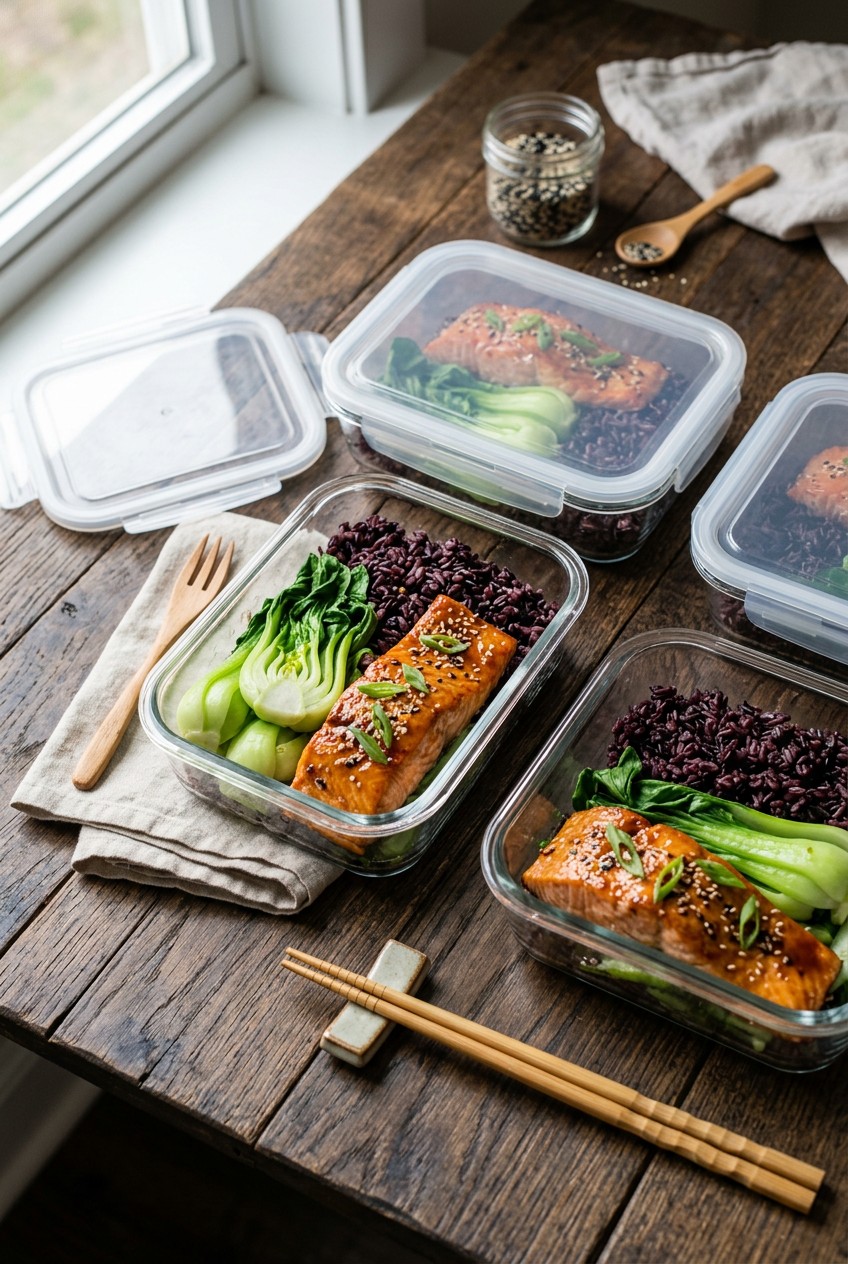
- Prioritize Airtight, Segmented Meal Prep Containers
- Embrace Fermented Foods for Gut Health and Flavor
- Pre-Cook and Portion Proteins Strategically
- Avoid Prepping Foods That Don’t Reheat Well
- Utilize Frozen Vegetables and Batch Roasting
- Stock Essential Asian Condiments in Bulk
- Deconstruct Your Asian Meal Prep for the Freezer
I stared at the sad, congealed block of cold noodles in my plastic Tupperware last Tuesday at Whole Foods, wondering exactly where I went wrong. If you’re trying to master Asian meal prep, you probably know the feeling of opening a container at your desk to find rubbery chicken and soggy broccoli. I did this for months before figuring it out. I used to throw random stir-fry ingredients into a cheap bowl, dump raw soy sauce on top, and pray. It tasted like wet cardboard by Wednesday. The smell of cold, unseasoned chicken sitting in a pool of watery vegetable juice is something I won’t forget. I learned that the hard way. Now, I’ve cracked the code. Let’s fix your Sunday routine with actual flavor, proper textures, and smart storage. These techniques aren’t complicated, but they’ll change how you eat. I’m going to show you how I stock my fridge, what gear works, and the big mistakes you need to stop making.
1. Invest in a Quality Rice Cooker for Perfect Grains

I used to burn rice constantly. I’d scrape the scorched, blackened bottom of the pot, soaking it in soapy water for days. It was a nightmare. If you’re serious about Asian meal prep, you need a dedicated machine. Expert Diane Phillips says rice cookers deliver tender, fluffy grains and free you up to focus on other dishes. I agree. I bought the Zojirushi Neuro Fuzzy 5.5-Cup Rice Cooker. It ranges from $192 to $653 depending on where you look. I grabbed mine at Target during a sale. It sings a little song when the rice is done. The texture is perfect. The grains are plump, sticky, and never mushy. If that price makes you sweat, the Aroma 8-Cup Digital Rice And Grain Multicooker is a fantastic budget option. I used the Aroma one for three years before upgrading. Don’t rely on those microwave rice pouches. They dry out in the fridge and taste like plastic. Making a batch of jasmine or short-grain rice on Sunday means you have a reliable base for four days. I just scoop 1/2 cup of rice into each container. It’s that simple. Think about the caramel-butter smell of perfectly steamed rice filling your kitchen on a Sunday afternoon. It’s comforting. Plus, having a machine handle the grains means I can focus on chopping vegetables without worrying about a pot boiling over. You won’t regret this. It changes your routine.
2. Master Sauce Batching with Specific Ratios

Most people get this wrong. They buy sugary bottled sauces that taste fake. Skip the fat-free stuff. It tastes like wet cardboard. Instead, master sauce batching. I keep a mason jar of homemade teriyaki in my fridge. Here is my ratio for a glossy teriyaki sauce. Mix 3 tablespoons of low-sodium soy sauce. I recommend Kikkoman or Yamasa for quality. Add 1.5 tablespoons of honey or maple syrup, 1 tablespoon of rice vinegar, and 1 teaspoon of sesame oil. Grate 1 garlic clove and 1 teaspoon of fresh ginger. Whisk that with 50ml of water. Finally, mix 1 teaspoon of cornstarch with 1 tablespoon of water to thicken it. I buy these staples at Trader Joe’s because their prices are unbeatable. I simmer this in a small saucepan until it coats the back of a spoon. It smells rich, sweet, and savory. Storing this in an airtight container keeps it fresh for a week. Drizzle 2 tablespoons over your chicken or tofu right before heating. It fixes the flavor profile of your lunch. I’ve ruined so many meals by pouring raw, salty soy sauce over cold rice. This thickened, balanced sauce is the only way to go. You won’t believe how much better your food tastes when the sauce clings to the meat instead of pooling at the bottom.
3. Prioritize Airtight, Segmented Meal Prep Containers

I’ll never forget the day my lunch leaked all over my canvas laptop bag. My car smelled like fish sauce and garlic for a month. You need airtight, segmented containers to prevent leaks and keep components fresh. I swear by glass. The OXO Smart Seal Glass Container Sets are amazing. I also love the Prep Naturals Glass Containers. You can usually find a 5-pack for under $25 on Amazon or at Walmart. Glass is durable, microwave-safe, and easy to clean. Plastic often stains a cloudy orange if you use chili oil or turmeric. For lunches needing separated components, Bentgo Bento Boxes are excellent. They have removable dividers and secure locking clips to prevent spills. If you prefer plastic because it’s lighter, the Rubbermaid Brilliance 10-Piece Food Storage Containers run about $25 to $35. They use a leak-proof, stain-resistant Tritan plastic that stays clear. I bought a set at Costco last year and they still look brand new. When you pack your meals, keeping wet sauces away from dry rice is crucial. I put 4 oz of protein in one section, 1/2 cup of rice in another, and roasted vegetables in the third. It keeps the textures intact until you’re ready to eat. There is nothing worse than soggy rice that has been soaking in broccoli juice for three days. Segmented containers fix this. You might also like: 20 Inspiring Sunday Dinner Ideas You Need to See

M MCIRCO 10-Pack,30 Oz Glass Meal Prep Containers 2
Honestly, M MCIRCO 10-Pack surprised me — sturdier than it looks in the photos, and over 23 buyers gave it 4.5 stars.
4. Embrace Fermented Foods for Gut Health and Flavor

This is a big trend, and for good reason. Incorporating fermented ingredients like kimchi and gochujang gives your meals deep umami flavor and probiotic benefits. I buy jars of kimchi at Sprouts. It has a sharp, tangy, and spicy smell that wakes up your senses when you open the lid. For a quick lunch, I make spicy kimchi udon noodles. I sauté 1/2 cup of chopped kimchi with minced garlic and 1 tablespoon of gochujang (that thick, sweet Korean red chili paste) until it gets fragrant and slightly caramelized in a cast iron pan. Then I add thick udon noodles and a splash of soy sauce. It’s satisfying and coats your mouth with a rich heat. Kimchi is rich in probiotics, which supports gut health. Gochujang adds metabolism-boosting capsaicin. I used to be intimidated by fermented foods. I thought they would spoil or make my other food taste weird. They actually hold up beautifully in the fridge. The flavors even deepen over a few days. Just be warned that your office microwave will smell like garlic and fermented cabbage. I don’t care. The taste is worth the side eyes. Adding 2 tablespoons of chopped kimchi to a plain rice bowl takes it from boring to intensely flavorful. You won’t believe the difference a little acidity makes. You might also like: 15 Stunning Easy Lunch Ideas You Need to See
5. Pre-Cook and Portion Proteins Strategically

Let’s talk about protein. Cooking lean proteins like chicken, tofu, or beef in bulk is the foundation of my week. Last Sunday, I prepped 600g of lean ground chicken. I browned it in a hot cast iron skillet with minced garlic, a splash of sesame oil, and a heavy pinch of red chili flakes. Ground meat is versatile. You can scoop it into lettuce cups, mix it into stir-fries, or layer it over rice bowls. I get my ground chicken at Kroger, usually for around $4.99 a pound. According to US FDA recommendations, cooked chicken should be eaten within 3-4 days. I follow this rule strictly. If I know I won’t finish by Thursday, I freeze the extra portions immediately. I tried leaving cooked chicken in the fridge for six days once. The smell was awful, sour and metallic, and I had to throw it away. Don’t make that mistake. If you’re using tofu, you must press it firmly to remove the water. I use a heavy cast iron skillet to press my tofu for twenty minutes on the counter. I’ll bake 14 oz of firm tofu cubes tossed in 1 tablespoon of soy sauce and 1 teaspoon of sesame oil at 400 degrees. It gets chewy and absorbs flavors perfectly. Tofu is cheap, easy to portion, and holds its texture all week. You might also like: 15 Brilliant Batch Cooking Ideas That Actually Work
6. Avoid Prepping Foods That Don’t Reheat Well

I’ve ruined so many lunches by trying to prep the wrong ingredients. Steer clear of delicate items that become soggy or rubbery upon reheating. I’m talking about pre-dressed salads, fried foods, or crispy items like breaded tofu or tempura shrimp. I once tried to meal prep sweet and sour fried pork for my boyfriend. By Tuesday, the breading was a slimy, wet mess. It was inedible. If you want crunch, store those crispy components or dressings separately. Add them just before eating. I keep a small baggie of toasted sesame seeds or crushed peanuts in my desk drawer to sprinkle on my noodles. Shrimp is tricky. When you microwave pre-cooked shrimp, it turns into a bouncy rubber ball. If I’m doing shrimp, I’ll undercook it slightly during my Sunday prep. That way, when I blast it in the microwave for sixty seconds at work, it finishes cooking without getting tough. The same goes for delicate greens like spinach or bok choy. If you fully cook spinach on Sunday, it turns into a sad, dark green mush by Wednesday. I pack raw spinach in my glass containers. The residual heat from microwaving the rice and chicken gently wilts the raw spinach right when you’re ready to eat. It’s a tiny adjustment that saves your food’s texture.

KOMUEE 10 Packs 30 oz Glass Meal Prep Containers
Honestly, KOMUEE 10 Packs 30 oz Glass Meal Prep Containers surprised me — sturdier than it looks in the photos, and over 45 buyers gave it 4.5 stars.
7. Utilize Frozen Vegetables and Batch Roasting

Chopping vegetables for two hours on a Sunday is exhausting. I gave up on doing it by hand and started using frozen stir-fry vegetable mixes. They are a budget-friendly and time-saving option. I buy the Great Value Frozen Deluxe Stir Fry mix at Walmart. A 20 oz bag costs around $2.72. It provides a supply of broccoli florets, sliced carrots, and snap peas without the need for chopping. But if you prefer fresh vegetables, try batch roasting. Instead of standing over a stove sautéing tiny batches, I roast them all at once. I chop bell peppers, onions, carrots, and eggplant. I toss them with 2 tablespoons of olive oil and roast them at 200 degrees Celsius (400 degrees Fahrenheit) for 40 minutes on a sheet pan. I stir them halfway through so nothing burns. This frees up time, ensures even cooking, and caramelizes the vegetables. The edges get dark and sweet, which enhances their flavor. When shopping for fresh produce, I select fruits and vegetables based on their colors to maximize nutrition. I grab red bell peppers, orange carrots, green spinach, white onions, and purple eggplant. This ensures a range of micronutrients and makes the containers look vibrant when you stack them in the fridge.
8. Stock Essential Asian Condiments in Bulk

Having staples on hand makes everything easier. You can’t execute these recipes if you’re out of soy sauce on a Tuesday night. Key ingredients include low-sodium soy sauce, sesame oil, rice vinegar, fish sauce, mirin, and gochujang. Buying larger bottles or bulk sizes is cost-effective. I also pre-prep my aromatics. Peeling and mincing garlic every night is a nightmare. Instead, I pulse 500g of peeled garlic in a food processor until minced. Then, I flatten the garlic in a large ziploc bag and freeze it flat. I use a butter knife to score the bag into small rectangles before it freezes. When I need garlic, I snap off a frozen square. It melts straight into the hot pan in seconds. I do the same with fresh grated ginger. It saves time during daily cooking. I also practice root-to-stem cooking. It’s a sustainable approach where you use every part of an ingredient to reduce waste. I save all my carrot peels, onion skins, and mushroom stems in a freezer bag. Once the bag is full, I boil those vegetable scraps in water to make a flavorful broth. It extracts maximum flavor for zero extra cost. It makes your kitchen smell like a professional restaurant.
9. Deconstruct Your Asian Meal Prep for the Freezer

If you want your meals to last weeks instead of days, consider deconstructed meals. Some components don’t freeze or reheat well together. Cooked rice noodles can turn into a mushy disaster if you freeze them sitting in broth. Instead, freeze parts of the meal separately. I freeze a rich, flavorful broth and my cooked protein in a large OXO container. Then, I cook fresh noodles to add just before serving. When preparing rice noodles for dishes like Pad Thai or noodle soups, follow measurements to prevent them from becoming mushy. For a homemade rice noodle dough yielding 530g (enough for two servings), mix 150g rice flour, 45g tapioca starch, 360g cold water, 13g vegetable oil, and 2g salt. Or, if you buy dried noodles, soak them in warm water rather than boiling them. Boiling makes them shatter and turn to paste. Always label your meal prep containers with the dish name and date. I use a black sharpie on masking tape. Implement a strict first in, first out system in your fridge. You want to ensure older meals are consumed first. This prevents freezer burn and stops you from finding a mysterious, frosted block of meat in the back of your freezer three months later. No exaggeration. Being organized is half the battle.
Honestly, switching up my routine with these techniques changed my entire week. I’m no longer staring blankly at the fridge at 6 PM, tempted to order takeout. I recommend grabbing some glass containers and starting with a simple teriyaki chicken bowl this Sunday. Save this post, pin it to your favorite recipe board, and let me know how your prep goes! You won’t regret taking back your weeknights.

8 Pack 36oz Large Glass Meal Prep Containers with lids
8 Pack 36oz Large Glass Meal Prep Containers with lids punches above its price — 866 buyers rated it 4.5 stars. I would buy it again.
Frequently Asked Questions
How long does Asian meal prep last in the fridge?
According to FDA guidelines, cooked proteins like chicken or beef will last 3-4 days in airtight containers. If you aren’t going to eat your meals within that timeframe, it’s best to freeze them immediately to maintain freshness and safety.
What is the best way to reheat rice without it drying out?
Microwaving rice can make it hard and crunchy. To fix this, sprinkle a tablespoon of water over your rice before heating, and cover the container loosely with a damp paper towel. The steam will make the grains fluffy again.
Can I meal prep crispy foods like tempura or breaded chicken?
Honestly, no. Crispy breading turns into a soggy, wet mess after sitting in the fridge. If you really want a crunchy element, store toasted nuts, sesame seeds, or crispy wonton strips in a separate dry baggie and add them right before eating.
Which containers are best for Asian meal prep?
Segmented glass containers are the absolute best choice. Brands like OXO or Prep Naturals prevent strong smells like garlic or fish sauce from lingering. The dividers keep wet sauces from ruining your dry rice or fresh vegetables during the week.
