What’s Inside
- Master Dairy-Free Milks for Specific Uses in Dairy Free Meal Prep
- Choose High-Protein Yogurts for Satiety
- Select Melting Cheeses Wisely for Dairy Free Meal Prep
- Boost Flavor and B Vitamins with Nutritional Yeast
- Utilize Aquafaba as a Surprising Egg Replacer
- Prioritize Lean Protein and Healthy Fats
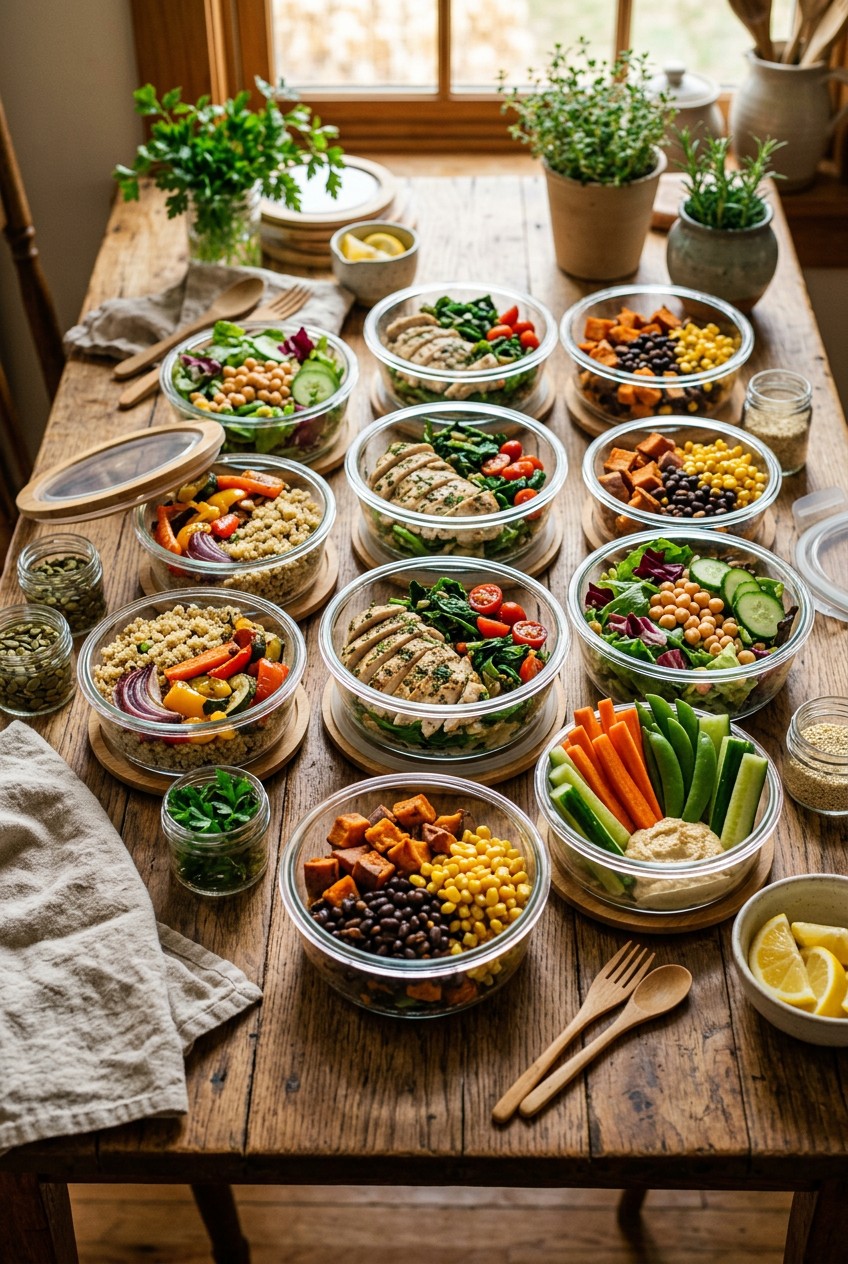
- Batch Cook Versatile Staples for the Week
- Invest in Quality Airtight Glass Containers
Last Tuesday at Whole Foods, I found myself crying over a $7 bottle of oat milk. My first real attempt at dairy-free meal prep was a total disaster. I stood in aisle four with a leaky carton dripping sticky white liquid onto my favorite canvas sneakers. The fluorescent lights buzzed overhead while I frantically Googled how to replace heavy cream on my phone with exactly three percent battery left. The smell of artificial vanilla extract and wet cardboard filled the air as I wiped the mess off my shoes with a pathetic, thin brown paper napkin. I felt overwhelmed by the sheer volume of expensive alternatives staring back at me from the refrigerated shelf. Making the switch away from dairy isn’t just about swapping cow’s milk for crushed almonds. It requires a complete rewiring of how you build your weekly menu. I tried this wrong for months before figuring it out. Learned that the hard way. I bought watery, flavorless yogurts that left me starving and angry by mid-morning. I ruined entire batches of expensive baked ziti with vegan cheese that tasted exactly like melted plastic toys. It’s frustrating when you spend your entire Sunday cooking, only to end up with food you can’t stomach. But I’ve finally cracked the code to making meals that actually taste good, hold their texture in the fridge, and keep you full all day long. You don’t need a culinary degree to figure this out. You just need a plan, some patience, and the right ingredients. Here are the exact strategies I use every Sunday to fill my fridge with food I actually want to eat.
1. Master Dairy-Free Milks for Specific Uses in Dairy Free Meal Prep

Don’t use just any plant-based milk for every recipe. I learned this the hard way last November when I tried to make a creamy garlic alfredo sauce for my weekly lunches. I blindly grabbed the first carton I saw in my fridge door. It was vanilla-flavored soy milk. The pasta tasted like a hot, garlicky vanilla bean frappuccino. Truly disgusting. It separated into a watery, grainy mess that clung to my fettuccine noodles like wet sand. I threw the entire cast iron pan straight into the trash and ordered takeout. For neutral savory sauces like béchamel, mushroom gravy, or potato soup, you need unsweetened almond milk. I highly recommend Califia Farms Unsweetened Almond Milk. It costs exactly $4.99 for a 48 oz bottle at Target. It maintains a neutral flavor when heated. It won’t develop that weird, beany aftertaste that soy milk gets when it boils. But baking requires a different approach. When you’re making morning glory muffins or protein pancakes, you need protein for structure and browning. That’s where soy milk shines. I always keep a carton of Silk Organic Soymilk on hand. It comes in a bright red carton and runs about $4.49 for a half-gallon at Kroger. It packs 8g of protein per 1 cup serving. This protein acts just like cow’s milk in the oven. Your baked goods will actually turn golden brown on top instead of looking pale and sad. Skip the fat-free stuff. It tastes like wet cardboard and makes your food dry. Always check the label for the word unsweetened. Grabbing the sweetened version by mistake will ruin your savory dishes faster than you can blink.
2. Choose High-Protein Yogurts for Satiety

Breakfast bowls are a meal prep staple, but most vegan yogurts on the market are basically expensive water mixed with thickeners. I spent an entire summer buying cheap coconut milk yogurts because they looked pretty on the shelf. I’d eat a huge bowl at 7 AM, and my stomach would growl by 8:30 AM. Coconut yogurt usually has less than one gram of protein per serving. It’s a blood sugar crash waiting to happen. If you want your morning meal to hold you over until lunch, you must select dairy-free yogurts with substantial protein. Kite Hill Greek-style Protein Yogurt is my holy grail. It costs $2.99 for a single 5.3 oz container at Sprouts. Yes, it’s pricey. But it delivers 17g of protein per 2/3 cup serving. It has zero added sugars in the plain unsweetened flavor. The texture is thick and luscious. It feels like eating cream cheese. I mix 1/2 cup of this yogurt with 1 ounce of raw pumpkin seeds—adding another 8g of protein—and a handful of fresh, tart raspberries. Another solid option I keep in rotation is the Forager Project Unsweetened Plain Cashewmilk Yogurt. It goes for $2.79 per 5.3 oz cup and gives you 3g of protein. It’s a bit thinner with a tanginess that mimics traditional yogurt. I love swirling 1 tablespoon of pure maple syrup into it for a hint of sweetness. Don’t waste your money on the low-protein, high-sugar options. You’ll just end up snacking on junk an hour later because you aren’t full. You might also like: 15 Stunning Healthy Dinner Ideas to Steal Right Now
3. Select Melting Cheeses Wisely for Dairy Free Meal Prep

Vegan cheese has a terrible reputation for a good reason. Most of it tastes awful. I remember making a beautiful homemade pizza two years ago for a dinner party. I covered it in a generic store-brand dairy-free mozzarella I found on sale. After 20 minutes in a hot oven, the shreds hadn’t melted at all. They just dried out and curled up at the edges. They looked like tiny orange fingernails sitting on top of my sauce. The texture felt like chewing on rubber bands. My kitchen smelled like burnt plastic for three days. If you’re prepping dishes that require a good, gooey melt, like baked ziti, enchiladas, or grilled cheese, you have to buy the right brands. Violife Mozzarella Shreds are the undisputed champions of melting. A bag costs $4.99 for 8 oz at Whole Foods. They give you a smooth, creamy melt without turning into a pool of grease. I use exactly 1/4 cup of these shreds on top of my stuffed bell peppers before baking them. Chao Creamy Original slices are another fantastic choice for cold cut sandwiches or burgers. They cost $5.99 for a 7 oz package at Walmart. These slices contain coconut milk and fermented tofu, which sounds weird but tastes rich and salty. The best trick to getting dairy-free cheese to melt involves trapping moisture. I always spray a bit of water over the top of my cheese-covered dishes before putting a lid on my skillet or popping them in the oven. The trapped steam helps the stubborn cheese break down and get gooey. You might also like: 20 Gorgeous Meal Planning Ideas for Any Style
![[8-Pack,30 oz]Glass Meal Prep Containers](https://m.media-amazon.com/images/I/713Zfdsgi4L._AC_UL320_.jpg)
[8-Pack,30 oz]Glass Meal Prep Containers
[8-Pack punches above its price — 7 buyers rated it 4.5 stars. I would buy it again.
4. Boost Flavor and B Vitamins with Nutritional Yeast

If you aren’t using nutritional yeast in your kitchen yet, you’re missing out on the easiest flavor hack in the book. We call it nooch. It looks like yellow fish food flakes. It comes in a little plastic shaker jar with a green lid, and it smells vaguely like cheesy feet when you first pop the seal. I was terrified of it for years. Last spring, I finally bought a jar and immediately dropped it, spilling half across my kitchen counter. Fine yellow dust coated everything. But once I tasted it on my food, I was hooked. It provides a deep, savory, umami flavor that mimics aged parmesan. I swear by Bragg’s Nutritional Yeast. A 4.5 oz shaker costs about $6.49 at Trader Joe’s. I aggressively sprinkle 2 tablespoons of this stuff into my morning tofu scrambles and over my roasted broccoli crowns. Besides the cheesy flavor, it’s a nutritional powerhouse. Those 2 tablespoons give you 8 grams of complete protein. More importantly, it’s heavily fortified with B vitamins. You get over 600% of your daily value for B12 in a single serving. This step is crucial if you’re skipping dairy and meat. I like to mix 1/4 cup of nooch with 1/2 cup of raw cashews and a pinch of sea salt in my food processor to make a dry parmesan sprinkle. I keep it in an airtight glass jar in the fridge and put it on everything. It makes bland meal prep vegetables taste incredible. You might also like: 20 Inspiring Meal Prep Ideas for Any Style
5. Utilize Aquafaba as a Surprising Egg Replacer

This next tip sounds fake, but I promise you it works perfectly. Stop pouring the liquid from your canned chickpeas down the drain. That murky, bean-scented water is called aquafaba. It’s a magical substance for baking. For years, I dumped gallons of this liquid out while making weekly batches of hummus. I cringe thinking about that wasted potential. Aquafaba physically mimics the proteins found in egg whites. You can whip it with a standard electric hand mixer until it forms stiff, fluffy white peaks. It turns from a yellowish liquid into white foam right before your eyes. I use it to add lightness to my dairy-free banana nut muffins. You need the thickest liquid possible for this trick to work. I always buy Eden Organic Garbanzo Beans. They cost $2.69 for a 15 oz can at Target. The liquid in these specific cans feels exceptionally viscous and starchy. I drain the can and save the liquid in a glass mason jar. You can store it in the fridge safely for up to a week. If I know I won’t use it fast enough, I freeze it in a silicone ice cube tray in 1/4 cup portions. Three tablespoons of unwhipped aquafaba equals exactly one whole egg in most baking recipes. I tried making vegan meringues with it once. I stood in my kitchen for what felt like an eternity, whipping it for 15 minutes. They came out crisp and sweet. Nobody at my office believed they started as leftover bean water.
6. Prioritize Lean Protein and Healthy Fats

Taking dairy out of your diet removes a source of incidental protein and fat. If you just subtract the cheese, butter, and milk without intentionally replacing those macros, you will face constant hunger. I made this rookie mistake early on. I prepped huge glass containers of plain penne pasta with tomato sauce and a few sad, wilted spinach leaves. I’d eat a bowl at my desk and feel empty just two hours later. You have to actively build dense protein and healthy fat back into your meals. If you still eat meat, lean poultry is your best friend. A 6 oz chicken breast packs nearly 50g of protein. I buy a family pack of chicken breasts at Costco, marinate them in 2 tablespoons of olive oil, fresh lemon juice, and dried oregano, and bake them all on Sunday. I also love prepping salmon. A 4 oz filet gives you 25g of protein and a dose of brain-boosting omega-3s. If you’re fully plant-based, lentils offer a cheap and effective alternative. One cup of cooked green lentils gives you 18g of protein. To replace the rich mouthfeel of dairy fat, I rely on fresh avocados and raw nuts. I add 1/4 of a sliced avocado to my spicy black bean lunch wraps. It provides that creamy, decadent texture you crave. I also portion out 1 ounce of raw almonds—which costs about $0.50 and provides 6g of protein—into tiny containers for my mid-afternoon snacks. Don’t skip the fat. Your brain needs it.

KOMUEE 10 Packs 30 oz Glass Meal Prep Containers
If you want something that just works, KOMUEE 10 Packs 30 oz Glass Meal Prep Containers is a safe bet (45 reviews, 4.5 stars).
7. Batch Cook Versatile Staples for the Week

The biggest trend I see for meal prepping right now involves modular batch cooking. Instead of making five identical plastic containers of the same meal, you cook massive amounts of versatile base ingredients. Eating the same chicken and rice dish four days in a row causes mental torture. I used to do that when I first started. By Thursday, I’d rather starve than look at another piece of rubbery, microwaved chicken. Now, I prep separate components. Every Sunday, I roast three large sweet potatoes. I chop them into one-inch cubes, toss them with 1 tablespoon of olive oil and a heavy pinch of smoked paprika, and roast them at 400 degrees Fahrenheit for 30 minutes. The edges get caramelized and crispy while the insides turn to mush. I also cook a huge pot of fluffy quinoa. One cup of dry quinoa yields three cups cooked. I buy a 4.5 lb bag of organic quinoa at Costco for $10.99. Having these neutral bases ready means I can throw together a different bowl every day. On Monday, I mix quinoa with black beans, sweet potatoes, and salsa. On Tuesday, I toss the cold sweet potatoes into a spinach salad with a homemade cashew cream dressing. Speaking of cashew cream, making it yourself saves a fortune. I blend 1 cup of soaked raw cashews with 1/2 cup of water until silky smooth. A pound of raw cashews costs only $8.99 at Costco, making this DIY cream dirt cheap compared to store-bought vegan heavy cream.
8. Invest in Quality Airtight Glass Containers

You simply can’t do proper, safe meal prep without the right storage. Cheap plastic containers will ruin your food and your life. I spent my first two years of prepping using flimsy plastic tubs I bought in a panic at the dollar store. They warped in the microwave. They stained neon orange the second I put turmeric chicken inside. Worst of all, they absorbed horrible smells. I had a container that permanently smelled like rotting garlic, no matter how many times I scrubbed it with boiling water. It made my fresh morning fruit taste like onions. The smell was disgusting. You must upgrade to high-quality glass containers. I swear by the Pyrex 10-piece glass storage set. It costs $34.99 at Target. The thick glass is durable and non-porous. It won’t absorb food odors or hold onto weird sauce colors. Your dairy-free meals will stay fresh and crisp for up to four days in the refrigerator. The heavy silicone lids snap on tight, preventing any air from getting in and oxidizing your fresh-cut vegetables. Another great option includes Anchor Hocking. You can usually find a solid starter set for around $30 at Walmart. Yes, glass is heavier to carry in your tote bag to the office. Yes, you have to be careful not to drop them. But the fact that my Monday morning strawberries don’t taste like last week’s spicy lentil curry makes it 100% worth the investment. The glass cleans up effortlessly with a quick swipe of a soapy sponge.
Ditching dairy doesn’t mean you have to eat boring, dry, or flavorless food. It just requires a slight, intentional shift in how you shop and prep your ingredients. Once you master the art of matching the right plant milk to the right recipe, and you figure out how to use things like nutritional yeast and whipped aquafaba, your weekly menu opens up. Your kitchen will smell amazing. You’re going to save money by not buying overpriced, pre-made vegan meals that taste like cardboard. I honestly prefer my dairy-free meals now over the heavy, cheese-laden dishes I used to make in my twenties. They leave me feeling light and energized instead of bloated and ready for a three-hour nap. Take these tips, hit up your local grocery store, and start experimenting this Sunday. Start small. Pick two recipes and focus on getting the textures right before you scale up. I promise you’ll get the hang of it faster than you think. If you found this breakdown helpful, save this post to your favorite meal prep board on Pinterest so you can reference these brand names and prices while you’re standing confused in the grocery aisle. You’ve got this!
Frequently Asked Questions
How long do dairy free meal prep bowls last in the fridge?
If you store your dairy free meal prep bowls in high-quality, airtight glass containers, they typically stay fresh for four to five days. Always keep components like cashew cream dressings in separate tiny jars and only pour them on right before eating to prevent soggy vegetables.
What is the best dairy-free milk for savory cooking?
Unsweetened almond milk or cashew milk works best for savory dishes. They maintain a perfectly neutral flavor profile when heated on the stove. Avoid using soy milk or oat milk in savory sauces, as they can develop an unwanted sweet or beany aftertaste when boiled.
How do I add protein to a dairy-free breakfast?
Skip the low-protein coconut yogurts and opt for almond or soy-based Greek-style yogurts, which pack up to 17g of protein per serving. You can also mix in raw pumpkin seeds, hemp hearts, or a scoop of unsweetened plant-based protein powder to keep you full until lunch.
Is nutritional yeast necessary for dairy-free cooking?
While not strictly necessary, it’s highly recommended. Nutritional yeast provides a deep, cheesy umami flavor that mimics parmesan perfectly. Plus, just two tablespoons offer 8 grams of complete protein and a massive dose of B12, which proves essential when you’re skipping dairy and meat.
