What’s Inside
- Prioritize Lean Animal Proteins for Batch Cooking
- Embrace Whole-Food Plant Proteins for a Meal Prep Lunch High Protein Base
- Rely On Thick Greek Yogurt for High Protein Sauces
- Don’t Underestimate the Power of Cheap Hard-Boiled Eggs
- Avoid Meal Fatigue by Prepping Ingredients, Not Full Meals
- Build a Hybrid Meal Prep Lunch High Protein Bowl
- Pack Tinned Fish for Quick Weeknight Luxury
- Strategic Snacks: Soya Chunks, Protein Powder, and Pistachios
Last Tuesday at Whole Foods, I stood in the prepared foods aisle staring at a $14 sad, wilted chicken salad and wanted to cry. I was exhausted, starving, and my attempt at a high-protein meal prep routine had completely fallen apart by day two. I’d packed some dry, unseasoned turkey breast in a flimsy plastic tub. By lunchtime, it smelled like wet dog and tasted like sawdust. That’s when I realized my whole approach was wrong. I was trying to force myself to eat boring diet food instead of actually cooking things I wanted to eat. If you’re struggling to hit your macros without losing your mind, I get it. I’ve spent the last three years figuring out how to build a high-protein meal prep system that doesn’t make me sad at 12:30 PM every day.
I used to spend my Sundays crying over endless Tupperware containers filled with gray chicken and mushy broccoli. It was miserable. I’d inevitably throw half of it away by Thursday. I’d end up in the drive-thru line at Wendy’s, ordering spicy nuggets and feeling guilty. But you don’t have to live like that. You can actually look forward to your packed lunches. You just need a better strategy. I’m going to walk you through exactly what I buy, how much it costs, and how I prep it. No fluff. Just real food that actually tastes good after sitting in a fridge for three days. Let’s fix your lunch box for good.
1. Prioritize Lean Animal Proteins for Batch Cooking

Let’s talk about the foundation of your week. You need a reliable, cheap source of lean animal protein. I used to buy those pre-cooked, sliced chicken strips from the deli section. Big mistake. They have a weird, slimy texture and cost way too much. Now, I opt for versatile proteins like boneless, skinless chicken breast or ground turkey. A 3.5-ounce serving of cooked chicken breast provides around 30 to 31 grams of protein. You can often find chicken breast on sale for $1.99 to $3.49 per pound at stores like Aldi or Walmart. If you hold a membership, grab the Member’s Mark chicken breasts at Sam’s Club for around $2.88 per pound.
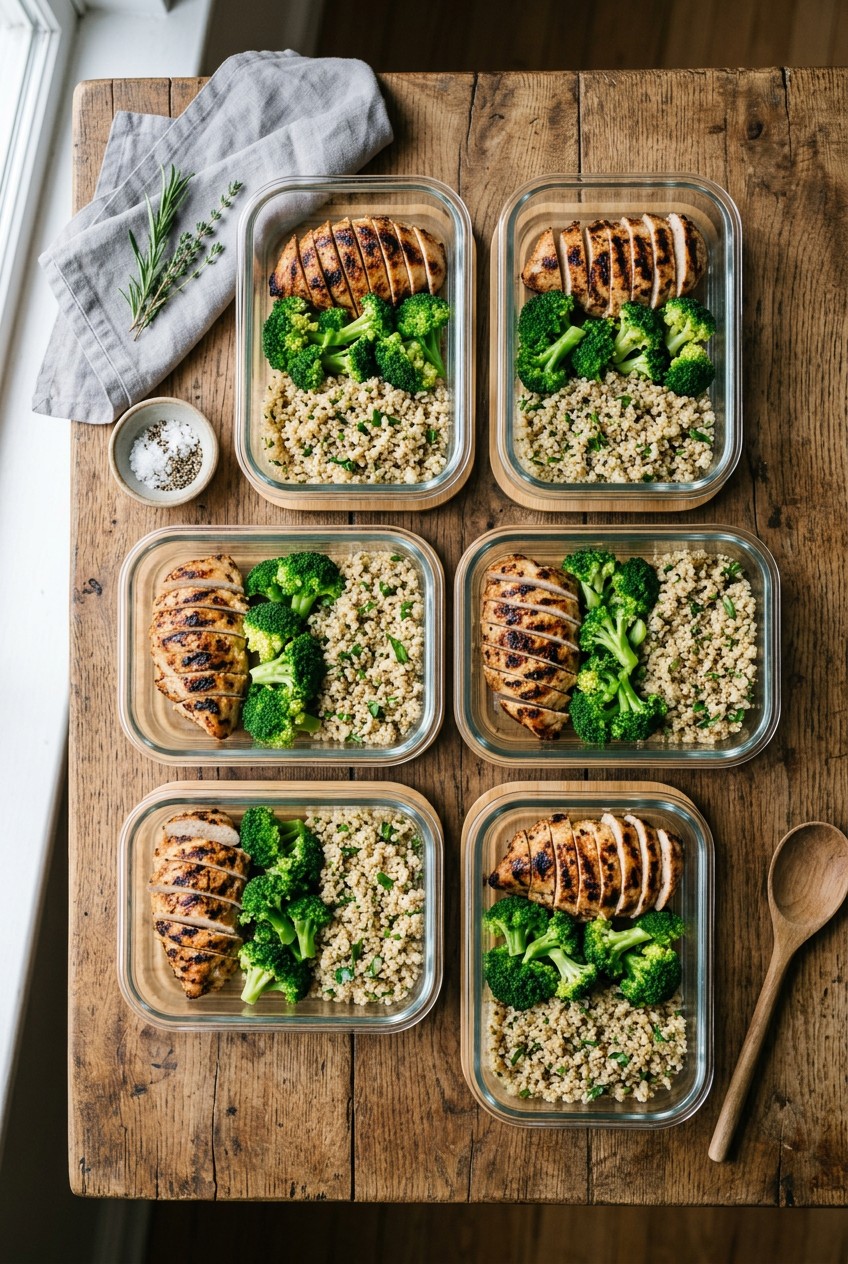
I usually roast a massive 3-pound batch at the beginning of the week. I mix a tablespoon of smoked paprika, a teaspoon of garlic powder, half a teaspoon of cayenne pepper, and a ton of coarse sea salt. I rub it aggressively into the meat. The warm, savory smell of roasting chicken fills my tiny apartment and actually makes me excited to eat. My biggest mistake early on was boiling my chicken. Please don’t do this. It turns into rubber. Roast it at 400 degrees on a hot sheet pan lined with parchment paper. It gets nice and browned on the edges. When you chop it up, it stays juicy. I weigh out 4-ounce portions using my digital food scale so I know exactly what I’m getting. Hitting that 20 to 30 grams of protein target per meal is crucial. It keeps you full. It stops that 3 PM sugar craving dead in its tracks. I’ve learned the hard way that skimping on the protein portion just leads to me raiding the office vending machine for stale powdered donuts.
2. Embrace Whole-Food Plant Proteins for a Meal Prep Lunch High Protein Base

I’ll admit I used to ignore plant proteins completely. I thought they were just for vegans. I was so wrong. In line with what nutritionists are calling a massive 2026 trend, I’ve started integrating whole-food plant proteins like lentils, chickpeas, and edamame into my routine. A 1-pound bag of Great Value Lentils from Walmart costs around $0.98 to $2.00. It yields multiple servings, providing a massive hit of both fiber and protein. Last month at Sprouts, I tried buying fancy heirloom beans from the bulk bins. I ended up spending $8 on a tiny bag. Stick to the cheap bagged lentils. They taste exactly the same once you add broth.
I batch cook a large quantity of lentils, usually 2 cups dry, simmering them in low-sodium chicken bone broth instead of water. This adds a rich, savory flavor and a slightly sticky texture that coats the back of a spoon. I toss them into salads, soups, or grain bowls throughout the week. They hold their shape beautifully in the fridge. Lentils aren’t going to give you 30 grams of protein on their own unless you eat a massive bowl, but they’re the perfect base for a high-protein bowl. I mix them with diced cucumbers, feta cheese, and a sharp lemon vinaigrette. I whisk together two tablespoons of extra virgin olive oil, the juice of one large lemon, a teaspoon of Dijon mustard, and a pinch of black pepper. The crunch of the cucumber against the soft, earthy lentils is incredible. Just don’t overcook them. I boiled a batch for 45 minutes once. It turned into a gray, unappetizing sludge that I had to throw away. Simmer them for exactly 20 minutes. Test one. It should have a slight bite to it. You might also like: 20 Clever Aesthetic Food Prep That Actually Work
3. Rely On Thick Greek Yogurt for High Protein Sauces

If you aren’t using Greek yogurt in your meal prep, you’re missing out on the easiest protein cheat code ever. A 6-ounce serving of Greek yogurt can offer double the protein of regular yogurt. Brands like Great Value offer massive 32-ounce tubs of plain nonfat Greek yogurt for around $2.94. This makes it an incredibly cost-effective option. I use it for everything. Smoothies. Parfaits. A sour cream substitute on my taco bowls. But here is my strongest opinion on the matter. Skip the fat-free flavored stuff. It tastes like wet cardboard mixed with artificial sweetener. Always buy plain. You can control the flavor yourself. You might also like: 15 Inspiring Chicken Meal Prep Ideas You Haven’t Thought Of
I’ll mix a half cup of plain yogurt with a tablespoon of ranch seasoning powder and a splash of water. Boom. You’ve got a high-protein ranch dressing that doesn’t taste like chemicals. I buy the Hidden Valley Ranch seasoning packets. They cost about $1.99 each. You only need a tiny sprinkle to completely change the flavor profile of the yogurt. I used to buy expensive, tiny $2 single-serve yogurt cups at Kroger every week. I spent a fortune. Now I just scoop from the big tub into small glass jars. Aim for at least 15 to 20 grams of protein per serving when you’re building a yogurt bowl. I top mine with frozen wild blueberries. They thaw by lunchtime and create this beautiful, bright purple syrup that streaks through the thick white yogurt. The tartness of the berries cuts right through the tang of the yogurt. It’s so refreshing. Just make sure you keep it in a tightly sealed container. I once owned a cheap plastic lid that popped off in my tote bag. Scraping dried yogurt out of the lining of my favorite purse was a nightmare I won’t soon forget. You might also like: 15 Lovely Kids School Lunch Ideas That Changed Everything
![[8-Pack,30 oz]Glass Meal Prep Containers](https://m.media-amazon.com/images/I/713Zfdsgi4L._AC_UL320_.jpg)
[8-Pack,30 oz]Glass Meal Prep Containers
If you want something that just works, [8-Pack is a safe bet (7 reviews, 4.5 stars).
4. Don’t Underestimate the Power of Cheap Hard-Boiled Eggs

Hard-boiled eggs are the ultimate lazy girl protein hack. They’re quick, portable, and ridiculously affordable. A single large egg contains about 6 grams of protein. I prepare a full dozen hard-boiled eggs at the start of the week. They’re perfect for quick additions to salads or just as a standalone snack when I’m starving. I buy the Good & Gather large brown eggs from Target. They usually run about $3.19 a dozen. I use a very specific method for boiling them. I drop them into already boiling water for exactly nine minutes, then plunge them straight into an ice bath. The yolks come out a bright, jammy orange. No ugly green rings.
I used to boil them for 15 minutes. The yolks turned into chalky dust that made me gag. Peeling them can be annoying. I once spent ten minutes at my desk chipping tiny shell fragments off a stubborn egg. My coworkers definitely judged me. Now, I roll the egg gently on the counter until the shell is completely fractured, then peel it under a tiny stream of cold running water. The shell slips right off. The sulfur smell is also a real thing. Don’t open a container of boiled eggs in a tiny, unventilated meeting room. Trust me on that one. I usually slice two eggs over a bed of spinach with a sprinkle of Everything But The Bagel seasoning. The salty, garlicky crunch of the seasoning pairs perfectly with the rich, creamy egg yolk. It feels like a fancy cafe lunch, but it costs about fifty cents. If you’re struggling to hit your protein goals, just throw two eggs into whatever you’re already eating. It’s an instant 12-gram boost.
5. Avoid Meal Fatigue by Prepping Ingredients, Not Full Meals

This is the biggest mistake I see beginners make. They cook the exact same meal for every single day of the week. By Wednesday, you’re sick of it. By Friday, you’re throwing it in the trash. Avoid this meal fatigue by prepping ingredients, not full meals. Cook your protein, grains, and chopped vegetables separately. This allows for mixing and matching. It prevents boredom and ensures you’re actually excited about your lunch. For example, my roasted chicken can go into a Greek bowl with tzatziki one day, and a BBQ bowl with corn and black beans the next.
You need to invest in quality, segmented containers for this to work. Improper storage leads to soggy, unappetizing food and wasted effort. I highly recommend investing in BPA-free, airtight glass containers. I use Pyrex and Glasslock brands. I bought a 14-piece Pyrex set at Target for about $29.99. Glass keeps the components fresh and prevents flavors from mingling. This is crucial for maintaining texture and taste for up to 3 to 4 days. Plastic absorbs smells. I owned a plastic container that smelled like garlic powder for six months, no matter how many times I washed it. The glass containers are also dishwasher safe. I just toss them on the top rack. No more scrubbing greasy orange stains out of cheap plastic. Don’t over-prep either. Focus on 3 to 4 days at a time. Preparing food too far in advance leads to spoilage. Food typically stays fresh for about 4 days in the refrigerator. I plan for two smaller prep sessions per week. I’ll do a big prep on Sunday afternoon, and a mini refresh on Wednesday night. It takes twenty minutes on Wednesday, but it saves my Thursday and Friday lunches from tasting like leftovers.
6. Build a Hybrid Meal Prep Lunch High Protein Bowl

The International Food Information Council notes a massive 2026 trend towards hybrid options that blend animal and plant proteins. I’m obsessed with this concept. It completely changed how I build my bowls. I’ll combine 3 ounces of grilled chicken breast (which is about 25g of protein) with a 1/2 cup of black beans (about 7 to 8g of protein) in a burrito bowl. You get a diverse protein profile, tons of added fiber, and a really satisfying mix of textures. The firm bite of the chicken mixes with the creamy, starchy beans. I buy the organic canned black beans from Trader Joe’s for $1.19 a can.
Certified exercise physiologist Jim White, R.D.N., emphasizes a huge mistake most people make. They lean too heavily on just one macronutrient. You can’t just eat plain chicken. Ensure your lunch also includes complex carbohydrates like roasted sweet potatoes or brown rice. I dice a large sweet potato into tiny half-inch cubes, toss them in a teaspoon of olive oil, and roast them until the edges are crispy and caramelized. Add healthy fats like a quarter of an avocado or a sprinkle of sliced almonds. This provides sustained energy and prevents that awful afternoon crash. I used to pack just chicken and broccoli. I’d be shaking with hunger by 2 PM. Now, I balance my macros. I also batch cook a large batch of a high-protein grain like quinoa. One cup of cooked quinoa provides approximately 8 grams of complete protein. It serves as a fantastic base. I rinse my quinoa thoroughly before cooking. If you don’t rinse it, it tastes like bitter soap. I learned that the hard way during a very sad lunch break in 2022.

KOMUEE 10 Packs 30 oz Glass Meal Prep Containers
Honestly, KOMUEE 10 Packs 30 oz Glass Meal Prep Containers surprised me — sturdier than it looks in the photos, and over 45 buyers gave it 4.5 stars.
7. Pack Tinned Fish for Quick Weeknight Luxury

Tinned fish is having a massive moment right now. It’s trending as a weeknight luxury for its absolute convenience, wellness benefits, and incredibly high protein content. I used to be terrified of sardines. I thought they were gross cat food. But I forced myself to try them last year, and I’m officially a convert. A 3.75-ounce can of sardines can provide over 20 grams of protein. I buy the Season brand skinless and boneless sardines in olive oil at Costco. You can get a 6-pack for around $11.99. Keep a few cans on hand for a completely no-cook, high-protein option.
I pair them with whole-grain crackers, some sharp cheddar cheese, and sliced bell peppers. I buy the Triscuit whole wheat crackers. They have a really hearty texture that doesn’t instantly turn to mush when you pile wet ingredients on top. The rich, salty flavor of the fish is amazing on a crunchy cracker with a squeeze of fresh lemon juice. It feels like an expensive charcuterie board, but I’m eating it at my desk in sweatpants. It’s also packed with Omega-3s. If you aren’t quite ready for sardines, start with canned mackerel or high-quality tuna. Just be careful with the oil. I once opened a tin of mackerel too aggressively and splashed fish oil all over my favorite white sweater. The stain never came out. Open them over the sink. I also drain the excess oil before packing them in my lunch bag. I’ll mix the fish with a little bit of that Greek yogurt we talked about earlier, some Dijon mustard, and diced celery for crunch. It’s a massive upgrade from sad, watery deli meat sandwiches.
8. Strategic Snacks: Soya Chunks, Protein Powder, and Pistachios

Sometimes you need extra reinforcements to hit your goals. For days when cooking whole foods is just too challenging, a protein shake can be a lifesaver. Experts suggest high-quality powders like Optimum Nutrition Gold Standard 100% Whey Protein. It provides 24 grams of protein per scoop. I buy the massive bags at Costco, which breaks down to as low as $0.63 per serving. I mix it with unsweetened almond milk in a blender bottle. I use a standard BlenderBottle with the metal whisk ball inside. It completely eliminates those gross, dry powder lumps that get stuck in the bottom corners. It’s a quick 25 to 30g protein boost. I hate the chalky texture of cheap powders, so I stick to the Gold Standard Extreme Milk Chocolate flavor. It actually tastes like chocolate milk.
Another surprising trend for 2026 is the rise of pistachios as a complete protein source. I add a 1/4 cup (which is exactly 49 kernels) of pistachios to my salads or snack boxes. It adds an additional 6 grams of complete plant-based protein and healthy fats. The salty crunch is completely addicting. I buy the Wonderful Pistachios brand, usually the salt and pepper flavor, for about $5.99 a bag at Kroger. Finally, if you want a budget-friendly powerhouse, try soya chunks. They contain more protein per gram than chicken. I rehydrate them in boiling vegetable broth and cook them in a spicy stir-fry. They soak up flavor like a sponge. I tried cooking them without rehydrating them first once. I nearly broke a tooth. They were like gravel. Soak them for ten minutes, squeeze out the excess water, and pan-fry them with soy sauce and garlic. They get crispy edges and a chewy center that mimics meat perfectly.
Building a meal prep routine shouldn’t feel like a part-time job you hate. It’s just about finding exactly what works for your schedule and your taste buds. I personally swear by these methods. They’ve saved me so much money and kept me away from the sad office cafeteria. Start small. Pick just one or two of these proteins to prep this Sunday. Don’t try to boil two dozen eggs, roast three pounds of chicken, and cook a vat of lentils all at once. You’ll overwhelm yourself and quit by Monday. Grab some glass containers, hit up Aldi or Costco, and just start chopping. You’ll be amazed at how much better you feel when you aren’t running on empty carbs at 3 PM. If you found this helpful, pin this post for your next grocery trip. Let’s make your weekday lunches something you actually crave.
Frequently Asked Questions
How long does a meal prep lunch high protein stay fresh?
Food typically stays fresh for 3 to 4 days in the refrigerator. I highly recommend doing two smaller prep sessions per week, like on Sunday and Wednesday, to ensure your proteins and veggies don’t get soggy or spoil.
What are the cheapest proteins for lunch meal prep?
Lentils, hard-boiled eggs, and plain Greek yogurt are incredibly budget-friendly. A bag of dry lentils costs around a dollar and provides multiple servings of protein and fiber. Chicken breast on sale at Aldi or Walmart is also extremely cost-effective.
How do I stop my prepped lunches from getting soggy?
You need to prep individual ingredients, not fully assembled meals. Keep wet ingredients like dressings or tomatoes in separate small containers. Invest in airtight, segmented glass containers like Pyrex to keep flavors and textures completely separated until lunchtime.
How much protein should I aim for in my lunch?
Experts recommend targeting 20 to 30 grams of protein per meal. This amount promotes satiety and keeps you full throughout the afternoon. I use a digital food scale to weigh out 4-ounce portions of chicken or fish to hit this exact goal.
