What’s Inside
- Embrace Mini Portions For Picky Eaters
- Upgrade The Classics With Hidden Veggies (Meal Prep For Kids)
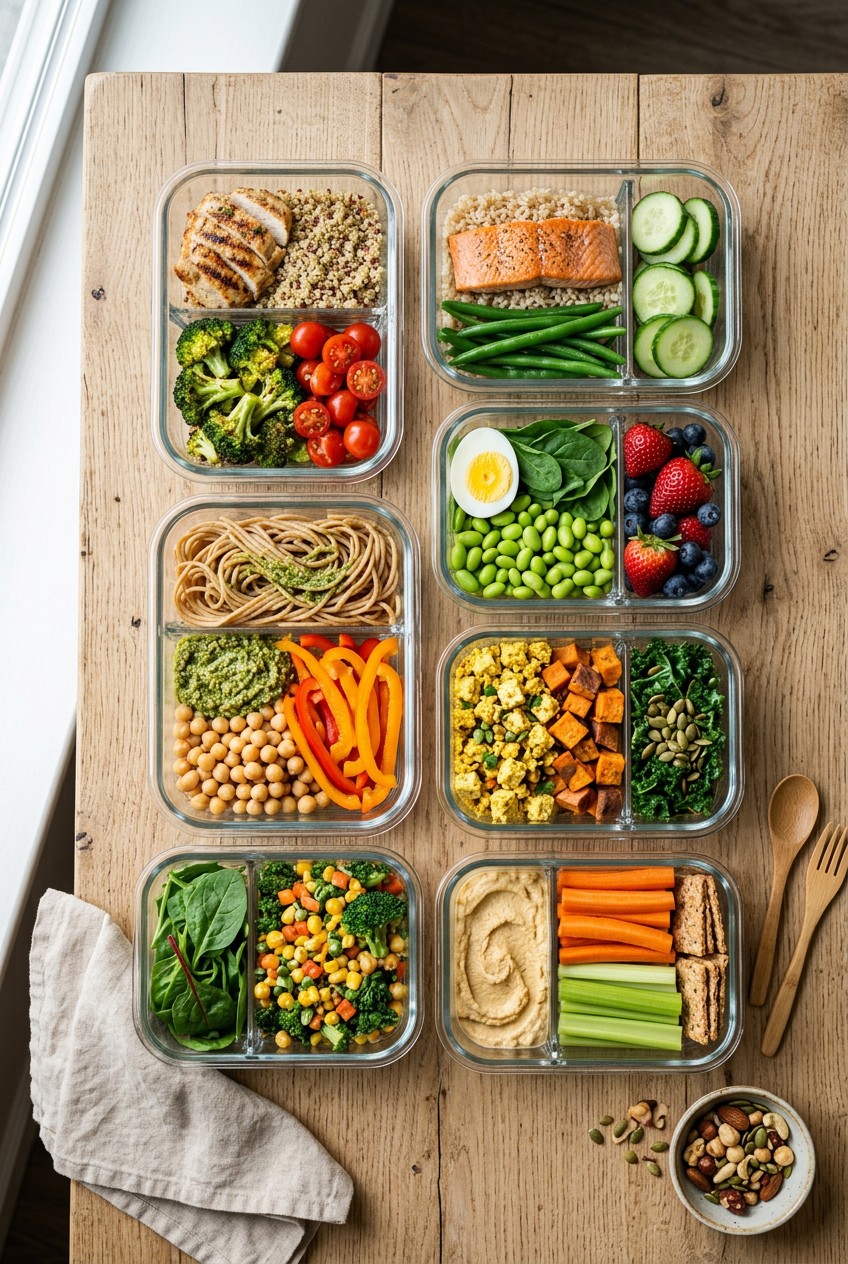
- Invest In Compartmentalized Bento Boxes
- Batch Cook Versatile Staples To Save Time
- Let The Kids Help Plan The Menu
- Follow The Pediatrician Plate Ratio (Meal Prep For Kids)
- Use Frozen Foods For Better Value
- Label And Date Every Single Container
- Introduce Sweet And Spicy Flavors Slowly
- Pack Warm Meals In Insulated Thermoses
- Swap In Plant-Based Proteins For Budget Savings
- Use Leftovers For Loaded Jacket Potatoes
Last Tuesday at Target, I stood staring at a wall of plastic containers while my six-year-old had a meltdown over neon blue yogurt. That’s when it hit me: my meal prep routine was a wreck. I was wasting three hours every Sunday making soggy turkey sandwiches that hit the trash by Wednesday. My kitchen smelled like stale sourdough and defeat. If you’re struggling to feed your kids, I get it. I did this wrong for months before I figured it out. I’d chop raw broccoli until my hands ached, only for the kids to ignore it. I’d pack massive portions that intimidated them. I’d forget to label anything, leaving mystery meals to rot in the back of the fridge. It was a disaster. Let’s talk about what actually works. I’m sharing the exact strategies, products, and measurements that keep me sane. These aren’t perfect internet setups. These are messy, practical tips for feeding actual human children who change their minds every five minutes. Trust me. Let’s look at the details.
1. Embrace Mini Portions For Picky Eaters

I used to plop a massive chicken breast on my daughter’s plate and wonder why she cried. Big mistake. Kids get overwhelmed by large portions. Mini portions are brilliant. I started making bite-sized sliders and baking mini quiches in a silicone muffin tin. Last month at Trader Joe’s, I bought frozen mini meatballs for $5.99. I put exactly three meatballs on a plate with 1/4 cup of whole-wheat pasta. She ate every bite. The texture of those meatballs is soft, which helps. When you’re dealing with picky eaters, making things small makes them less intimidating. I also buy Kidfresh frozen meals at Kroger for around $4.49 a box. They hide 1/4 cup of pureed veggies inside tiny chicken nuggets. It’s a lifesaver when I’m too tired to cook. Just keep the portions truly mini. Two tablespoons of peas look way better to a toddler than a giant green mountain. I’ve noticed smaller amounts actually encourage them to ask for seconds. It shifts the power dynamic. They feel in control. Plus, cleaning up tiny portions is way less annoying than scraping huge mounds of uneaten spaghetti into the trash.
2. Upgrade The Classics With Hidden Veggies (Meal Prep For Kids)

Skip the fat-free stuff. It tastes like wet cardboard. Instead, I upgrade the classics. I take meals they already love and sneak in better ingredients. Last Sunday, I made a huge batch of macaroni and cheese. I didn’t use the cheap powder. I bought Annie’s Homegrown Organic Mac and Cheese at Sprouts for $2.99 a box. Then I added 1/4 cup of pureed butternut squash and 1/2 cup of shredded chicken right into the boiling cheese sauce. My son didn’t notice the orange color; it just looked like extra cheddar. The smell of roasting squash in my kitchen was amazing. I tried this wrong for months by forcing raw broccoli on them. Total failure. Mixing veggies into familiar textures works much better. You get that creamy, cheesy mouthfeel without the dinner table fight. This trick makes meal prep for kids much less stressful. I do this with pancakes, too. I fold 2 tablespoons of finely grated zucchini into my standard pancake batter. The zucchini melts while cooking, leaving zero trace of green. The texture stays fluffy, and the kids eat their vegetables for breakfast without a single complaint.
3. Invest In Compartmentalized Bento Boxes

I used to throw everything into cheap plastic baggies. By lunchtime, the crackers were mushy. It was gross. Now I strictly use compartmentalized containers. I swear by the Bentgo Kids Leak-Proof Bento Lunch Box. I grabbed one at Target for $27.99. It has five perfectly portioned compartments. It snaps shut with a satisfying click. Nothing leaks. I can put 1/2 cup of juicy watermelon right next to 1/4 cup of dry pretzels, and they stay separate. For older kids, the PlanetBox Rover is an incredible tool. It costs around $59.95 at Whole Foods or online. Yes, it’s pricey. But it’s heavy-duty stainless steel that survives being dropped on concrete. The metal feels cold and clean. Having distinct visual compartments makes the food look more appealing to kids. They like seeing their 1/4 cup of turkey separate from their 1/2 cup of berries. It’s a visual thing. I’ve learned that if foods touch, my kids won’t eat them. The bento box solves that instantly. Washing one box is also faster than washing five tiny plastic lids. I highly recommend buying two boxes per kid if you can afford it. That way, you aren’t frantically scrubbing a dirty lunchbox at six in the morning. Hand washing the outer shell keeps the hinges working perfectly.

M MCIRCO 10-Pack,30 Oz Glass Meal Prep Containers 2
If you want something that just works, M MCIRCO 10-Pack is a safe bet (23 reviews, 4.5 stars).
4. Batch Cook Versatile Staples To Save Time

Don’t prep identical meals for five days straight. I did that once with spaghetti. By Thursday, the noodles were a gelatinous block. Gross. Instead, batch cook versatile components. I spend two hours every Saturday afternoon prepping basics. I buy a massive bag of organic quinoa at Costco for $10.99. I cook 4 to 6 cups at once. The nutty smell fills the house. Then I roast two sheet pans of broccoli and bell peppers with a little olive oil. Finally, I shred 1 to 2 pounds of rotisserie chicken. Having these plain components in the fridge is magic. You can mix and match them all week. One day it’s a chicken and rice bowl. The next day it’s chicken tacos. This method reduced my grocery spending by about 25 percent last month. It stops you from buying desperate takeout on Wednesday nights. Just store the 4 cups of cooked grains in a tightly sealed glass container so they don’t dry out. I’ve found that keeping seasonings simple during the batch cooking phase is the smartest move. If you heavily season the chicken with taco spices on Sunday, you can’t use it for Asian-style stir-fry on Wednesday. Keep it neutral, and add the sauces right before serving. You might also like: 20 Inspiring Carnivore Meal Prep Ideas That Are Totally Worth It
5. Let The Kids Help Plan The Menu

Most people get this wrong. They dictate the menu and expect kids to accept it. I used to do this. I’d proudly serve my meticulously planned quinoa salad, and they’d push it around the plate. Pediatric dietitians are right about involving kids. Last Friday at Walmart, I let my daughter pick out any two vegetables she wanted. She chose a $1.50 cucumber and a $2.99 pint of cherry tomatoes. When we got home, I let her wash them in the sink. Water got everywhere. The floor was soaked. But she was so proud. She actually ate a full 1/2 cup of raw tomatoes at dinner because she chose them. Give them small tasks. Let them stir the 2 tablespoons of ranch dressing. Let them pick the theme for Tuesday dinner. When they have ownership, they complain way less. It’s messy, and it takes ten extra minutes, but the payoff is huge. I’ve started letting my son write the grocery list with crayons. He spells everything wrong, but he feels in charge. When we unpack the groceries, he sorts the fruit into bowls. This small amount of physical involvement changes their attitude toward eating the meals later in the week. You might also like: 15 Clever Family Dinner Ideas for a Fresh New Look
6. Follow The Pediatrician Plate Ratio (Meal Prep For Kids)

Figuring out portion sizes used to stress me out. I’d overcompensate with huge piles of pasta. Then I learned the standard pediatrician plate ratio. It changed everything. Aim for half the plate to be fruits and vegetables, one-quarter lean protein, and one-quarter whole grains. I keep this visual in my head when I’m packing lunches. Yesterday, I bought Applegate Naturals Oven Roasted Turkey Breast at Sprouts for $6.49. I rolled up exactly 1/4 cup of the sliced turkey. It smells fresh and savory. Then I added 1/2 cup of crisp cucumber slices and sweet strawberries. Finally, I tossed in 1/4 cup of Simple Mills Almond Flour Crackers (around $5.39 a box). It looks colorful and balanced. You don’t have to be perfect every single day. Some days they just eat crackers. But having this ratio as a baseline makes meal prep for kids straightforward. You just fill the compartments based on the math. I no longer panic about whether they’re getting enough nutrients. I just look at the colors in the box. If half the box is green or red produce, I know I’m hitting the mark. It takes the emotional weight out of feeding them. You might also like: 15 Lovely Kids School Lunch Ideas That Changed Everything

Vtopmart 5Pack 22oz Glass Storage Containers with Lids
Vtopmart 5Pack 22oz Glass Storage Containers with Lids has been one of the most consistently praised picks in this category. 32 reviewers averaged 4.5/5.
7. Use Frozen Foods For Better Value

People turn their noses up at frozen food. They think fresh is always better. That’s a myth. The frozen advantage is real. Frozen fruits and vegetables are picked at peak ripeness and flash-frozen. They hold onto their nutrients perfectly. I buy bags of frozen organic mango chunks at Trader Joe’s for $3.49. If I bought fresh mangoes, they’d cost twice as much and go bad on my counter in three days. I drop 1/2 cup of frozen mango right into their lunchboxes in the morning. By lunchtime, it thaws into a soft, sweet treat. It also acts like a mini ice pack to keep the other food cold. I do the same with frozen peas and corn. It eliminates food waste. I don’t throw away rotting produce anymore. Just avoid the bags with added syrups or sauces. Stick to the plain frozen veggies and fruit. It saves so much money. I’ve also started buying frozen edamame. A massive bag costs $2.99 at Kroger. I pop 1/2 cup of frozen edamame pods into a container. My kids love popping the beans out of the shells. It’s cheap, healthy, and requires zero cooking on my part.
8. Label And Date Every Single Container

I can’t tell you how many times I’ve pulled a frosted, unidentifiable lump out of the back of the freezer. Was it chili? Was it pasta sauce? I had no idea. Not labeling your food is a rookie mistake. I ruined a whole batch of chicken soup last winter because I forgot when I made it. Now, I label everything. I keep a black Sharpie Permanent Marker (around $2.50 for a two-pack at Walmart) right in my kitchen drawer. I write the dish name and the date on a piece of masking tape. I stick it right on top of my OXO Good Grips Smart Seal Containers (which cost about $30 for a set at Target). This creates a strict first in, first out system. You never have to guess if that 4 oz portion of meatloaf is still safe to eat. The clear plastic of the OXO containers lets you see the food, but the label tells you the history. Do this immediately after cooking. Don’t wait. I used to tell myself I’d remember what was in the green container. I never did. Taking five seconds to write the date saves you from throwing away perfectly good food just because you’re scared it’s expired.
9. Introduce Sweet And Spicy Flavors Slowly

Kids’ palates are more adaptable than we think. Sweet and spicy flavors are a great way to wake up their taste buds. But you have to do it slowly. I made the mistake of putting a heavy dash of hot sauce on my son’s eggs once. He cried for ten minutes. The heat was too sharp. Now I take a much gentler approach. I buy fresh pineapple chunks at Whole Foods for about $4.99 a container. I take 1/2 cup of the juicy, bright yellow pineapple and sprinkle just a tiny pinch of Tajín Clásico Seasoning (around $3.19 at Kroger) on top. It gives it a mild, tangy chili-lime kick without burning their mouths. The contrast between the cold, sweet juice and the salty spice is amazing. You can also try a sprinkle of smoked paprika on roasted sweet potatoes. It introduces them to complex flavors without the trauma of intense heat. I’ve found that pairing a tiny bit of spice with dairy helps, too. I mix a pinch of cumin into 2 tablespoons of plain Greek yogurt for a simple veggie dip. It expands their flavor profile gently. Don’t rush this. If they reject the spiced pineapple the first time, don’t force it. Just offer it again a few weeks later. Exposure is everything. I’ve noticed that my kids are more willing to try spicy things if I’m eating them too. I’ll sit beside them and eat the exact same spiced fruit. Learned that the hard way.

KOMUEE 10 Packs 30 oz Glass Meal Prep Containers
If you want something that just works, KOMUEE 10 Packs 30 oz Glass Meal Prep Containers is a safe bet (45 reviews, 4.5 stars).
10. Pack Warm Meals In Insulated Thermoses

Cold macaroni and cheese is disgusting. The cheese gets hard and greasy. I packed it in a regular plastic box for my daughter once, and she brought it home completely untouched. If your kids prefer hot lunches, you have to invest in a good thermos. I love the OmieBox Bento Box with Thermos. I bought ours online for $45. It’s an incredible tool because it has a built-in insulated vacuum jar right next to the cold compartments. I heat up 1 cup of leftover soup or pasta in the morning until it’s boiling hot. I pour it into the metal thermos section and seal it tight. By noon, when she opens it, steam still rises out of the bowl. The food stays warm. I can pack a hot 1/2 cup portion of oatmeal next to cold yogurt, and neither one ruins the other. It feels sturdy and the latch is easy for little hands to open. One huge tip: prime the thermos first. I pour boiling water into the empty thermos section and let it sit for five minutes to heat up the metal. Then I dump the water and add the hot food. It keeps the meal piping hot for hours longer.
11. Swap In Plant-Based Proteins For Budget Savings

Meat is expensive right now. Buying organic chicken every week was destroying my grocery budget. I started swapping in plant-based proteins just twice a week, and it saved me about $65 last month. You don’t have to go full vegan. Just make smart substitutions. Last week at Kroger, I bought a can of organic black beans for $1.49. I rinsed them and mixed 1/2 cup of the soft, earthy beans into a cheese quesadilla. The kids barely noticed the difference because the melted cheese masked the texture. Another huge win is lentil pasta. I buy Banza Chickpea Pasta at Target for $3.99 a box. It has slightly more chew than regular wheat pasta, but it holds onto marinara sauce beautifully. Boiling a pot of that gives you a massive hit of protein for pennies. It’s a cost-effective way to fill them up without relying on pricey ground beef or turkey every single night. I’ve also started making hummus wraps. I spread 2 tablespoons of Sabra Classic Hummus (around $4.29 at Walmart) onto a whole-wheat tortilla and roll it up with some shredded carrots. It takes thirty seconds to prep, costs almost nothing, and packs a solid protein punch.
12. Use Leftovers For Loaded Jacket Potatoes

Here’s a surprising trick I learned recently. The humble jacket potato is making a comeback. It’s the ultimate vehicle for leftovers. I buy big russet potatoes at Trader Joe’s for about $0.79 each. I wash them, poke holes in the skin, and bake four of them on a Sunday. The skin gets wonderfully crispy, and the inside turns fluffy and steaming hot. I store them in the fridge. During the week, I slice one open and let the kids load it up. They can spoon on 1/4 cup of leftover chili, a handful of shredded cheddar, or even a scoop of tuna salad. It revamps boring leftovers into a fun, customizable meal. I tried microwaving them once to save time, and the skin turned rubbery and wet. Don’t do that. Bake them in the oven for that perfect texture. It costs almost nothing and fills their bellies fast. I’ve even set up a mini potato bar on a Thursday night. I lay out small bowls of leftover chopped bacon, 2 tablespoons of sour cream, and some diced green onions. The kids go crazy for it, and I get to clean out the fridge. Took me years to figure out that kids love a “build your own” vibe.
Honestly, figuring out how to feed small humans without losing your mind is a process. Start small. Prep a quick batch of overnight oats (which only costs about $0.40 a serving) using 1/2 cup of rolled oats and some milk. Don’t try to prep twenty meals on your first try. You’ll just burn out and cry in the kitchen. I’ve been there. Find the containers and the rhythms that work for your specific family. If you found these tips helpful, definitely save this post and pin it to your favorite Pinterest board for later. You’ve got this.

M MCIRCO 10-Pack,22 Oz Glass Meal Prep Containers
M MCIRCO 10-Pack has been one of the most consistently praised picks in this category. 86 reviewers averaged 4.5/5.
Frequently Asked Questions
How long does meal prep for kids usually take on a Sunday?
If you batch cook versatile staples like quinoa and roasted vegetables, you only need about two hours. Don’t try to assemble every single lunchbox at once. Prepping the core ingredients in glass containers saves the most time during busy weekday mornings.
What is the best lunchbox for picky eaters?
I highly recommend compartmentalized containers like the Bentgo Kids bento box. Picky eaters usually hate when their foods touch. Having five distinct, leak-proof sections keeps dry pretzels completely separate from wet fruit, making the meal visually appealing and less intimidating.
How can I keep hot food warm until lunchtime?
You need a high-quality insulated container like the OmieBox. Always prime the metal thermos section by filling it with boiling water for five minutes before adding the hot food. This simple trick keeps pasta or soup piping hot for hours.
How do I stop my kids from getting bored of meal prep?
Avoid making five identical meals. Instead, prep neutral proteins and grains, then switch up the sauces and presentations. Use leftover shredded chicken in tacos on Tuesday and mix it into macaroni and cheese on Wednesday to prevent meal fatigue.
