What’s Inside
- 1. The Triple Sheet Pan System That Changed Everything
- 2. Hit the 30-50 Gram Protein Target (It Actually Matters)
- 3. Cottage Cheese Chicken Salad (Trust Me On This)
- 4. Start Small or Burn Out Fast
- 5. Lentil Beef Bolognese for Fiber-Packed Lunches
- 6. Green Glow Soup with Seven Plant Foods
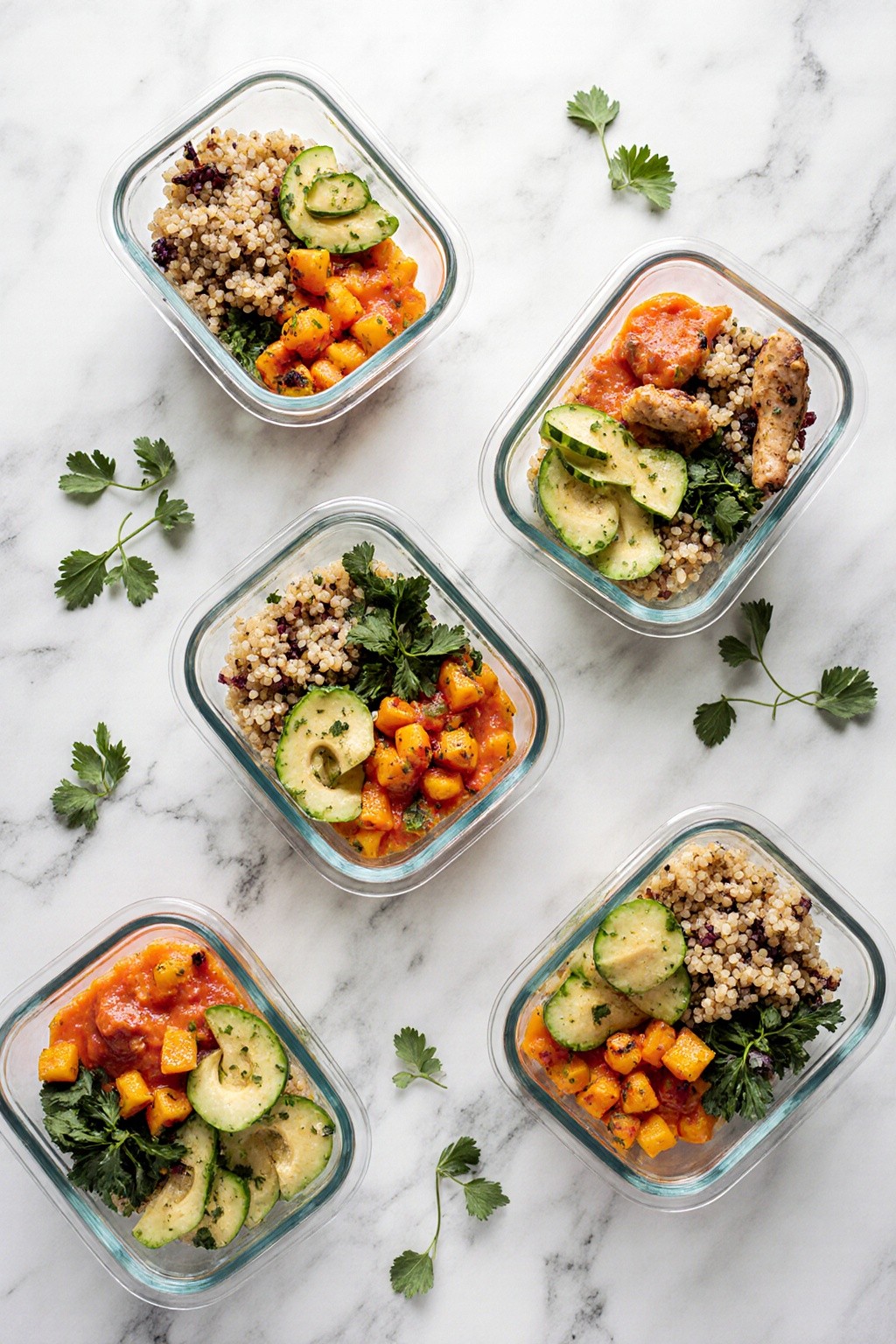
- 7. The Grain Bowl Formula That Prevents Boredom
- 8. Frozen Lunch Burritos for Grab-and-Go Mornings
- 9. Cold Bean Salad That Requires Zero Cooking
- 10. Mason Jar Soups (With the Expansion Trick)
- 11. Quinoa Salad Rotation Strategy
- 12. The 35+ Gram Protein Lunch That Stops Snacking
- 13. The Hybrid Method That Prevents Meal Prep Burnout
- 14. Vegetable Prep Shortcuts That Actually Work
- 15. The Big Cook Session Setup
I used to spend $15 daily on sad desk salads until I realized lunch ideas weekly meal prep could save me over $200 monthly while actually enjoying what I ate. The real trick isn’t just cooking in bulk—it’s creating lunches that taste better on day four than takeout ever did, which completely changed my relationship with midday meals.
After three years of testing every lunch ideas weekly meal prep method out there, I’ve landed on these 15 approaches that actually work for real life. Some are controversial (yes, I’m about to tell you to embrace repetition), but they’ve kept me consistently prepping without burnout.
1. The Triple Sheet Pan System That Changed Everything

I can’t believe I spent years cooking proteins and vegetables separately like some kind of masochist. Running three sheet pans simultaneously at 400-425°F is hands down the most efficient way to prep 12-15 meals in about 30 minutes of active work. I personally rotate through chicken thighs with root vegetables on pan one, Italian sausage with cabbage and potatoes on pan two, and salmon with asparagus and baby potatoes on pan three.
The key is setting timers for each pan since they finish at different times. Chicken thighs need about 35-40 minutes, sausage takes 25-30, and salmon is done in 15-20. I learned this the hard way after ruining an entire batch of overcooked salmon while waiting for potatoes to finish. Now I start the chicken first, add the sausage pan 10 minutes later, and slide in the salmon during the final stretch.
Cleanup is ridiculously easy with parchment paper, and you’ve got three completely different flavor profiles without touching a stovetop. This method alone cut my Sunday prep time in half.
2. Hit the 30-50 Gram Protein Target (It Actually Matters)

Most people eyeball their protein portions and wonder why they’re starving by 3pm. I started using a cheap digital scale from Target ($12) and realized my “generous” chicken breast was only 22 grams of protein. Research shows 30-50 grams per lunch optimizes muscle protein synthesis and keeps you full until dinner, which honestly transformed my afternoon productivity.
I dedicate 90-120 minutes every Sunday to prep, and my lunches stay safe for 4-5 days in the fridge. My go-to proteins hit these targets easily: 6 ounces of chicken breast (52g), 7 ounces of ground turkey (49g), or 8 ounces of extra-firm tofu (32g plus I add hemp seeds for another 10g). Salmon’s great too at about 40g per 6-ounce fillet.
Pro tip: if you’re not hitting 30 grams minimum, you’re basically setting yourself up for vending machine runs. I keep individual protein counts written on masking tape on each container so I know exactly what I’m getting. It sounds obsessive, but it takes five seconds and prevents the guessing game that derails most people’s prep efforts.
3. Cottage Cheese Chicken Salad (Trust Me On This)

I know cottage cheese in chicken salad sounds weird, but substituting mayo with cottage cheese adds 15-20 grams of extra protein per serving and honestly tastes better. I was skeptical too until I tried it at a friend’s house and immediately demanded the recipe. Now it’s my most-requested lunch when colleagues see me eating it.
My formula: 3 cups shredded rotisserie chicken, 1 cup cottage cheese (I use Good Culture), diced celery, red onion, and whatever seasonings you’re feeling. Sometimes I go Mediterranean with sun-dried tomatoes and oregano, other times it’s classic with dill and lemon. The cottage cheese keeps everything moist without that heavy mayo feeling that makes you want a nap.
I portion it into five containers with cucumber slices instead of crackers because bread gets soggy by Wednesday. Some people use bell pepper strips or endive leaves as scoops. The protein content is insane—usually around 38-42 grams per container depending on how generous I am with the chicken. This prep takes maybe 15 minutes total and costs about $12 for five lunches.
![[10-Pack] Glass Meal Prep Containers with Lids](https://m.media-amazon.com/images/I/71VKuXwIKOL._AC_UL320_.jpg)
[10-Pack] Glass Meal Prep Containers with Lids
Honestly, [10-Pack] Glass Meal Prep Containers with Lids surprised me — sturdier than it looks in the photos, and over 146 buyers gave it 4.5 stars.
4. Start Small or Burn Out Fast

The biggest mistake I see beginners make is prepping 20 meals their first Sunday and hating their lives by Tuesday. Start with 5 lunches and 3-4 dinners maximum. I learned this after my ambitious first attempt left me with 14 containers of the same curry that I couldn’t look at by Thursday without feeling nauseous.
This beginner-friendly approach builds the habit without decision fatigue taking over. Once you’ve done this successfully for three weeks, add 2-3 more meals to your rotation. I gradually scaled from 5 lunches weekly to prepping 8 lunches plus 6 dinners, but it took me about two months to get there comfortably.
The psychological benefit of starting small is huge. You feel accomplished instead of overwhelmed, and you’re way more likely to actually eat what you prepped instead of abandoning ship for Chipotle. I still remember the satisfaction of finishing my first week of five prepped lunches—it felt like I’d unlocked some secret life hack that everyone else was missing.
5. Lentil Beef Bolognese for Fiber-Packed Lunches

Batch cooking a lentil beef bolognese sauce adds 7.5 grams of fiber per serving while sneaking in extra protein and vegetables. This is genuinely one of the easiest meal preps I do, and it works over regular pasta, zucchini noodles, spaghetti squash, or whole wheat pasta depending on your carb preferences that week.
I brown 2 pounds of ground beef with a pound of dried lentils (red or brown work fine), two jars of marinara sauce, diced carrots, celery, and onion. The whole thing simmers for 45 minutes while I prep other stuff. The lentils basically disappear into the sauce, so even my veggie-skeptical husband doesn’t notice them. Total cost is around $18 for eight generous servings.
This sauce freezes beautifully, so I actually double the batch and freeze half in quart-sized bags. When you’re having a rough week and didn’t prep, you’ve got backup lunches ready in 10 minutes. I portion it with 2 ounces of dry pasta per container, which cooks to about 1 cup and keeps the meal around 450 calories with 32 grams of protein.
6. Green Glow Soup with Seven Plant Foods

I’m calling this “green glow soup” because it sounds better than “vegetable chicken soup,” but honestly it’s just a smart way to pack 7 different plant foods, 30 grams of protein, and 4 grams of fiber into one reheatable container. I use a whole rotisserie chicken from Costco ($5) because I’m not roasting a chicken on Sunday when I’ve got 12 other things happening.
Strip the chicken meat and throw the bones into a pot with store-bought broth (Pacific Foods is my favorite), then add spinach, kale, zucchini, carrots, celery, white beans, and whatever else needs using from the fridge. Simmer for 30 minutes and you’ve got soup for days. The premade broth shortcut saves an hour of work, and nobody can tell the difference.
I portion this into wide-mouth mason jars (the regular mouth ones are annoying to eat from) and it reheats perfectly in the microwave. Pro tip: don’t fill them completely full or you’ll have soup explosions. Leave about an inch of space at the top. This soup actually tastes better on day three after the flavors meld together.

Skroam 10 Pack Glass Meal Prep Containers
Skroam 10 Pack Glass Meal Prep Containers has been one of the most consistently praised picks in this category. 56 reviewers averaged 4.5/5.
7. The Grain Bowl Formula That Prevents Boredom

Most people fail at lunch ideas weekly meal prep because they try new recipes constantly instead of mastering a flexible formula. The grain bowl formula is stupidly simple: base grain plus protein plus vegetables plus sauce plus toppings. I rotate through 3-4 reliable combinations rather than chasing viral TikTok recipes that look better than they taste.
My current rotation: brown rice with teriyaki chicken, roasted broccoli, edamame, and sesame seeds. Quinoa with lemon herb salmon, roasted Brussels sprouts, chickpeas, and tahini dressing. Farro with Italian sausage, roasted peppers, white beans, and pesto. Wild rice with pulled pork, roasted sweet potato, black beans, and chipotle crema. Same formula, completely different flavors.
I prep the grains and proteins on Sunday, roast two types of vegetables, and keep the sauces separate until I’m ready to eat. This prevents sogginess and keeps everything tasting fresh. Each bowl hits 35-40 grams of protein and around 500 calories. The repetition actually improves efficiency—I can prep four different grain bowls in about 90 minutes because I’m not constantly checking recipes.
8. Frozen Lunch Burritos for Grab-and-Go Mornings

Making frozen lunch burritos in large batches early in the week saves me on chaotic mornings when I forget to grab my prepped container. I cook a big pot of cilantro lime rice, season 3 pounds of chicken thighs with taco seasoning, and open a few cans of black beans. Assembly line style, I roll 15-20 burritos and wrap them individually in foil.
The key is not overstuffing them or they’ll explode in the microwave. I learned this after ruining three burritos and creating a cheese explosion that took 20 minutes to clean. Use burrito-sized tortillas (the 10-inch ones from Mission), add about 1/3 cup rice, 1/4 cup beans, 3-4 ounces of chicken, cheese, and salsa. Roll them tight, wrap in foil, and freeze flat in a gallon freezer bag.
Reheat from frozen for 3-4 minutes, flipping halfway through. They’re honestly better than Chipotle and cost about $2.50 each. I keep a stash of 10 in my freezer at all times for emergency lunches. Traditional Mexican-style burritos reheat the most reliably—I’ve tried breakfast burritos but the eggs get weird after freezing.
9. Cold Bean Salad That Requires Zero Cooking

When it’s too hot to turn on the oven or I’m just not feeling ambitious, I make a cold bean salad using canned beans. This requires minimal effort and incorporates different bean varieties, chopped vegetables, and a savory vinaigrette that gets better as it sits. I use chickpeas, kidney beans, and cannellini beans (drain and rinse them well or your salad tastes like can).
Chop up cucumber, red onion, bell peppers, cherry tomatoes, and fresh parsley. Make a simple dressing with olive oil, red wine vinegar, Dijon mustard, garlic, salt, and pepper. Mix everything together and portion into five containers. Add feta cheese if you want extra protein and flavor. The whole process takes 20 minutes and costs maybe $10.
This salad is one of those rare preps that actually improves over the week as the beans absorb the dressing. By Friday, it’s phenomenal. I eat it with pita chips or stuff it into a whole wheat pita with some greens. It’s around 18 grams of protein per serving, so I usually add some rotisserie chicken or hard-boiled eggs to hit my 30-gram minimum.

VERONES 10 Pack 22 OZ Glass Meal Prep Containers
VERONES 10 Pack 22 OZ Glass Meal Prep Containers punches above its price — 18 buyers rated it 4.5 stars. I would buy it again.
10. Mason Jar Soups (With the Expansion Trick)

Freezing broccoli and cheddar soup in mason jars revolutionized my lunch game, but you absolutely must leave room for expansion or you’ll have shattered glass in your freezer. I learned this the expensive way after breaking two jars and losing an entire batch of soup. Leave at least 1.5 inches of headspace at the top before freezing.
I make a huge pot of broccoli cheddar soup using frozen broccoli florets (way easier than fresh), sharp cheddar, cream cheese, and chicken broth. Blend half of it for a creamy texture while keeping some chunks. Portion into wide-mouth mason jars, cool completely, then freeze. You can also use plastic containers if you’re nervous about glass, but I prefer mason jars because they don’t stain or hold odors.
Thaw overnight in the fridge or microwave from frozen in 4-5 minute intervals, stirring between each. These grab-and-go lunches are perfect for busy weeks when you need something comforting and filling. Each jar has about 22 grams of protein, so I usually pair it with a side of crackers and cheese or some turkey slices to boost the protein content.
11. Quinoa Salad Rotation Strategy

Batch-cooking a large quantity of quinoa early in the week lets you mix-and-match proteins and flavors throughout the week without eating the exact same thing five days straight. I cook 3 cups of dry quinoa (which yields about 9 cups cooked) on Sunday, then divide it into three portions for three different flavor profiles.
Portion one becomes Mediterranean with cucumbers, tomatoes, feta, olives, and lemon vinaigrette. Portion two goes Mexican with black beans, corn, peppers, and cilantro lime dressing. Portion three becomes Asian-inspired with edamame, shredded carrots, sesame seeds, and ginger dressing. Same base grain, completely different lunches that prevent the monotony that kills most people’s prep motivation.
Some weeks I’m lazy and just make one flavor variety to last the entire work week for consistency. Honestly both approaches work—it depends on whether you value variety or simplicity more that particular week. Each quinoa salad hits about 15-20 grams of protein from the quinoa and beans alone, so I add 3-4 ounces of grilled chicken or tofu to reach my 35-gram target.
12. The 35+ Gram Protein Lunch That Stops Snacking

Prioritizing protein-dense lunches with at least 35 grams significantly reduces late-afternoon snacking, and I have the empty snack drawer to prove it. Before I started tracking protein, I’d crush a bag of chips and some cookies every afternoon around 3pm. Now I barely think about snacking because my blood glucose stays stable instead of crashing.
Evidence suggests that high-protein lunches lead to more consistent energy throughout the work afternoon and a significant reduction in unhealthy snacking habits. My personal sweet spot is 38-42 grams of protein per lunch, which keeps me satisfied for 5-6 hours easily. I hit this with combinations like 6 ounces of chicken breast (52g), 5 ounces of salmon (35g) plus a hard-boiled egg (6g), or 8 ounces of Greek yogurt (20g) with a protein-packed grain bowl (18g).
The difference in my energy levels is honestly night and day. I used to hit a wall every afternoon and need coffee to survive until 5pm. Now I maintain steady focus and productivity without the blood sugar rollercoaster. If you take one thing from this entire article, make it this: prioritize protein at lunch and watch your entire afternoon transform.

8 Pack 36oz Large Glass Meal Prep Containers with lids
8 Pack 36oz Large Glass Meal Prep Containers with lids punches above its price — 859 buyers rated it 4.5 stars. I would buy it again.
13. The Hybrid Method That Prevents Meal Prep Burnout

After burning out twice on full meal prep, I adopted the hybrid method: batch cook 2-3 complete meals for lunches, prep ingredients for flexible dinners, and maintain a freezer stash for emergencies. This balanced approach prevents monotony while maintaining flexibility, and it’s honestly the only reason I’ve sustained meal prep for three years straight.
For lunches, I fully prep two different options (usually 3 of each for 6 total lunches). For dinners, I prep components like marinated proteins, chopped vegetables, and cooked grains that I can combine differently each night. My freezer always has 4-5 backup meals like the burritos or soup mentioned earlier. This system is recommended for most people seeking sustainability because it’s realistic.
The complete rigidity of prepping every single meal leads to rebellion eating by Thursday. I’ve watched so many friends go all-in on meal prep, last two weeks, then quit entirely. The hybrid method gives you structure without feeling imprisoned by your Sunday decisions. Some nights I want to cook something fresh or order takeout, and this system allows that flexibility without derailing the entire week.
14. Vegetable Prep Shortcuts That Actually Work

Pre-washing and storing leafy greens with paper towels keeps them fresh for 5-6 days, while roasting or steaming cruciferous vegetables makes reheating effortless throughout the week. I wash all my greens Sunday night, wrap them in paper towels, and store them in gallon freezer bags with most of the air squeezed out. This simple step saves 10 minutes every morning when I’m making lunch.
For cruciferous vegetables like broccoli, Brussels sprouts, and cauliflower, I roast them at 425°F until they’re almost done but not quite crispy. They finish cooking when reheated, and this prevents the mushy texture that makes people hate meal-prepped vegetables. I slice peppers and onions in advance for quick sautés, storing them in separate containers so they don’t make everything taste like onions.
These shortcuts reduce daily prep friction and ensure vegetables remain fresh throughout the week. The paper towel trick especially is a game-changer—it absorbs excess moisture that causes greens to wilt and get slimy. I used to lose half my spinach to slime by Wednesday, and now it stays crisp until Friday. These small prep steps make the difference between vegetables you actually eat versus vegetables that go bad in your fridge.
15. The Big Cook Session Setup

Dedicating a specific “Big Cook” session using an oven at 400°F for sheet-pan roasting or a pressure cooker for bulk grains and legumes transforms chaotic prep into a systematic routine. I conduct an inventory check of spices, oils, and containers before shopping, which prevents those annoying mid-prep trips to the store for forgotten ingredients.
My Sunday routine starts at 2pm: I turn on the oven, pull out all my containers, and set up an assembly line on my counter. Sheet pans go in first with proteins and vegetables. While those roast, I cook grains in my rice cooker and prep any cold components like salads or dressings. The pressure cooker runs simultaneously for beans or legumes. Everything finishes within 90-120 minutes of active work.
Executing your prep routine systematically maximizes efficiency and food safety. I label everything with masking tape and dates, stack containers in the fridge in the order I’ll eat them (Monday in front, Friday in back), and do a final cleanup while the last sheet pan finishes. The systematic approach might sound rigid, but it’s actually freeing—I don’t waste mental energy figuring out what to do next because the routine is established.
These 15 cozy lunch ideas have completely changed how I approach weekday eating. I’m saving money, eating better, and actually looking forward to lunch instead of dreading another sad desk meal. Start with just one or two of these methods that appeal to you most, and gradually add more as you build confidence.
The biggest lesson I’ve learned is that sustainable meal prep isn’t about perfection—it’s about finding systems that work for your actual life, not some idealized version of it. Some weeks I nail all 15 lunches, other weeks I manage five and supplement with smart takeout choices. Both scenarios are infinitely better than where I started.
Save this article for your next Sunday prep session, and let me know which lunch ideas you try first. I’m always experimenting with new combinations and would love to hear what works for your routine.
![C CREST [10 Pack] Glass Meal Prep Containers](https://m.media-amazon.com/images/I/81HfSfzlqUL._AC_UL320_.jpg)
C CREST [10 Pack] Glass Meal Prep Containers
A dependable everyday pick — C CREST [10 Pack] Glass Meal Prep Containers pulls in 348 ratings at 4.5 stars. Not flashy, just solid.
Frequently Asked Questions
How long do meal-prepped lunches stay fresh in the refrigerator?
Most meal-prepped lunches stay safe for 4-5 days when stored properly in airtight containers at 40°F or below. Proteins like chicken, beef, and fish maintain quality for this duration, while grain bowls and salads with dressing stored separately last the full work week.
What’s the ideal amount of protein for a meal prep lunch?
Target 30-50 grams of protein per lunch container for optimal satiety and muscle protein synthesis. This range keeps you full for 5-6 hours, prevents afternoon snacking, and maintains stable energy levels throughout the workday without the typical 3pm crash.
Can I freeze meal-prepped lunches for longer storage?
Yes, soups, burritos, and casseroles freeze excellently for 2-3 months. Use freezer-safe containers or mason jars with 1.5 inches of headspace for expansion. Avoid freezing salads, mayo-based dishes, or meals with high water content vegetables that become mushy when thawed.
How do I prevent meal prep burnout when making lunches weekly?
Use the hybrid method: batch cook 2-3 complete lunch options, prep flexible dinner ingredients, and maintain a freezer stash for emergencies. Start with just 5 lunches weekly and scale gradually. Rotate through 3-4 reliable formulas rather than attempting new recipes constantly.
1 thought on “15 Stunning Lunch Weekly Meal Prep Ideas You Haven’t Thought Of”